parar
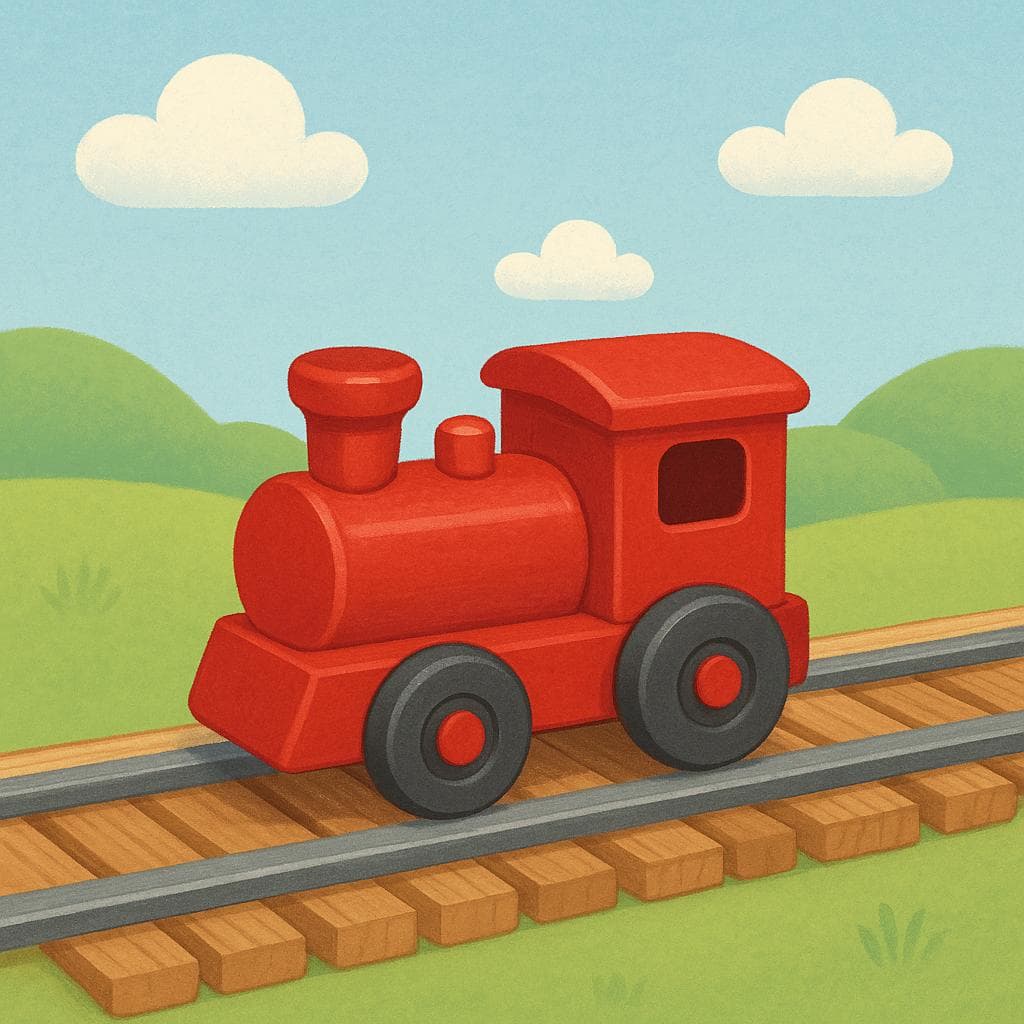
“parar” means “to stop” in Spanish. It has 4 different meanings depending on context:


to stop
Also: to quit, to cease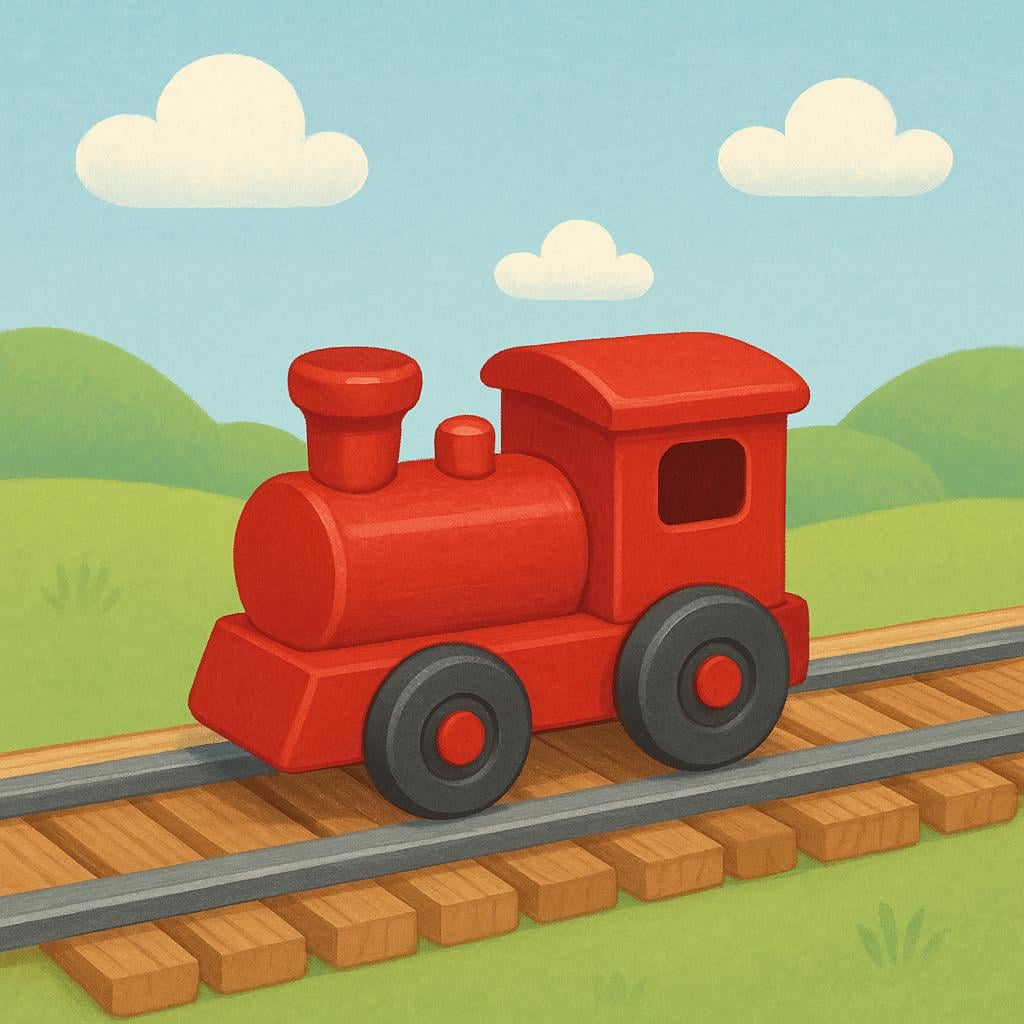
📝 In Action
El autobús para en esta esquina.
A1The bus stops on this corner.
¡Para! Hay un semáforo en rojo.
A1Stop! There's a red light.
Tienes que parar de hacer tanto ruido.
A2You have to stop making so much noise.
📝 In Action
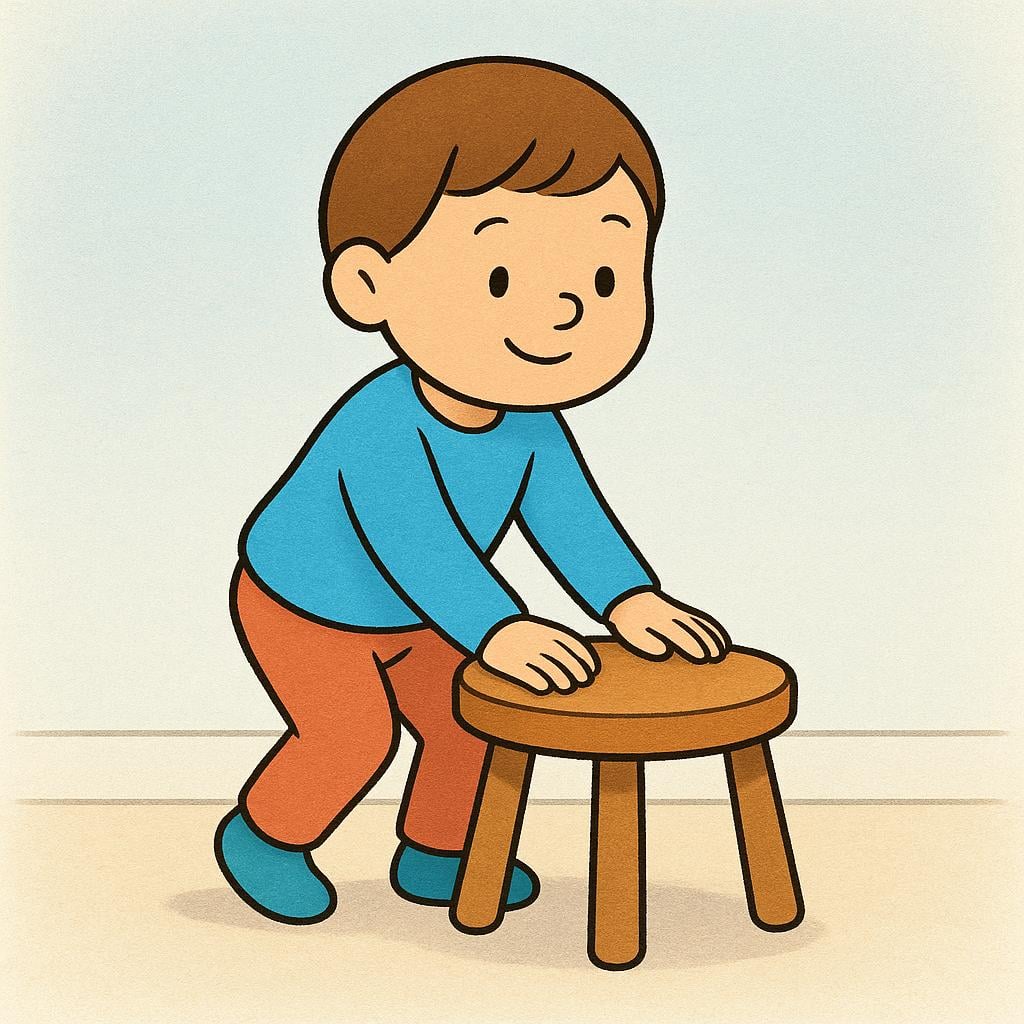
Cuando entró el profesor, todos los alumnos se pararon.
A2When the teacher came in, all the students stood up.
El coche se paró de repente en medio de la calle.
A2The car suddenly stopped in the middle of the street.
No te pares en la puerta, por favor.
B1Don't stand in the doorway, please.
to end up
Also: to wind up
📝 In Action
Después de perdernos, fuimos a parar a un pueblo que no estaba en el mapa.
B1After getting lost, we ended up in a town that wasn't on the map.
No sé cómo la carta paró en tus manos.
B2I don't know how the letter wound up in your hands.
to save
Also: to block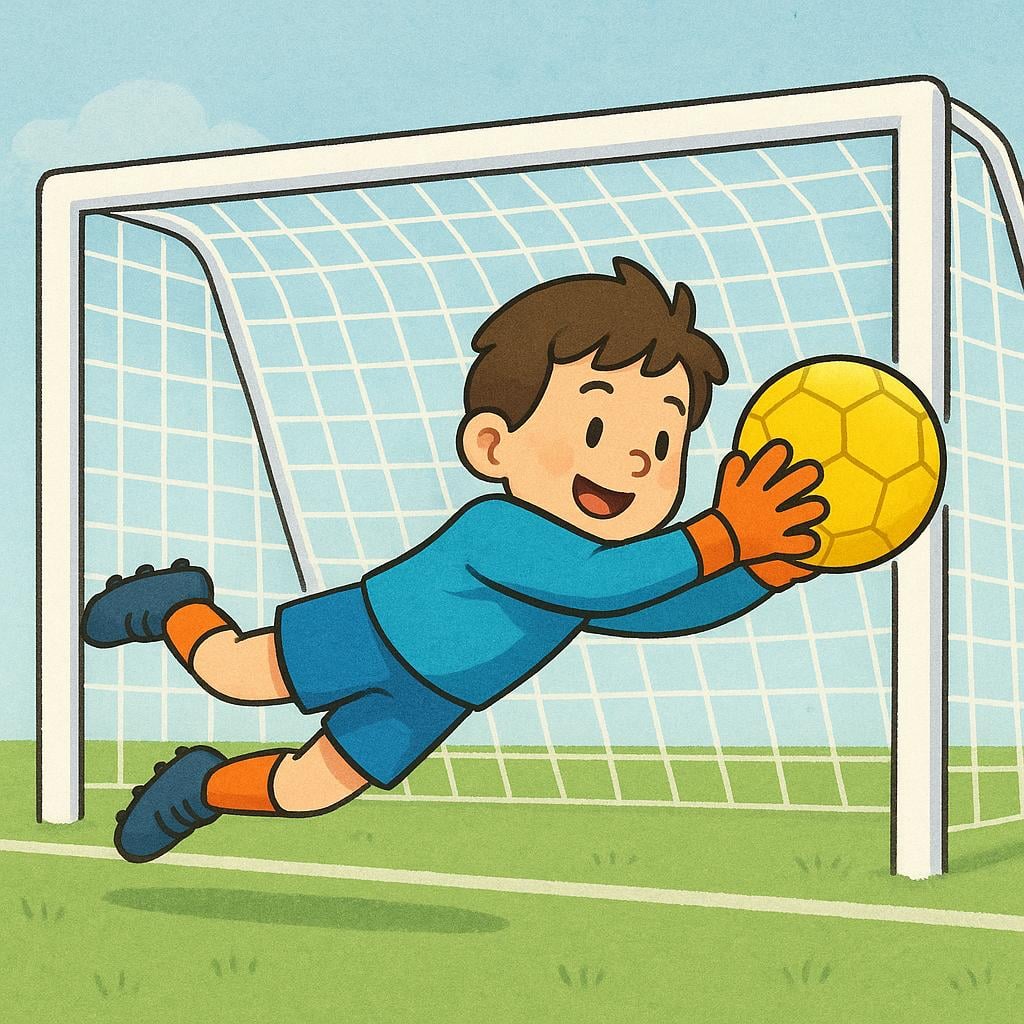
📝 In Action
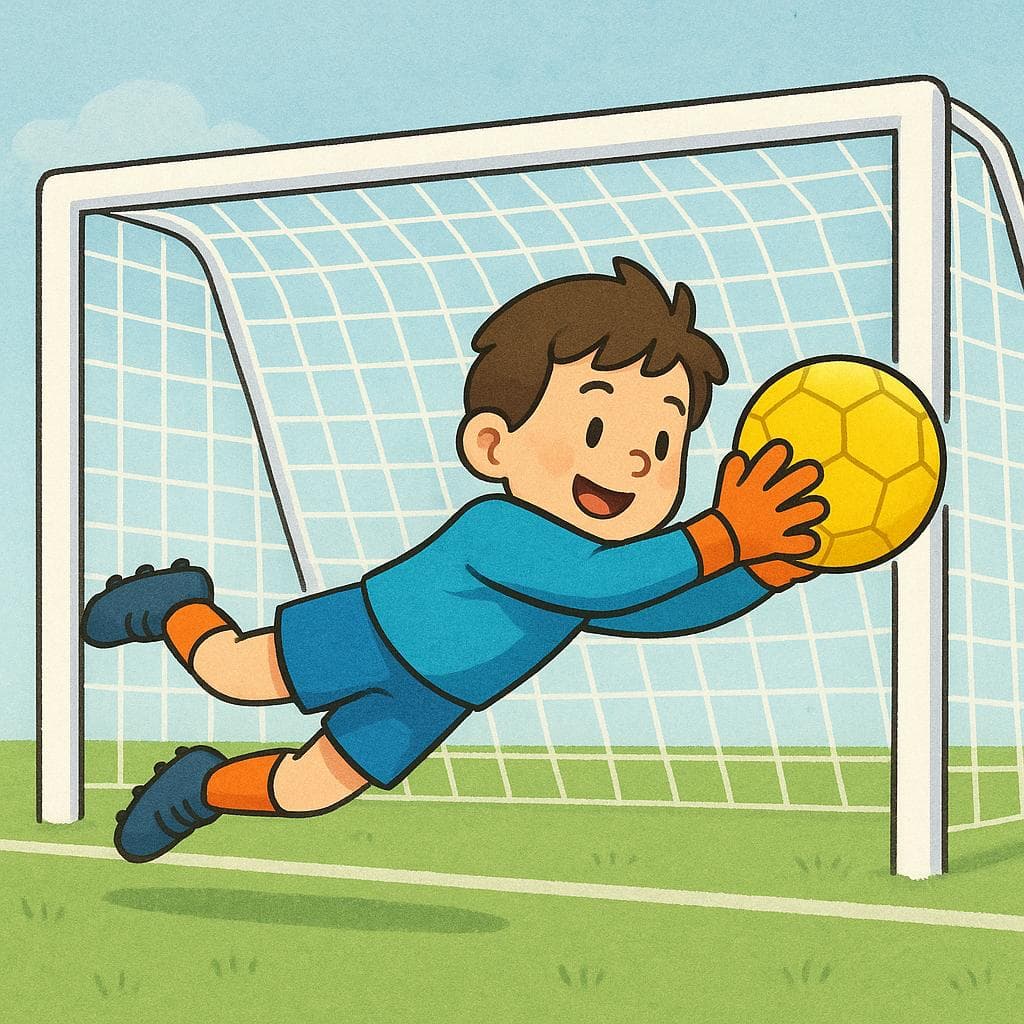
El portero paró el penalti y salvó al equipo.
B1The goalkeeper saved the penalty and saved the team.
¡Qué buena parada! Nadie esperaba que parara ese balón.
B2What a great save! Nobody expected him to save that ball.
Indicative
Present
Imperfect
Preterite
Subjunctive
Present Subjunctive
Imperfect Subjunctive
🔀 Commonly Confused With
Translate to Spanish
✏️ Quick Practice
Quick Quiz: parar
Question 1 of 2
Which sentence means 'The man stood up'?
📚 More Resources
👥 Word Family▼
📚 Etymology▼
From the Vulgar Latin word '*parāre*', which meant 'to prepare' or 'to arrange'. The meaning shifted over time from preparing something (like a horse) to be ready, to making it stop.
First recorded: Around the 12th century.
Cognates (Related words)
💡 Master Spanish
Take your Spanish to the next level. Read 200+ illustrated and narrated Spanish stories tailored to your level with the Inklingo app!
Frequently Asked Questions
What's the difference between 'parar', 'pararse', and 'detenerse'?
Great question! 'Parar' is when you stop something else (e.g., 'Paro el coche' - I stop the car). 'Pararse' is when you stop yourself ('Me paro' - I stop) or when you stand up ('Me paro' - I stand up). 'Detenerse' is a slightly more formal way to say 'stop oneself' and is very similar to 'pararse' for ceasing movement.
I heard 'parado' means 'unemployed'. Is that related?
Yes, it is! In Spain, 'estar parado' is a very common way to say 'to be unemployed'. The idea is that your work life has 'stopped'. In Latin America, they usually say 'estar desempleado' instead.