sentarse
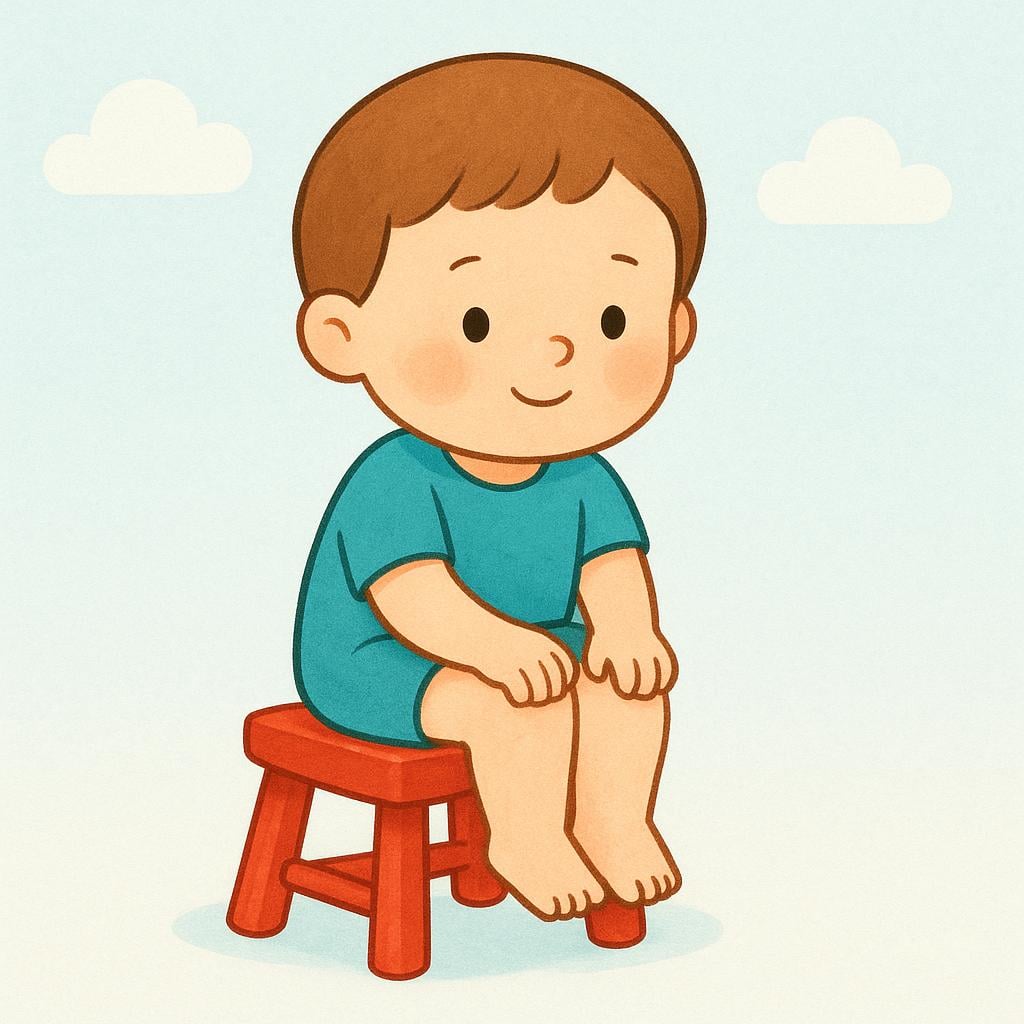
“sentarse” means “to sit down” in Spanish (physical action).
to sit downAlso: to take a seat
📝 In Action
Por favor, siéntate donde quieras.
A1Please, sit down wherever you want.
Ella se sienta en el sofá después de trabajar.
A1She sits on the sofa after working.
Nos sentamos a esperar el tren.
A2We sat down to wait for the train.
Word Connections
Indicative
Present
Imperfect
Preterite
Subjunctive
Present Subjunctive
Imperfect Subjunctive
🔀 Commonly Confused With
✏️ Quick Practice
Quick Quiz: sentarse
Question 1 of 2
Which sentence correctly uses the present tense of 'sentarse' for 'We sit down'?
📚 More Resources
👥 Word Family
🎵 Rhymes
📚 Etymology
This word comes from the Latin verb *sedentare*, which was a form of the verb *sedere* meaning 'to sit.' The 'se' part was added over time to show that the action was being done by the person to themselves.
First recorded: Around the 13th century in its current form.
Cognates (Related words)
💡 Master Spanish
Take your Spanish to the next level. Read 200+ illustrated and narrated Spanish stories tailored to your level with the Inklingo app!
Frequently Asked Questions
What is the difference between 'sentar' and 'sentarse'?
'Sentar' means 'to seat someone else' or 'to fit/suit.' 'Sentarse' means 'to sit down,' where the person doing the action is the one receiving it (themselves). Think of 'sentarse' as 'to seat oneself.'
Why does the accent mark appear in 'siéntate'?
When you attach the pronoun 'te' to the command form, the stress shifts. The accent mark is necessary to keep the emphasis on the original part of the word (the 'ie' sound).