sentar
“sentar” means “to sit down” in Spanish. It has 3 different meanings depending on context:
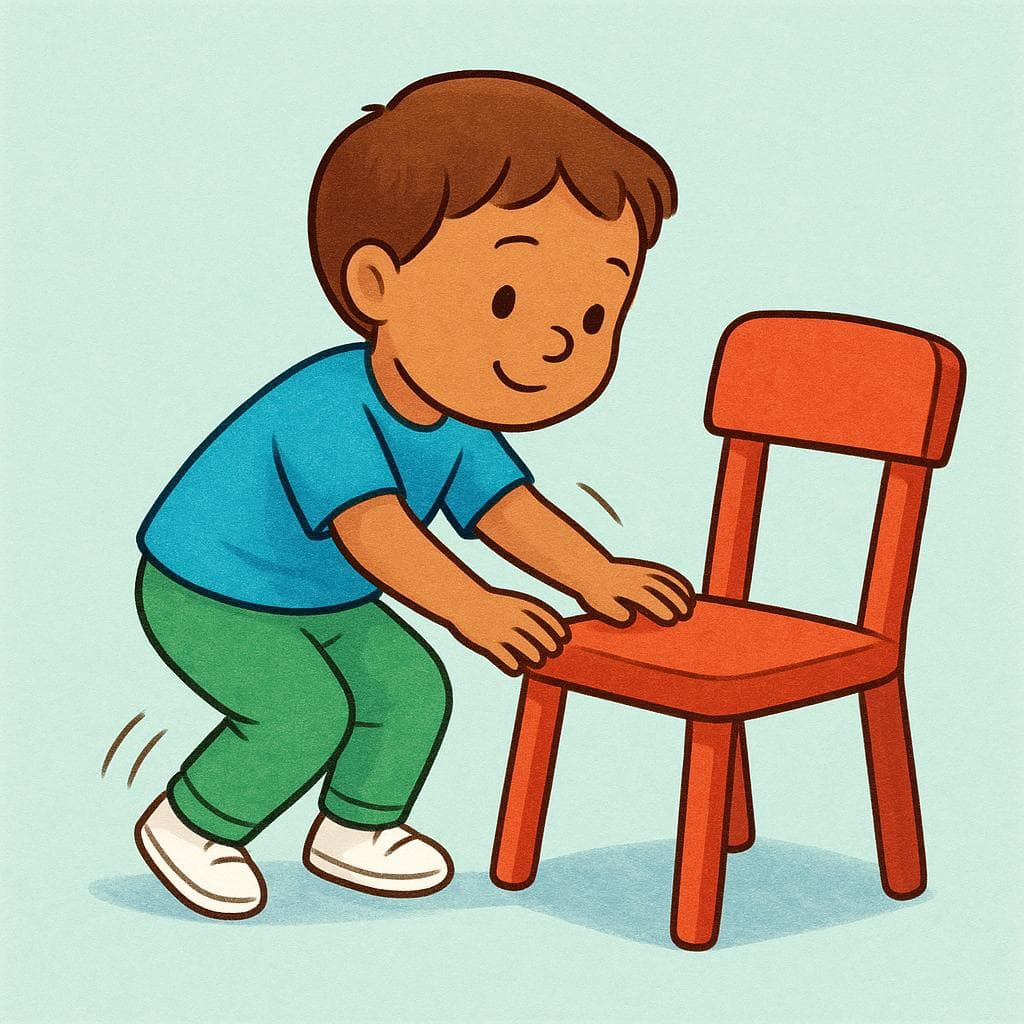
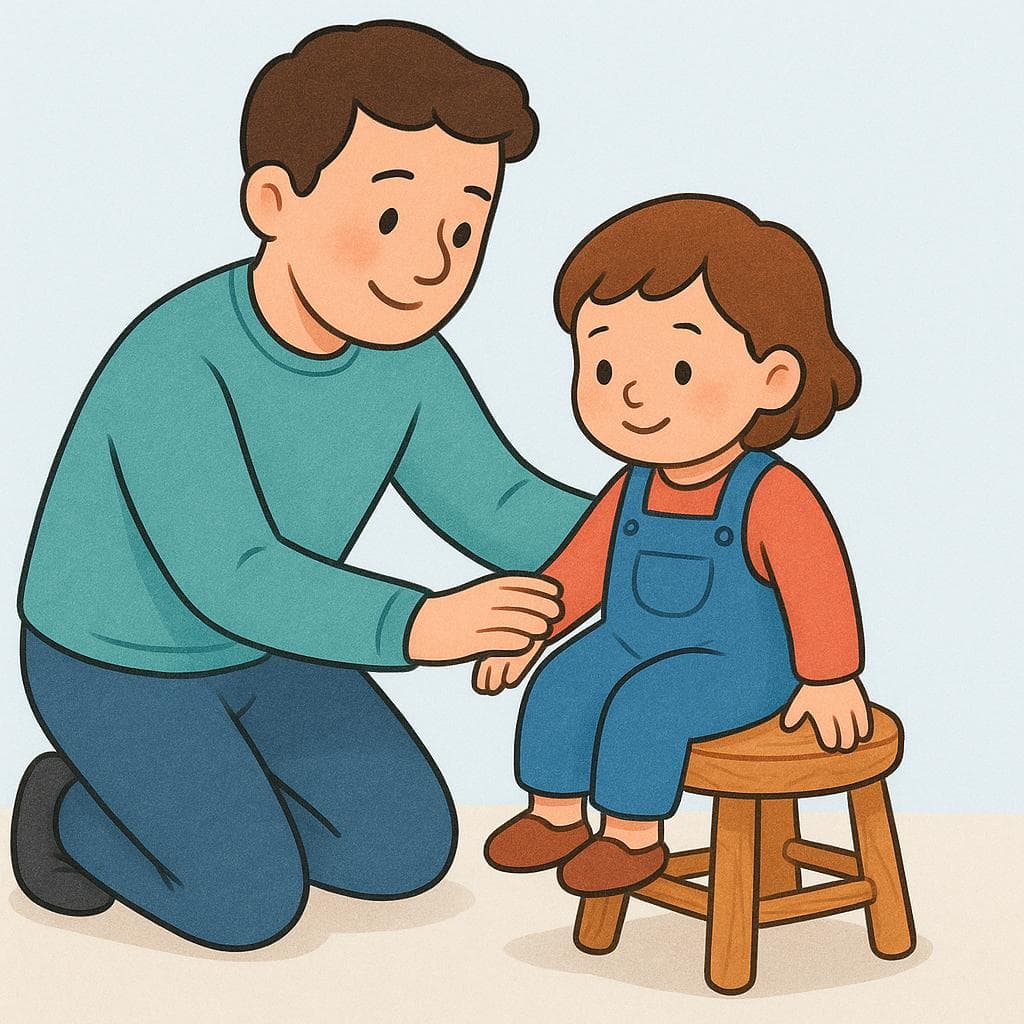

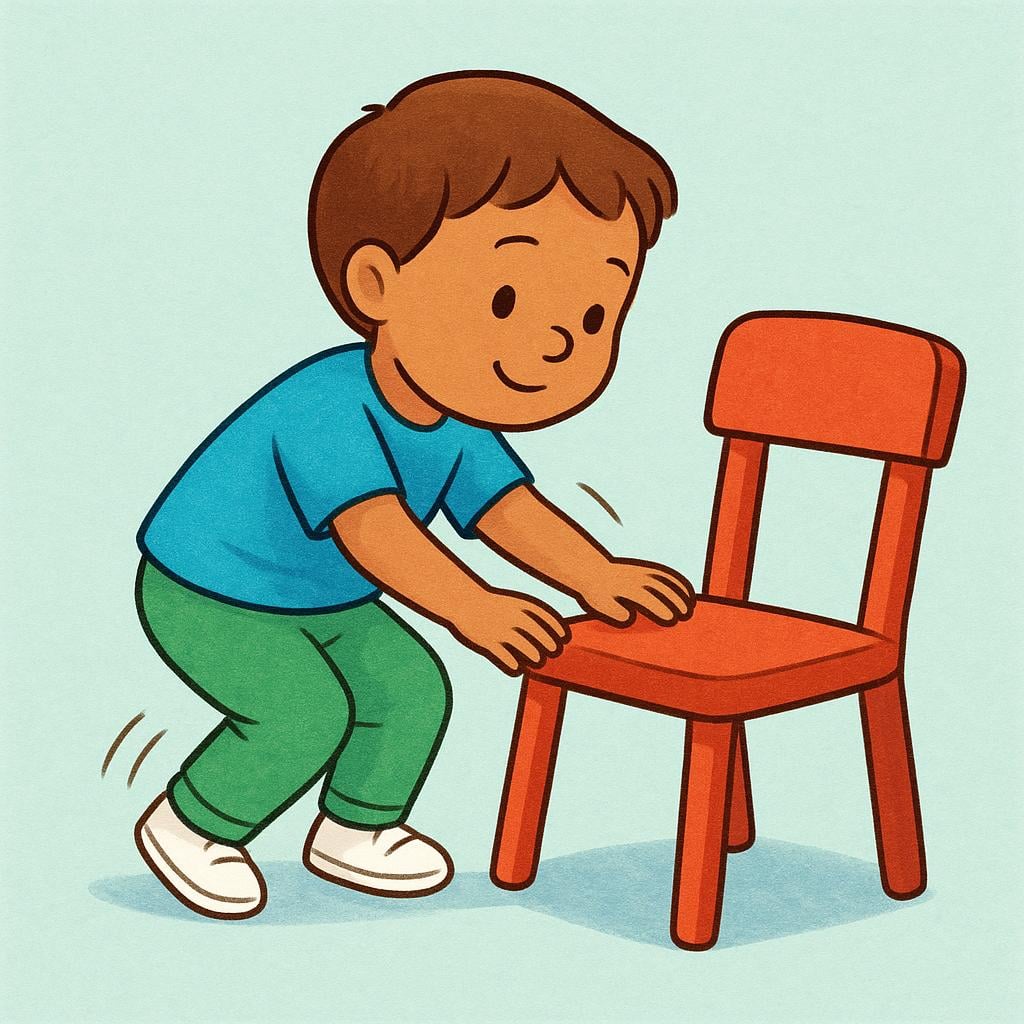
to sit downAlso: to take a seat
📝 In Action
Me siento en la silla porque estoy cansado.
A1I sit down in the chair because I am tired.
Por favor, siéntate aquí. No sientas miedo.
A1Please, sit down here. (Note: The command form is siéntate, using the stem change.)
¿Dónde se sientan los invitados?
A2Where are the guests sitting?
Word Connections
to seatAlso: to place

📝 In Action
El camarero nos sentó en una mesa cerca de la ventana.
A2The waiter seated us at a table near the window.
Mi trabajo es sentar a los invitados.
B1My job is to seat the guests.
Word Connections
to suit, to agree withAlso: to feel right, to establish

📝 In Action
Ese color verde te sienta muy bien.
B1That green color suits you very well.
La comida picante no me sienta bien por la noche.
B1Spicy food doesn't agree with me at night.
El juez sentó un precedente con su decisión.
C1The judge established a precedent with his decision.
Word Connections
Indicative
Present
Imperfect
Preterite
Subjunctive
Present Subjunctive
Imperfect Subjunctive
🔀 Commonly Confused With
Translate to Spanish
Words that translate to "sentar" in Spanish:
🗣️ Practice in a Tongue Twister
✏️ Quick Practice
Quick Quiz: sentar
Question 1 of 2
Which sentence correctly uses the reflexive form of 'sentar'?
📚 More Resources
📚 Etymology
From the Latin verb *sedentāre*, meaning 'to cause to sit' or 'to place'. It shares roots with the English word 'sedentary' (meaning sitting or inactive).
First recorded: Around the 10th century in its ancestor form.
Cognates (Related words)
💡 Master Spanish
Take your Spanish to the next level. Read 200+ illustrated and narrated Spanish stories tailored to your level with the Inklingo app!
Frequently Asked Questions
What is the difference between 'sentar' and 'sentir'?
'Sentar' means 'to sit' or 'to seat someone' (or 'to suit'). 'Sentir' is a different stem-changing verb meaning 'to feel' (emotions or physical sensations). They are often confused because they look similar.
How do I give a command to sit down?
The most common command is the reflexive imperative: 'Siéntate' (informal 'tú') or 'Siéntese' (formal 'usted'). Remember to attach the reflexive pronoun ('te' or 'se') to the end of the verb.