How to Say "to stop" in Spanish
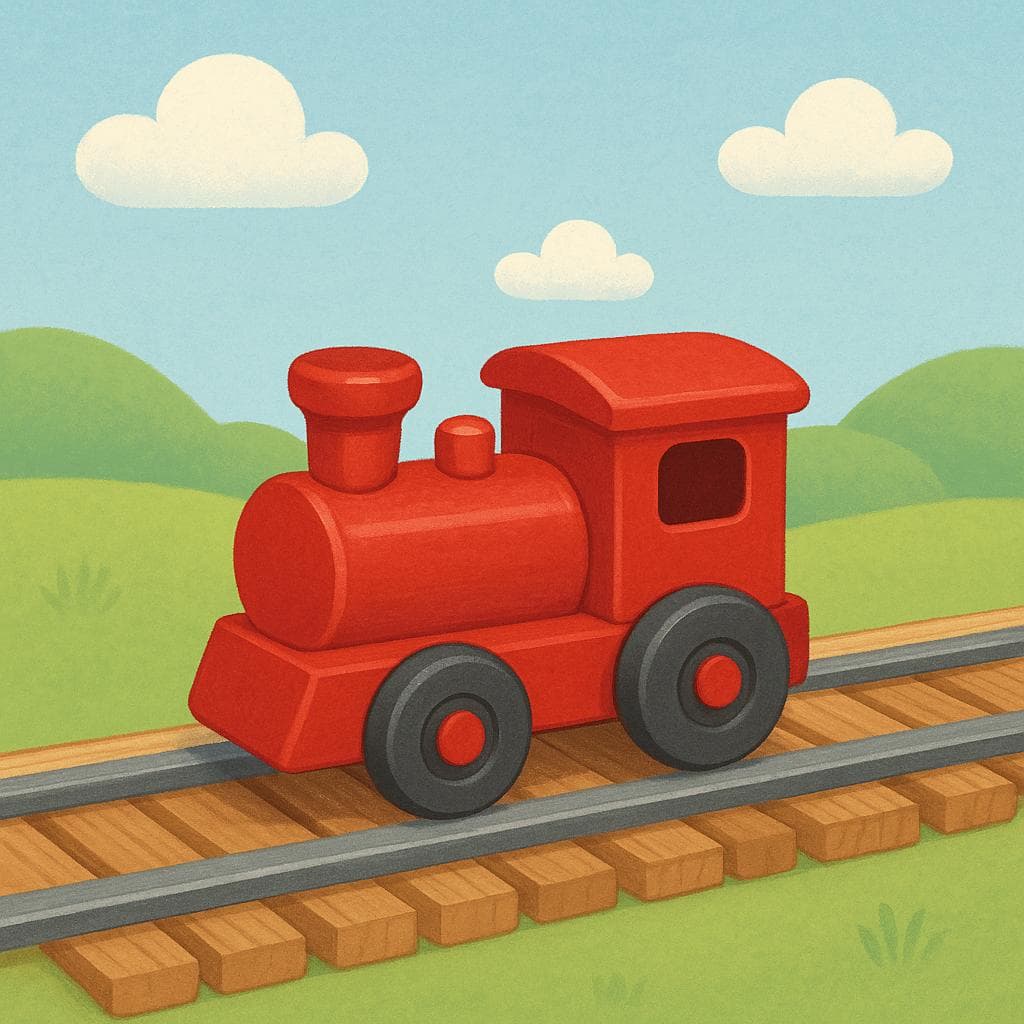
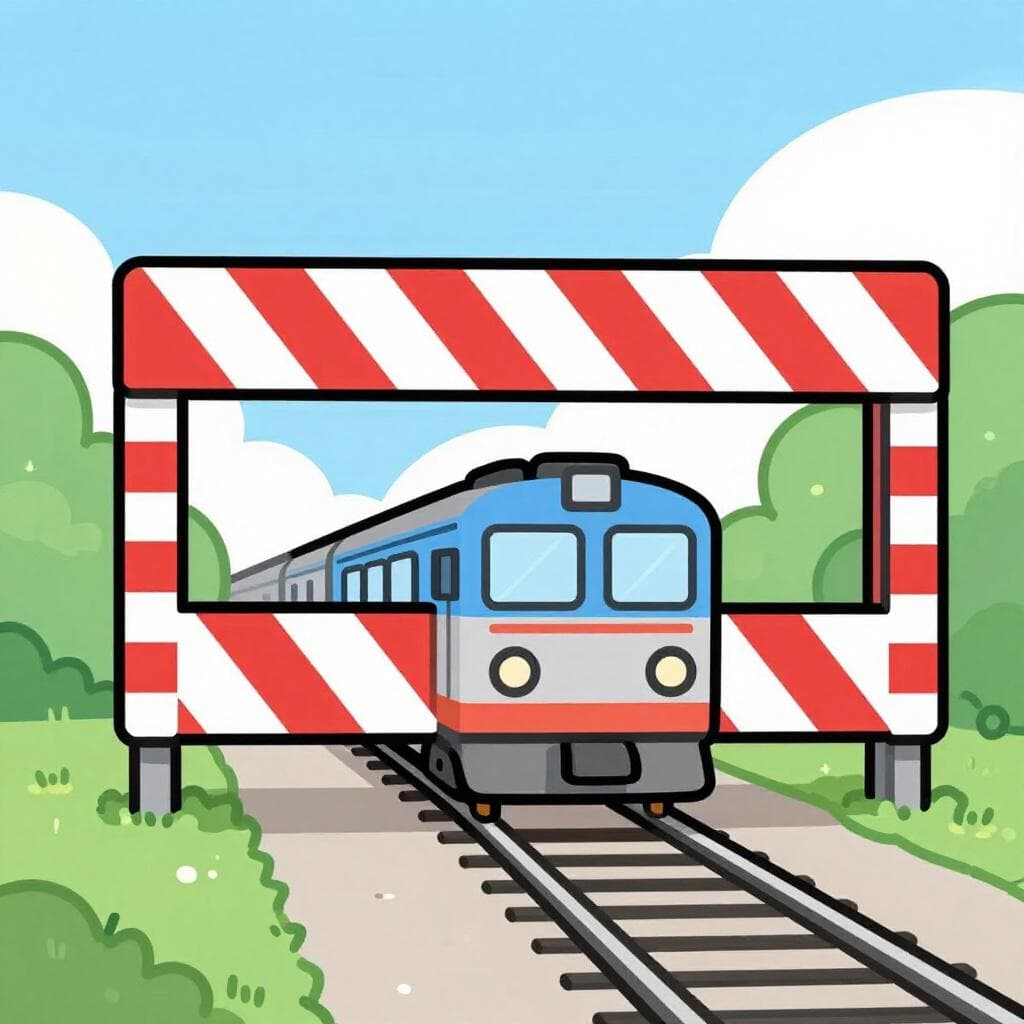
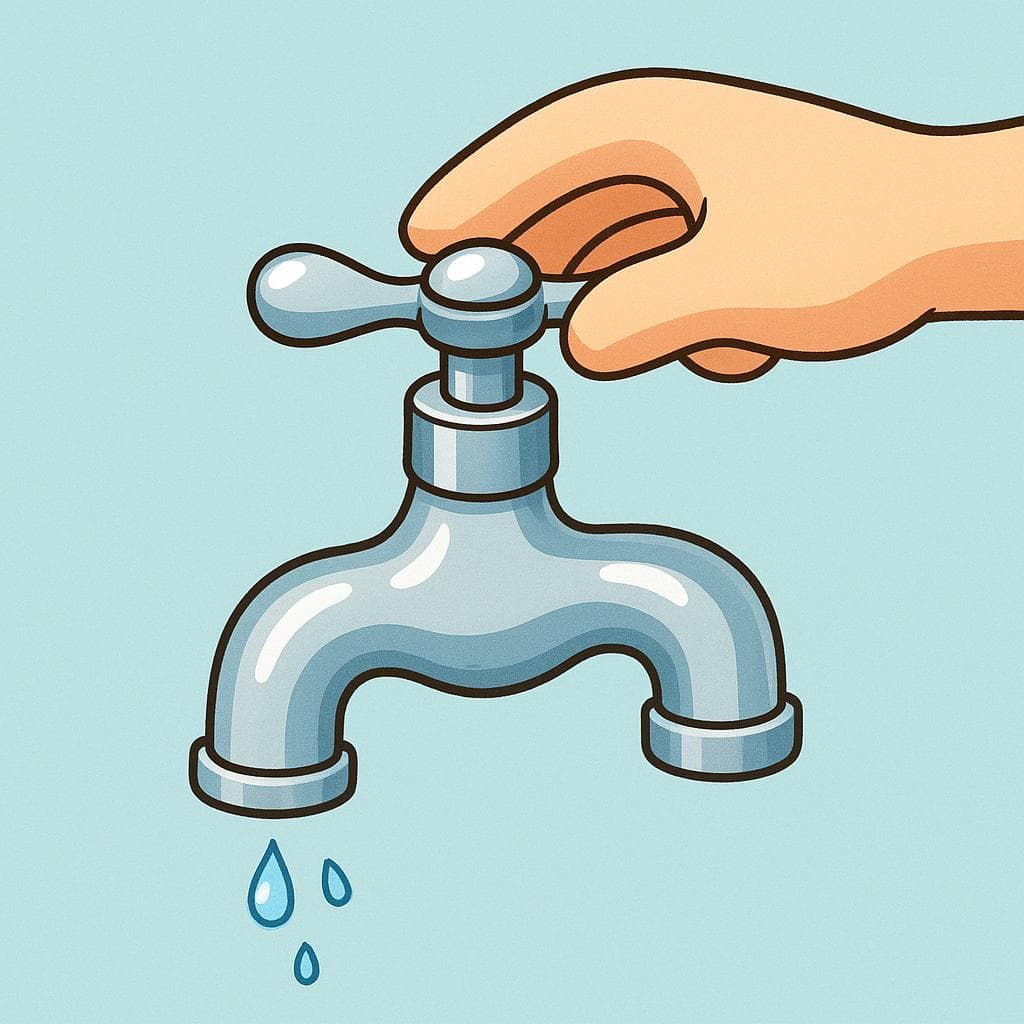
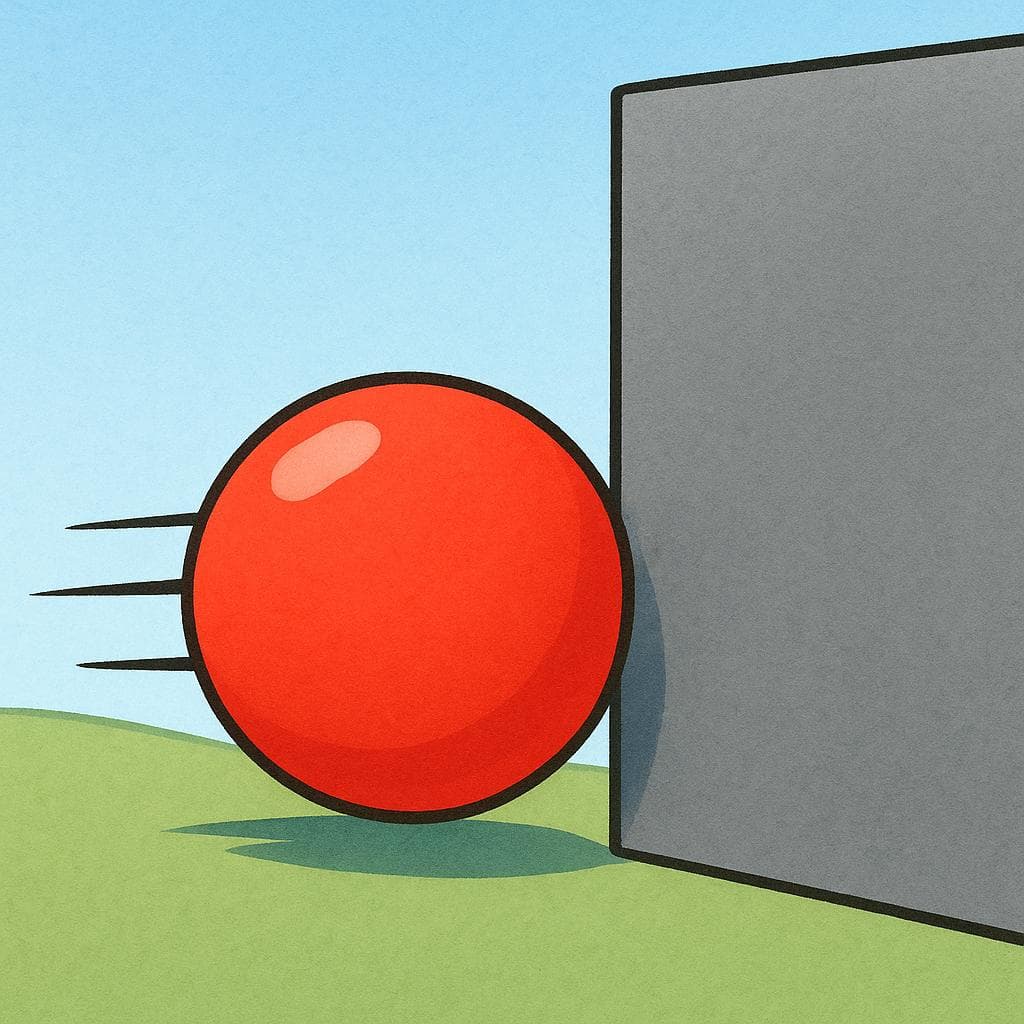
The most common Spanish word for “to stop” is “parar” — use this for the general act of ceasing movement or an action, like a vehicle stopping or someone stopping their activity.


parar
pa-RARpaˈɾaɾ
Examples
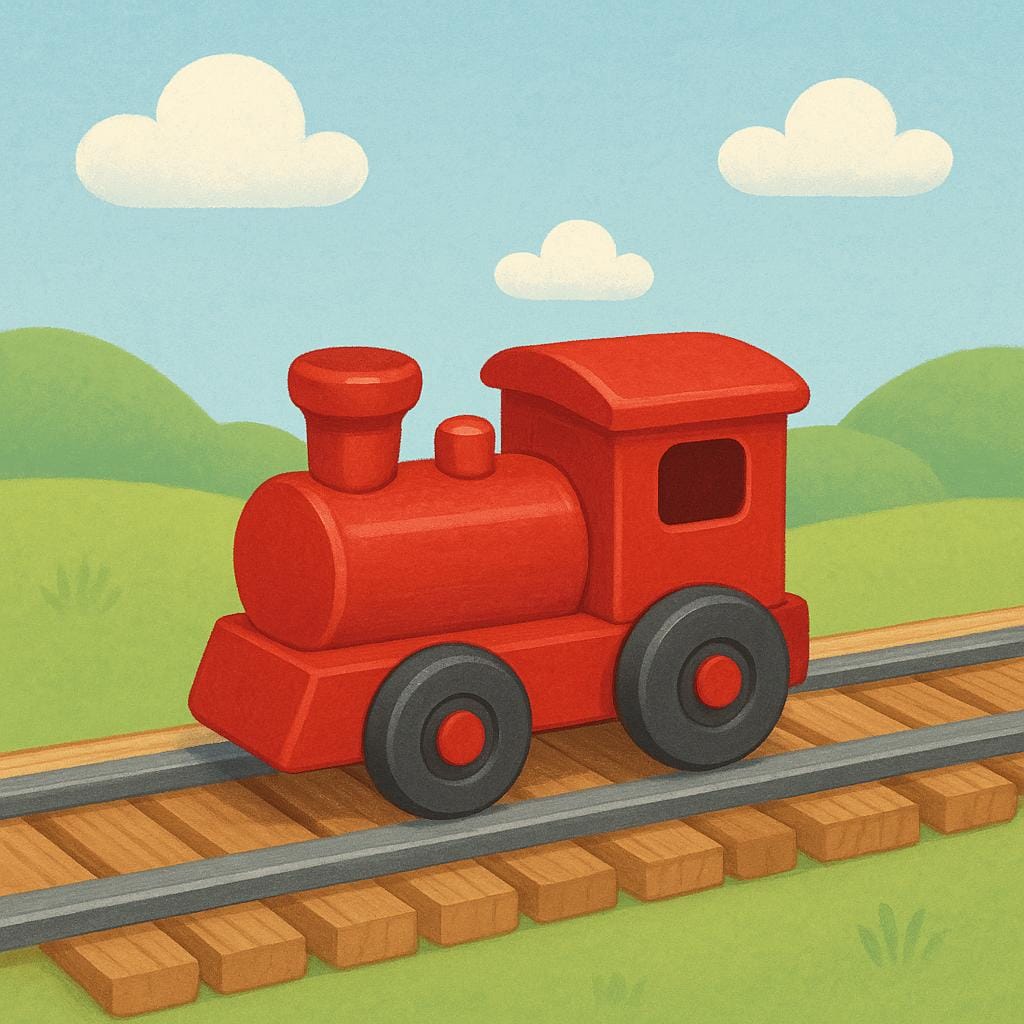
El autobús para en esta esquina.
The bus stops on this corner.
¡Para! Hay un semáforo en rojo.
Stop! There's a red light.
Tienes que parar de hacer tanto ruido.
You have to stop making so much noise.
Cuando entró el profesor, todos los alumnos se pararon.
When the teacher came in, all the students stood up.
Stopping an Action
To say you 'stop doing something', use the structure 'parar de' + the action verb. For example, 'Paré de comer' means 'I stopped eating'.
What's a 'Pronominal Verb'?
It's just a verb where the action reflects back on the person doing it. You show this by adding a little word like 'me', 'te', or 'se' before the verb. So 'pararse' means to stop oneself or to make oneself stand up.
Stopping Yourself vs. Stopping Something Else
Mistake: “'Yo paro el coche' vs. 'Yo me paro'”
Correction: 'Parar' stops an external object ('I stop the car'). 'Pararse' stops yourself ('I stop').
parar
pa-RARpaˈɾaɾ
Examples
Cuando entró el profesor, todos los alumnos se pararon.
When the teacher came in, all the students stood up.
El autobús para en esta esquina.
The bus stops on this corner.
¡Para! Hay un semáforo en rojo.
Stop! There's a red light.
Tienes que parar de hacer tanto ruido.
You have to stop making so much noise.
Stopping an Action
To say you 'stop doing something', use the structure 'parar de' + the action verb. For example, 'Paré de comer' means 'I stopped eating'.
What's a 'Pronominal Verb'?
It's just a verb where the action reflects back on the person doing it. You show this by adding a little word like 'me', 'te', or 'se' before the verb. So 'pararse' means to stop oneself or to make oneself stand up.
Stopping Yourself vs. Stopping Something Else
Mistake: “'Yo paro el coche' vs. 'Yo me paro'”
Correction: 'Parar' stops an external object ('I stop the car'). 'Pararse' stops yourself ('I stop').
detener
deh-teh-NEHRde.teˈneɾ
Examples
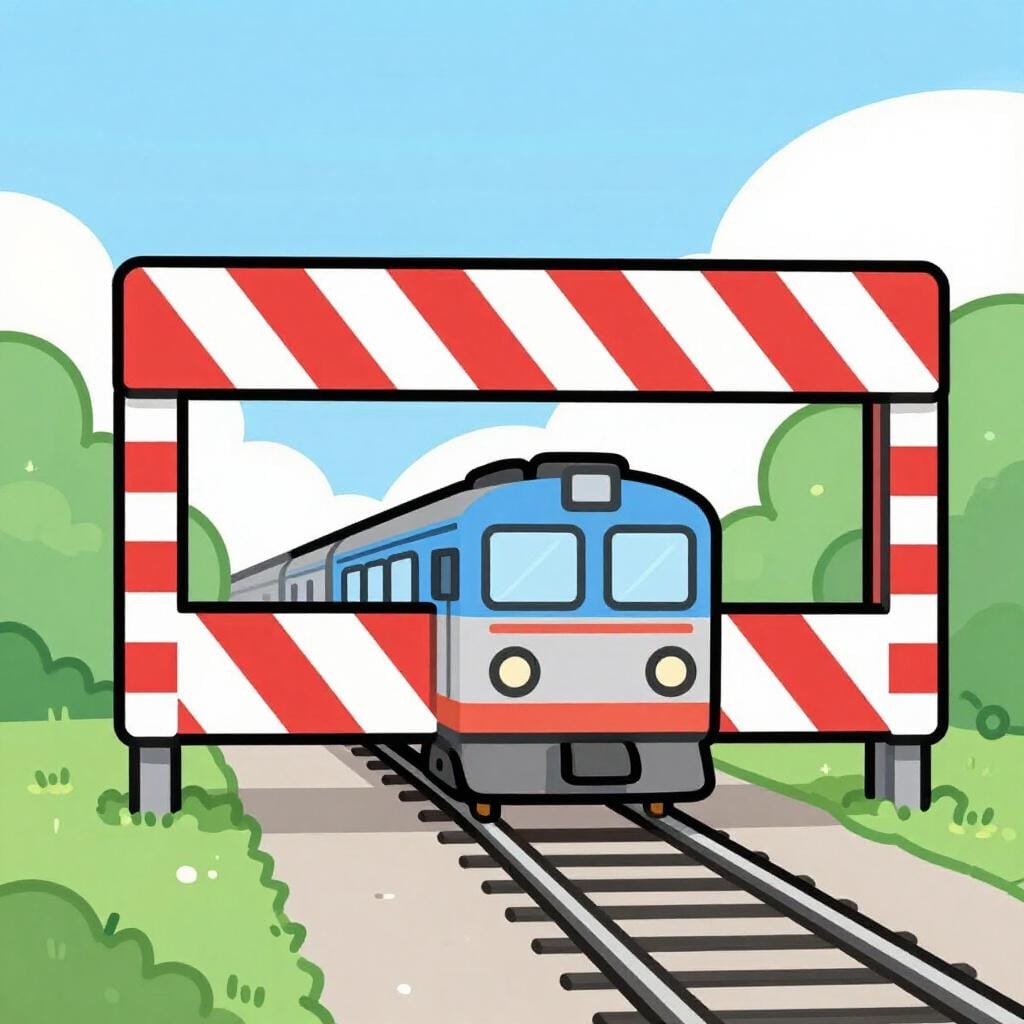
El guardia detuvo el tráfico para que cruzáramos.
The guard stopped the traffic so we could cross.
Detuvimos la producción por falta de material.
We halted the production due to lack of material.
Este muro detiene el viento frío.
This wall holds back the cold wind.
The 'Yo' Form Trick
The 'yo' form in the present tense is irregular: 'detengo'. This happens because it follows the pattern of the verb 'tener' (to have).
Preterite Stem
Mistake: “Using 'detenió' instead of 'detuvo' in the simple past (preterite).”
Correction: The simple past tense (preterite) uses the irregular stem 'detuv-': 'detuve', 'detuviste', 'detuvo', etc.
dejar
de-HARdeˈxaɾ

Examples
Voy a dejar de fumar el próximo mes.
I'm going to stop smoking next month.
¡Deja de quejarte todo el tiempo!
Stop complaining all the time!
Dejó de llover hace una hora.
It stopped raining an hour ago.
The 'dejar de + action' pattern
To talk about stopping an activity, you always need the little word 'de' after 'dejar'. The recipe is: 'dejar de' + the action verb in its original '-ar', '-er', or '-ir' form. 'Dejo de trabajar' (I stop working).
Forgetting 'de'
Mistake: “Quiero dejar fumar.”
Correction: Quiero dejar de fumar. When 'dejar' means 'to stop' or 'to quit' an action, it almost always needs 'de' before the next verb.
cortar
kor-tarkoɾˈtaɾ

Examples
Si no pagas la factura, te cortan el teléfono.
If you don't pay the bill, they will cut off your phone (service).
El presentador cortó la entrevista porque no había tiempo.
The host interrupted the interview because there wasn't time.
La lluvia fuerte cortó la señal de televisión.
The heavy rain cut the TV signal.
Passive Construction
This meaning often appears in the passive voice, describing a failure: 'La luz fue cortada' (The light was cut), or more commonly, 'Se cortó la luz' (The light cut itself/The power went out).
interrumpir
een-teh-rroohm-peerinteˈrrumpiɾ

Examples
La caída del sistema interrumpió la transmisión de datos.
The system crash stopped the data transmission.
El gobierno decidió interrumpir las negociaciones de paz.
The government decided to suspend the peace negotiations.
Tuvimos que interrumpir el rodaje de la película por falta de fondos.
We had to halt the filming of the movie due to lack of funds.
Passive Voice
This meaning is often used in the passive voice, especially when discussing technical issues: 'La electricidad fue interrumpida' (The electricity was interrupted/cut off).
cesar
Examples
La lluvia cesó justo antes de que empezara el partido.
The rain ceased just before the match began.
impedir
im-peh-DEERim.peˈðiɾ
Examples
La lluvia no impidió que saliéramos a correr.
The rain didn't prevent us from going out to run.
Su falta de experiencia le está impidiendo conseguir el ascenso.
His lack of experience is hindering him from getting the promotion.
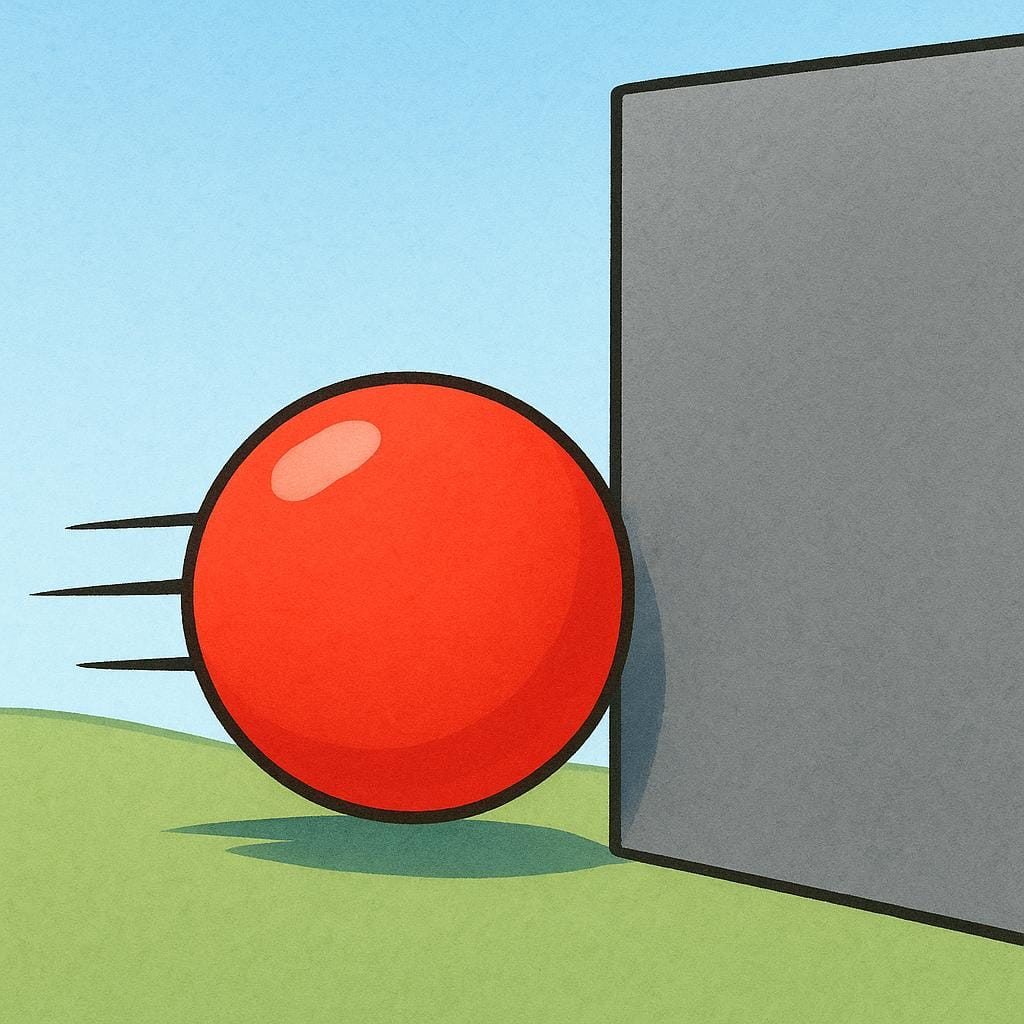
Las nuevas normas impiden el acceso a vehículos pesados.
The new rules block access to heavy vehicles.
Using 'que' and the Special Verb Form
When you use 'impedir' to prevent someone else from doing something, you usually follow it with 'que' and the special verb form (the subjunctive). Example: 'Impidieron que yo entrara.' (They prevented me from entering).
The 'e' to 'i' Change
In many present tense forms, the 'e' in the middle of the verb stem changes to an 'i'. Think of it as 'i-mpide' instead of 'e-mpede'. This change also happens in the present subjunctive.
Forgetting the Stem Change
Mistake: “Yo *empedo* (Incorrect present tense)”
Correction: Yo *impido* (Correct present tense). Remember the 'e' becomes 'i' when the stress falls on that syllable.
Using the Wrong Mood
Mistake: “Impidió que ellos *salieron*.”
Correction: Impidió que ellos *salieran*. (The action being prevented requires the special verb form, the subjunctive, after 'que'.)
Parar vs. Detener for Movement
Learn Spanish with Inklingo
Interactive stories, personalized learning, and more.