How to Say "to quit" in Spanish
The most common Spanish word for “to quit” is “dejar” — use 'dejar' when referring to ceasing an activity or habit, often followed by 'de' and an infinitive or noun.


dejar
de-HARdeˈxaɾ

Examples
Voy a dejar de fumar el próximo mes.
I'm going to stop smoking next month.
¡Deja de quejarte todo el tiempo!
Stop complaining all the time!
Dejó de llover hace una hora.
It stopped raining an hour ago.
The 'dejar de + action' pattern
To talk about stopping an activity, you always need the little word 'de' after 'dejar'. The recipe is: 'dejar de' + the action verb in its original '-ar', '-er', or '-ir' form. 'Dejo de trabajar' (I stop working).
Forgetting 'de'
Mistake: “Quiero dejar fumar.”
Correction: Quiero dejar de fumar. When 'dejar' means 'to stop' or 'to quit' an action, it almost always needs 'de' before the next verb.
parar
pa-RARpaˈɾaɾ
Examples
El autobús para en esta esquina.
The bus stops on this corner.
¡Para! Hay un semáforo en rojo.
Stop! There's a red light.
Tienes que parar de hacer tanto ruido.
You have to stop making so much noise.
Stopping an Action
To say you 'stop doing something', use the structure 'parar de' + the action verb. For example, 'Paré de comer' means 'I stopped eating'.
Stopping Yourself vs. Stopping Something Else
Mistake: “'Yo paro el coche' vs. 'Yo me paro'”
Correction: 'Parar' stops an external object ('I stop the car'). 'Pararse' stops yourself ('I stop').
abandonar
ah-bahn-doh-NAHRa.βan.doˈnaɾ
Examples
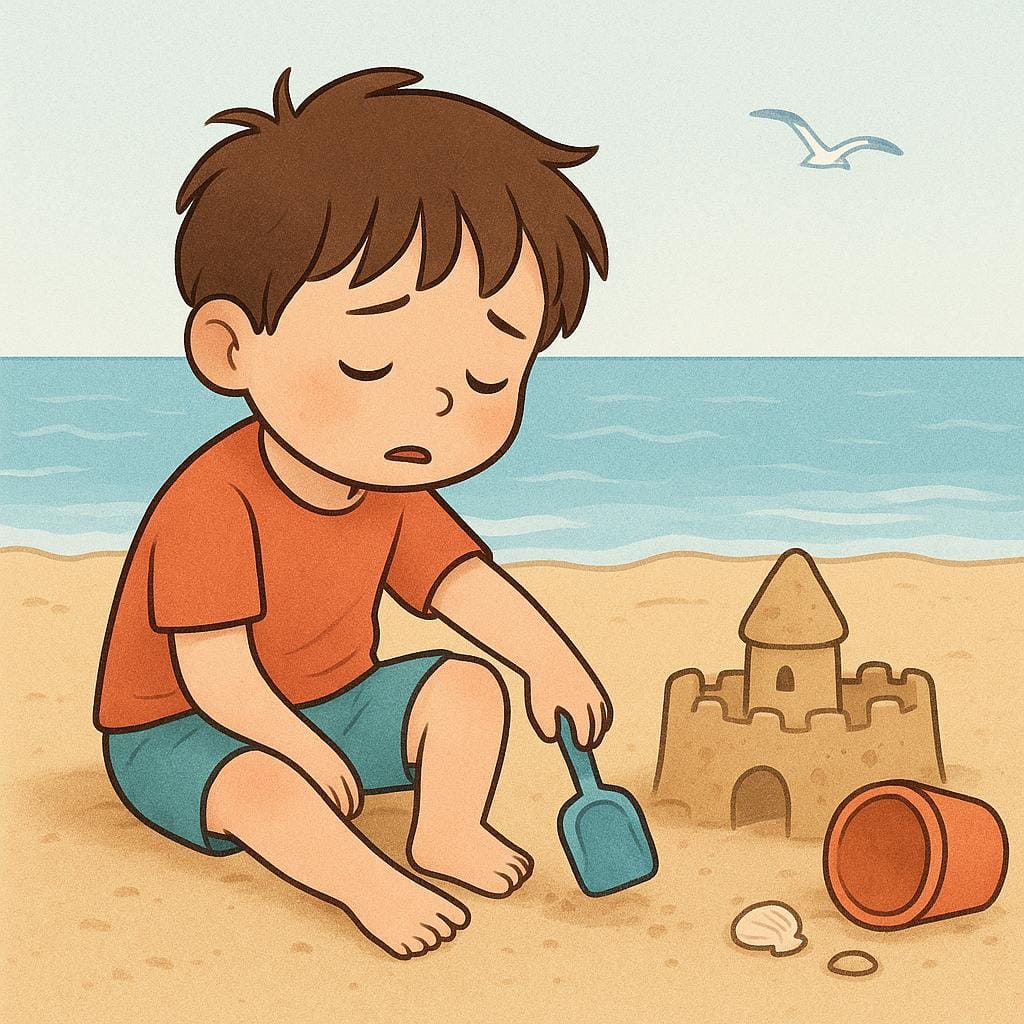
Nunca debes abandonar tus sueños.
You should never give up on your dreams.
El corredor tuvo que abandonar la carrera por una lesión.
The runner had to drop out of the race due to an injury.
Muchos estudiantes abandonan la universidad en el primer año.
Many students quit university in the first year.
Preposition Use
When 'abandonar' means 'to give up on' something abstract, it usually takes a direct object, unlike English which often uses 'on'.
dejarme
de-HAR-medeˈxaɾme

Examples
No quiero dejarme llevar por la pereza.
I don't want to let myself be carried away by laziness.
Después de la boda, empecé a dejarme un poco.
After the wedding, I started to let myself go a little (neglect my appearance/health).
Voy a dejarme de chismes y a concentrarme en mi trabajo.
I am going to stop the gossip and concentrate on my work.
The Reflexive Meaning
When 'dejar' is used with 'me' (or 'se', 'te', etc.) and changes to 'dejarse,' the action is done to oneself. It often implies a lack of resistance or self-control.
Quitting Habits
To say 'I am going to stop doing X,' you often use 'Voy a dejarme de X' (B2/C1 usage). This structure is more focused on stopping a personal habit or behavior.
Confusing Transitive vs. Reflexive
Mistake: “Quiero dejarme el libro. (I want to allow myself the book.)”
Correction: Quiero dejar el libro. (I want to leave the book.) or 'Quiero que me dejes el libro.' (I want you to lend me the book.)
desertar
deh-sehr-TAHRdeseɾˈtaɾ
Examples
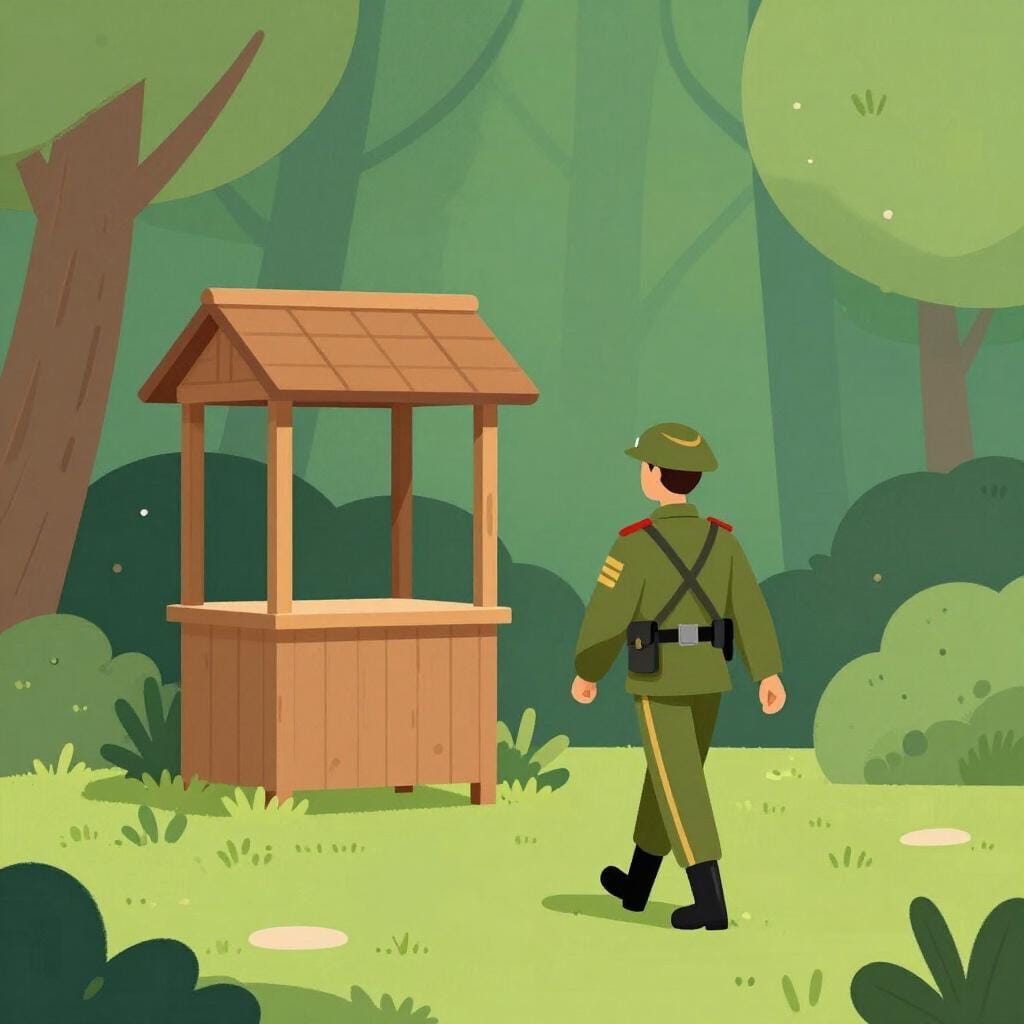
El soldado decidió desertar a mitad de la noche.
The soldier decided to desert in the middle of the night.
Muchos científicos desertaron de su país para trabajar en el extranjero.
Many scientists defected from their country to work abroad.
No es fácil desertar de una organización tan poderosa.
It is not easy to quit such a powerful organization.
Using 'de' with Desertar
When you want to say WHAT you are deserting or quitting, you almost always need the word 'de' afterwards. For example: 'Desertar de la causa' (To desert the cause).
Stem-changing Pattern
Even though it's an -ar verb, it has a tiny change: the 'e' becomes 'ie' when you stress that part of the word (like in 'yo desierto').
Forgetting the 'de'
Mistake: “Él desertó el ejército.”
Correction: Él desertó del ejército. In Spanish, you desert 'from' the place or group.
Choosing between 'dejar' and 'parar'
Related Translations
Learn Spanish with Inklingo
Interactive stories, personalized learning, and more.