How to Say "to leave" in Spanish
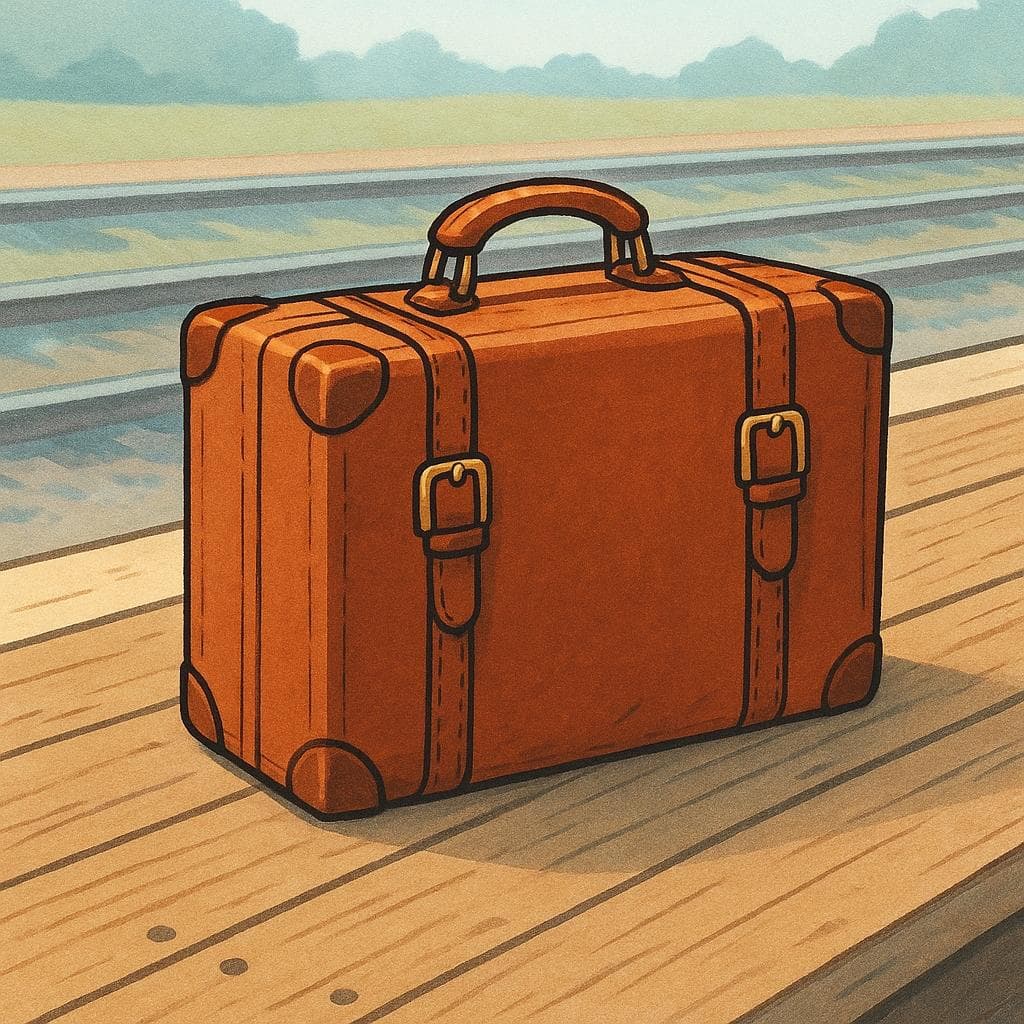
The most common Spanish word for “to leave” is “dejar” — use 'dejar' when you are placing an object somewhere or leaving a person behind, not when you are departing from a location yourself.









dejar
de-HARdeˈxaɾ
Examples
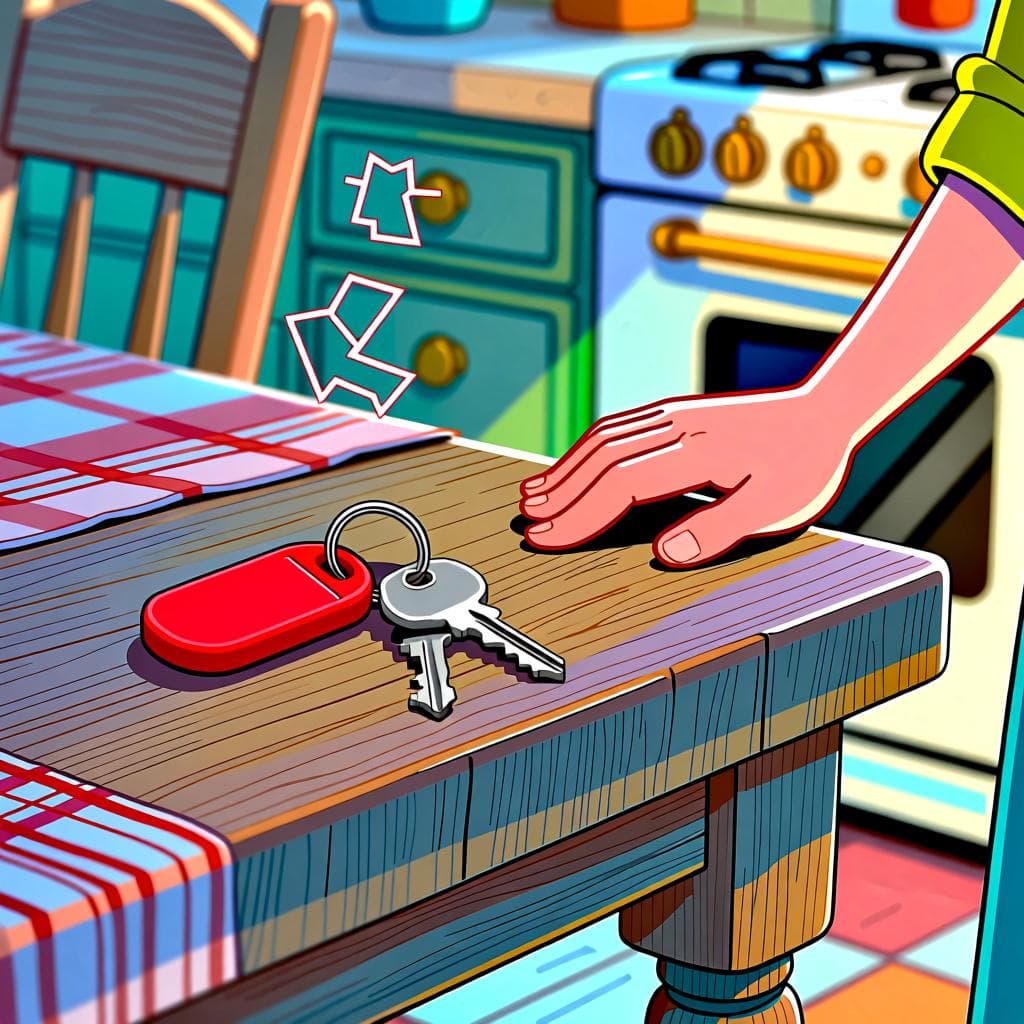
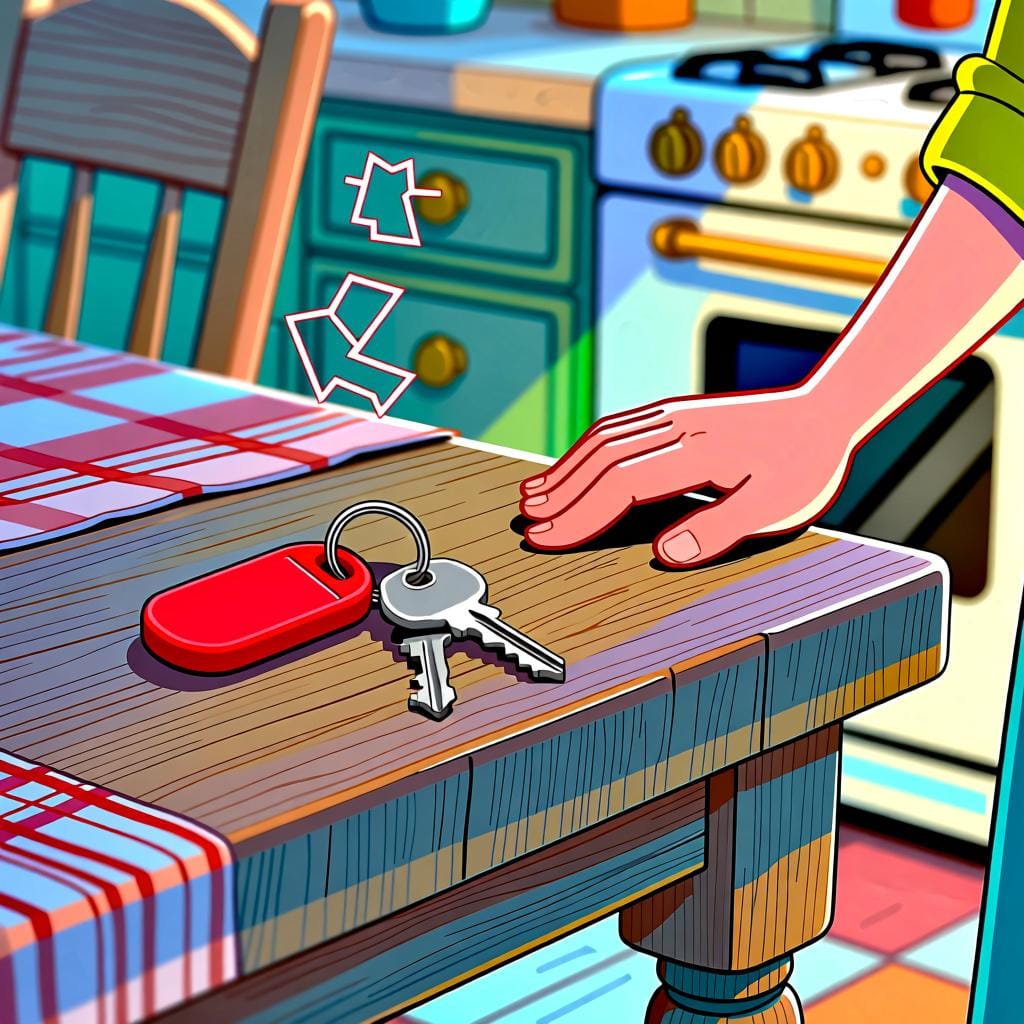
Dejé mis llaves en la mesa de la cocina.
I left my keys on the kitchen table.
Por favor, deja los zapatos en la entrada.
Please, leave the shoes at the entrance.
Mi hermano me dejó en el aeropuerto.
My brother dropped me off at the airport.
Confusing 'dejar' and 'salir'
Mistake: “Quiero dejar la fiesta ahora. (I want to leave the party now.)”
Correction: Quiero salir de la fiesta ahora. Use 'salir' when you mean a person is leaving a place. Use 'dejar' when you mean leaving an object or person behind.
irse
EER-sehˈiɾse

Examples
Me voy a casa ahora.
I'm leaving for home now.
Se fueron de la fiesta muy temprano.
They left the party very early.
Si no te gusta, ¡vete!
If you don't like it, leave!
What's the 'se' for? ('ir' vs. 'irse')
Think of 'ir' as 'to go' (destination is key) and 'irse' as 'to go away' or 'to leave' (departure is key). For example, 'Voy a la tienda' (I'm going to the store) vs. 'Me voy de la tienda' (I'm leaving from the store).
Where does the little pronoun go?
The pronoun (me, te, se, etc.) usually goes right before the verb: 'Me voy'. But for commands or when attached to the verb's base form, it hooks onto the end: '¡Vete!' (Leave!) or 'Necesito irme' (I need to leave).
Forgetting the 'se' part when leaving
Mistake: “Yo voy de la oficina a las cinco.”
Correction: Yo me voy de la oficina a las cinco. (I leave the office at five.) To talk about leaving a place, you need 'irse', not just 'ir'.
ir
eeriɾ

Examples
Ya es tarde, me voy.
It's late, I'm leaving.
¿A qué hora te fuiste de la fiesta?
What time did you leave the party?
¡Vámonos! El tren está a punto de salir.
Let's go! The train is about to leave.
What's a Pronominal Verb?
It's just a verb that needs a little extra word (me, te, se, nos, os, se) to work. For 'ir', adding this word changes the meaning from 'to go' to 'to leave'.
Forgetting the 'se'
Mistake: “'Él va de la fiesta.' (This sounds like he is going *from* the party to somewhere else).”
Correction: 'Él se va de la fiesta.' (He is leaving the party). To say someone is leaving, you need that little 'se' word.
salir
sah-LEERsaˈliɾ

Examples
Salgo de casa a las ocho de la mañana.
I leave home at eight in the morning.
¿Quieres salir a cenar esta noche?
Do you want to go out for dinner tonight?
El tren sale de la estación en cinco minutos.
The train leaves the station in five minutes.
Always Use 'de' for 'from'
When you say you're leaving from a specific place, you always need to use 'de'. For example, 'Salgo de la oficina' (I'm leaving from the office).
The Irregular 'yo' Form
Watch out for the present tense! For 'I leave,' it's not 'salo,' it's 'salgo.' This 'g' also shows up in other forms, like commands ('salga') and wishes ('espero que salgas').
Using 'Salir' vs. 'Dejar'
Mistake: “Dejo la casa a las 8.”
Correction: Salgo de la casa a las 8. Use 'salir' when a person is leaving a place. Use 'dejar' when you leave an object somewhere, like 'Dejo mis llaves en la mesa' (I leave my keys on the table).
irme
EER-mehˈiɾme

Examples
Tengo que irme ahora.
I have to leave now.
No quiero irme todavía.
I don't want to leave yet.
Decidí irme de la fiesta temprano.
I decided to leave the party early.
'Ir' vs. 'Irse': Going vs. Leaving
Think of 'ir' as 'to go TO a place' (destination). Think of 'irse' as 'to go FROM a place' (departure). The little 'se' part signals you're leaving. So, 'Voy al cine' means 'I'm going to the movies.' But 'Me voy del cine' means 'I'm leaving from the movies.'
What is 'irme'?
'Irme' is a combo of the base verb 'ir' (to go) and the pronoun 'me' (myself). You use this 'infinitive' form after another verb, like 'Quiero irme' (I want to leave) or 'Tengo que irme' (I have to leave).
Forgetting the 'me/te/se' Part
Mistake: “To say 'I'm leaving the party,' a learner might say: 'Yo voy de la fiesta.'”
Correction: The correct way is: 'Yo me voy de la fiesta.' To say you're leaving, you always need the little word (me, te, se, etc.) that matches who is doing the leaving.
irnos
EER-nohs'iɾnos

Examples
Tenemos que irnos ya.
We have to leave now.
Es hora de irnos a casa.
It's time for us to go home.
No queremos irnos de la fiesta.
We don't want to leave the party.
Verb + 'nos' = Action for 'Us'
'Irnos' is a combo of the verb 'ir' (to go) and the little word 'nos' (us). Sticking 'nos' on the end shows that 'we' are the ones doing the leaving. It turns 'to go' into 'to leave'.
The Difference Between 'Ir' and 'Irse'
Use 'ir' when you're talking about going TO a destination ('Vamos a la playa'). Use 'irse' (which becomes 'irnos' for 'we') when you're talking about leaving FROM a place ('Nos vamos de la oficina'). It's all about departure vs. arrival.
Where to Put 'nos'
Mistake: “Incorrect: 'Queremos nos ir de la fiesta.'”
Correction: Correct: 'Queremos irnos de la fiesta.' The 'nos' can stick to the end of the basic verb form. You can also put it before the first verb: 'Nos queremos ir de la fiesta.'
marcharse
mar-CHAR-sehmaɾˈtʃaɾ.se

Examples
Me marcho ahora, tengo que trabajar.
I'm leaving now, I have to work.
¿Cuándo se marcharon ellos de la fiesta?
When did they leave the party?
Si no te gusta el trato, puedes marcharte cuando quieras.
If you don't like the deal, you can go away whenever you want.
The 'Self' Verb
Marcharse is a reflexive verb, meaning the action (leaving) is focused on the subject (the person leaving). The little word (me, te, se, etc.) is essential and changes with who is leaving.
The Stress Mark on Commands
When you attach the pronoun to an affirmative command (like 'márchate'), you usually need a written accent (tílde) to keep the stress on the correct syllable.
Forgetting the 'se'
Mistake: “Yo marcho tarde.”
Correction: Yo me marcho tarde. (Using 'marchar' without 'se' means 'to march' or 'to function/work').
Pronoun Placement
Mistake: “Me voy a marchar.”
Correction: Voy a marcharme. (When used with another verb like 'ir a', you can attach the pronoun to the end of the infinitive or put it before the conjugated verb.)
marcharme
mar-CHAR-mehmaɾˈtʃaɾme

Examples
Necesito marcharme ahora mismo o perderé el tren.
I need to leave right now or I will miss the train.
Antes de marcharme, quiero despedirme de todos.
Before leaving, I want to say goodbye to everyone.
Si decides marcharme, avísame con tiempo.
If you decide I should go, let me know ahead of time. (Note: This is a highly specific, less common construction where 'decides' governs 'marcharme'.)
Reflexive Infinitive Structure
The word 'marcharme' is the base verb 'marchar' plus the pronoun 'me'. This means the action of leaving ('marchar') is done by and directed back at the speaker ('me').
Pronoun Placement
When using the infinitive form, the 'me' is attached to the end (marcharme). If you conjugate the verb, the 'me' moves to the front: 'Yo me marcho' (I leave).
Missing the 'Me'
Mistake: “Quiero marchar.”
Correction: Quiero marcharme. When 'marchar' means 'to leave,' it almost always needs the reflexive pronoun ('-se' or '-me'). 'Marchar' alone usually means 'to march' or 'to function.'
partir
par-TEERpaɾˈtiɾ

Examples
El tren a Sevilla parte a las siete en punto.
The train to Seville leaves exactly at seven o'clock.
¿A qué hora partimos de la casa mañana?
What time are we leaving the house tomorrow?
Partieron rumbo al norte en busca de nuevas tierras.
They set off toward the north in search of new lands.
Using Prepositions
When talking about leaving a place, 'partir' is often followed by 'de' (from) or 'desde' (from/since), or 'a/para' (to/for) when stating the destination.
Confusing 'Partir' and 'Dejar'
Mistake: “Voy a dejar de aquí.”
Correction: Voy a partir de aquí. ('Dejar' means to leave an object behind or to allow someone to do something.)
abandonar
ah-bahn-doh-NAHRa.βan.doˈnaɾ
Examples
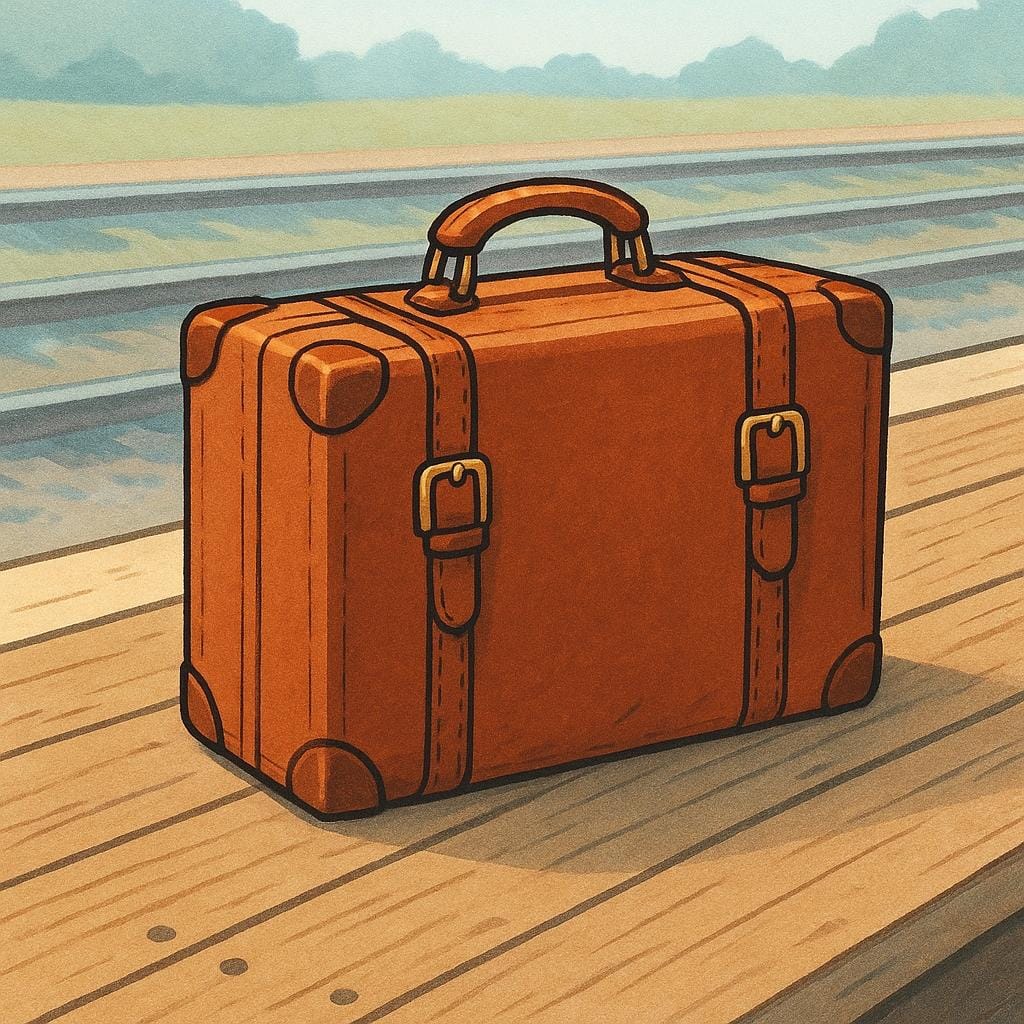
El perro fue abandonado en la carretera.
The dog was abandoned on the highway.
Ella decidió abandonar su casa después del divorcio.
She decided to leave her house after the divorce.
No podemos abandonar el proyecto a mitad de camino.
We cannot abandon the project halfway through.
Direct Object
The thing or person being abandoned immediately follows the verb, without needing 'a' unless it's a person (the personal 'a').
Confusing 'Abandonar' and 'Dejar'
Mistake: “Usando 'Abandonar mi libro' (Abandon my book) when you mean 'Dejar mi libro' (Leave my book temporarily).”
Correction: 'Abandonar' implies permanence or neglect. Use 'dejar' for temporary or casual leaving.
marcharte
mar-CHAR-tehmaɾˈtʃaɾte

Examples
¿A qué hora quieres marcharte?
What time do you want to leave?
No puedes marcharte sin decir adiós.
You can't leave without saying goodbye.
Siento mucho verte marcharte tan pronto.
I'm very sorry to see you leave so soon.
The 'te' at the end
In Spanish, we stick the word 'te' (which means 'you') to the end of the action word when it's the base form. It shows that you are the one performing the action on yourself.
Using 'marchar' vs 'marcharse'
While 'marchar' can mean to march like a soldier, adding the 'te' (making it 'marcharse') changes the meaning to 'leaving' or 'going away'.
Don't forget the 'te'
Mistake: “Saying 'Quieres marchar' to mean 'You want to leave'.”
Correction: Say 'Quieres marcharte'. Without the 'te', it sounds like you are asking if they want to join a military parade!
Departing vs. Setting Down
Learn Spanish with Inklingo
Interactive stories, personalized learning, and more.