abandonar
“abandonar” means “to abandon” in Spanish. It has 3 different meanings depending on context:
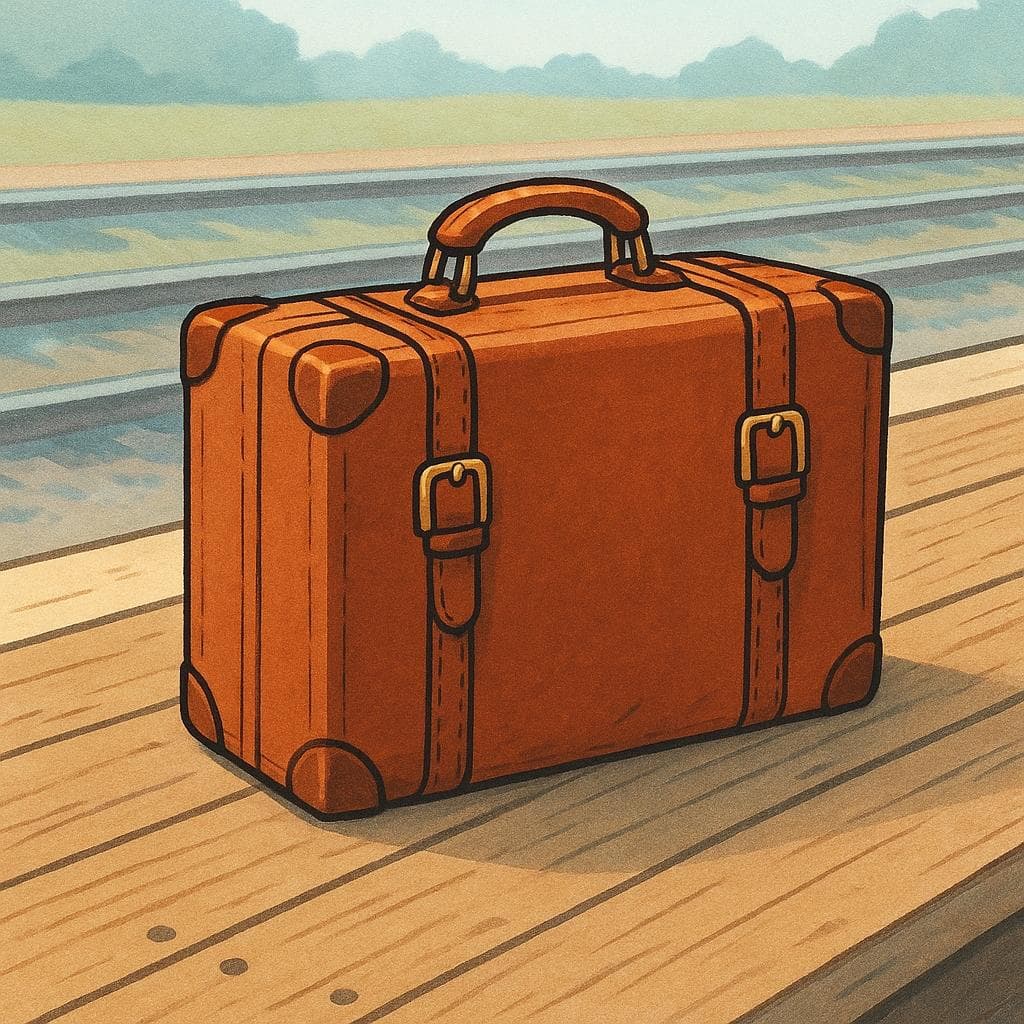
to abandon, to leaveAlso: to desert

📝 In Action
El perro fue abandonado en la carretera.
A2The dog was abandoned on the highway.
Ella decidió abandonar su casa después del divorcio.
B1She decided to leave her house after the divorce.
No podemos abandonar el proyecto a mitad de camino.
B1We cannot abandon the project halfway through.
Word Connections
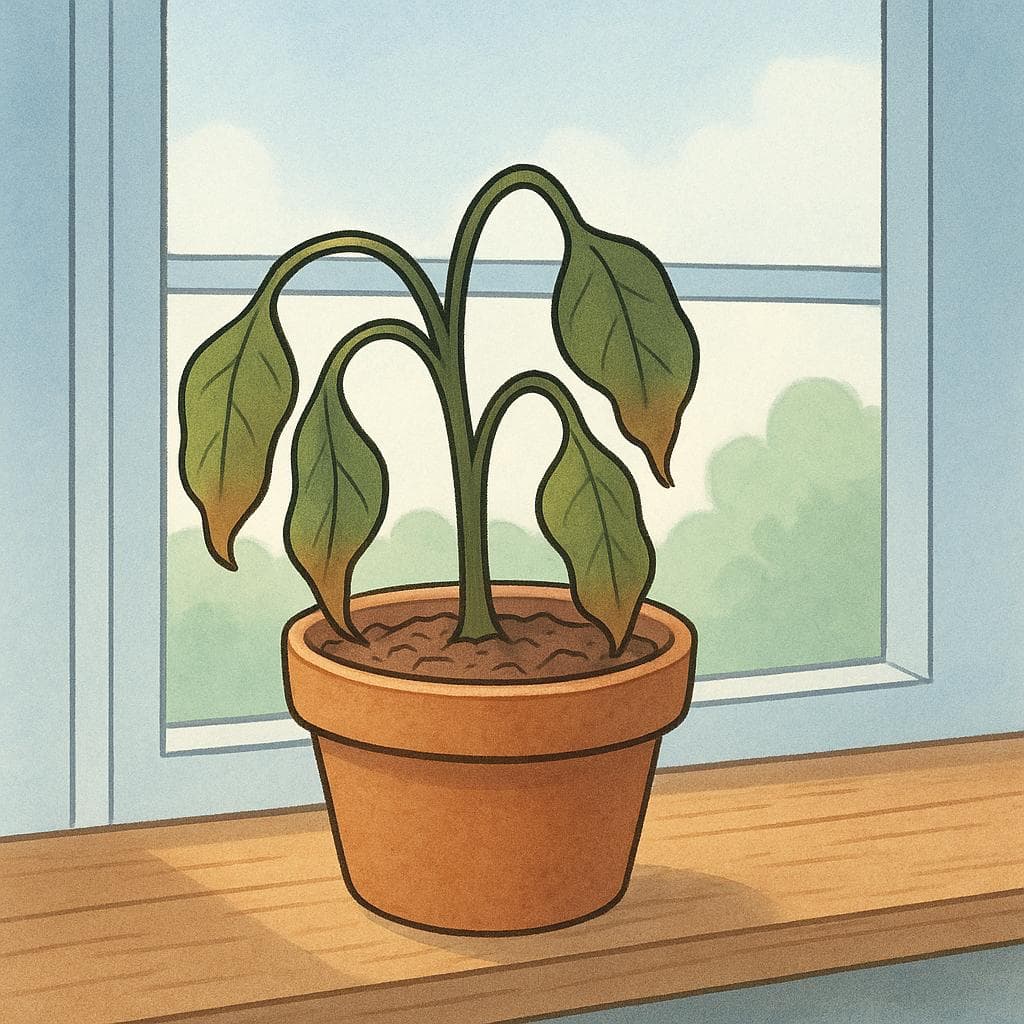
to give up, to quitAlso: to drop out
📝 In Action
Nunca debes abandonar tus sueños.
B1You should never give up on your dreams.
El corredor tuvo que abandonar la carrera por una lesión.
B2The runner had to drop out of the race due to an injury.
Muchos estudiantes abandonan la universidad en el primer año.
B2Many students quit university in the first year.
Word Connections
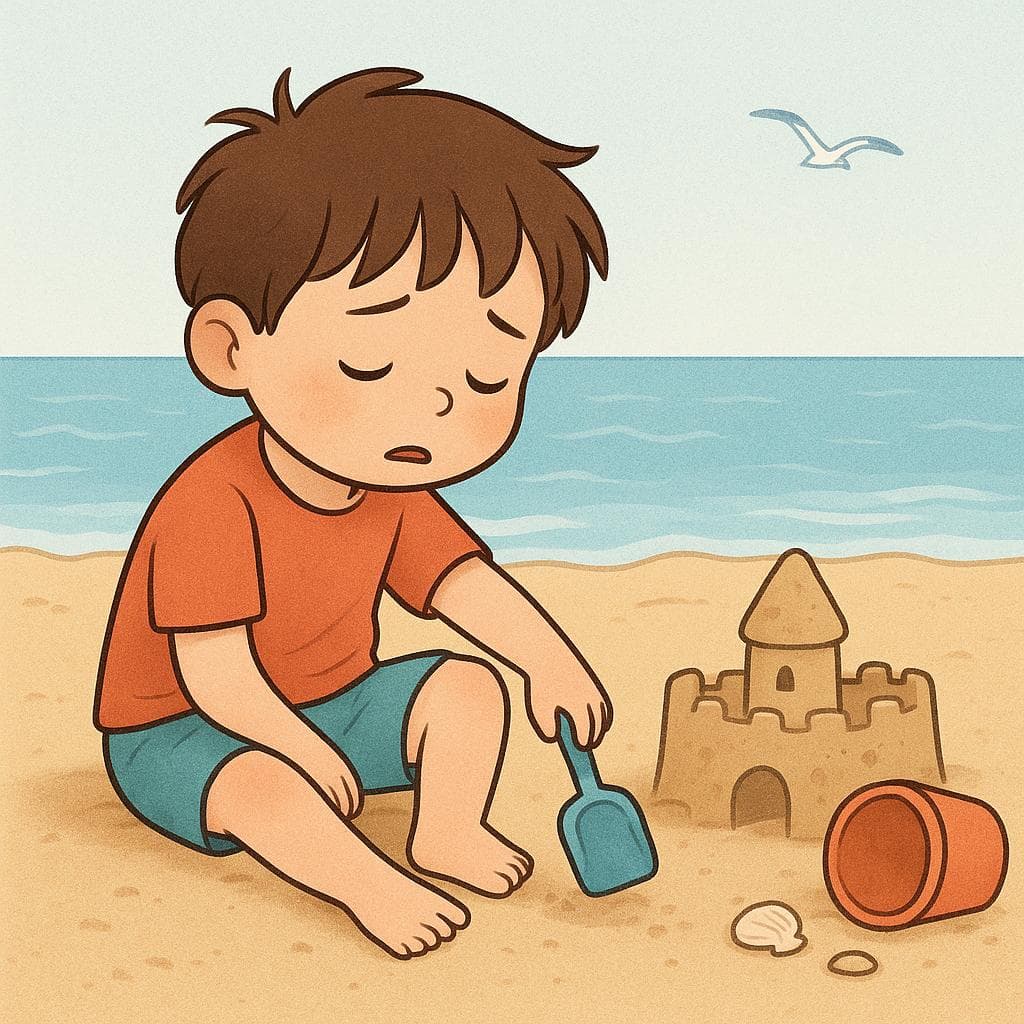
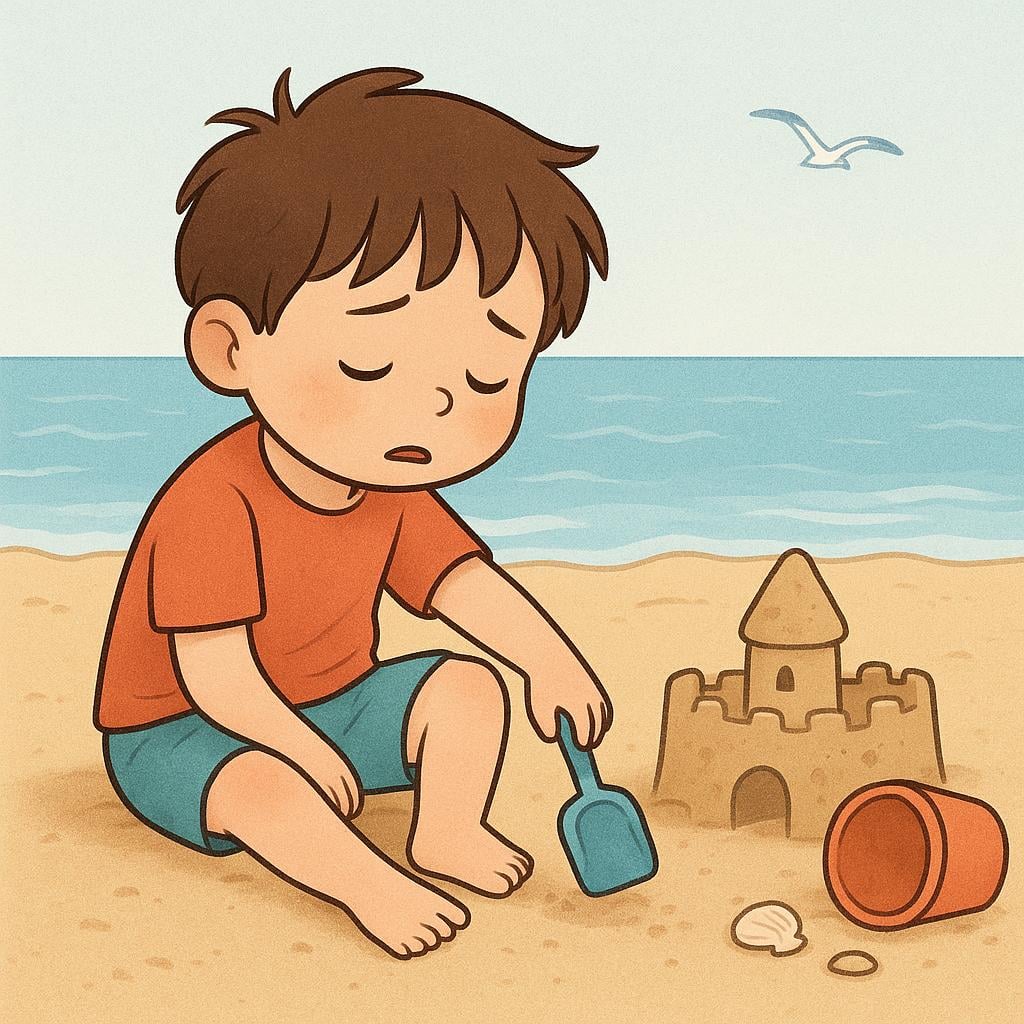
to neglect oneself, to let oneself goAlso: to give in (to emotion)

📝 In Action
Después de la pérdida, se abandonó por completo.
B2After the loss, he completely neglected himself (let himself go).
No debemos abandonarnos a la desesperación.
C1We must not give in to despair.
Word Connections
Indicative
Present
Imperfect
Preterite
Subjunctive
Present Subjunctive
Imperfect Subjunctive
Translate to Spanish
✏️ Quick Practice
Quick Quiz: abandonar
Question 1 of 2
Which sentence uses 'abandonar' in the sense of 'to neglect oneself'?
📚 More Resources
👥 Word Family
📚 Etymology
Comes from the Old French 'abandonner,' which itself came from the phrase 'a bandon' meaning 'under control' or 'at liberty.' Over time, the meaning shifted to 'letting go' or 'giving up control.'
First recorded: Medieval Spanish period (c. 13th century)
Cognates (Related words)
💡 Master Spanish
Take your Spanish to the next level. Read 200+ illustrated and narrated Spanish stories tailored to your level with the Inklingo app!
Frequently Asked Questions
Is 'abandonar' always negative?
Yes, 'abandonar' generally carries a strong sense of failure, desertion, or neglect. If you simply want to say 'I left my keys on the table,' use the verb 'dejar' (dejé las llaves) instead.
How do I say 'abandoned house'?
You use the past participle used as an adjective: 'una casa abandonada' (the 'a' ending matches the feminine noun 'casa').