Inklingo

retirarse

/reh-tee-RAHR-seh/

to retire

A smiling older adult holding a small box of personal items, waving goodbye as they walk away from a large, closed office building entrance.

Retirarse translates to 'to retire' when referencing leaving one's work or profession.

retirarse(verb)

B1regular (reflexive) ar

to retire

?

from work/profession

Also:

to step down

?

from a position

📝 In Action

Mi abuelo se retiró a los 65 años después de trabajar 40 años en la fábrica.

B1

My grandfather retired at 65 after working 40 years in the factory.

¿Cuándo planeas retirarte? Queremos hacer una gran fiesta.

B1

When do you plan to retire? We want to throw a big party.

Word Connections

Synonyms

  • jubilarse (to retire (specifically receiving a pension))
  • cesar (to cease, to stop working)

Antonyms

Common Collocations

  • edad de retirarseretirement age
  • retirarse tempranoto retire early

💡 Grammar Points

The Reflexive 'Se'

Since this is a reflexive verb, you must use the pronoun 'se' (or 'me,' 'te,' etc.) to show that the action of 'retiring' is done by the subject to themselves.

❌ Common Pitfalls

Forgetting 'se'

Mistake: "Mi padre retiró el año pasado."

Correction: Mi padre se retiró el año pasado. (If you omit 'se', 'retirar' means 'to withdraw something else,' like money.)

⭐ Usage Tips

Retirement vs. Pension

While 'retirarse' is the general term for leaving work, 'jubilarse' is often used when specifically referring to receiving a state pension or retirement fund.

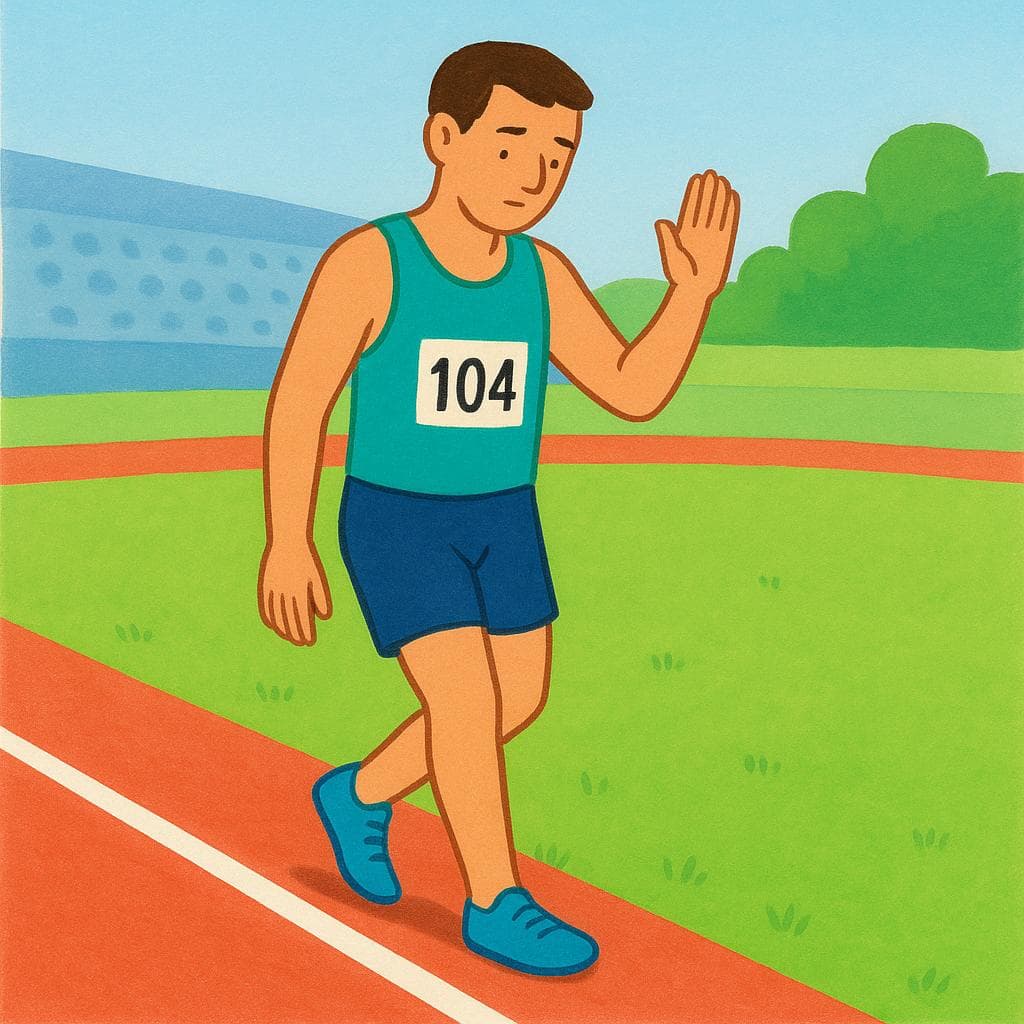
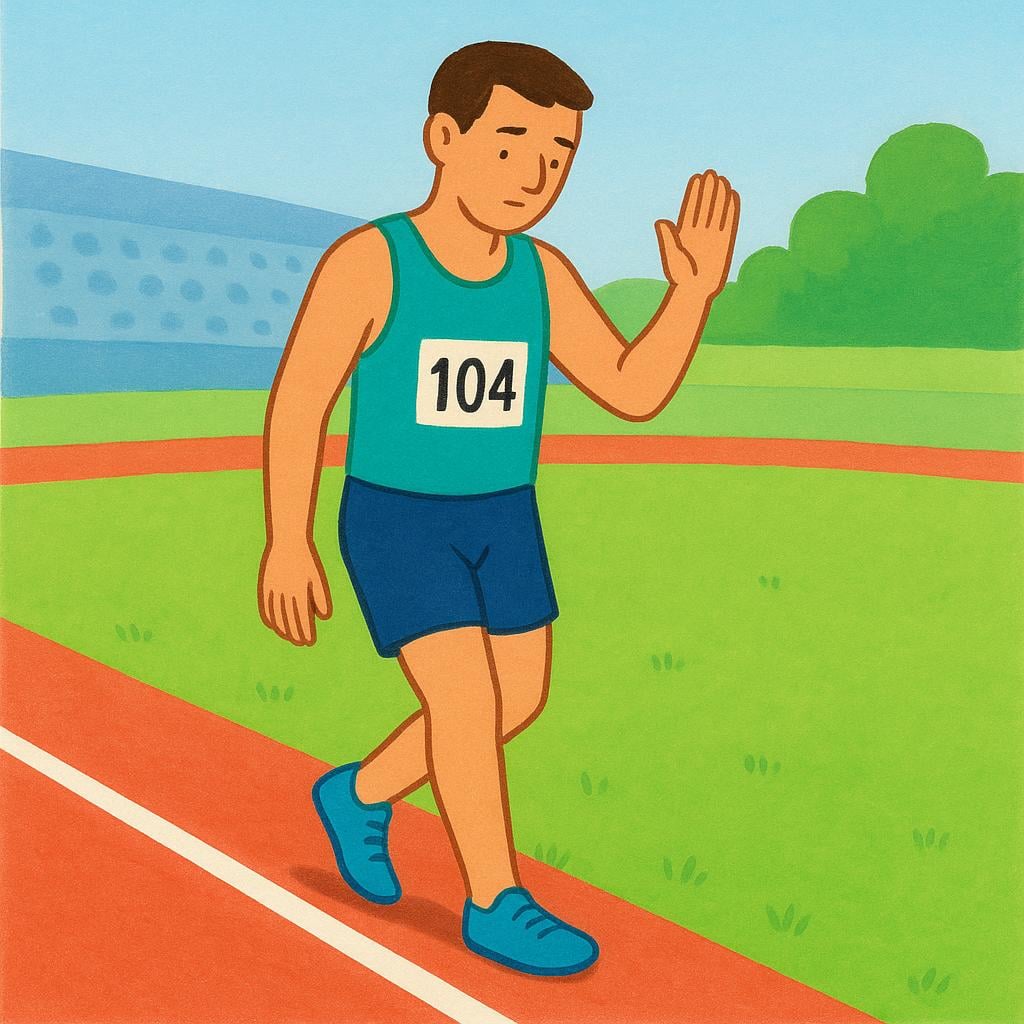
A runner stopping on a dirt track and stepping off the competitive running path onto the grass, turning their back on the race.

To retirarse can mean 'to withdraw' from a competition or specific place.

retirarse(verb)

B2regular (reflexive) ar

to withdraw

?

from a competition/place

,

to retreat

?

military/physical movement

Also:

to pull out

?

from an agreement or location

📝 In Action

El equipo tuvo que retirarse del torneo debido a las lesiones.

B2

The team had to withdraw from the tournament due to injuries.

Los soldados se retiraron a una posición más segura después del ataque.

B2

The soldiers retreated to a safer position after the attack.

Word Connections

Synonyms

  • alejarse (to move away)
  • retroceder (to back up, to move backward)

Antonyms

Common Collocations

  • retirarse de la vida públicato withdraw from public life

💡 Grammar Points

Movement Away

When used for physical movement, 'retirarse' emphasizes moving oneself away from a previous location, often implying a defensive or intentional action.

⭐ Usage Tips

Using 'De'

Always use the preposition 'de' (from) immediately after 'retirarse' when specifying the competition, organization, or place being left: 'Se retiró de la carrera' (He withdrew from the race).

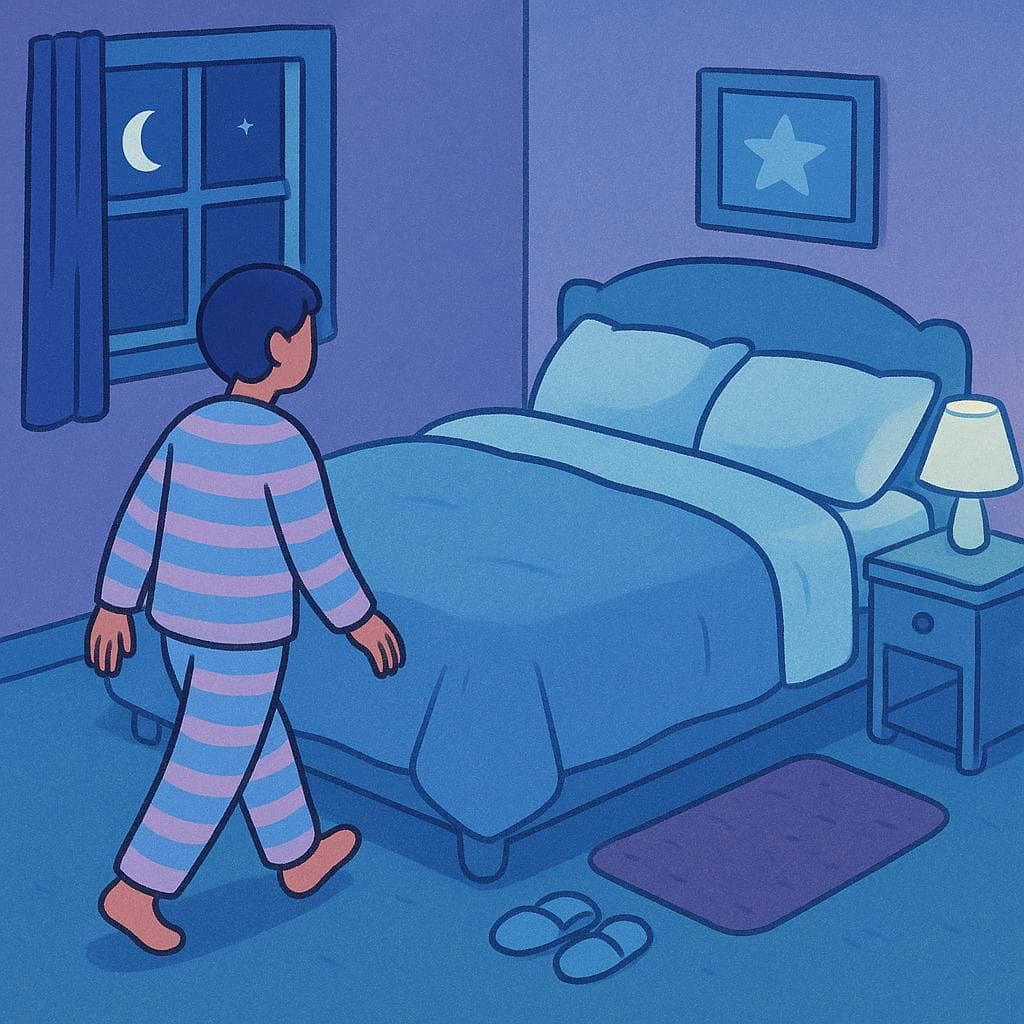
A quiet, cozy bedroom scene showing a person in pajamas walking towards a large, inviting bed ready for sleep.

In formal or literary contexts, retirarse means 'to go to bed'.

retirarse(verb)

C1regular (reflexive) ar

to go to bed

?

formal/literary

,

to turn in

?

formal

📝 In Action

Señoras y señores, con su permiso, me voy a retirar que mañana madrugo.

C1

Ladies and gentlemen, with your permission, I am going to go to bed as I have an early start tomorrow.

Después de la cena, el duque se retiró a sus aposentos.

C2

After dinner, the duke retired to his chambers.

Word Connections

Synonyms

  • acostarse (to go to bed (common))
  • irse a la cama (to go to bed (colloquial))

Antonyms

💡 Grammar Points

Formal Context

Use this meaning primarily in formal situations, when talking about nobility, or in older literature. For friends and family, use 'acostarse'.

🔄 Conjugations

indicative

present

él/ella/ustedse retira
yome retiro
te retiras
ellos/ellas/ustedesse retiran
nosotrosnos retiramos
vosotrosos retiráis

imperfect

él/ella/ustedse retiraba
yome retiraba
te retirabas
ellos/ellas/ustedesse retiraban
nosotrosnos retirábamos
vosotrosos retirabais

preterite

él/ella/ustedse retiró
yome retiré
te retiraste
ellos/ellas/ustedesse retiraron
nosotrosnos retiramos
vosotrosos retirasteis

subjunctive

present

él/ella/ustedse retire
yome retire
te retires
ellos/ellas/ustedesse retiren
nosotrosnos retiremos
vosotrosos retiréis

imperfect

él/ella/ustedse retirara
yome retirara
te retiraras
ellos/ellas/ustedesse retiraran
nosotrosnos retiráramos
vosotrosos retirarais

✏️ Quick Practice

💡 Quick Quiz: retirarse

Question 1 of 2

Which sentence correctly uses 'retirarse' in the sense of 'to go to bed'?

Frequently Asked Questions

Can I use 'retirarse' to talk about withdrawing cash from an ATM?

No. When you are withdrawing money or an object, you must use the non-reflexive verb 'retirar' (without the 'se'). Example: 'Voy a retirar dinero' (I am going to withdraw money).

Is 'retirarse' a stem-changing verb?

No, 'retirarse' is a regular verb. The 'i' in the stem always stays the same, unlike verbs that change 'e' to 'ie' or 'o' to 'ue'.