How to Say "to desert" in Spanish
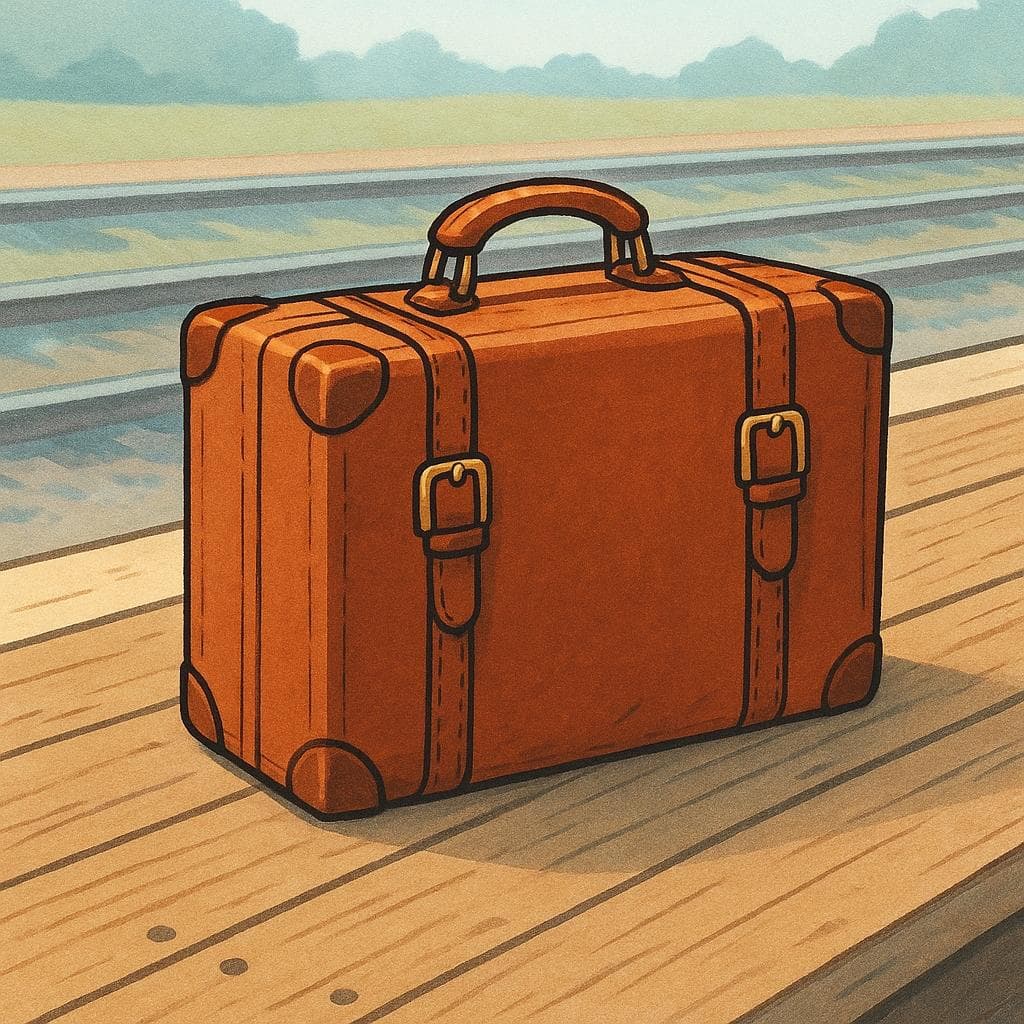
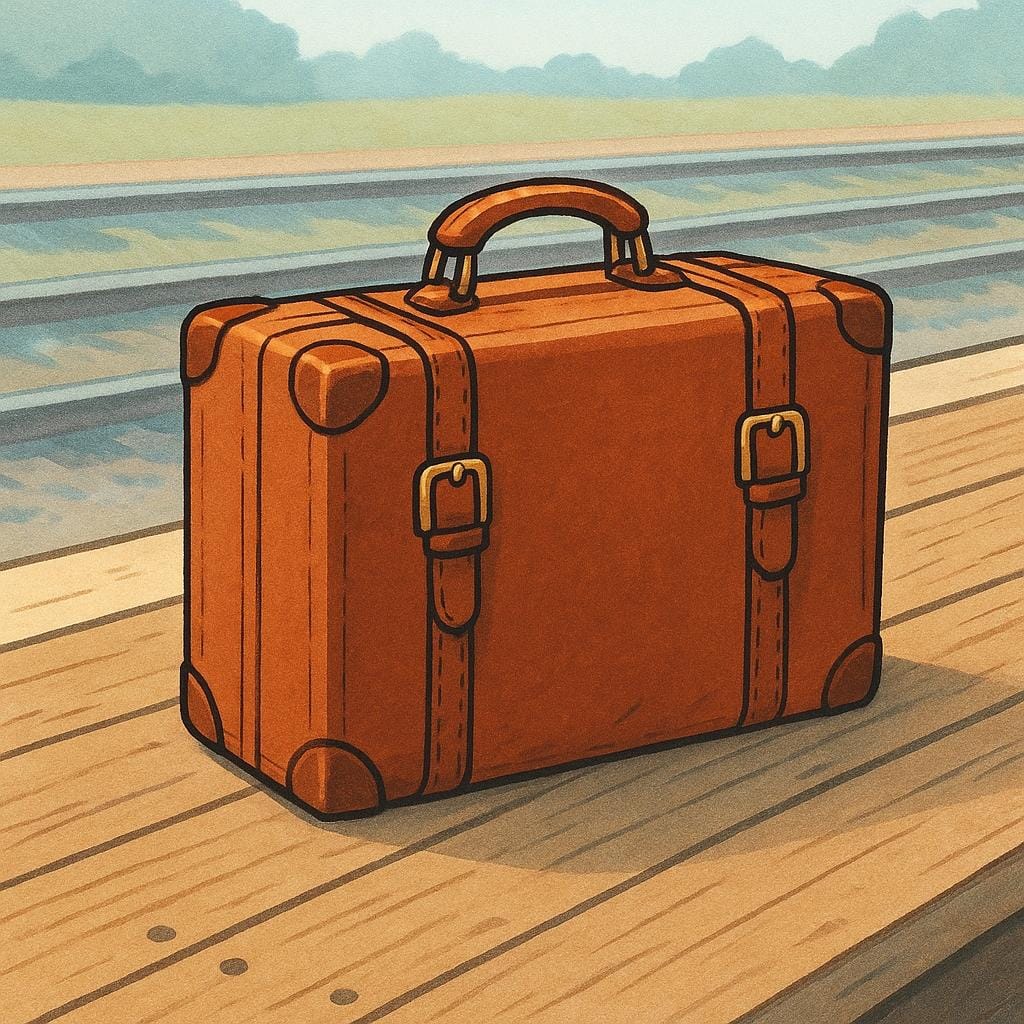
The most common Spanish word for “to desert” is “abandonar” — use 'abandonar' when you mean to leave behind a person, place, or responsibility, implying neglect or forsaking.
ah-bahn-doh-NAHRa.βan.doˈnaɾ
Examples
El perro fue abandonado en la carretera.
The dog was abandoned on the highway.
Ella decidió abandonar su casa después del divorcio.
She decided to leave her house after the divorce.
No podemos abandonar el proyecto a mitad de camino.
We cannot abandon the project halfway through.
Direct Object
The thing or person being abandoned immediately follows the verb, without needing 'a' unless it's a person (the personal 'a').
Confusing 'Abandonar' and 'Dejar'
Mistake: “Usando 'Abandonar mi libro' (Abandon my book) when you mean 'Dejar mi libro' (Leave my book temporarily).”
Correction: 'Abandonar' implies permanence or neglect. Use 'dejar' for temporary or casual leaving.
deh-sehr-TAHRdeseɾˈtaɾ
Examples
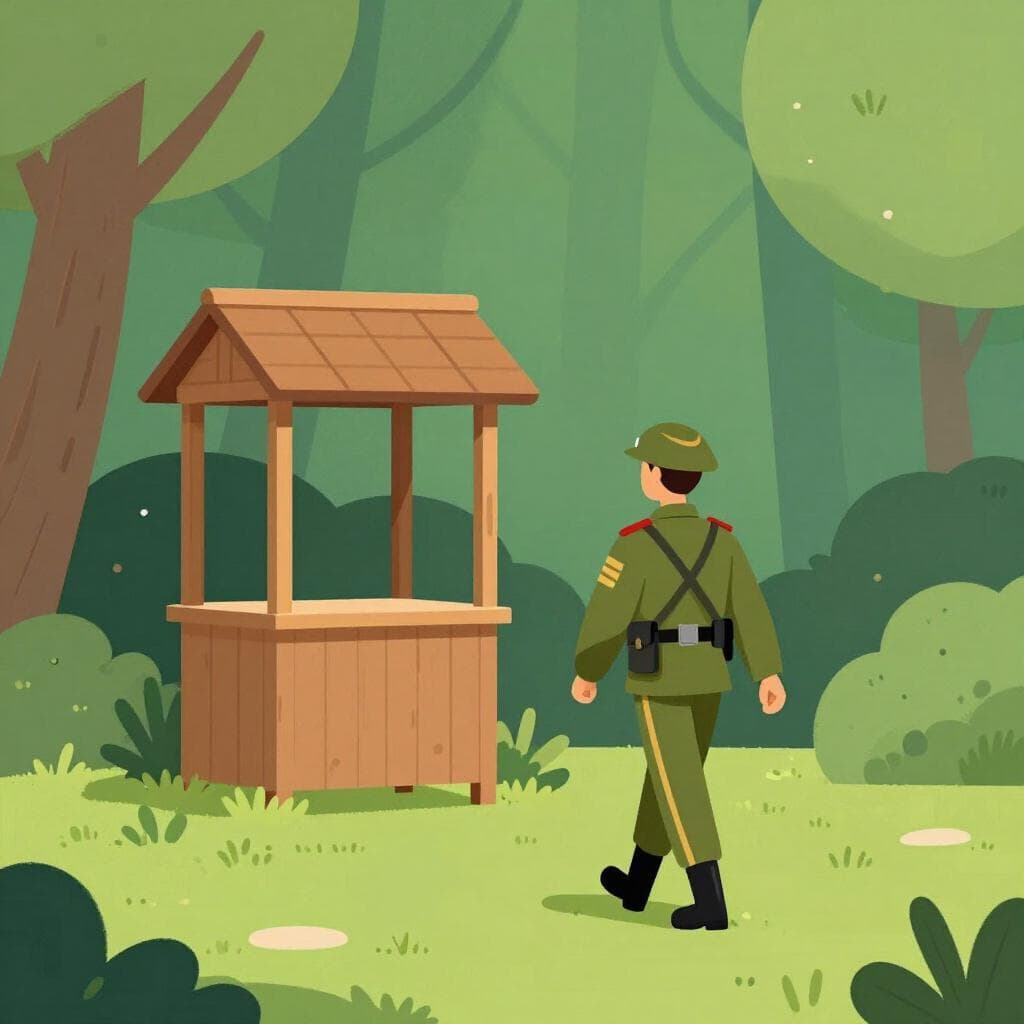
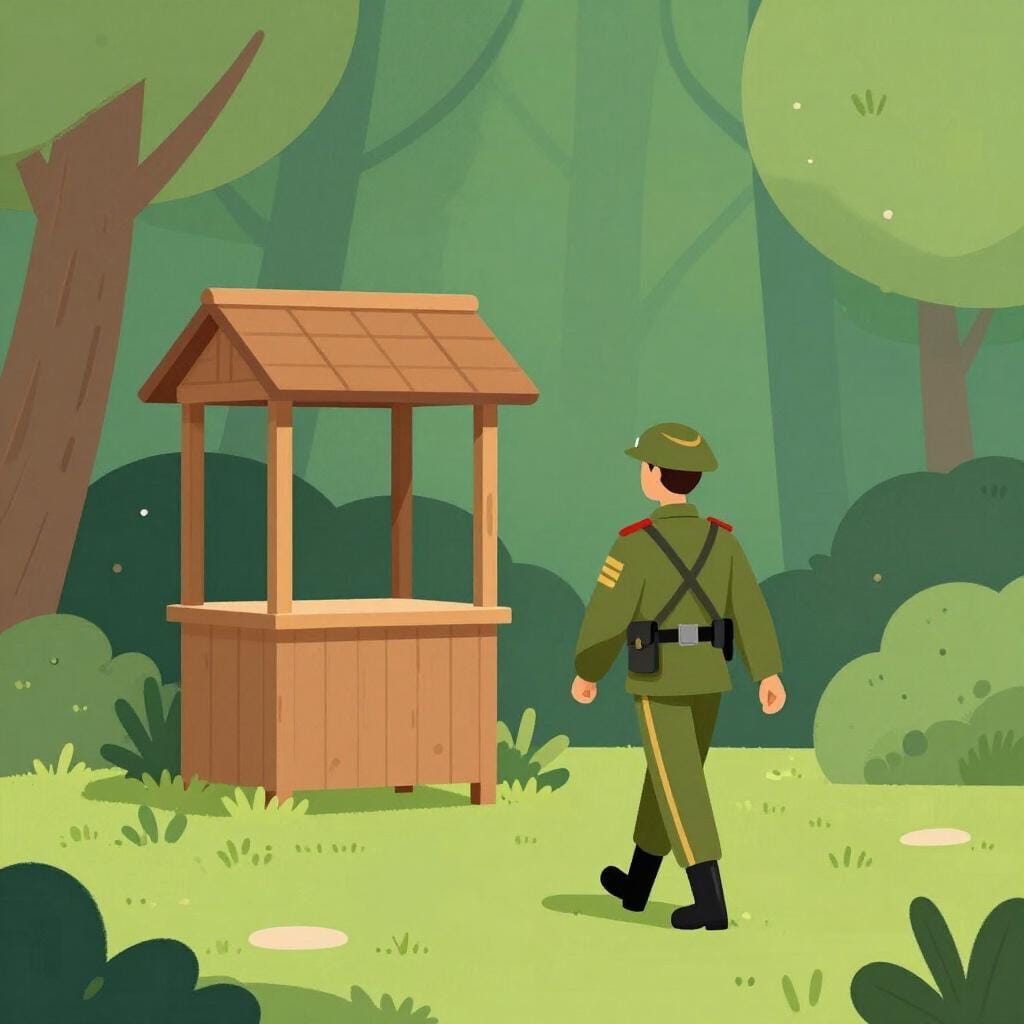
El soldado decidió desertar a mitad de la noche.
The soldier decided to desert in the middle of the night.
Muchos científicos desertaron de su país para trabajar en el extranjero.
Many scientists defected from their country to work abroad.
No es fácil desertar de una organización tan poderosa.
It is not easy to quit such a powerful organization.
Using 'de' with Desertar
When you want to say WHAT you are deserting or quitting, you almost always need the word 'de' afterwards. For example: 'Desertar de la causa' (To desert the cause).
Stem-changing Pattern
Even though it's an -ar verb, it has a tiny change: the 'e' becomes 'ie' when you stress that part of the word (like in 'yo desierto').
Forgetting the 'de'
Mistake: “Él desertó el ejército.”
Correction: Él desertó del ejército. In Spanish, you desert 'from' the place or group.
Military vs. General Abandonment
Learners often confuse 'abandonar' and 'desertar' by using 'abandonar' in a military context. Remember that 'desertar' is the precise term for a soldier leaving their post without permission, while 'abandonar' is a more general term for leaving something or someone behind.
Related Translations
Learn Spanish with Inklingo
Interactive stories, personalized learning, and more.