How to Say "to interrupt" in Spanish
The most common Spanish word for “to interrupt” is “interrumpir” — use this word when you are stopping someone while they are speaking or when you are disrupting an ongoing activity or process.

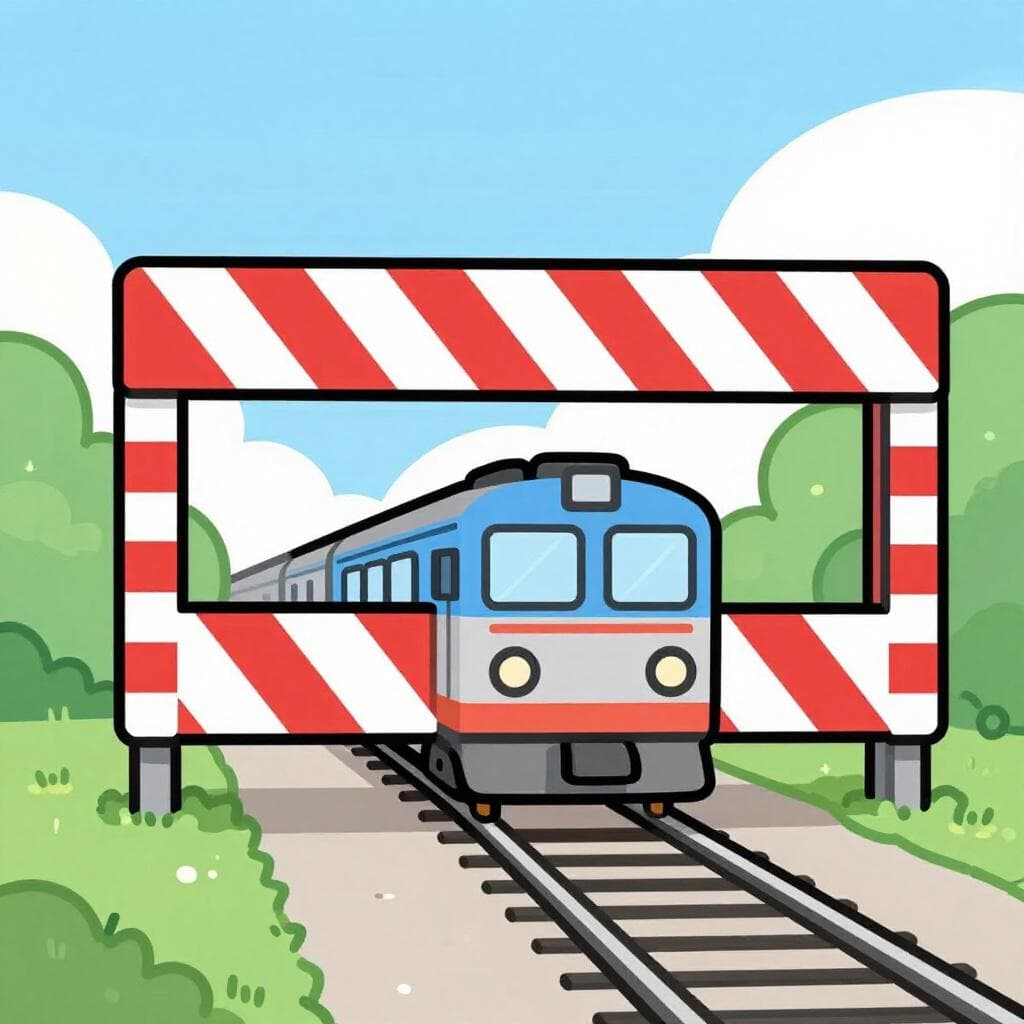


interrumpir
een-teh-rroohm-peerinteˈrrumpiɾ

Examples
Por favor, no me interrumpas cuando estoy dando instrucciones.
Please, don't interrupt me when I am giving instructions.
Ella siempre interrumpe las reuniones con chistes.
She always interrupts the meetings with jokes.
¿Puedo interrumpir un momento? Tengo una pregunta urgente.
Can I interrupt for a moment? I have an urgent question.
Direct Object Use
You can use this verb reflexively, 'interrumpirse,' to mean 'to interrupt oneself' or 'to stop talking suddenly.' For example: 'Me interrumpí para toser' (I interrupted myself to cough).
Using 'para' instead of the person
Mistake: “Interrumpí para él.”
Correction: Le interrumpí. ('Le' means 'him' or 'her' and is the correct way to show who received the interruption.)
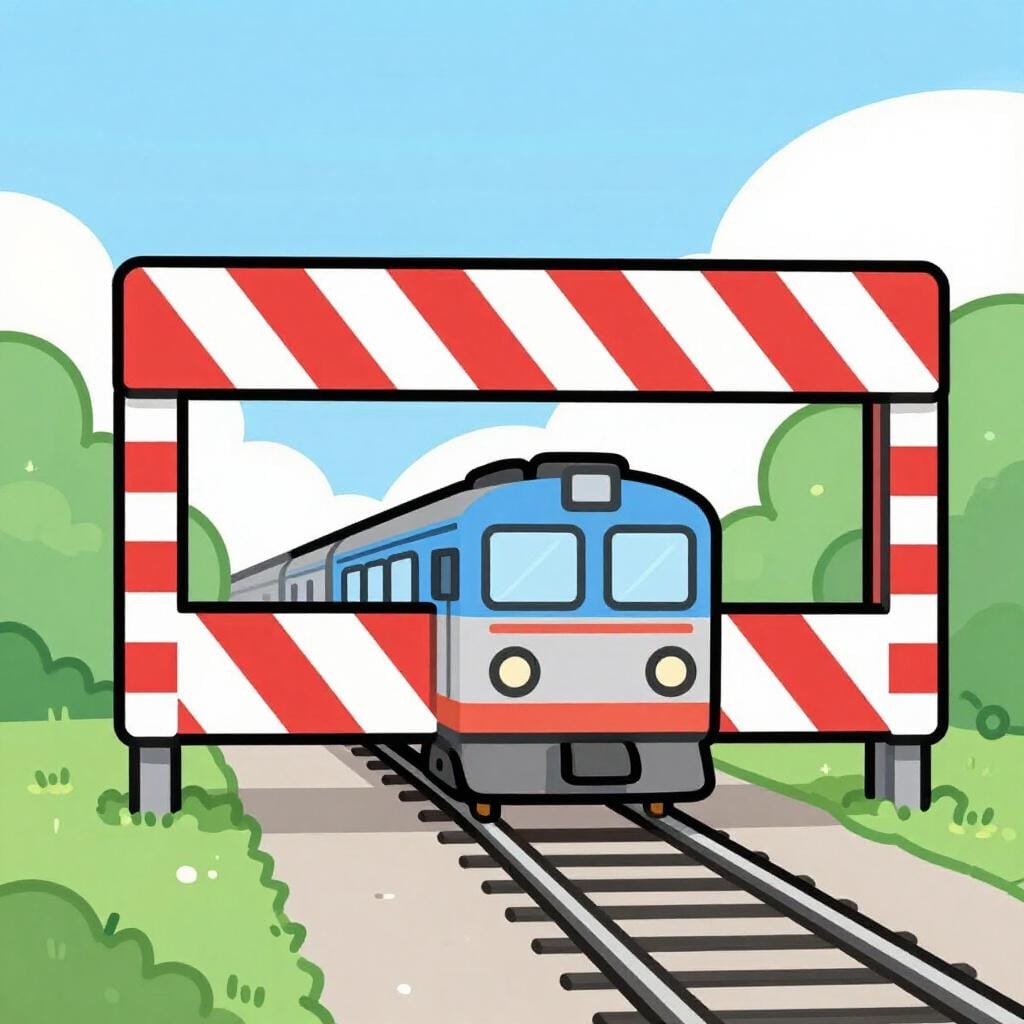
detener
deh-teh-NEHRde.teˈneɾ
Examples
El guardia detuvo el tráfico para que cruzáramos.
The guard stopped the traffic so we could cross.
Detuvimos la producción por falta de material.
We halted the production due to lack of material.
Este muro detiene el viento frío.
This wall holds back the cold wind.
The 'Yo' Form Trick
The 'yo' form in the present tense is irregular: 'detengo'. This happens because it follows the pattern of the verb 'tener' (to have).
Preterite Stem
Mistake: “Using 'detenió' instead of 'detuvo' in the simple past (preterite).”
Correction: The simple past tense (preterite) uses the irregular stem 'detuv-': 'detuve', 'detuviste', 'detuvo', etc.
cortar
kor-tarkoɾˈtaɾ

Examples
Si no pagas la factura, te cortan el teléfono.
If you don't pay the bill, they will cut off your phone (service).
El presentador cortó la entrevista porque no había tiempo.
The host interrupted the interview because there wasn't time.
La lluvia fuerte cortó la señal de televisión.
The heavy rain cut the TV signal.
Passive Construction
This meaning often appears in the passive voice, describing a failure: 'La luz fue cortada' (The light was cut), or more commonly, 'Se cortó la luz' (The light cut itself/The power went out).
romper
rrohm-pehrroˈmpeɾ

Examples
Si rompes el código de conducta, serás sancionado.
If you violate the code of conduct, you will be penalized.
Ella rompió el silencio con una pregunta incómoda.
She broke the silence with an awkward question.
Lamento romper mi promesa, pero es necesario.
I regret breaking my promise, but it is necessary.
Transitive Use
In this context, 'romper' requires a direct object—you must break something (a rule, a promise, silence).
Interrupting vs. Stopping
Related Translations
Learn Spanish with Inklingo
Interactive stories, personalized learning, and more.