How to Say "to apprehend" in Spanish
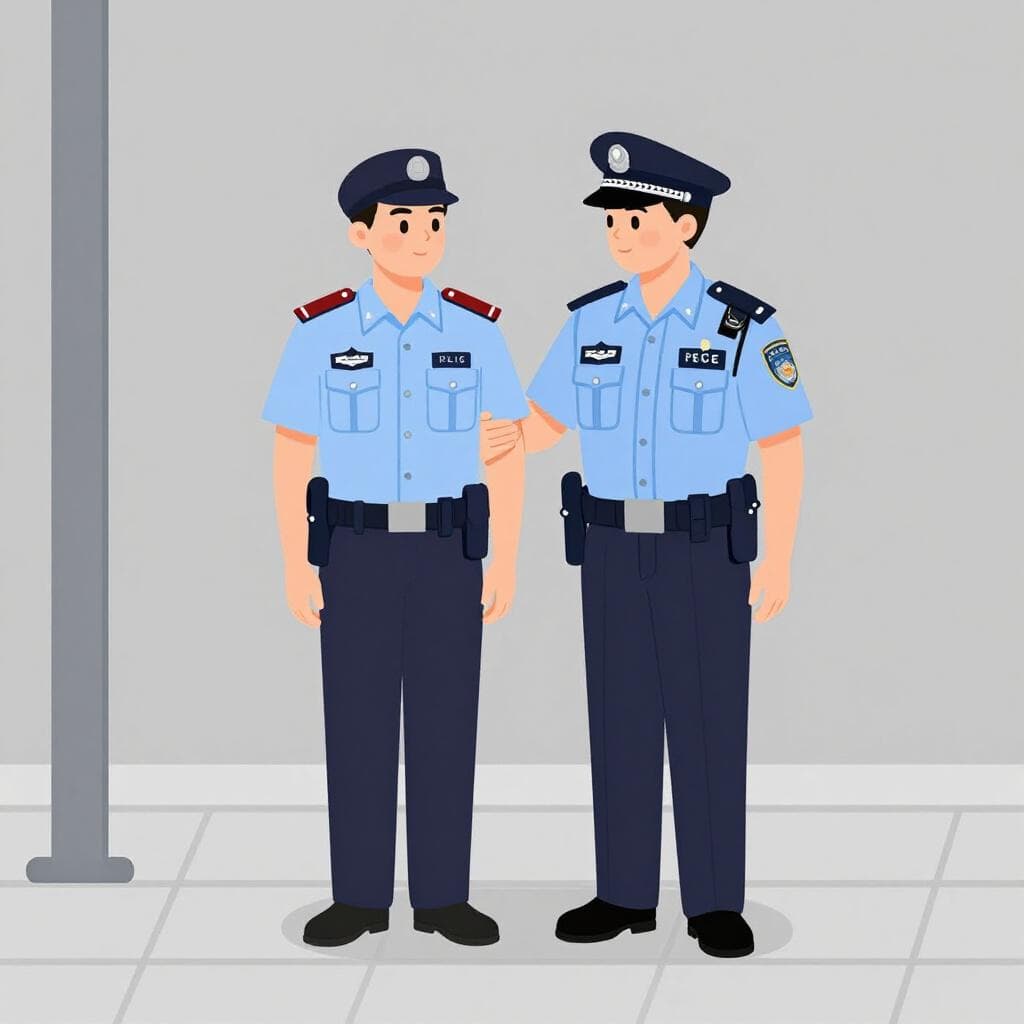
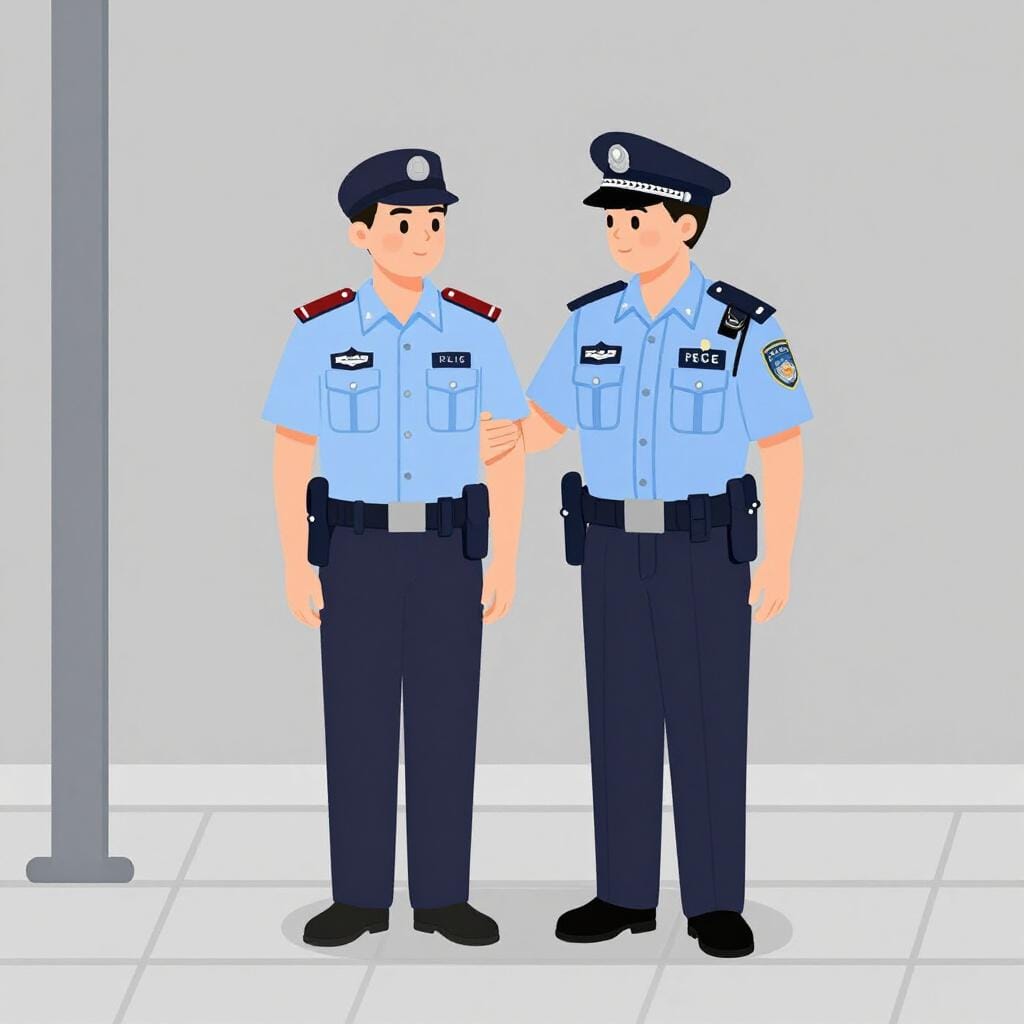
The most common Spanish word for “to apprehend” is “detener” — use 'detener' when referring to the act of stopping and holding someone, especially by law enforcement, in a general sense of arrest or detention.

detener
deh-teh-NEHRde.teˈneɾ
Examples
La policía detuvo a dos sospechosos anoche.
The police detained two suspects last night.
El juez ordenó detener al acusado.
The judge ordered the accused to be arrested.
prender
prehn-DEHRpɾenˈdeɾ

Examples
La policía prendió al sospechoso cerca de la escena.
The police arrested the suspect near the scene.
Fue prendido por sus crímenes después de meses de búsqueda.
He was apprehended for his crimes after months of searching.
Ordenaron prender a los rebeldes.
They ordered the rebels to be seized.
Using 'a' with people
When you arrest someone, you must use the 'personal a'. For example: 'Prendieron a Juan' (They arrested Juan).
Confusing with 'aprender'
Mistake: “Quiero prender español.”
Correction: Quiero aprender español.
Detener vs. Prender
Related Translations
Learn Spanish with Inklingo
Interactive stories, personalized learning, and more.