How to Say "to ignite" in Spanish
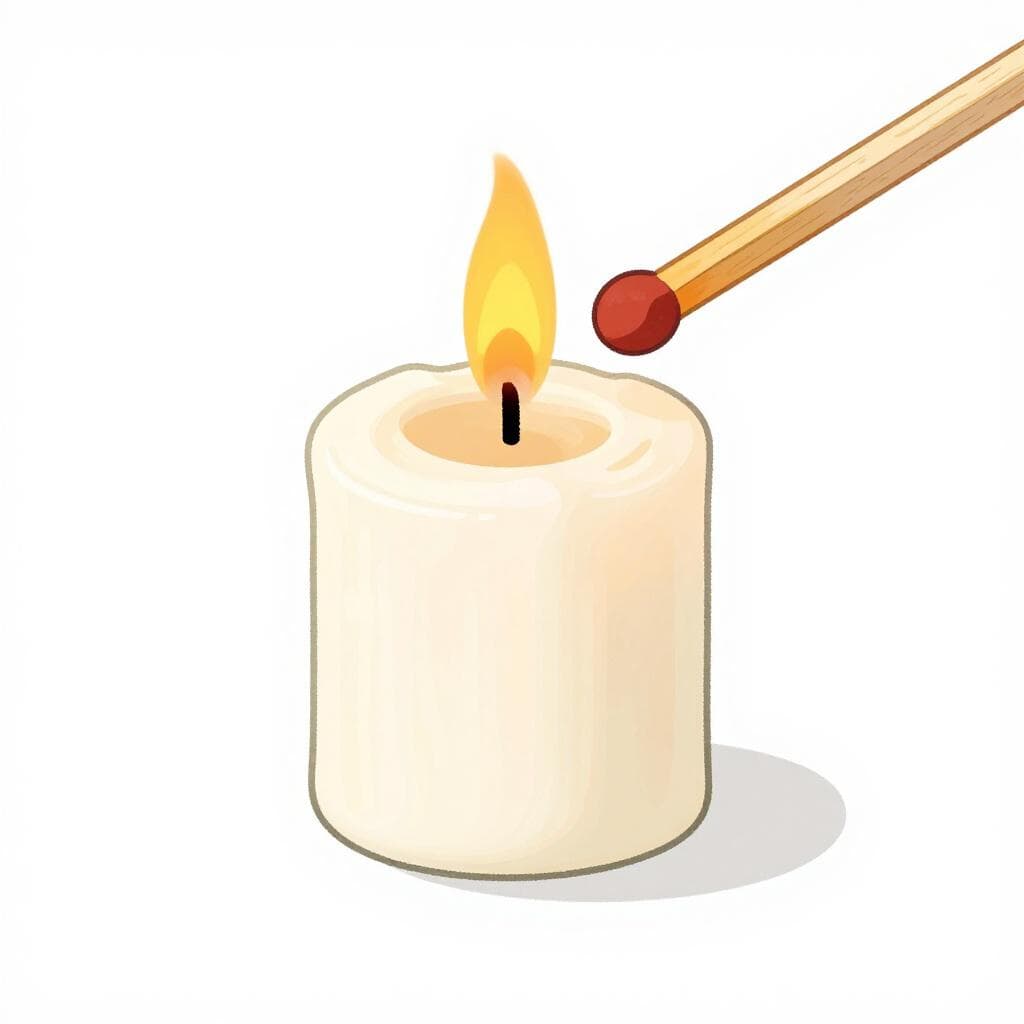
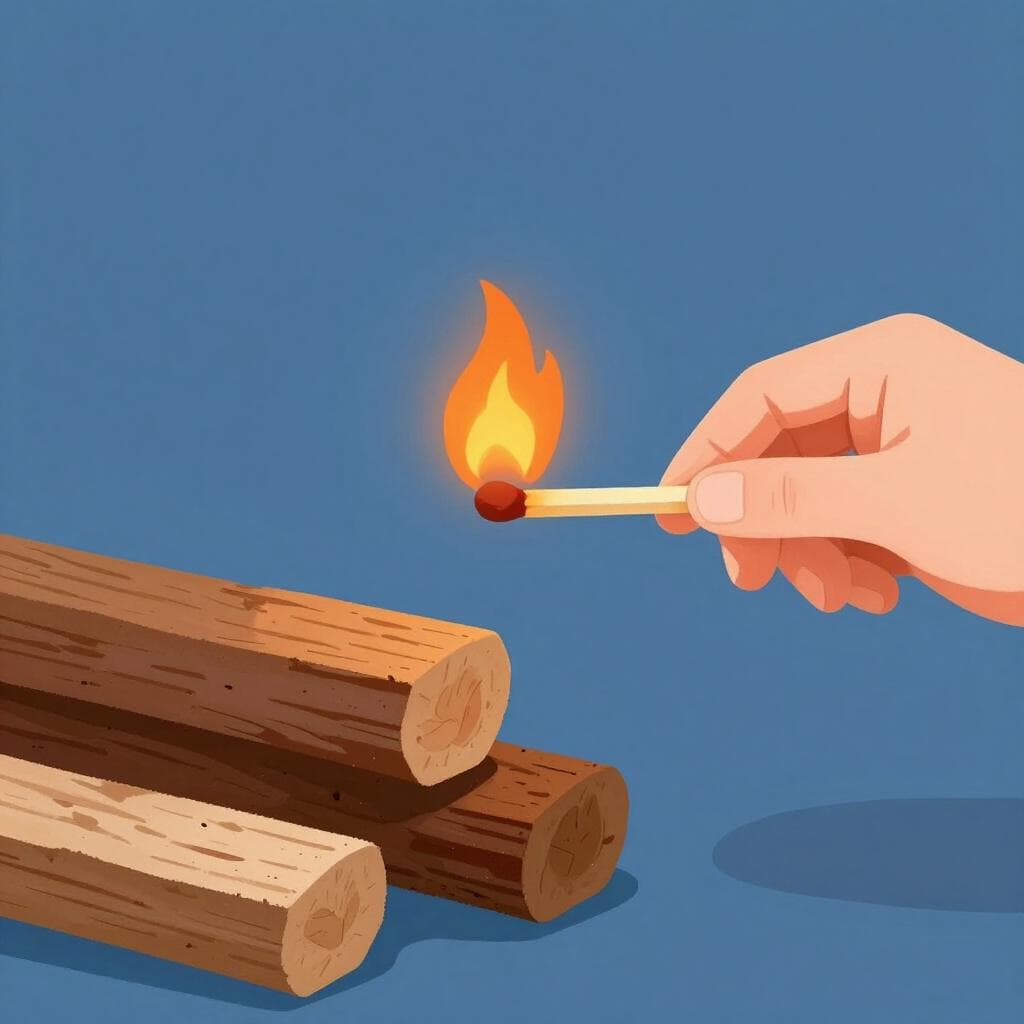
The most common Spanish word for “to ignite” is “prender” — use 'prender' when you are lighting something small or for a specific, often domestic, purpose, like lighting a candle, a cigarette, or a campfire.
prender
prehn-DEHRpɾenˈdeɾ
Examples
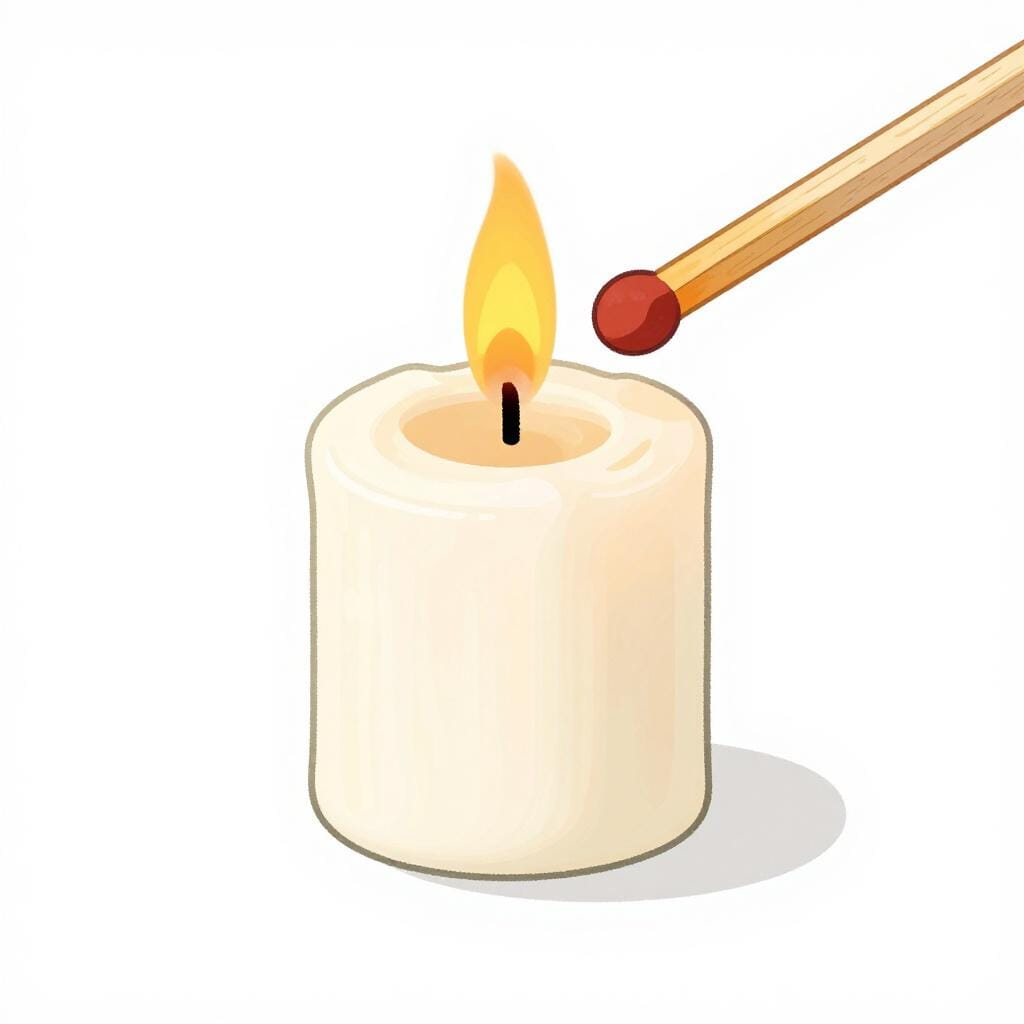
Él prendió una vela para la cena.
He lit a candle for dinner.
Es difícil prender el fuego si la madera está mojada.
It is difficult to light the fire if the wood is wet.
Cuidado al prender los fuegos artificiales.
Be careful when lighting the fireworks.
Causative Meaning
When used with fire, 'prender' often implies the start of the action—the moment the flame begins.
Prender vs Quemar
Mistake: “Prendí el papel hasta que desapareció.”
Correction: Quemé el papel. Use 'prender' for the act of starting the fire, but 'quemar' for the process of something being consumed or burned up.
incendiar
een-sen-dyahrinθenˈdjaɾ
Examples
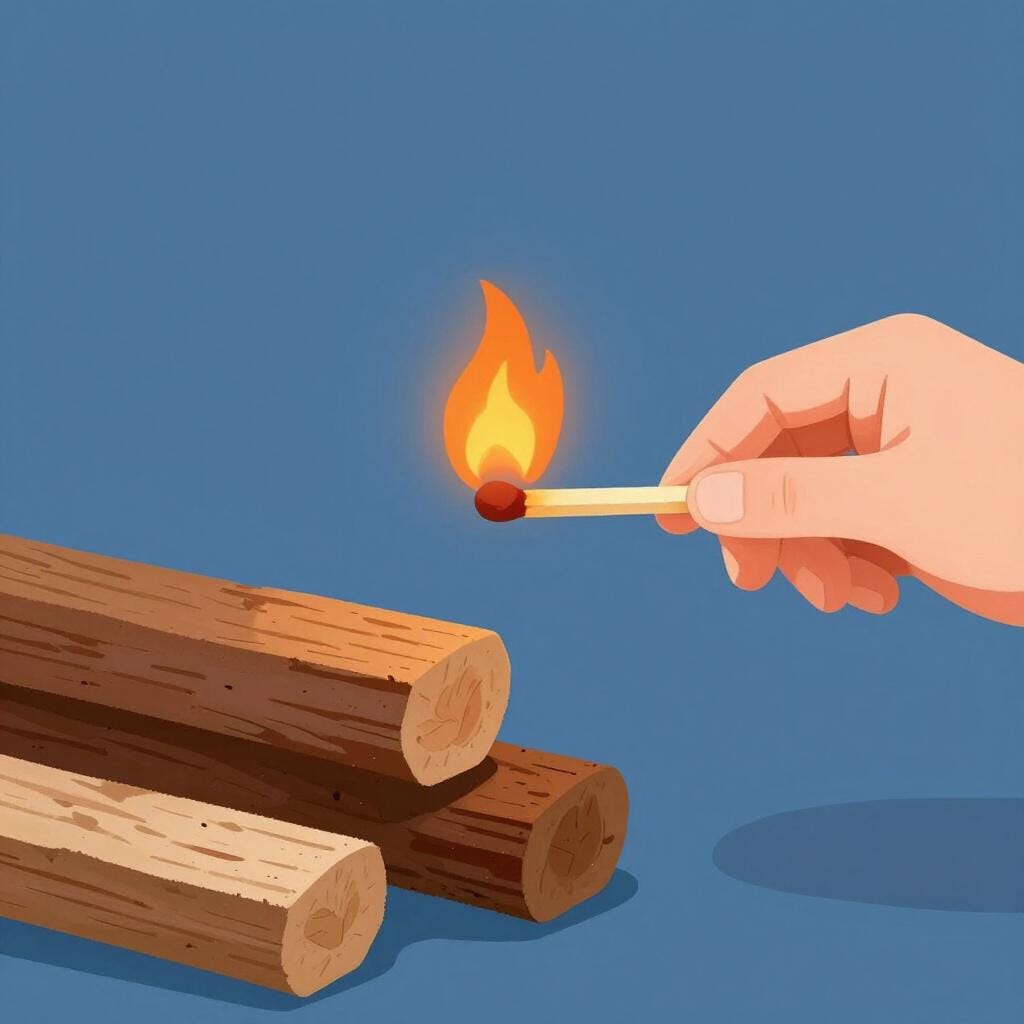
Alguien intentó incendiar el almacén abandonado.
Someone tried to set the abandoned warehouse on fire.
Un rayo puede incendiar un bosque entero en pocos minutos.
Lightning can set an entire forest on fire in a few minutes.
Tengan cuidado con las velas para no incendiar las cortinas.
Be careful with the candles so you don't set the curtains on fire.
Incendiar vs. Quemar
Use 'incendiar' when you mean starting a large fire, especially one that causes damage. 'Quemar' is more general and can be used for small things like burning toast or a piece of paper.
Using the 'Action' Word
This verb describes the act of causing the fire. If you want to say something 'caught fire' on its own, you add 'se' to the end: 'El coche se incendió' (The car caught fire).
Fire at Work
Mistake: “No puedes incendiar a un empleado.”
Correction: No puedes despedir a un empleado. Use 'despedir' for jobs; 'incendiar' is only for real or figurative flames.
Prender vs. Incendiar
Related Translations
Learn Spanish with Inklingo
Interactive stories, personalized learning, and more.