How to Say "to fasten" in Spanish
The most common Spanish word for “to fasten” is “atar” — use this for general securing or tying, like shoelaces or ropes, where a knot is typically involved.

Use this for general securing or tying, like shoelaces or ropes, where a knot is typically involved.
Learn more →
This is used for securing an object tightly, often with a rope or knot, implying a strong hold.
Learn more →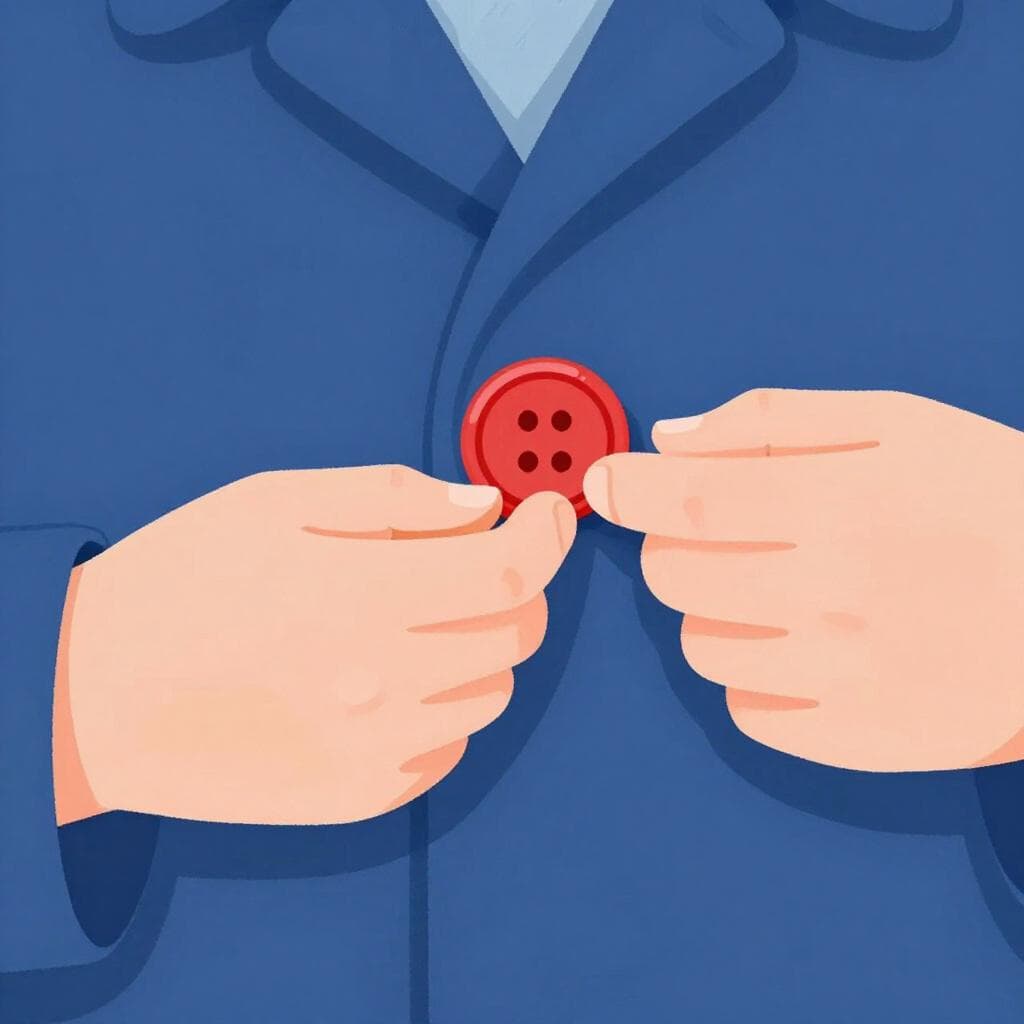
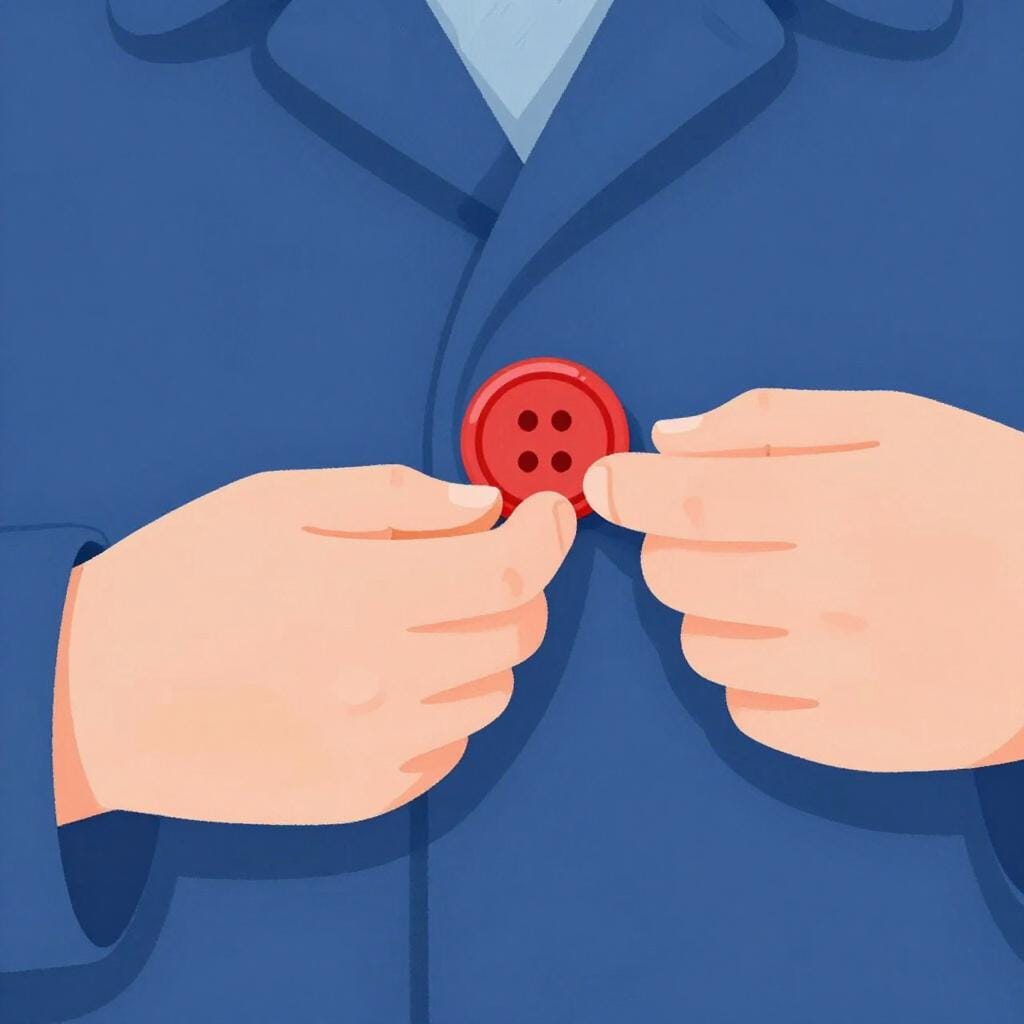
Use this specifically for fastening clothing or accessories with buttons, buckles, or zippers.
Learn more →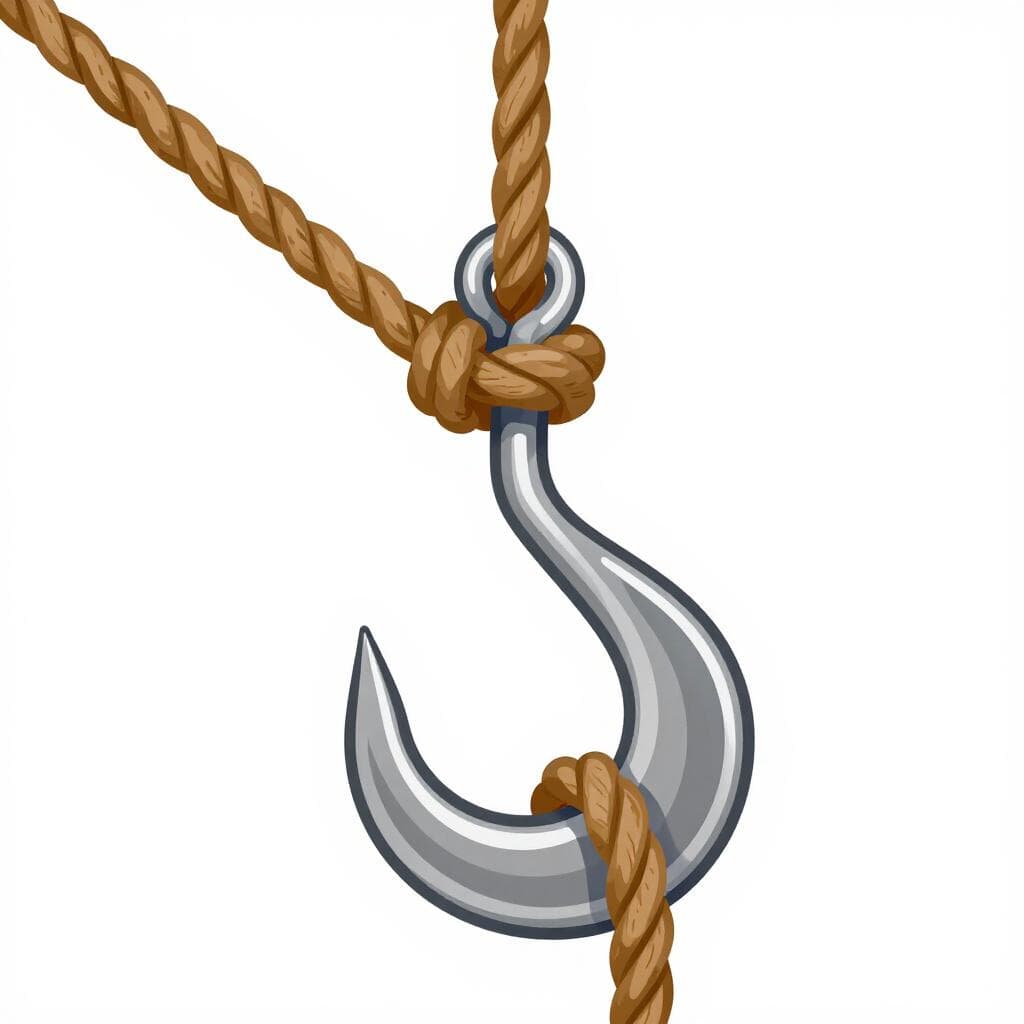
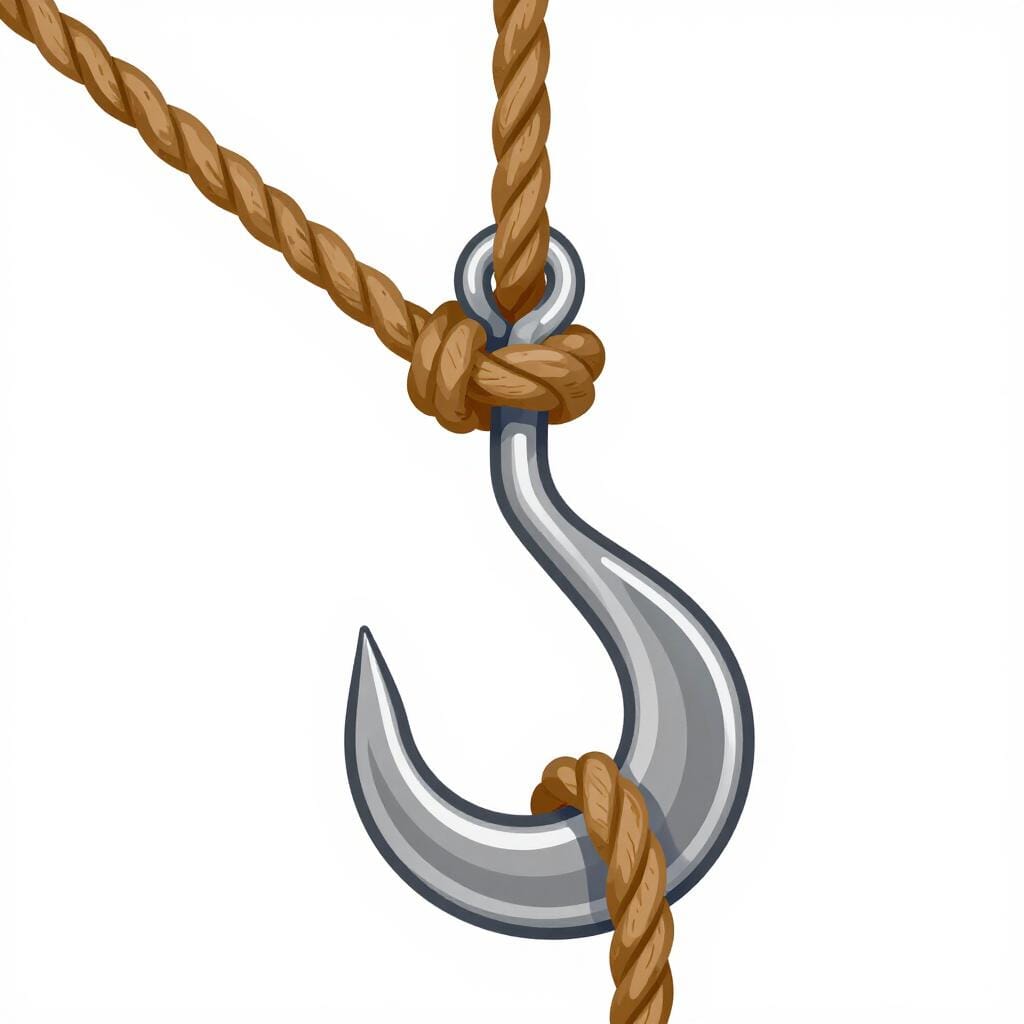
This implies connecting two separate parts, often by hooking or hitching them together.
Learn more →
Use this to mean holding or attaching one thing firmly to another, often with an intermediary item like a clip or pin.
Learn more →
This means to attach something very firmly and securely, ensuring it won't move or fall.
Learn more →
This is used for attaching something with a pin, such as a brooch or badge.
Learn more →ah-TAHRaˈtaɾ
Examples
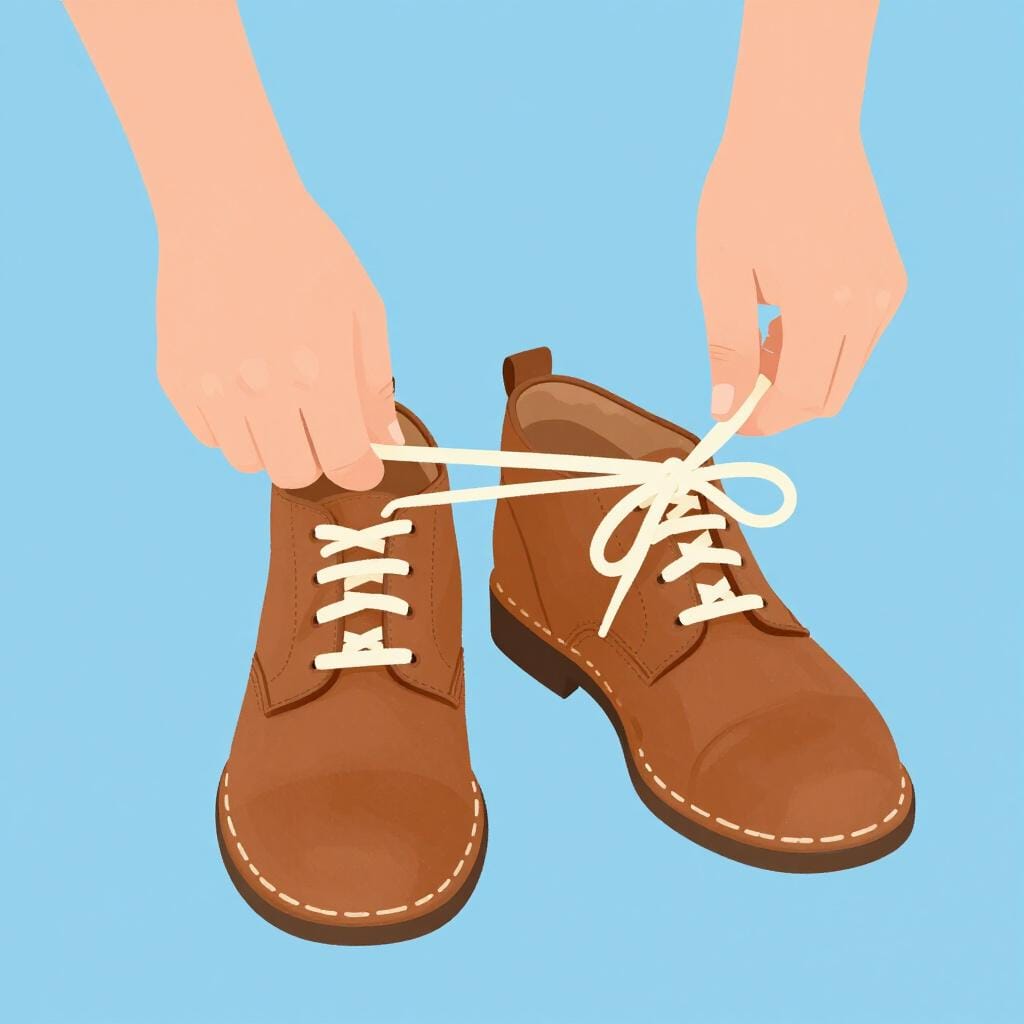
Tengo que atar mis zapatos.
I have to tie my shoes.
Él ató el paquete con una cuerda roja.
He tied the package with a red string.
Ata al perro antes de entrar a la tienda.
Tie the dog up before going into the store.
Doing it to yourself
When you are tying something of your own, like your shoes or your hair, you add 'se' to the end (atarse). For example: 'Me ato el pelo' (I tie my hair).
Regular AR Pattern
This verb follows the standard rules for -ar verbs. If you know how to conjugate 'hablar', you already know how to conjugate 'atar'!
Tying vs. Wearing
Mistake: “Uso 'atar' para decir 'to wear clothes'.”
Correction: Use 'llevar' or 'ponerse' for wearing clothes. 'Atar' is strictly for the action of tying knots or strings.
ah-mah-RRARamaˈraɾ
Examples
Tengo que amarrar mis zapatos antes de correr.
I have to tie my shoes before running.
Por favor, amarra el paquete con esta cuerda.
Please, tie the package with this rope.
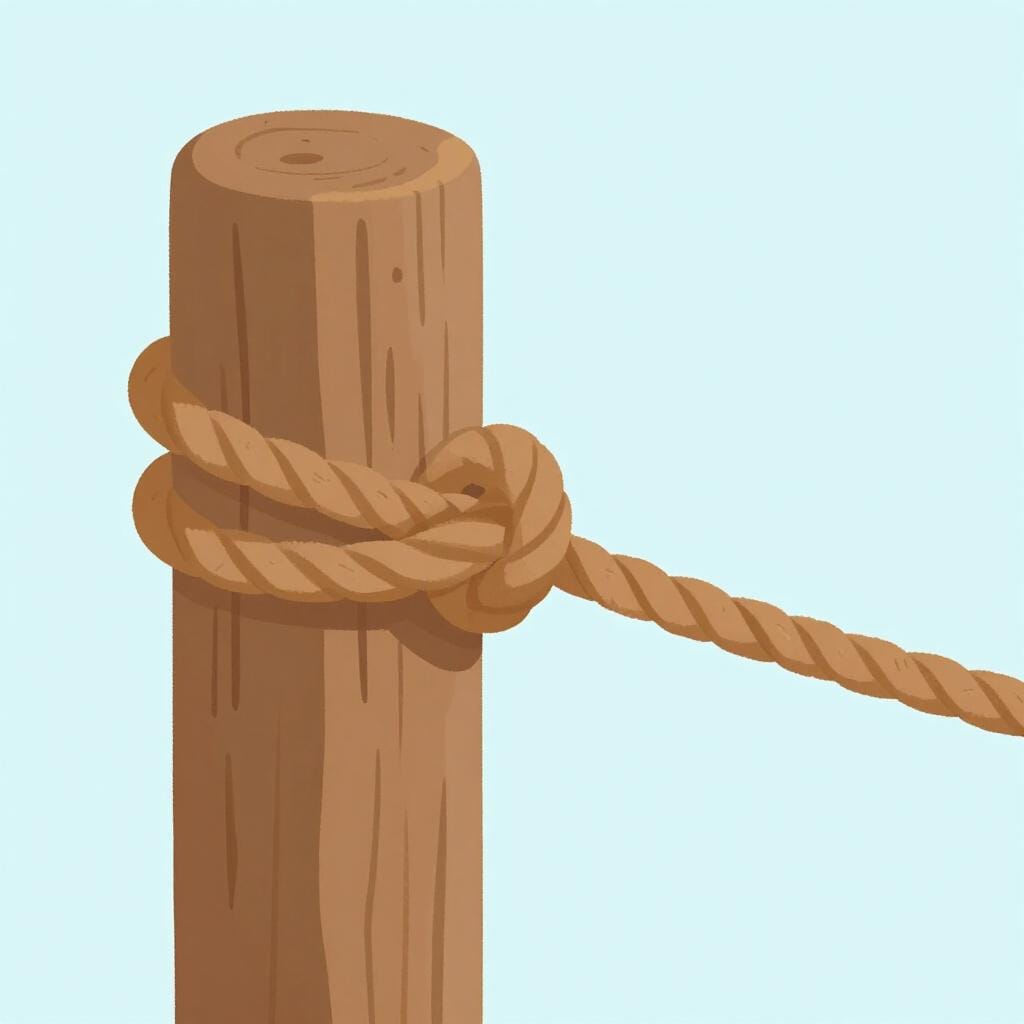
No amarres al perro al poste por mucho tiempo.
Don't tie the dog to the post for a long time.
Action vs. Result
Use 'amarrar' for the action of tying. If you want to say something is already tied, use 'está amarrado'.
Adding the 'A' for People/Pets
When tying a person or a pet, you must add the word 'a' before them, as in: 'Amarra a tu perro' (Tie your dog).
Confusing 'amarrar' with 'atar'
Mistake: “Using 'atar' for boats in Latin America.”
Correction: In Latin America, 'amarrar' is the preferred word for almost all tying, especially boats and shoes, while 'atar' is more common in Spain.
ah-bro-CHARaβɾoˈtʃaɾ
Examples
Abrocha tu chaqueta, que hace frío.
Button up your jacket; it's cold.
Por favor, abróchense los cinturones de seguridad.
Please, fasten your seatbelts.
No puedo abrocharme este vestido yo sola.
I can't zip/fasten this dress by myself.
Doing it to yourself
When you are fastening your own clothes or seatbelt, you add 'se' to the end (abrocharse). For example: 'Me abrocho la chaqueta' (I fasten my jacket).
Regular '-ar' pattern
This word follows the standard pattern for verbs ending in '-ar', making it very predictable to conjugate.
Using 'cerrar' for buttons
Mistake: “Cerrar los botones.”
Correction: Abrochar los botones. While 'cerrar' means 'to close', 'abrochar' is the specific word for fasteners like buttons or buckles.
en-gan-chareŋɡanˈtʃaɾ
Examples
Tienes que enganchar el remolque al coche antes de salir.
You have to hitch the trailer to the car before leaving.
Cuidado, se te puede enganchar el vestido en esa rama.
Be careful, your dress might snag on that branch.
Enganchó su abrigo en el perchero.
He hooked his coat on the rack.
Using 'a' for connection
When you hook one thing to another, use the word 'a' (to) to show the connection point, like 'enganchar A algo'.
Hooked 'with' vs 'to'
Mistake: “Enganchar con el coche.”
Correction: Enganchar al coche. Even though English says 'to the car', learners often try to use 'with'.
soo-heh-tarsuxeˈtaɾ

Examples
Sujeta los papeles con un clip.
Fasten the papers with a clip.
Necesitamos sujetar la estantería a la pared.
We need to secure the bookshelf to the wall.
Sujeta bien la cuerda antes de bajar.
Secure the rope well before going down.
Using 'con' with tools
When explaining what tool you use to fasten something, always use 'con' (with). Example: 'sujetar con un tornillo' (fasten with a screw).
ah-seh-goo-RAHRaseɣuˈɾaɾ

Examples
El carpintero aseguró la mesa a la pared para que no se cayera.
The carpenter secured the table to the wall so it wouldn't fall over.
Asegura la carga con estas cuerdas.
Fasten the load with these ropes.
Securing Actions
This meaning often involves physical objects. Think of it as making sure something is stable and won't move.
prehn-DEHRpɾenˈdeɾ

Examples
Ella prendió el broche en su vestido.
She pinned the brooch onto her dress.
El esqueje prendió rápidamente en el jardín.
The cutting took root quickly in the garden.
Prendió las llaves a su cinturón.
He fastened the keys to his belt.
Physical attachment
This sense implies a physical connection, usually with a small tool like a pin or clip.
Choosing between 'atar' and 'abrochar'
Learners often confuse 'atar' (to tie) and 'abrochar' (to button/buckle). Remember that 'atar' is for things like shoelaces or ropes where you make a knot, while 'abrochar' is for clothing closures like buttons and zippers.
Related Translations
Learn Spanish with Inklingo
Interactive stories, personalized learning, and more.