Inklingo

asegurar

/ah-seh-goo-RAHR/

to assure

Two people shaking hands firmly in agreement, symbolizing a promise or assurance.

Use "asegurar" when you want to assure someone of your intentions or state something with certainty.

asegurar(verb)

B1regular ar

to assure

?

to promise or state with certainty

,

to guarantee

?

to vouch for something

Also:

to affirm

?

to state strongly

📝 In Action

Te aseguro que la reunión empieza a las diez en punto.

A2

I assure you that the meeting starts at ten sharp.

El director aseguró que el proyecto estaría terminado para el viernes.

B1

The director guaranteed that the project would be finished by Friday.

Word Connections

Synonyms

  • garantizar (to guarantee)
  • afirmar (to state)

Antonyms

Common Collocations

  • asegurar la victoriato secure the victory

💡 Grammar Points

Asegurar vs. Asegurarse

When you 'asegurar' (without 'se'), you are making a promise to someone else. When you 'asegurarse' (with 'se'), you are verifying something for yourself.

❌ Common Pitfalls

Incorrect Use of Subjunctive

Mistake: "Aseguro que sea verdad. (Incorrect verb form)"

Correction: Aseguro que es verdad. (Use the normal verb form (indicative) because 'asegurar' expresses certainty, not doubt or desire.)

⭐ Usage Tips

Formal Tone

Using 'Le aseguro...' (I assure you, formal) is a polite and professional way to give a strong commitment in business settings.

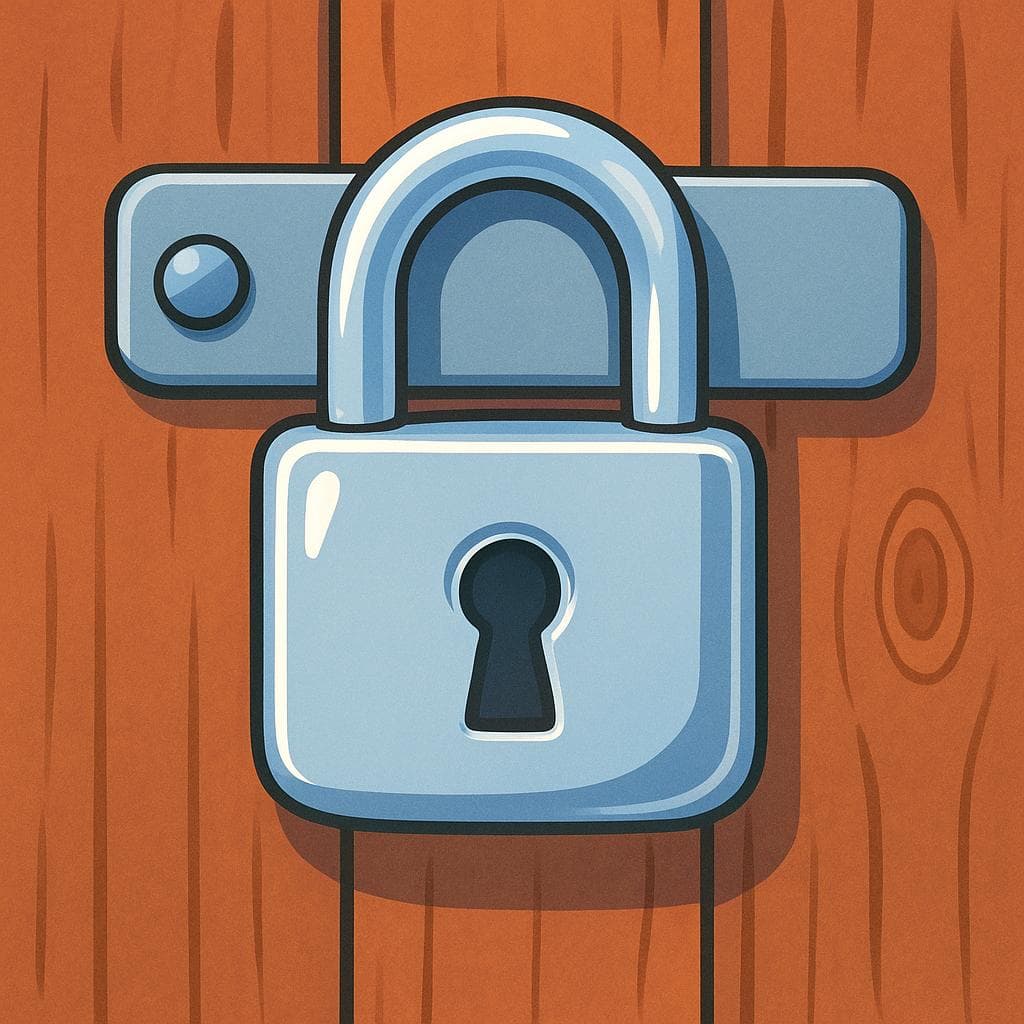
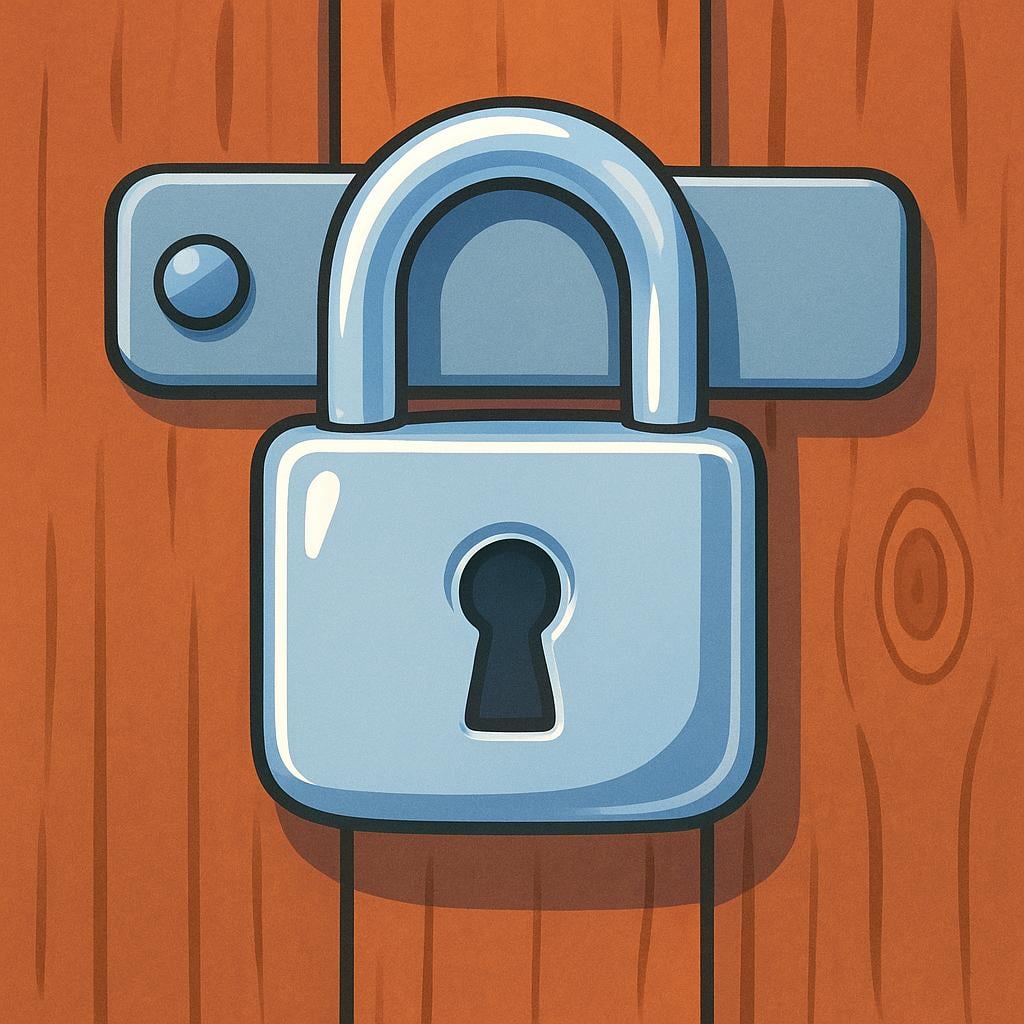
A shiny silver padlock fastened securely onto a heavy wooden gate, illustrating the act of fastening or making safe.

When you secure something, like locking a door or fastening a seatbelt, you use "asegurar."

asegurar(verb)

B1regular ar

to secure

?

to fasten or make safe

Also:

to fasten

?

to attach firmly

,

to lock

?

to close with a key

📝 In Action

El carpintero aseguró la mesa a la pared para que no se cayera.

B1

The carpenter secured the table to the wall so it wouldn't fall over.

Asegura la carga con estas cuerdas.

B1

Fasten the load with these ropes.

Word Connections

Synonyms

  • sujetar (to hold/fasten)
  • fijar (to fix/attach)

Common Collocations

  • asegurar la puertato lock the door

💡 Grammar Points

Securing Actions

This meaning often involves physical objects. Think of it as making sure something is stable and won't move.

A small, brightly colored house sitting safely beneath a large, transparent, protective dome, representing insurance or financial protection.

The financial protection offered by insurance against risk is expressed using "asegurar."

asegurar(verb)

B2regular ar

to insure

?

to provide financial protection against risk

Also:

to take out insurance on

?

legal/financial

📝 In Action

Decidimos asegurar el coche contra todo riesgo.

B2

We decided to insure the car against all risks.

Necesitas asegurar tu salud antes de viajar al extranjero.

B2

You need to insure your health before traveling abroad.

Word Connections

Synonyms

Common Collocations

  • asegurar la propiedadto insure the property

💡 Grammar Points

Financial Context

When talking about insurance, 'asegurar' is often followed by 'contra' (against) to specify the risk being covered.

A curious person holding a large magnifying glass to closely examine a single red apple, symbolizing verification or making sure of something.

Use the reflexive form, "asegurarse," when you need to make sure or verify information.

asegurar(verb (reflexive))

A2regular ar

to make sure (of something)

?

to verify

,

to ensure

?

to take steps to guarantee an outcome

Also:

to check

?

to inspect or verify

📝 In Action

Asegúrate de que tienes las llaves antes de cerrar.

A2

Make sure that you have the keys before closing up.

Me aseguré de que todos estuvieran bien después del accidente.

B1

I made sure that everyone was okay after the accident.

Word Connections

Synonyms

  • verificar (to verify)
  • comprobar (to check/confirm)

Common Collocations

  • asegurarse de queto make sure that

💡 Grammar Points

Reflexive Action

When using 'asegurarse,' the 'se' tells us that the action of checking or verifying is directed back at the speaker ('I make sure myself').

Using 'Que'

This meaning is almost always followed by 'de que' (or just 'que' in some regions) and then the information you are verifying.

❌ Common Pitfalls

Dropping the Pronoun

Mistake: "Asegura de que tienes el dinero. (Missing reflexive pronoun)"

Correction: Asegúrate de que tienes el dinero. (The pronoun 'te' is needed because you are telling the person to check for themselves.)

🔄 Conjugations

indicative

present

él/ella/ustedasegura
yoaseguro
aseguras
ellos/ellas/ustedesaseguran
nosotrosaseguramos
vosotrosaseguráis

imperfect

él/ella/ustedaseguraba
yoaseguraba
asegurabas
ellos/ellas/ustedesaseguraban
nosotrosasegurábamos
vosotrosasegurabais

preterite

él/ella/ustedaseguró
yoaseguré
aseguraste
ellos/ellas/ustedesaseguraron
nosotrosaseguramos
vosotrosasegurasteis

subjunctive

present

él/ella/ustedasegure
yoasegure
asegures
ellos/ellas/ustedesaseguren
nosotrosaseguremos
vosotrosaseguréis

imperfect

él/ella/ustedasegurara/asegurase
yoasegurara/asegurase
aseguraras/asegurases
ellos/ellas/ustedesaseguraran/asegurasen
nosotrosaseguráramos/asegurásemos
vosotrosasegurarais/aseguraseis

✏️ Quick Practice

💡 Quick Quiz: asegurar

Question 1 of 2

Which sentence uses 'asegurar' in the sense of physically fastening or securing something?

📚 More Resources

Frequently Asked Questions

How is 'asegurar' different from 'prometer' (to promise)?

While both involve certainty, 'prometer' focuses strictly on giving a verbal commitment about a future action. 'Asegurar' is broader: it can mean to promise, to physically secure, or to verify a fact.

When should I use 'de que' after 'asegurarse'?

When 'asegurarse' introduces a piece of information you are verifying, you should include 'de que.' For example: 'Me aseguré de que el tren saliera a tiempo.' (I made sure that the train left on time.)