seguro
“seguro” means “sure” in Spanish. It has 5 different meanings depending on context:



sureAlso: certain, confident

📝 In Action
¿Estás segura de la respuesta?
A1Are you sure about the answer?
Estoy seguro de que lo vi aquí.
A2I'm sure that I saw it here.
Es un hombre muy seguro de sí mismo.
B1He is a very self-confident man.
Word Connections
safeAlso: secure, reliable, stable

📝 In Action
Este barrio es muy seguro por la noche.
A2This neighborhood is very safe at night.
Guarda tus documentos en un lugar seguro.
B1Keep your documents in a secure place.
Necesitamos una escalera más segura que esta.
B1We need a more stable ladder than this one.
Word Connections
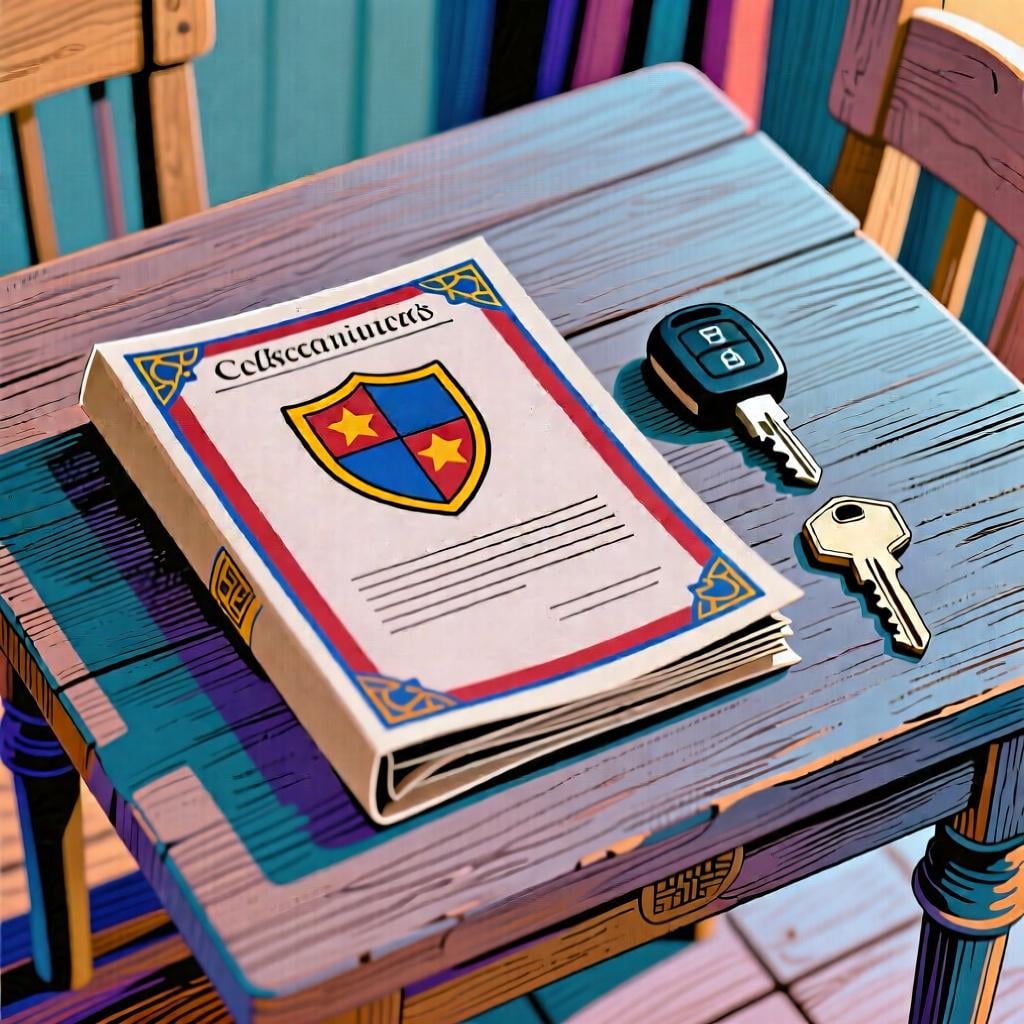
insuranceAlso: insurance policy
📝 In Action
Tengo que renovar el seguro del coche.
B1I have to renew the car insurance.
¿Este hospital acepta mi seguro médico?
B1Does this hospital accept my health insurance?
La compañía de seguros no cubrió los daños.
B2The insurance company did not cover the damages.
Word Connections
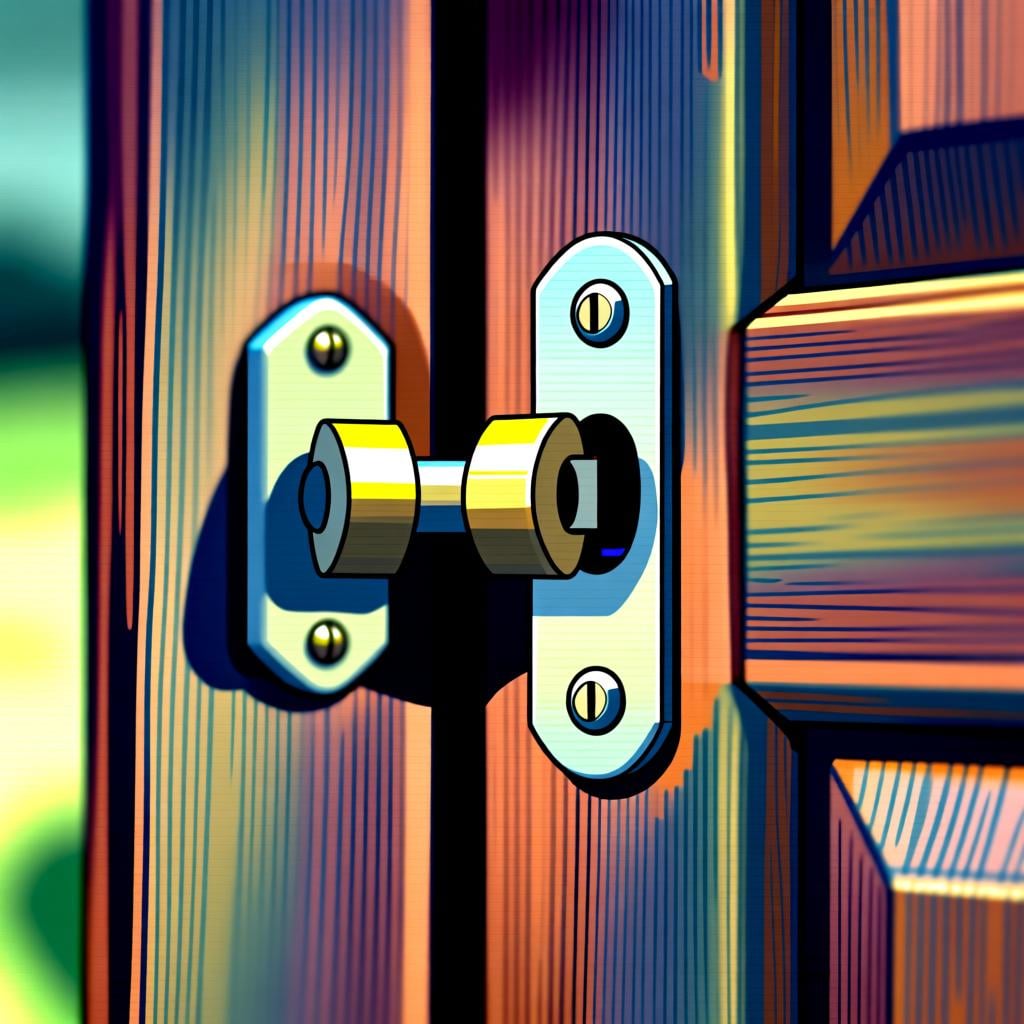
safety lockAlso: latch, bolt, safety pin
📝 In Action
No olvides poner el seguro en la puerta antes de dormir.
B1Don't forget to put the lock on the door before sleeping.
El rifle tiene un seguro para evitar disparos accidentales.
C1The rifle has a safety lock to prevent accidental shots.
Word Connections
surelyAlso: probably, certainly

📝 In Action
Seguro que llueve mañana.
B1It'll surely rain tomorrow.
Si no estudias, seguro suspendes el examen.
B1If you don't study, you'll probably fail the exam.
De seguro nos vemos en la fiesta.
B2We'll surely see each other at the party.
Word Connections
🔀 Commonly Confused With
Translate to Spanish
✏️ Quick Practice
Quick Quiz: seguro
Question 1 of 3
Which sentence means 'This car is a reliable/safe car'?
📚 More Resources
👥 Word Family
📚 Etymology
Comes from the Latin word 'sēcūrus', which is formed from 'sē-' (meaning 'without') and 'cūra' (meaning 'care' or 'worry'). So, its original meaning was literally 'without worry'.
First recorded: Around the 12th century.
Cognates (Related words)
💡 Master Spanish
Take your Spanish to the next level. Read 200+ illustrated and narrated Spanish stories tailored to your level with the Inklingo app!
Frequently Asked Questions
What's the main difference between 'ser seguro' and 'estar seguro'?
Think of it this way: 'ser seguro' describes what something *is* (its permanent quality), like 'a safe car' (un coche seguro). 'Estar seguro' describes how someone *feels* or where something *is*, like 'I am sure' (estoy seguro) or 'the money is in a safe place' (el dinero está seguro).
How can I tell if 'seguro' means 'sure' or 'safe'?
Context is key! If it's about a person's feelings or knowledge ('Yo estoy seguro'), it means 'sure'. If it's about a place, object, or lack of danger ('un barrio seguro'), it means 'safe'.
Is 'seguro' the same as 'seguramente'?
They are very similar and often interchangeable when used to mean 'surely' or 'probably'. 'Seguro que viene' and 'Seguramente viene' both mean 'He's probably coming'. 'Seguro' is a bit more common in casual conversation.