How to Say "to tie" in Spanish
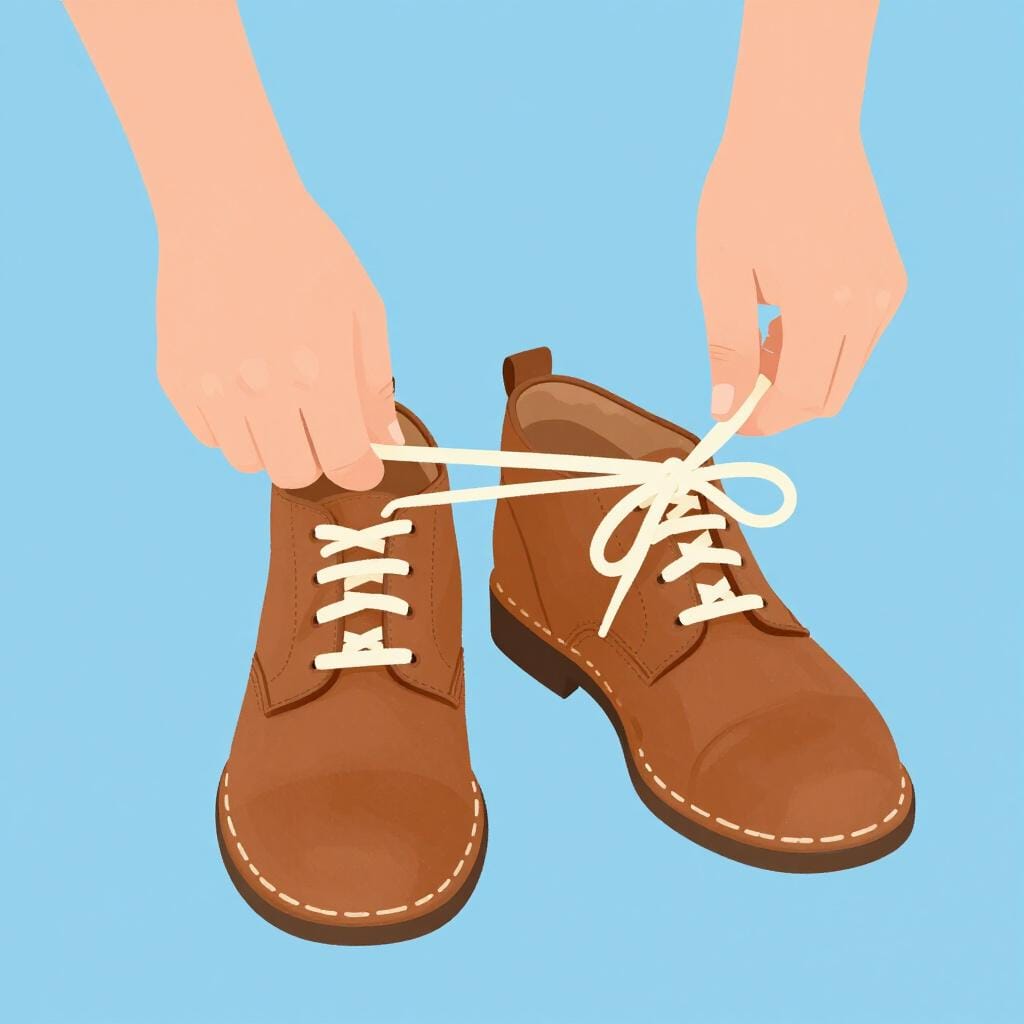
The most common Spanish word for “to tie” is “atar” — use 'atar' for the general act of physically fastening or binding something with a string, rope, or cord.

Use 'atar' for the general act of physically fastening or binding something with a string, rope, or cord.
Learn more →
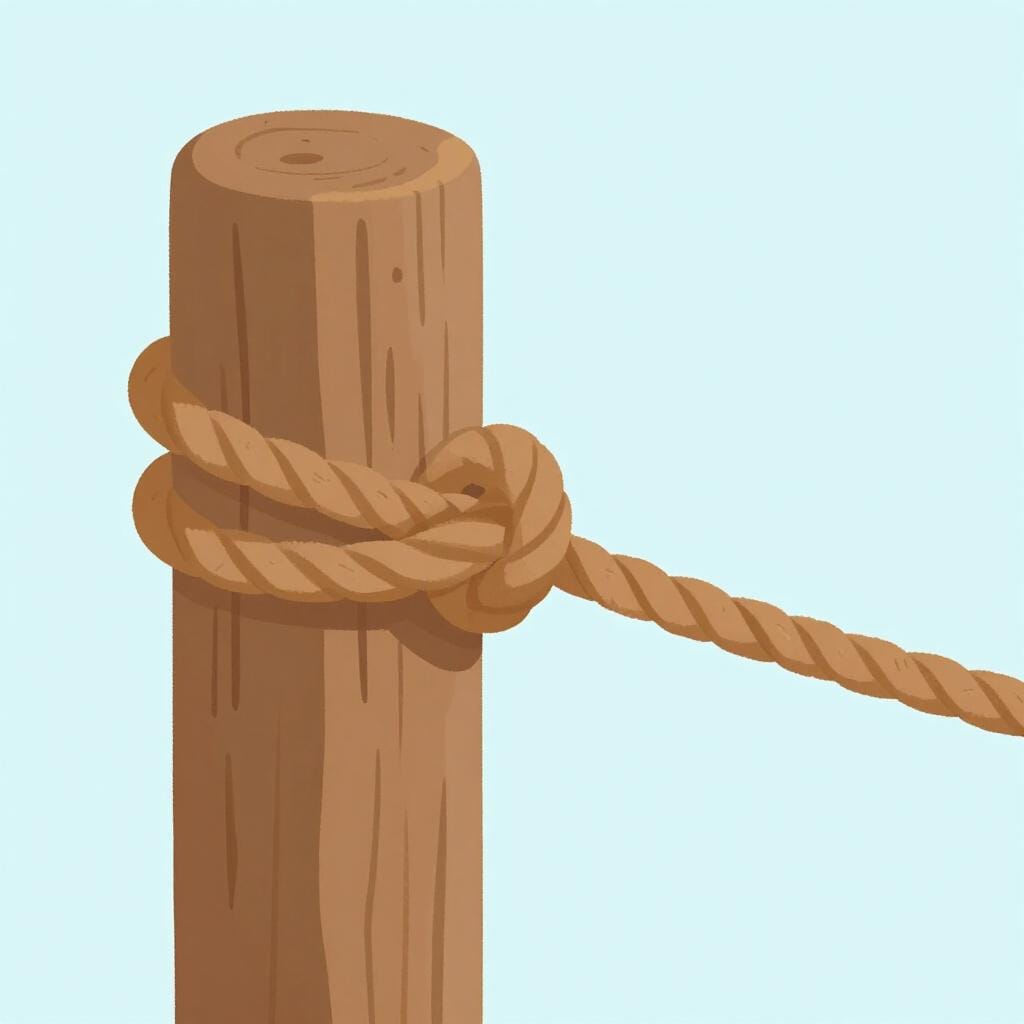
Use 'amarrar' when specifically referring to tying something securely with a knot using a string, rope, or cord, often implying a stronger hold.
Learn more →
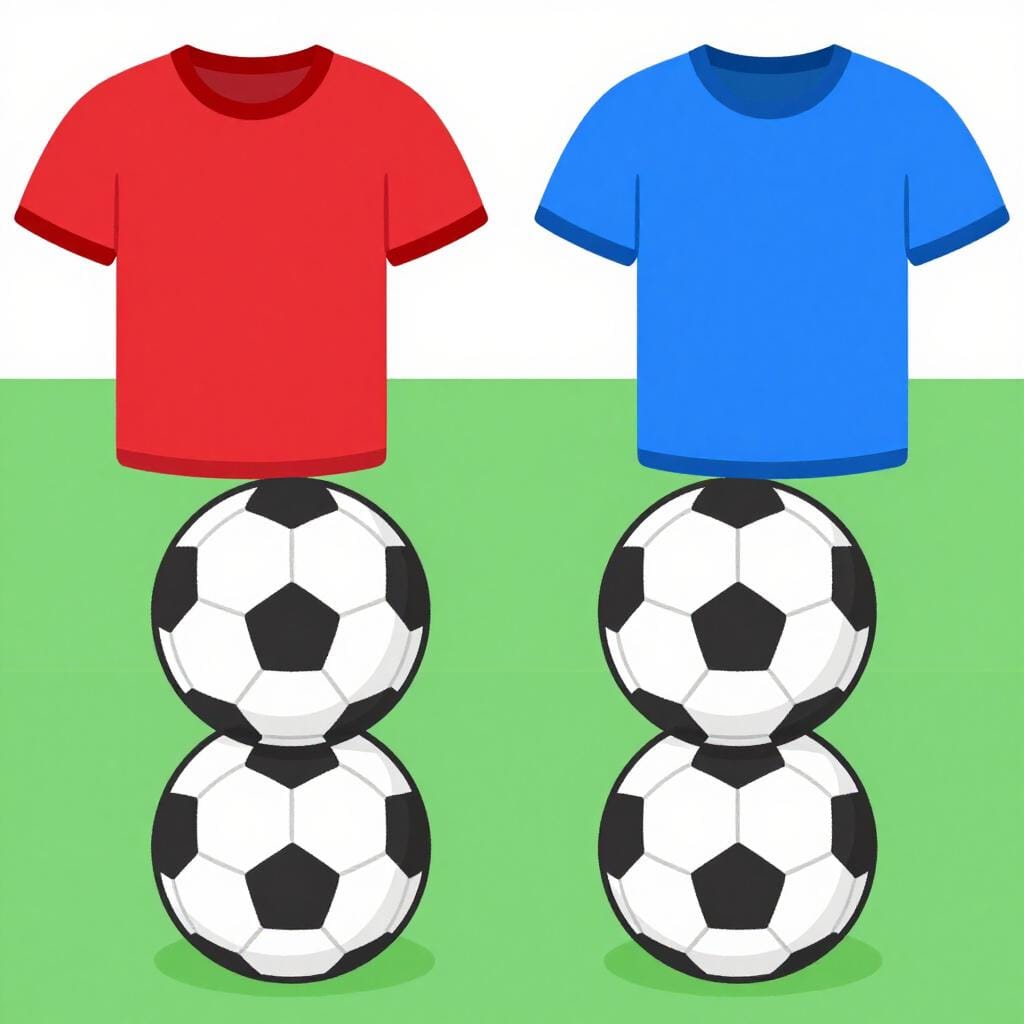
Use 'empatar' exclusively when referring to a draw or tie in a game, competition, or score.
Learn more →ah-TAHRaˈtaɾ
Examples
Tienes que atar bien la cuerda.
You have to tie the rope well.
Tengo que atar mis zapatos.
I have to tie my shoes.
Él ató el paquete con una cuerda roja.
He tied the package with a red string.
Ata al perro antes de entrar a la tienda.
Tie the dog up before going into the store.
Doing it to yourself
When you are tying something of your own, like your shoes or your hair, you add 'se' to the end (atarse). For example: 'Me ato el pelo' (I tie my hair).
Regular AR Pattern
This verb follows the standard rules for -ar verbs. If you know how to conjugate 'hablar', you already know how to conjugate 'atar'!
Tying vs. Wearing
Mistake: “Uso 'atar' para decir 'to wear clothes'.”
Correction: Use 'llevar' or 'ponerse' for wearing clothes. 'Atar' is strictly for the action of tying knots or strings.
ah-mah-RRARamaˈraɾ
Examples
Amarré el bote al muelle con una cuerda gruesa.
I tied the boat to the dock with a thick rope.
Tengo que amarrar mis zapatos antes de correr.
I have to tie my shoes before running.
Por favor, amarra el paquete con esta cuerda.
Please, tie the package with this rope.
No amarres al perro al poste por mucho tiempo.
Don't tie the dog to the post for a long time.
Action vs. Result
Use 'amarrar' for the action of tying. If you want to say something is already tied, use 'está amarrado'.
Adding the 'A' for People/Pets
When tying a person or a pet, you must add the word 'a' before them, as in: 'Amarra a tu perro' (Tie your dog).
Confusing 'amarrar' with 'atar'
Mistake: “Using 'atar' for boats in Latin America.”
Correction: In Latin America, 'amarrar' is the preferred word for almost all tying, especially boats and shoes, while 'atar' is more common in Spain.
em-pah-TARempaˈtaɾ
Examples
El partido terminó en empate.
The game ended in a tie.
Mi equipo de fútbol empató ayer.
My soccer team tied yesterday.
Ellos empataron a dos goles en el último minuto.
They tied at two goals in the last minute.
Si logramos empatar el partido, pasaremos a la siguiente ronda.
If we manage to tie the match, we will move on to the next round.
Using 'a' with scores
When you mention the specific score, always use the word 'a' (to/at). For example: 'Empatamos a tres' (We tied at three).
The 'Quedar' Combo
Spanish speakers often use the word 'quedar' (to remain/stay) before 'empatados' to describe the final state of a game: 'Quedaron empatados' (They ended in a tie).
Confusion with clothing
Mistake: “Using 'corbata' (necktie) when you want to say the score was equal.”
Correction: Always use 'empatar' for the action and 'empate' for the noun. 'Corbata' is only the piece of clothing you wear with a suit.
Physical Ties vs. Game Ties
The most frequent confusion is using 'empatar' for physical knots. Remember that 'empatar' only applies to scores in games or competitions. For any physical binding or knotting, you need 'atar' or 'amarrar'.
Related Translations
Learn Spanish with Inklingo
Interactive stories, personalized learning, and more.