How to Say "to draw" in Spanish
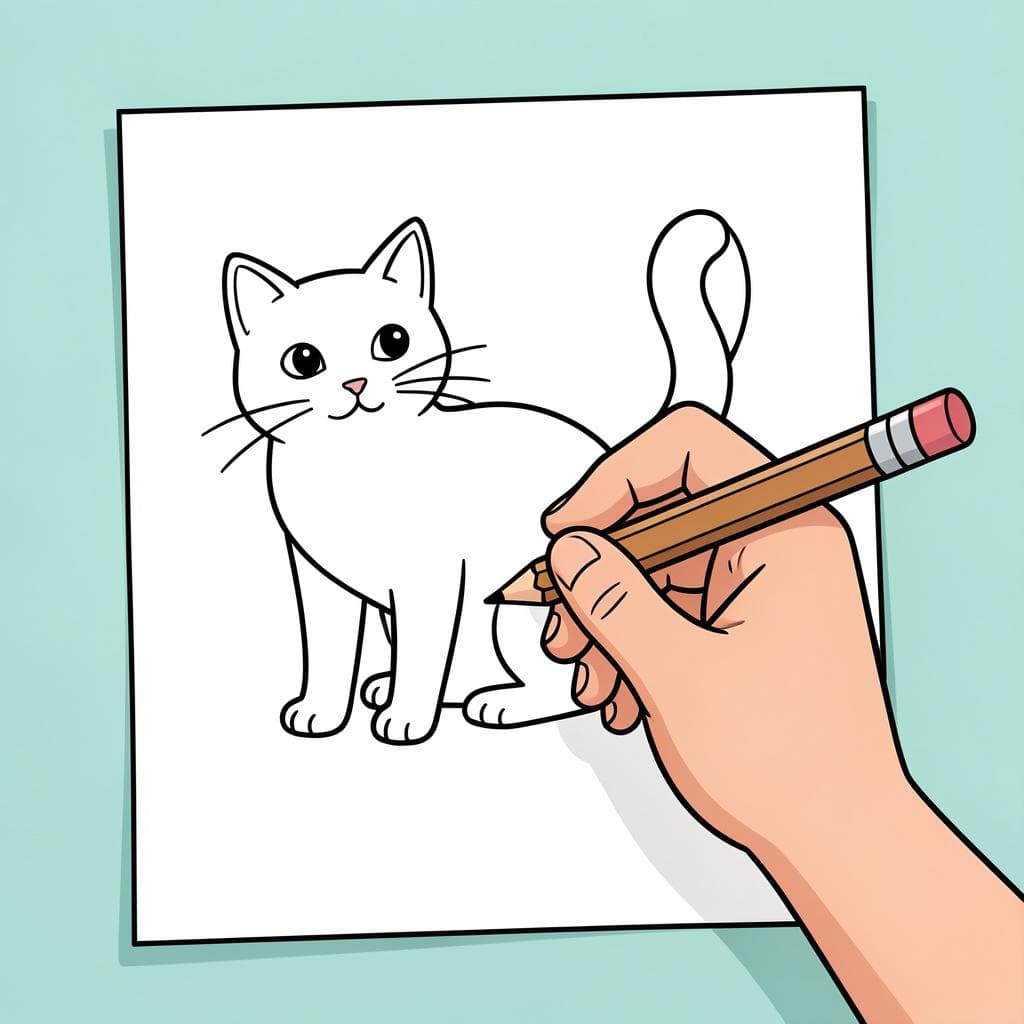
The most common Spanish word for “to draw” is “dibujar” — use 'dibujar' when you are creating a picture or image using lines, typically with a pencil, pen, or crayon.



dibujar
dee-boo-HARdiβuˈxaɾ

Examples
Me gusta dibujar paisajes con lápiz.
I like to draw landscapes with a pencil.
Ella dibuja un retrato de su hermano.
She is drawing a portrait of her brother.
A perfect starter verb
This is a regular '-ar' verb. Once you learn the pattern for this word, you can conjugate thousands of other Spanish verbs just like it!
Draw vs. Design
Mistake: “Using 'diseñar' when you mean to draw a picture.”
Correction: Use 'dibujar' for creating art with lines, and 'diseñar' for technical planning or fashion design.
pintar
peen-TARpinˈtaɾ

Examples
Picasso pintó obras muy famosas.
Picasso painted very famous works.
¿Qué estás pintando? Parece un paisaje hermoso.
What are you painting? It looks like a beautiful landscape.
Drawing vs. Painting
Mistake: “Using 'dibujar' for applying paint/color.”
Correction: 'Dibujar' (to draw) is for line work, pencil, or sketches. 'Pintar' is for applying paint or color, even if it's a sketch.
correr
koh-REHRkoˈrer
Examples
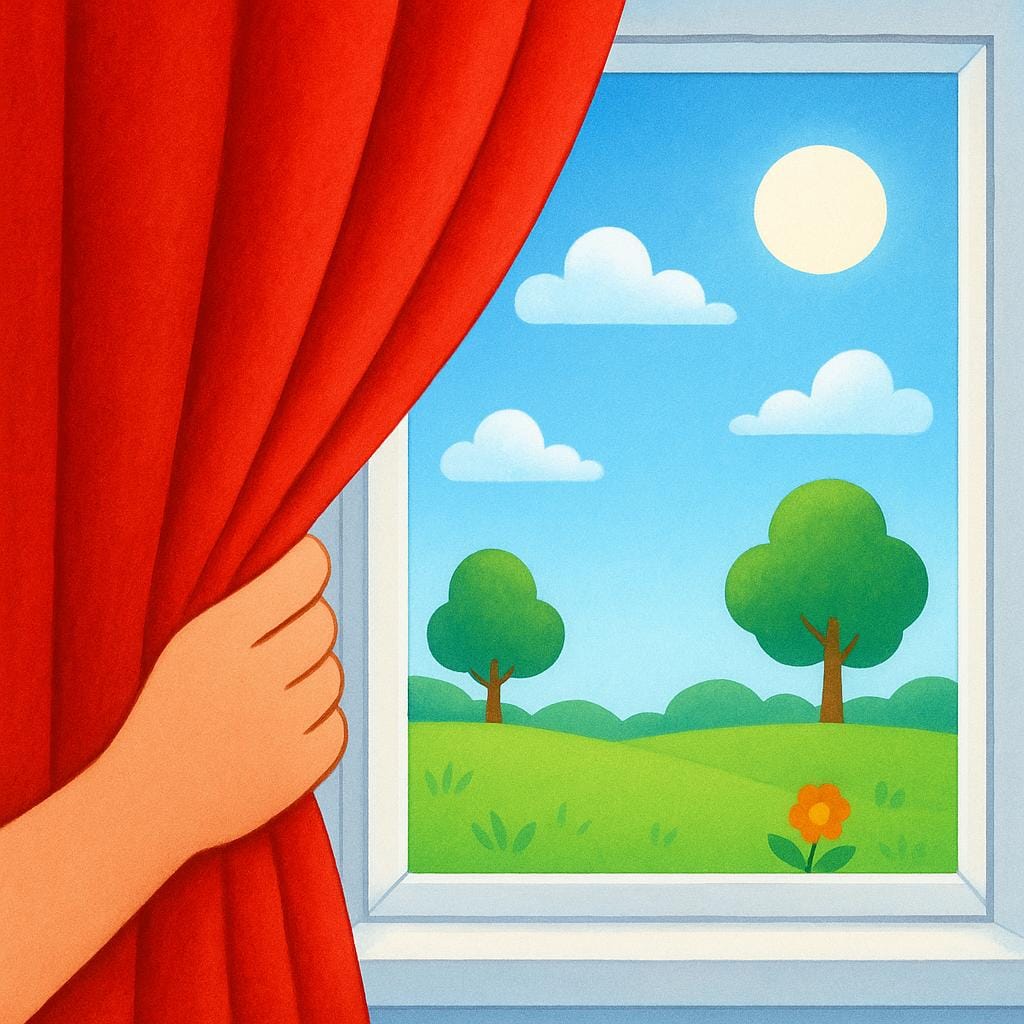
Por favor, corre las cortinas antes de que entre el sol.
Please, draw the curtains before the sun comes in.
Olvidaste correr el pestillo de la puerta.
You forgot to slide the bolt on the door.
Mi jefe me pidió correr con los gastos del viaje.
My boss asked me to be responsible for (cover) the travel expenses.
Transitive Use
In this meaning, 'correr' acts directly on an object (the curtains, the bolt). It means you are causing the object to move or slide.
trazar
tra-SARtɾaˈsaɾ

Examples
Ella traza una línea recta con la regla.
She draws a straight line with the ruler.
El arquitecto trazó los planos del edificio.
The architect drew the plans for the building.
Es difícil trazar el mapa de esta zona.
It is difficult to map out (draw the map of) this area.
The Z-to-C Change
In Spanish, the letter 'z' changes to 'c' when followed by an 'e'. This happens in the 'yo' form of the past tense (tracé) and all 'present subjunctive' forms (trace, traces, etc.).
Trazar vs. Dibujar
Use 'dibujar' for general drawing or art. Use 'trazar' when you are being precise, like drawing technical lines, maps, or specific paths.
Spelling in the Past
Mistake: “Yo trazé los planos.”
Correction: Yo tracé los planos. (Remember, 'z' becomes 'c' before 'e' to keep the sound correct!)
empatar
em-pah-TARempaˈtaɾ
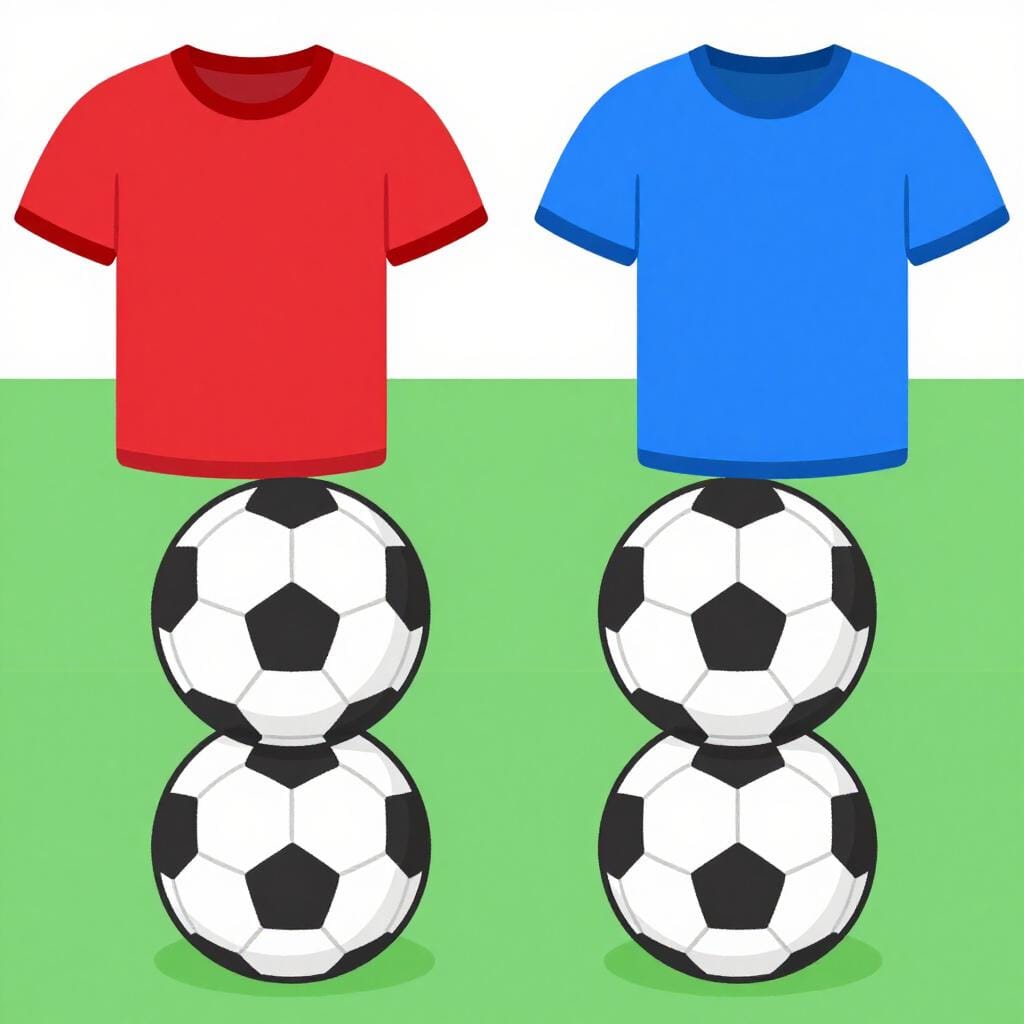
Examples
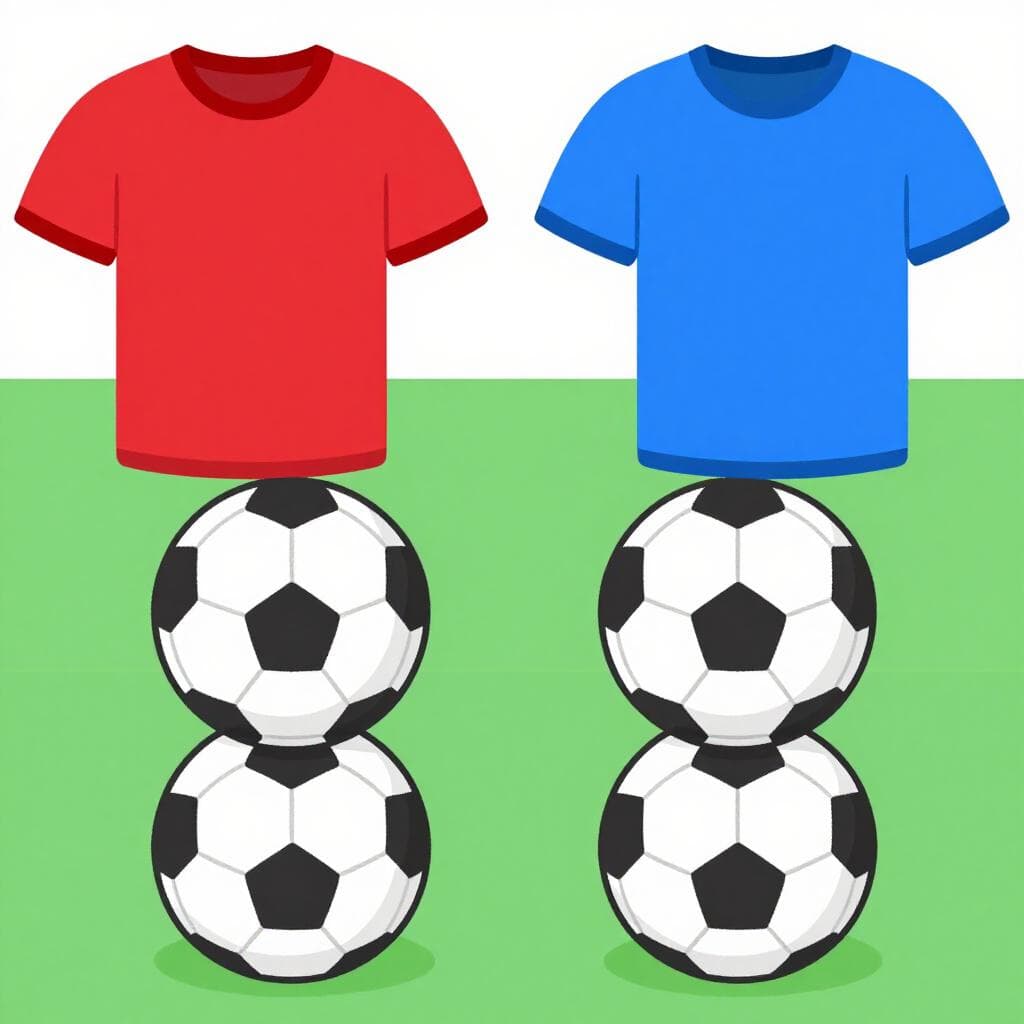
Mi equipo de fútbol empató ayer.
My soccer team tied yesterday.
Ellos empataron a dos goles en el último minuto.
They tied at two goals in the last minute.
Si logramos empatar el partido, pasaremos a la siguiente ronda.
If we manage to tie the match, we will move on to the next round.
Using 'a' with scores
When you mention the specific score, always use the word 'a' (to/at). For example: 'Empatamos a tres' (We tied at three).
The 'Quedar' Combo
Spanish speakers often use the word 'quedar' (to remain/stay) before 'empatados' to describe the final state of a game: 'Quedaron empatados' (They ended in a tie).
Confusion with clothing
Mistake: “Using 'corbata' (necktie) when you want to say the score was equal.”
Correction: Always use 'empatar' for the action and 'empate' for the noun. 'Corbata' is only the piece of clothing you wear with a suit.
extraer
eks-tra-ehreks.tɾaˈeɾ

Examples
Podemos extraer una lección importante de esta historia.
We can draw an important lesson from this story.
El investigador extrajo datos valiosos del informe.
The researcher extracted valuable data from the report.
¿Qué conclusiones extraes de la reunión?
What conclusions do you draw from the meeting?
Abstract Usage
When using this word for ideas or information, it functions just like 'sacar' but sounds more intellectual and precise.
Art vs. Action
Related Translations
Learn Spanish with Inklingo
Interactive stories, personalized learning, and more.