dibujar
“dibujar” means “to draw” in Spanish. It has 2 different meanings depending on context:
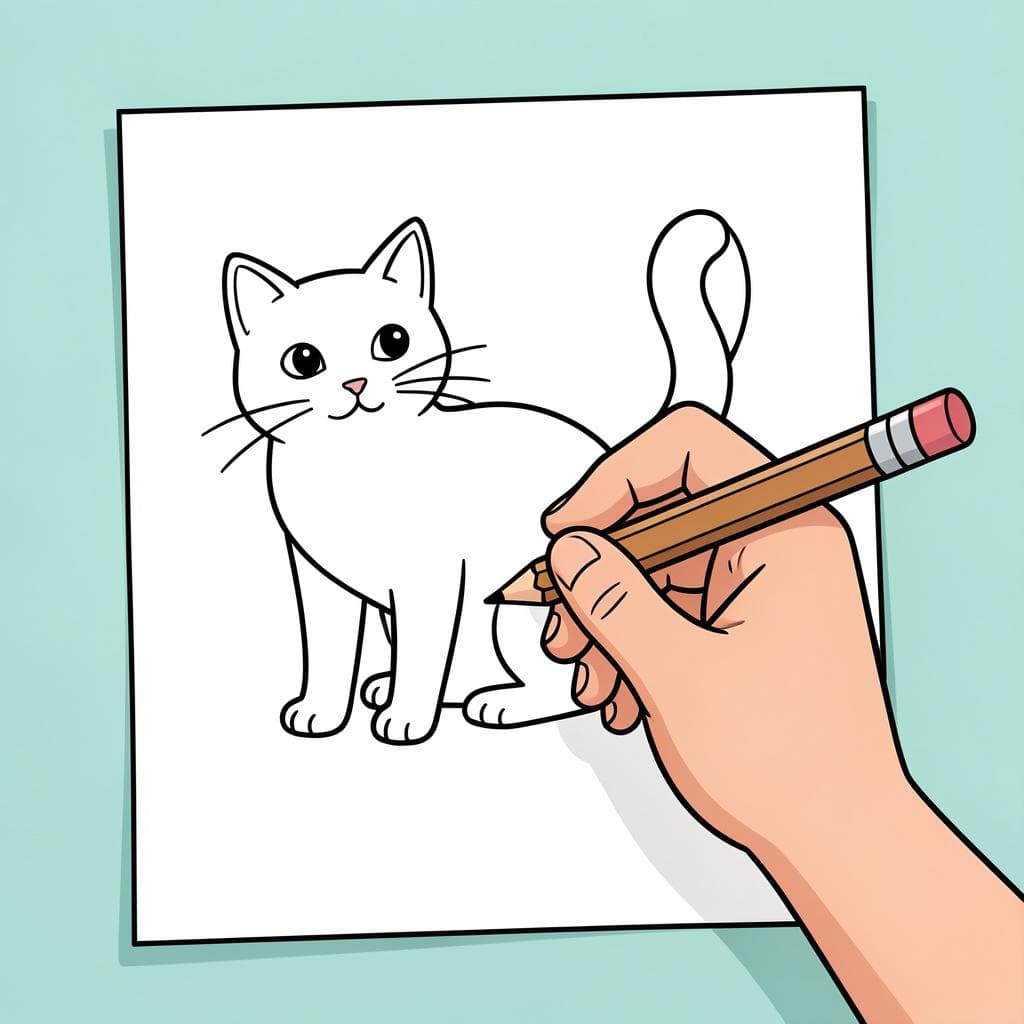
to draw
Also: to sketch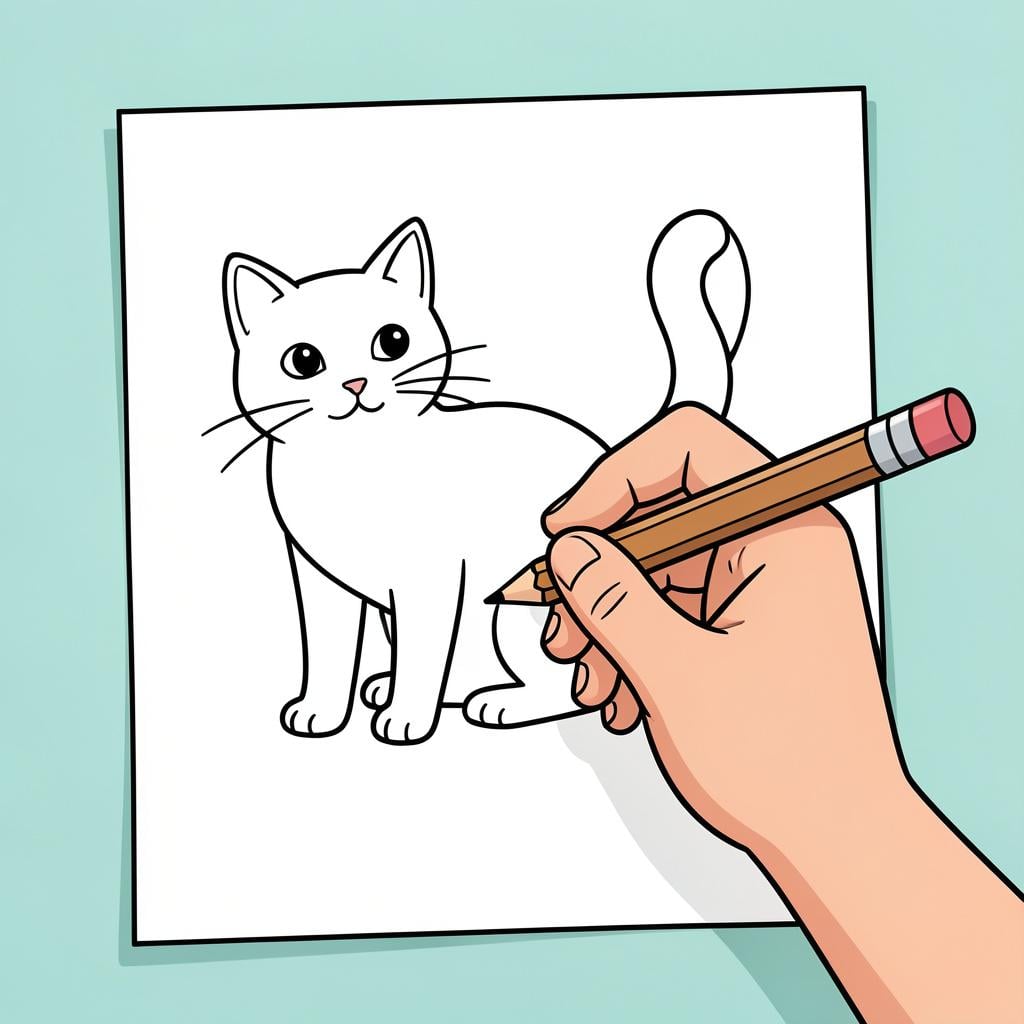
📝 In Action
Me gusta dibujar paisajes con lápiz.
A1I like to draw landscapes with a pencil.
Ella dibuja un retrato de su hermano.
A1She is drawing a portrait of her brother.
to outline or depict
Also: to take shape
📝 In Action
El informe dibuja una situación económica difícil.
B2The report outlines a difficult economic situation.
Una sonrisa se dibujó en su rostro.
B1A smile appeared on her face.
Subjunctive
Imperfect Subjunctive
Present Subjunctive
Indicative
Preterite
Imperfect
Present
Translate to Spanish
✏️ Quick Practice
Quick Quiz: dibujar
Question 1 of 1
Which sentence correctly uses 'dibujar' to mean 'to sketch'?
📚 More Resources
👥 Word Family▼
📚 Etymology▼
Comes from the Old Spanish word 'dibujo', which evolved from a mix of Latin roots meaning 'to mark out' or 'to point'. It is related to the idea of leaving a mark or sign on a surface.
First recorded: 13th century
Cognates (Related words)
💡 Master Spanish
Take your Spanish to the next level. Read 200+ illustrated and narrated Spanish stories tailored to your level with the Inklingo app!
Frequently Asked Questions
Is 'dibujar' a regular verb?
Yes, it is a completely regular -ar verb, making it very easy to conjugate in all tenses!
What is the difference between 'dibujar' and 'pintar'?
Generally, 'dibujar' refers to using lines (pencils, pens, charcoal), while 'pintar' refers to using colors and brushes (painting).