ilustrar
“ilustrar” means “to illustrate” in Spanish. It has 2 different meanings depending on context:


to illustrateAlso: to decorate

📝 In Action
Ella va a ilustrar el nuevo libro de cuentos.
A2She is going to illustrate the new storybook.
El artista ilustró la portada con colores vivos.
B1The artist illustrated the cover with bright colors.
Estamos buscando a alguien para ilustrar el manual técnico.
B2We are looking for someone to illustrate the technical manual.
Word Connections
to illustrateAlso: to explain, to enlighten
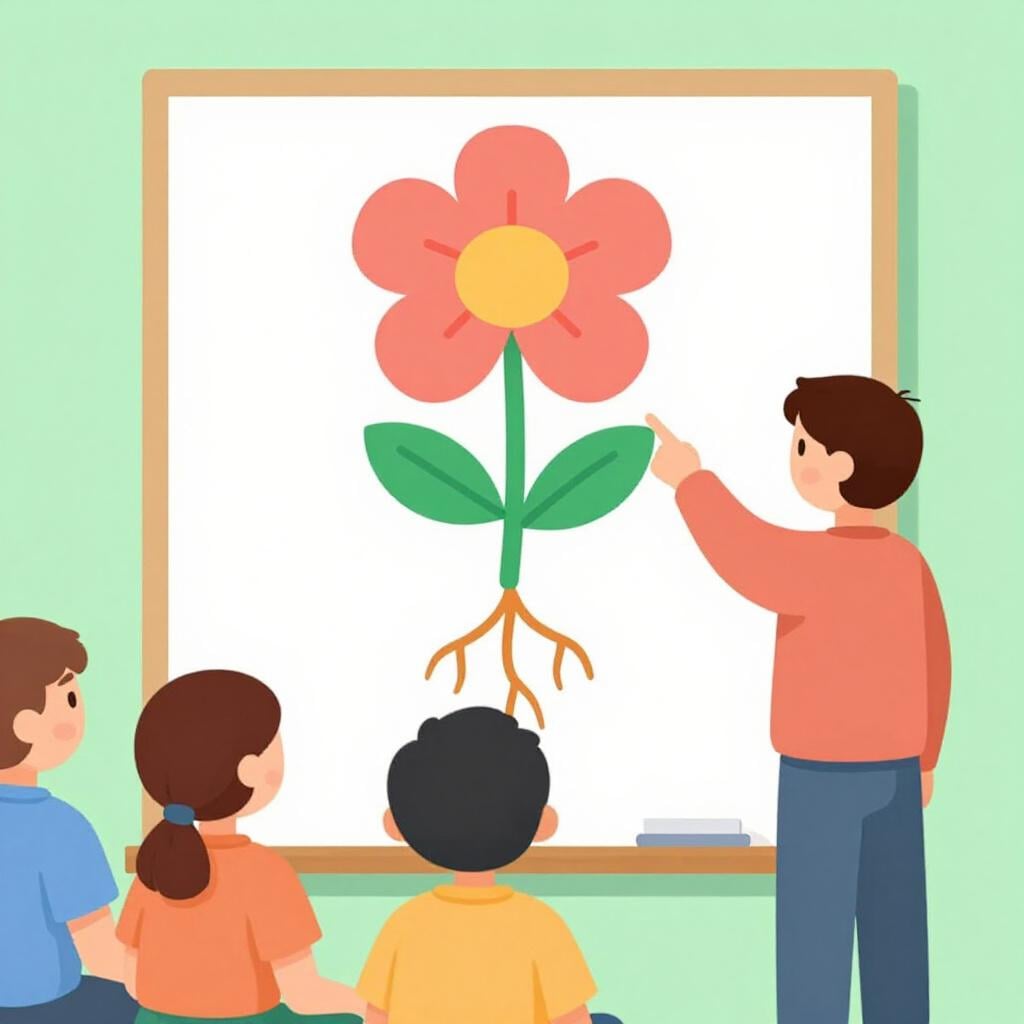
📝 In Action
Permítame ilustrar mi punto con un ejemplo real.
B2Let me illustrate my point with a real example.
El profesor ilustró la teoría mediante un experimento.
B2The professor illustrated the theory by means of an experiment.
Esos datos sirven para ilustrar la gravedad de la situación.
C1Those facts serve to illustrate the gravity of the situation.
Word Connections
Subjunctive
Imperfect Subjunctive
Present Subjunctive
Indicative
Preterite
Imperfect
Present
Translate to Spanish
Words that translate to "ilustrar" in Spanish:
✏️ Quick Practice
Quick Quiz: ilustrar
Question 1 of 3
Which sentence uses 'ilustrar' to mean 'explaining with examples'?
📚 More Resources
👥 Word Family
📚 Etymology
From the Latin word 'illustrare', which literally meant 'to light up' or 'to make bright'. This is why it refers to both making a page look better with art and making an idea 'clearer' in your mind.
First recorded: 15th century
Cognates (Related words)
💡 Master Spanish
Take your Spanish to the next level. Read 200+ illustrated and narrated Spanish stories tailored to your level with the Inklingo app!
Frequently Asked Questions
Is 'ilustrar' a regular verb?
Yes, it follows the standard pattern for all verbs ending in -ar in all tenses. No stem changes or weird endings!
Can I use 'ilustrar' for making a simple sketch?
Technically yes, but it sounds very formal. For a quick sketch or doodle, 'dibujar' (to draw) or 'hacer un boceto' (to make a sketch) is much more natural.
What does 'la Ilustración' refer to?
When capitalized, it refers to 'The Enlightenment', the 18th-century philosophical movement that emphasized reason and science (metaphorically 'lighting up' the darkness of ignorance).