oscurecer
“oscurecer” means “to get dark” in Spanish. It has 2 different meanings depending on context:
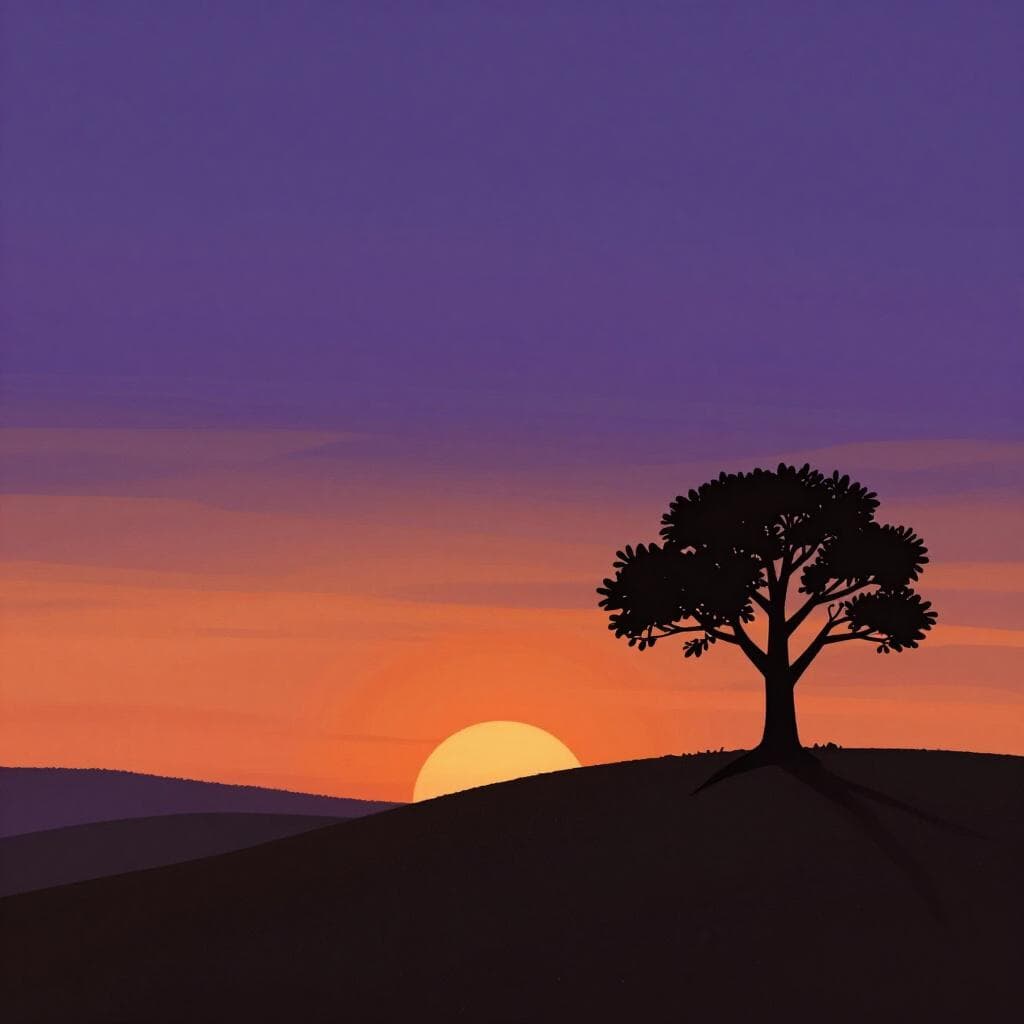

to get dark
Also: to grow dark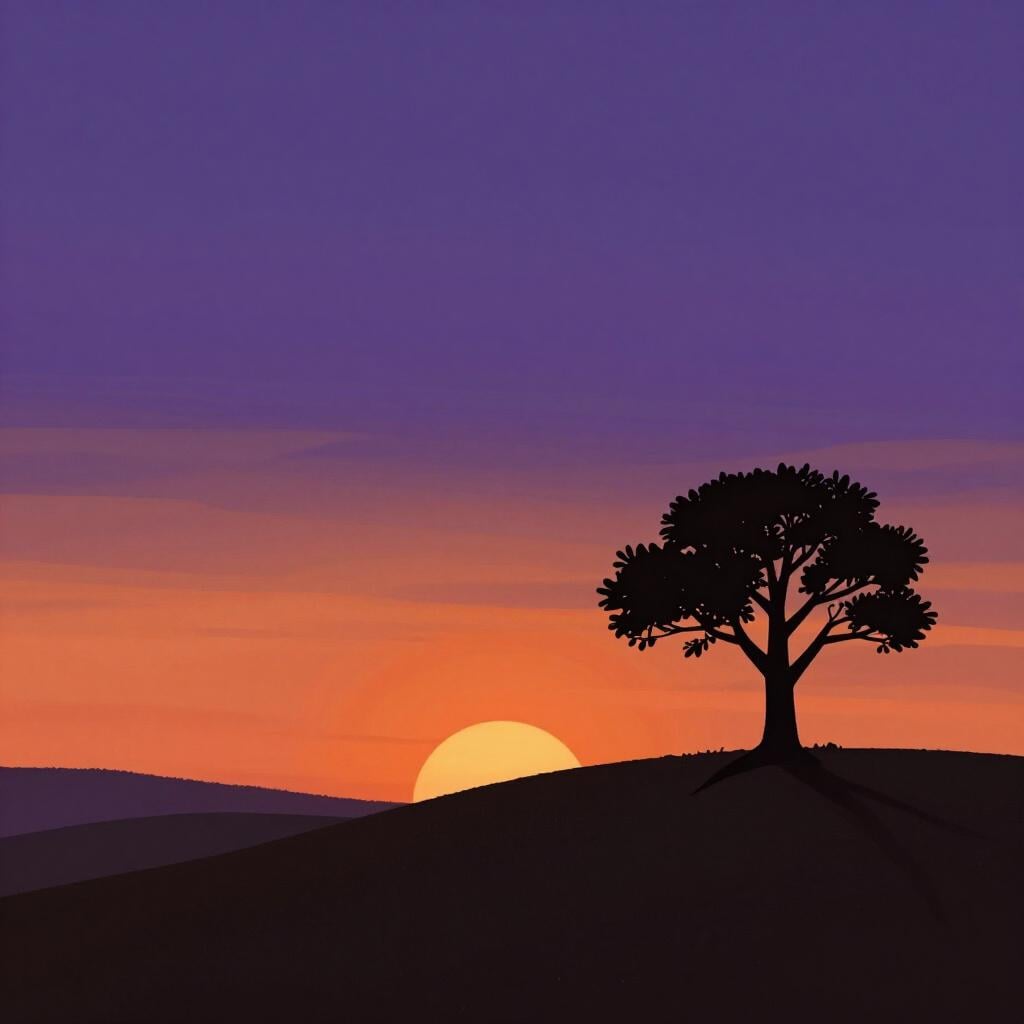
📝 In Action
En invierno empieza a oscurecer a las cinco.
A2In winter it starts to get dark at five o'clock.
Está oscureciendo, deberíamos volver a casa.
A2It is getting dark; we should go back home.
Me gusta caminar por la playa cuando empieza a oscurecer.
B1I like walking on the beach when it starts to grow dark.
to darken
Also: to shade
📝 In Action
Quiero oscurecer un poco el color de las paredes.
B1I want to darken the color of the walls a little bit.
Ella decidió oscurecer su cabello para el invierno.
B1She decided to darken her hair for the winter.
Las nubes oscurecieron el campo de repente.
B2The clouds suddenly darkened the field.
Subjunctive
Imperfect Subjunctive
Present Subjunctive
Indicative
Preterite
Imperfect
Present
Translate to Spanish
✏️ Quick Practice
Quick Quiz: oscurecer
Question 1 of 3
How would you say 'I darken' in Spanish?
📚 More Resources
👥 Word Family▼
📚 Etymology▼
From the Latin word 'obscurescere,' which means 'to begin to grow dark.' It comes from the root 'obscurus' (dark or covered).
First recorded: 13th century
Cognates (Related words)
💡 Master Spanish
Take your Spanish to the next level. Read 200+ illustrated and narrated Spanish stories tailored to your level with the Inklingo app!
Frequently Asked Questions
What is the difference between 'oscurecer' and 'anochecer'?
'Oscurecer' means to get dark (light levels decreasing), while 'anochecer' specifically means that night is arriving. Often they are used interchangeably.
Is 'oscurecer' irregular?
Yes, but only slightly. It has a 'zc' in the 'yo' form of the present and in all forms of the special 'wishes/commands' (subjunctive) mode.
Can I use 'oscurecer' for skin tanning?
Yes, you can say 'mi piel se oscureció' (my skin darkened) after being in the sun, though 'broncearse' is more common for tanning.