anochecer
“anochecer” means “to get dark” in Spanish. It has 2 different meanings depending on context:

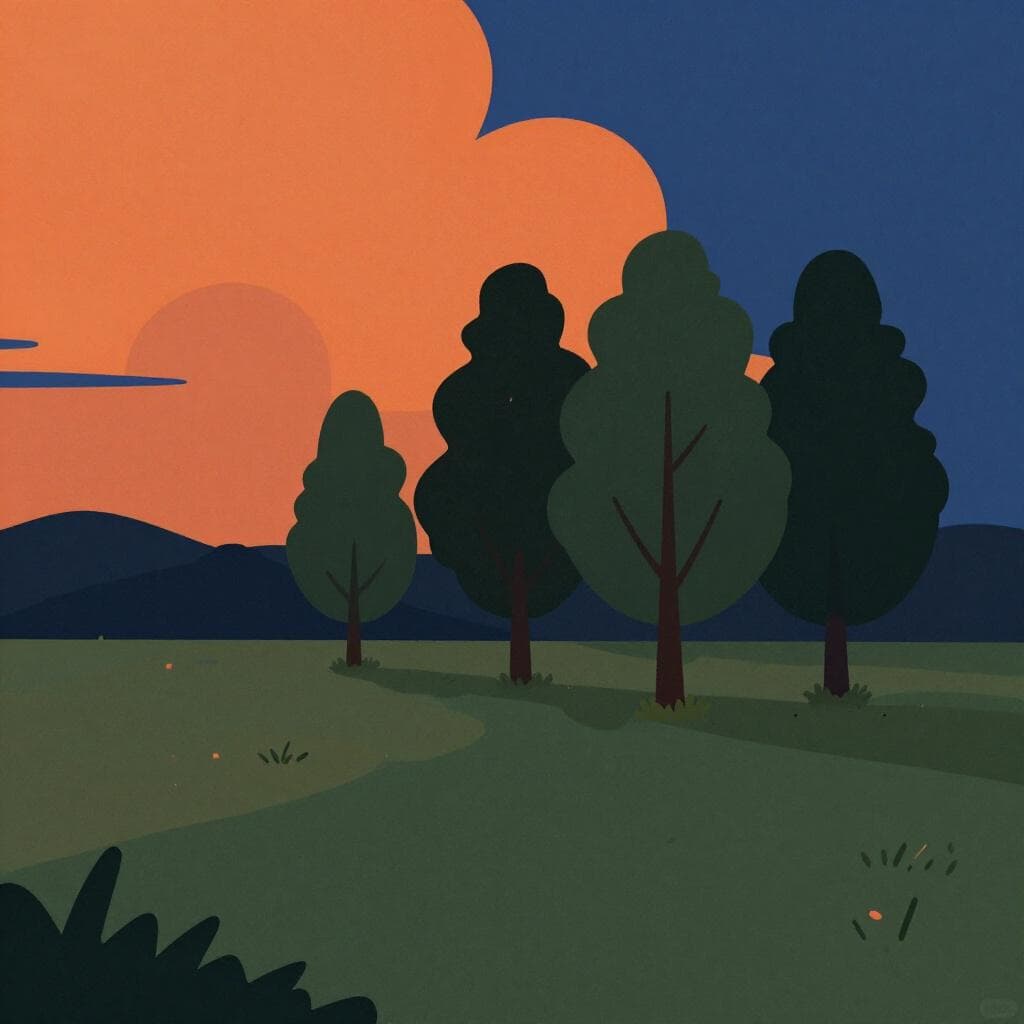
to get dark
Also: to become night, to be somewhere when night falls
📝 In Action
En invierno, anochece muy temprano.
A1In winter, it gets dark very early.
Está anocheciendo, deberíamos volver a casa.
A2It is getting dark, we should head back home.
Anochecimos en un hotel cerca de la frontera.
B2We were at a hotel near the border when night fell.
dusk
Also: nightfall, sunset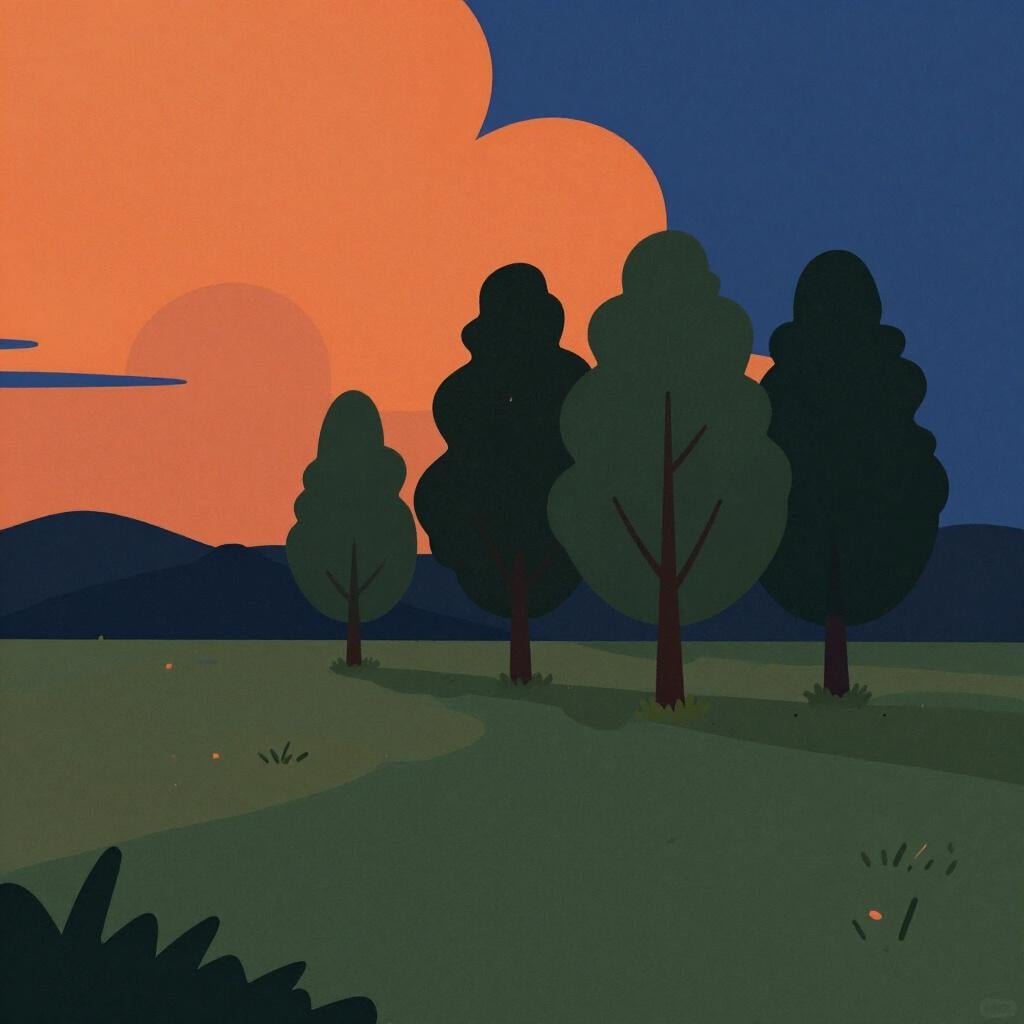
📝 In Action
Me encanta ver el anochecer desde el balcón.
A2I love watching the dusk from the balcony.
Al anochecer, las luces de la ciudad se encienden.
B1At nightfall, the city lights turn on.
Subjunctive
Imperfect Subjunctive
Present Subjunctive
Indicative
Preterite
Imperfect
Present
Translate to Spanish
✏️ Quick Practice
Quick Quiz: anochecer
Question 1 of 3
How do you say 'it's getting dark' in Spanish?
📚 More Resources
👥 Word Family▼
📚 Etymology▼
From the Spanish prefix 'a-' (towards) combined with 'noche' (night) and the ending '-ecer' which indicates a change of state. It traces back to the Latin 'ad-noctescere'.
First recorded: 13th century
Cognates (Related words)
💡 Master Spanish
Take your Spanish to the next level. Read 200+ illustrated and narrated Spanish stories tailored to your level with the Inklingo app!
Frequently Asked Questions
What is the difference between 'atardecer' and 'anochecer'?
'Atardecer' refers to the late afternoon or the start of the sunset (around 5-7 PM), while 'anochecer' is specifically when it actually starts to get dark and turn into night.
Can I use 'anochecer' for people?
Yes! Unlike English 'to get dark,' you can use it for people to mean 'to be somewhere at the time it becomes night.' For example: 'Anochecí en el camino' (Night fell while I was on the road).
Is it 'el anochecer' or 'la anochecer'?
It is 'el anochecer'. When we turn verbs into nouns like this, they are always masculine.