Inklingo

atardecer

/ah-tar-deh-sehr/

sunset

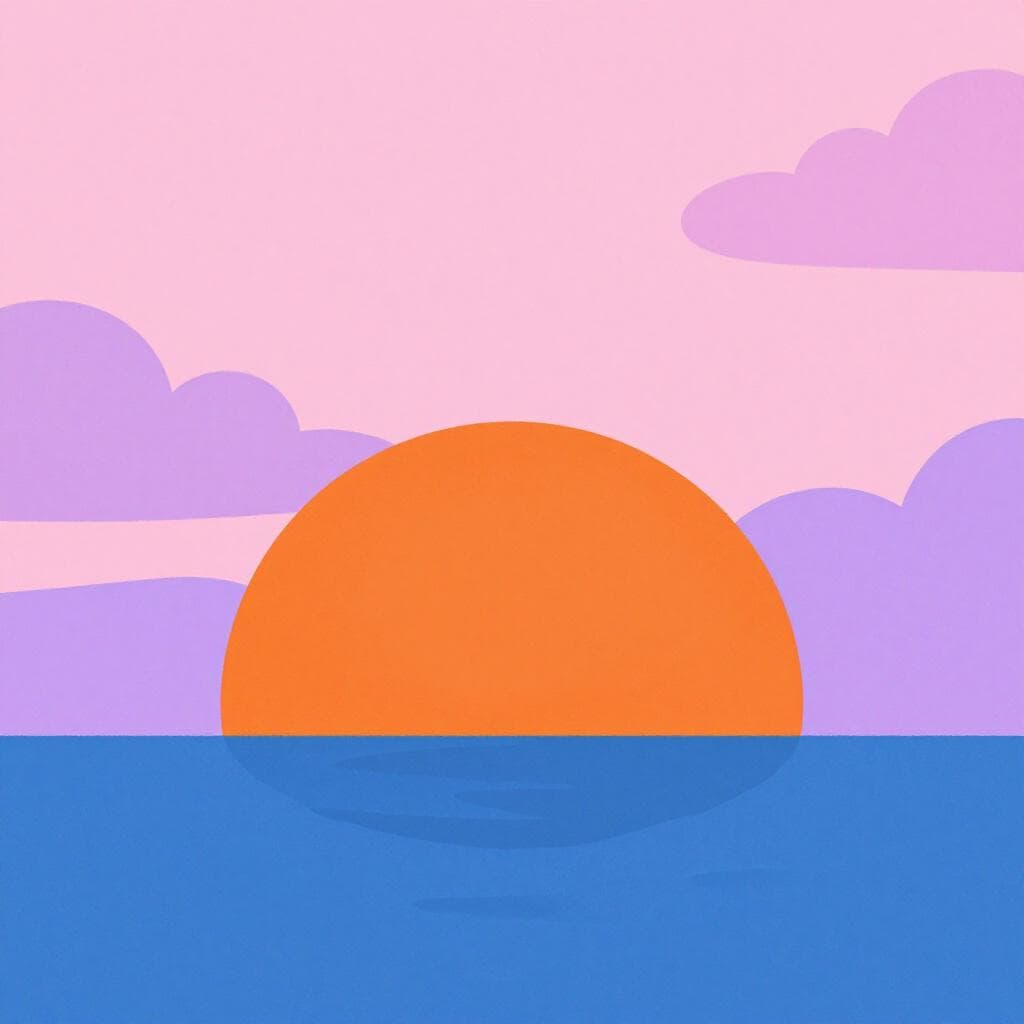
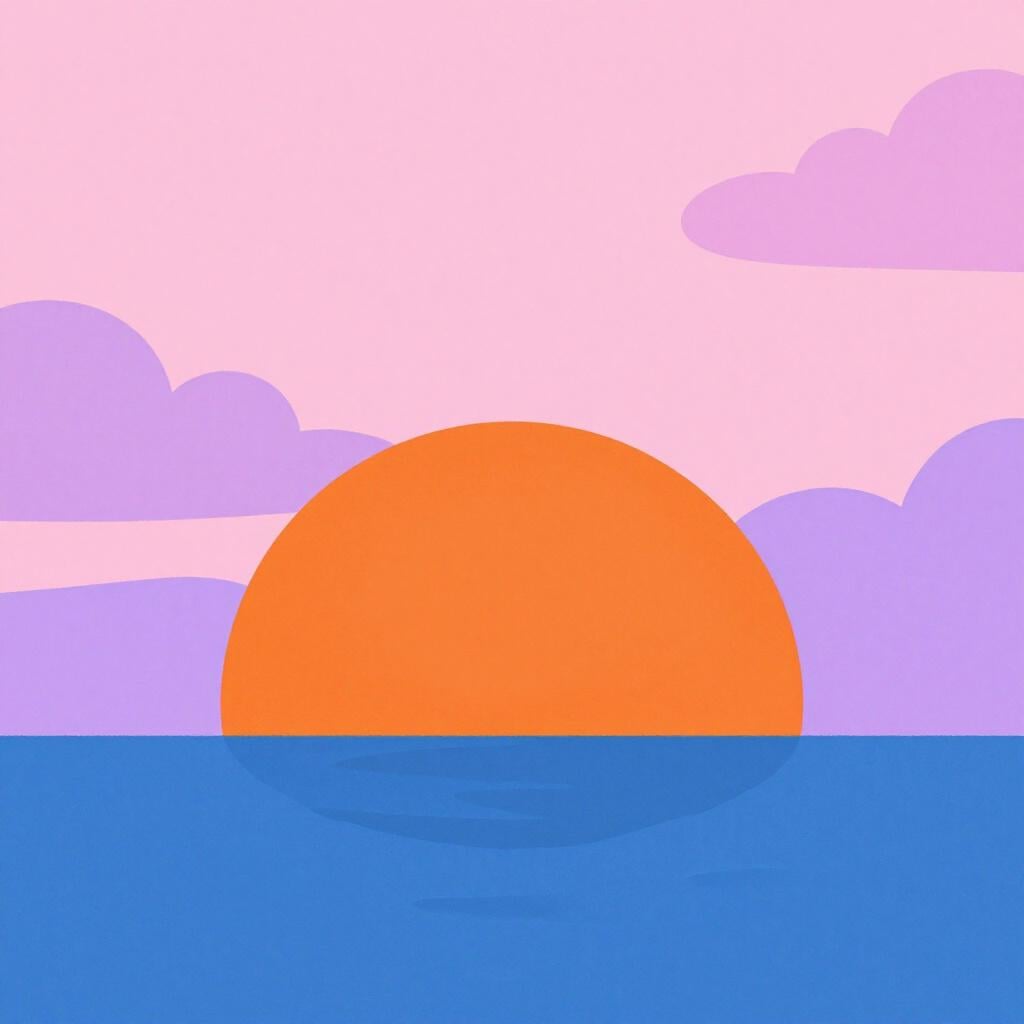
A large orange sun dipping below the calm ocean horizon with pink and purple clouds.

Atardecer as a noun refers to the beautiful moment of sunset.

atardecer(noun)

mA1

sunset

?

the time when the sun goes down

Also:

dusk

?

the period of time just before night

,

late afternoon

?

the final hours of the day

📝 In Action

Vimos un atardecer precioso en la playa.

A1

We saw a beautiful sunset at the beach.

Me gusta salir a caminar al atardecer.

A2

I like to go out for a walk at sunset.

Word Connections

Synonyms

  • puesta de sol (sunset)
  • crepúsculo (twilight)

Antonyms

Common Collocations

  • al atardecerat sunset / at dusk
  • un atardecer rojizoa reddish sunset

💡 Grammar Points

Using 'al'

When you want to say 'at sunset', combine 'a' and 'el' to make 'al atardecer'.

❌ Common Pitfalls

Gender confusion

Mistake: "la atardecer"

Correction: el atardecer (it is a masculine noun).

⭐ Usage Tips

Describing time

Use this word to describe the 'golden hour' or the general time of day when the light starts to fade.

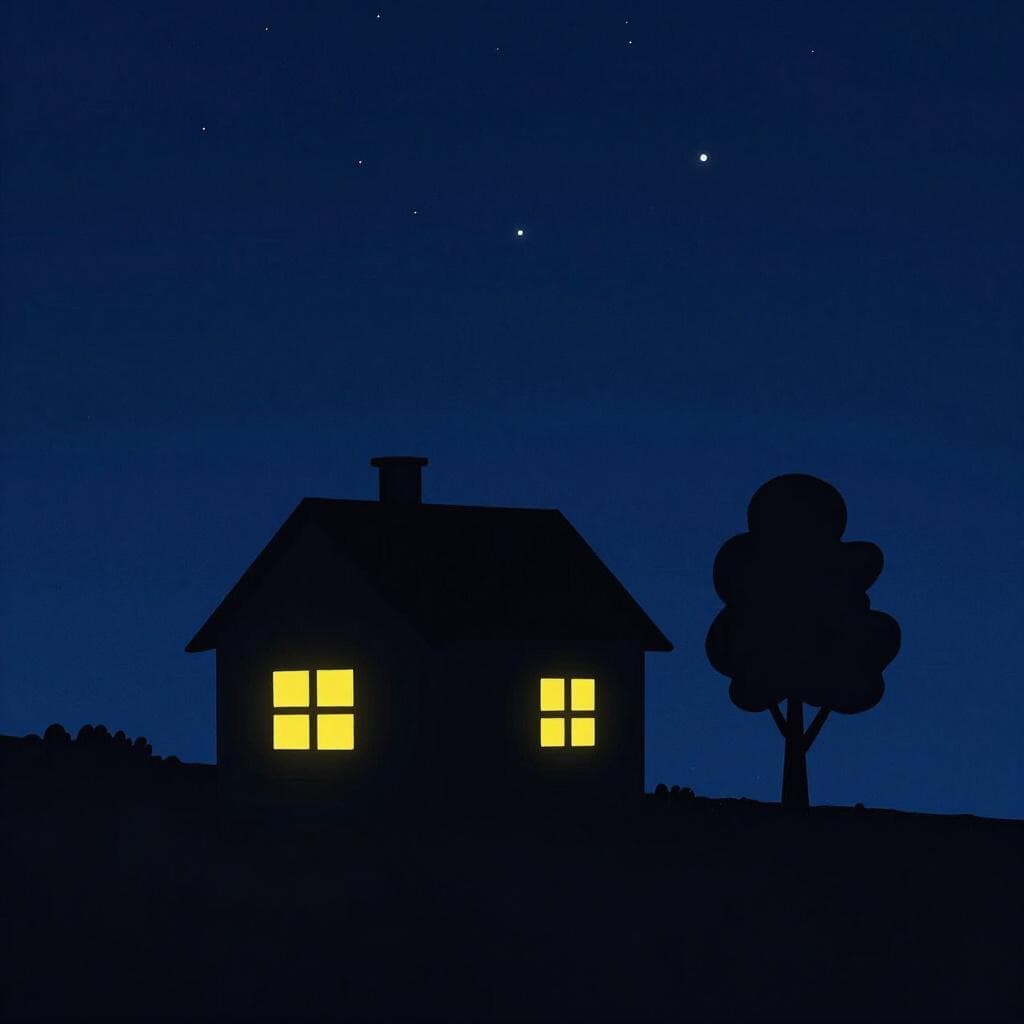
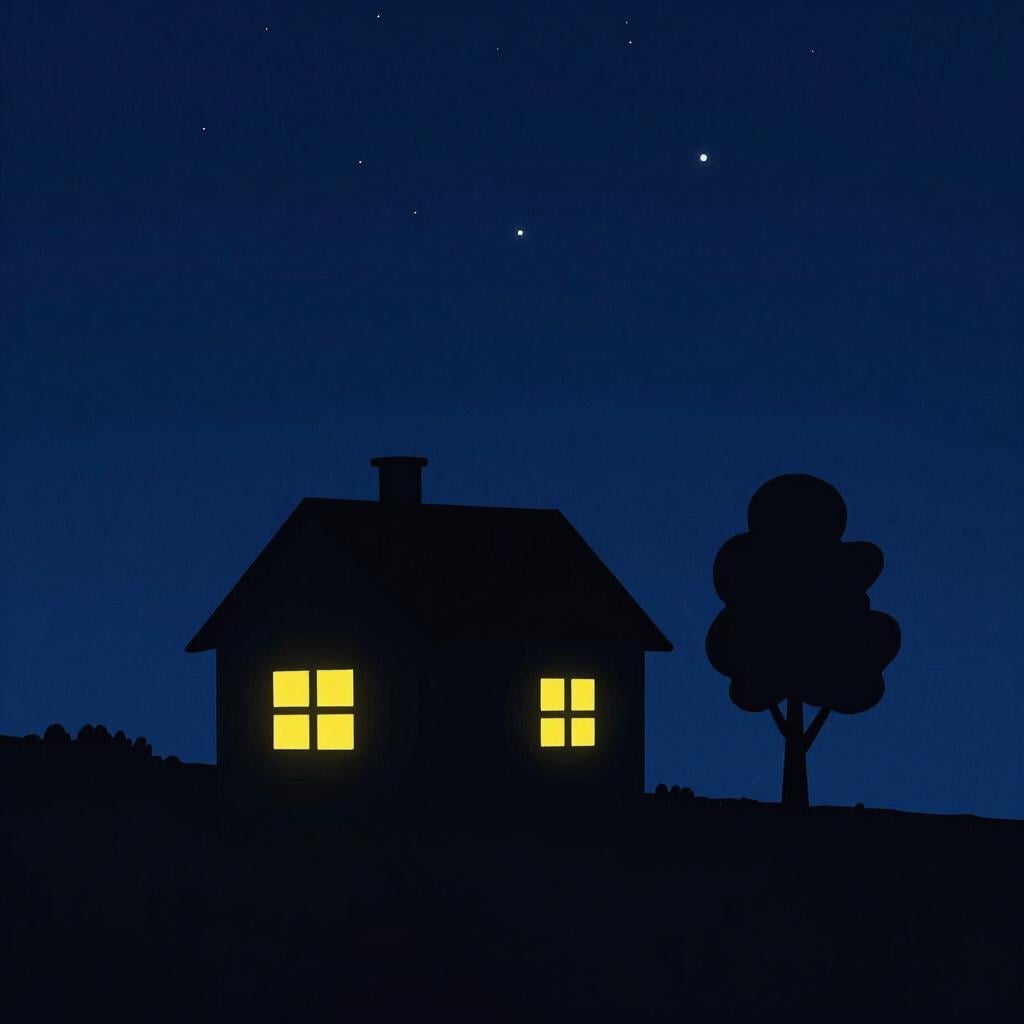
A cozy house with glowing yellow windows under a deep dark blue evening sky with a few stars.

Atardecer as a verb describes the process of the day turning into night as it gets dark.

atardecer(verb)

B1irregular (-zc- change) er

to get dark

?

referring to the day ending

Also:

to become evening

?

transition of time

📝 In Action

En invierno atardece muy temprano.

A2

In winter, it gets dark very early.

Estábamos viajando cuando empezó a atardecer.

B1

We were traveling when it started to become evening.

Word Connections

Synonyms

  • anochecer (to get dark / to turn into night)

Antonyms

💡 Grammar Points

The 'It' Verb

This is mostly used as a 'weather verb' in the third person (he/she/it form). You will rarely say 'I sunset' or 'You sunset'.

Spelling Change

In some forms, like the subjunctive, the 'c' changes to 'zc' (atardezca) to keep the soft sound.

❌ Common Pitfalls

Using 'hacer'

Mistake: "Hace atardecer"

Correction: Just say 'Atardece'. Spanish doesn't need an extra 'makes' or 'does' for time/weather verbs.

⭐ Usage Tips

Literary Use

In poetry or stories, authors might use the 'we' form (atardecimos) to mean 'we were there when evening fell'.

🔄 Conjugations

subjunctive

imperfect

ellos/ellas/ustedesatardecieran
yoatardeciera
atardecieras
vosotrosatardecierais
nosotrosatardeciéramos
él/ella/ustedatardeciera

present

ellos/ellas/ustedesatardezcan
yoatardezca
atardezcas
vosotrosatardezcáis
nosotrosatardezcamos
él/ella/ustedatardezca

indicative

preterite

ellos/ellas/ustedesatardecieron
yoatardecí
atardeciste
vosotrosatardecisteis
nosotrosatardecimos
él/ella/ustedatardeció

imperfect

ellos/ellas/ustedesatardecían
yoatardecía
atardecías
vosotrosatardecíais
nosotrosatardecíamos
él/ella/ustedatardecía

present

ellos/ellas/ustedesatardecen
yoatardezco
atardeces
vosotrosatardecéis
nosotrosatardecemos
él/ella/ustedatardece

✏️ Quick Practice

💡 Quick Quiz: atardecer

Question 1 of 2

Which of these means 'at sunset'?

📚 More Resources

Frequently Asked Questions

What is the difference between 'atardecer' and 'anochecer'?

'Atardecer' is when the sun goes down (sunset/late afternoon), while 'anochecer' is when it actually becomes night and is completely dark.

Is it 'el atardecer' or 'la atardecer'?

It is always 'el atardecer'. Most Spanish nouns ending in -er derived from verbs are masculine.