How to Say "sunset" in Spanish
The most common Spanish word for “sunset” is “atardecer” — use this word for the general time of day when the sun is setting, often referring to the beautiful visual display.

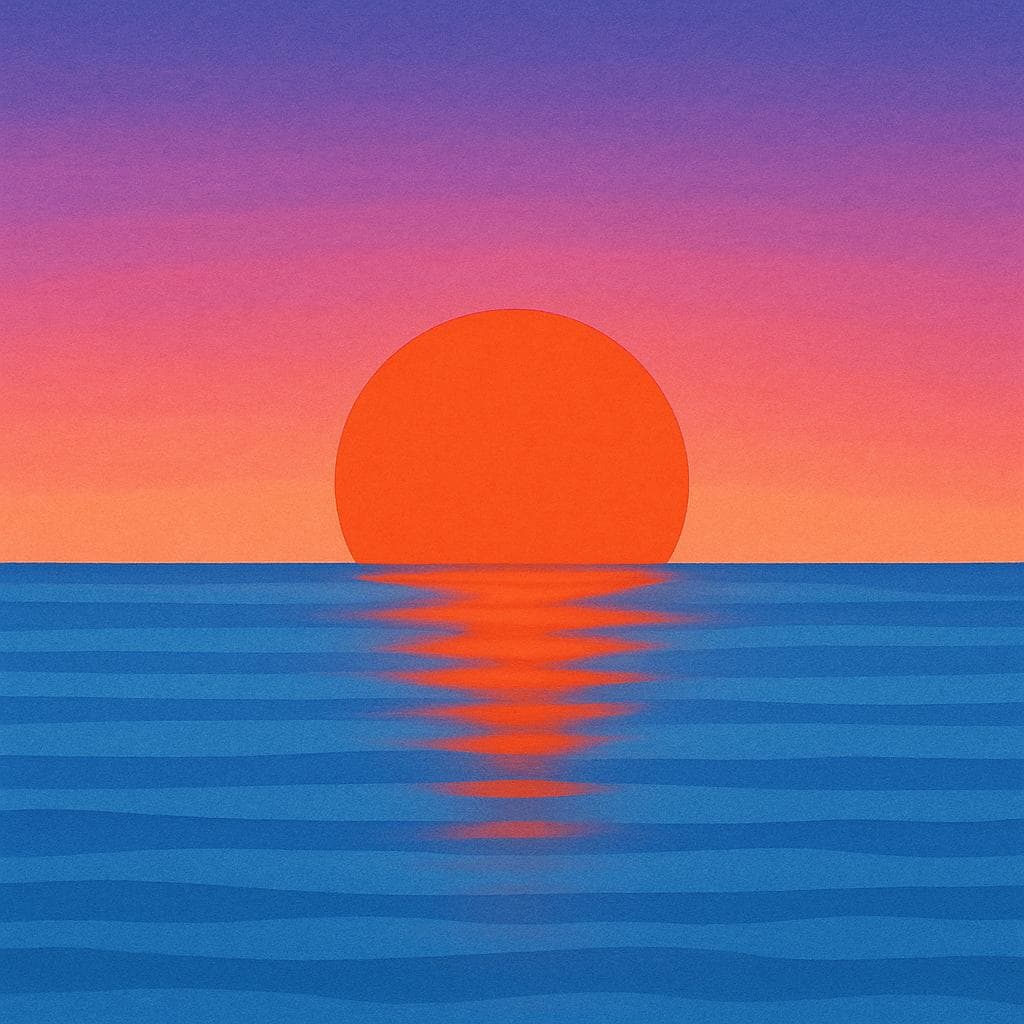
atardecer
ah-tar-deh-sehrataɾðeˈseɾ

Examples
Vimos un atardecer precioso en la playa.
We saw a beautiful sunset at the beach.
Me gusta salir a caminar al atardecer.
I like to go out for a walk at sunset.
Using 'al'
When you want to say 'at sunset', combine 'a' and 'el' to make 'al atardecer'.
Gender confusion
Mistake: “la atardecer”
Correction: el atardecer (it is a masculine noun).
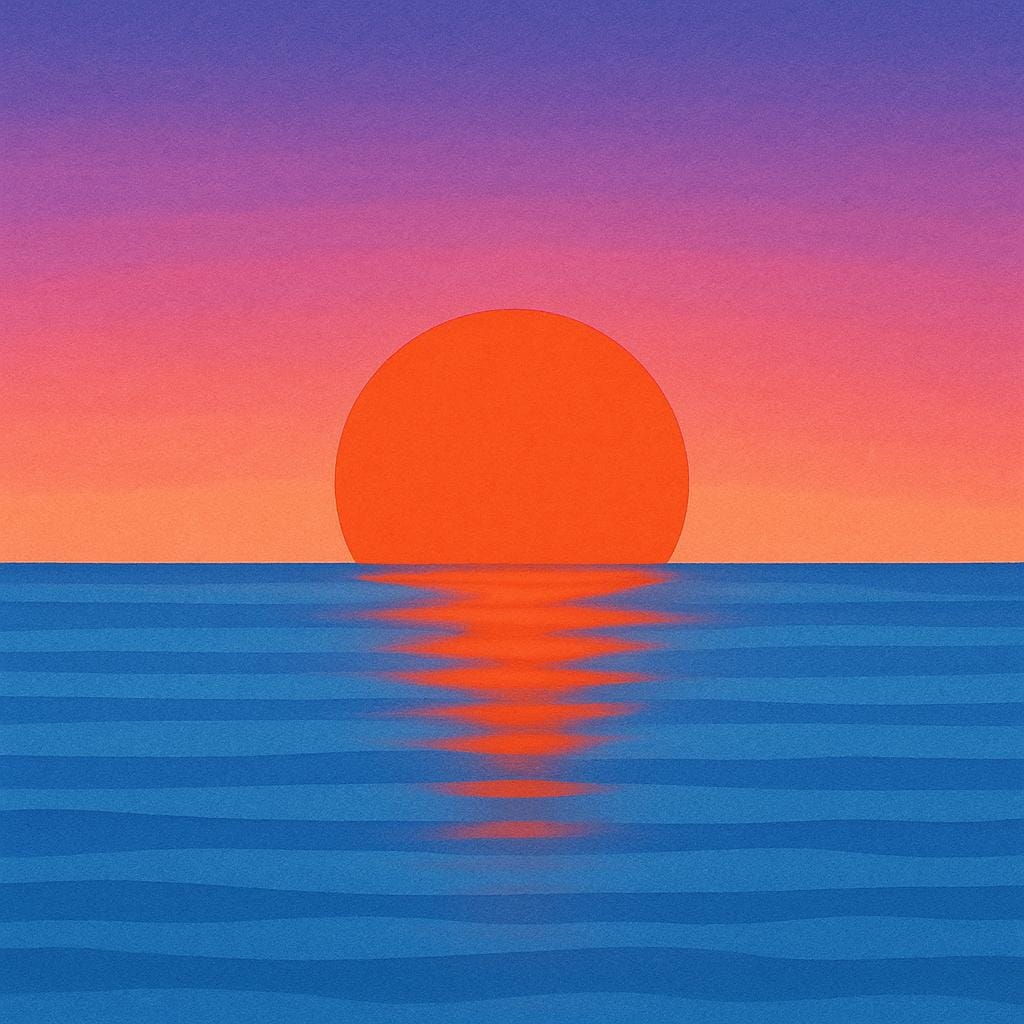
puesta
pwés-taˈpwesta
Examples
Fuimos a la playa para ver la puesta del sol.
We went to the beach to watch the sunset.
La puesta de la luna llena fue espectacular anoche.
The setting of the full moon was spectacular last night.
Fixed Phrase
This meaning is almost always used in the fixed phrase 'la puesta del sol' (the sunset).
Mixing up 'Puesta' and 'Sol'
Mistake: “Using 'el puesta' (incorrect gender).”
Correction: Remember that 'puesta' is feminine: 'la puesta del sol'.
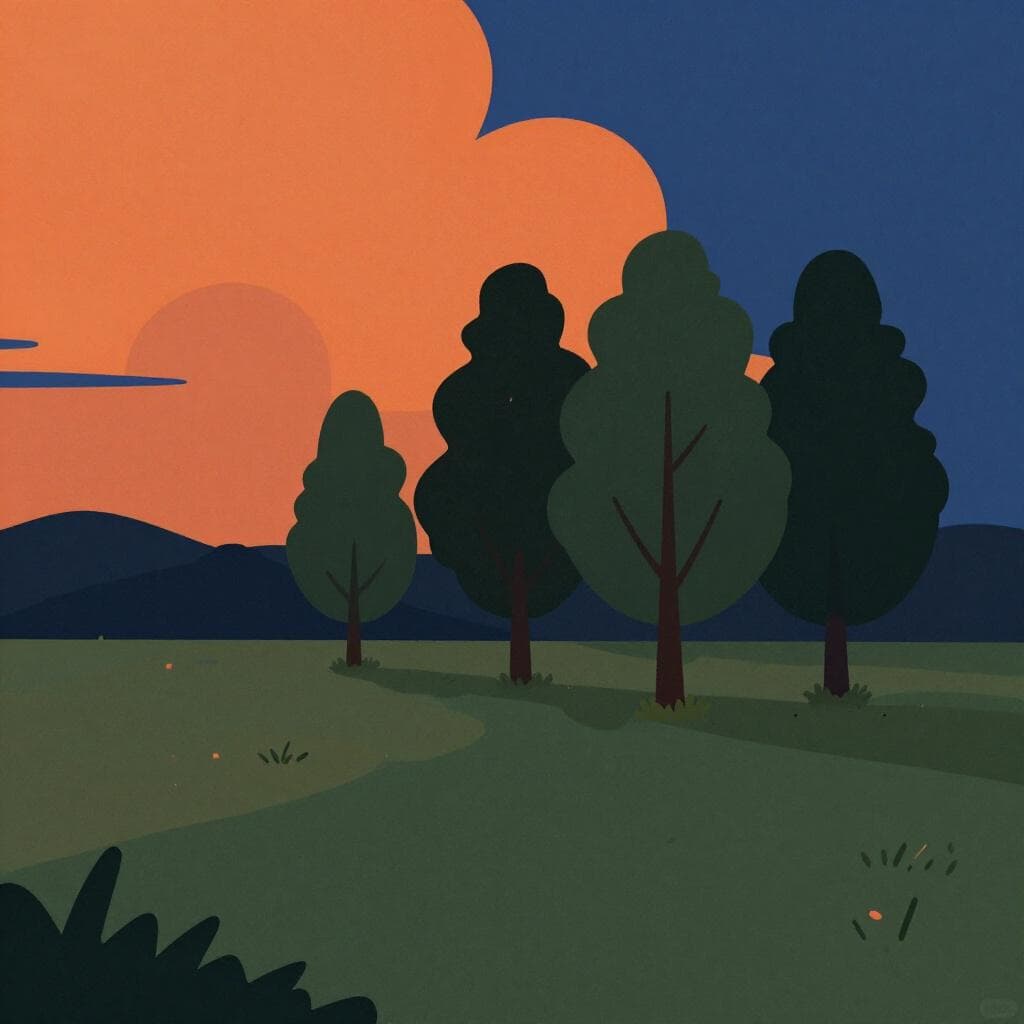
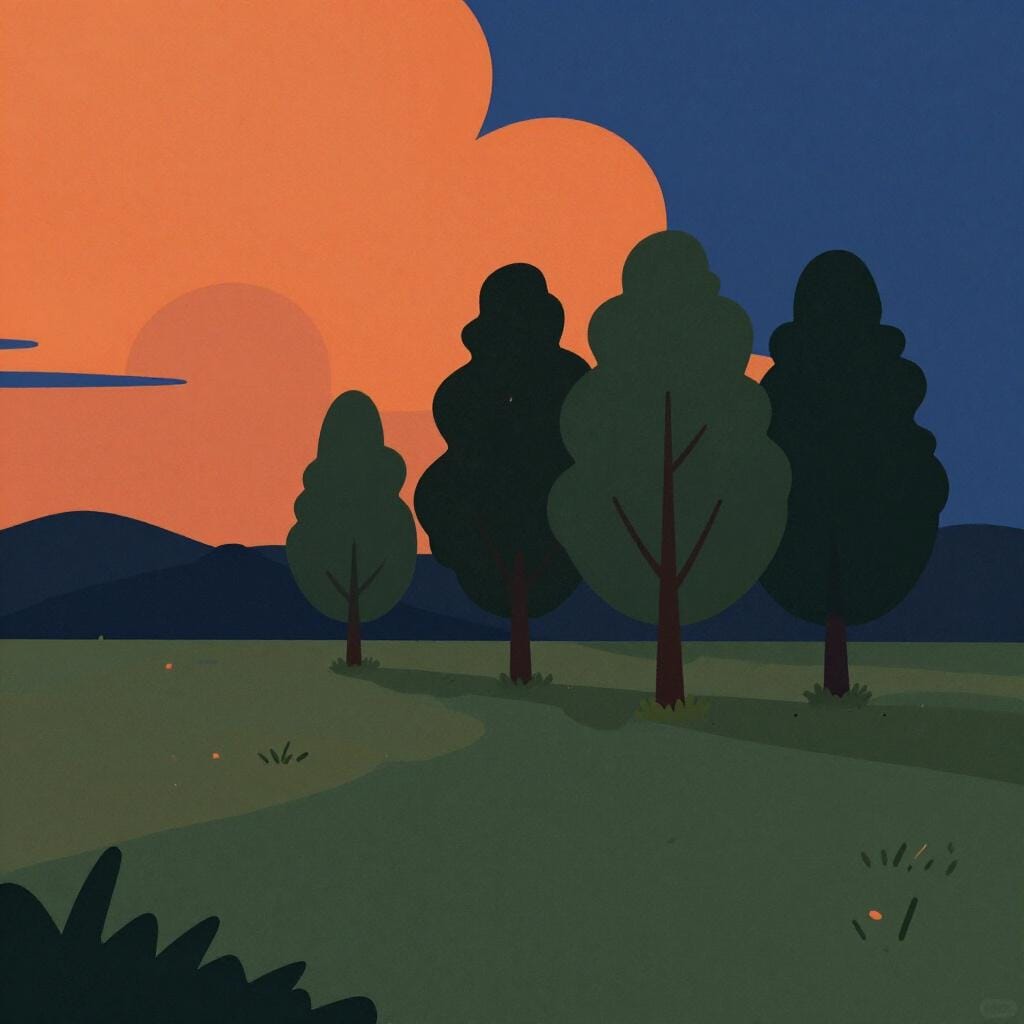
anochecer
ah-no-che-sehranotʃeˈθer
Examples
Me encanta ver el anochecer desde el balcón.
I love watching the dusk from the balcony.
Al anochecer, las luces de la ciudad se encienden.
At nightfall, the city lights turn on.
Nouns from Verbs
In Spanish, the base form of many nature verbs can also act as a masculine noun by adding 'el' in front.
Atardecer vs. Puesta del sol
Related Translations
Learn Spanish with Inklingo
Interactive stories, personalized learning, and more.