How to Say "stake" in Spanish
The most common Spanish word for “stake” is “apuesta” — use 'apuesta' when referring to the act of betting or the money wagered in a game or bet.



apuesta
ah-PWEH-stahaˈpwesta

Examples
¿Quién ganó la apuesta en el partido de anoche?
Who won the bet in last night's game?
Hicimos una apuesta de cinco dólares.
We made a five-dollar wager.
Perdí la apuesta y ahora tengo que pagar la cena.
I lost the bet and now I have to pay for dinner.
Gender Check
Remember 'apuesta' is always feminine, so you must use 'la apuesta' or 'una apuesta' when referring to it.
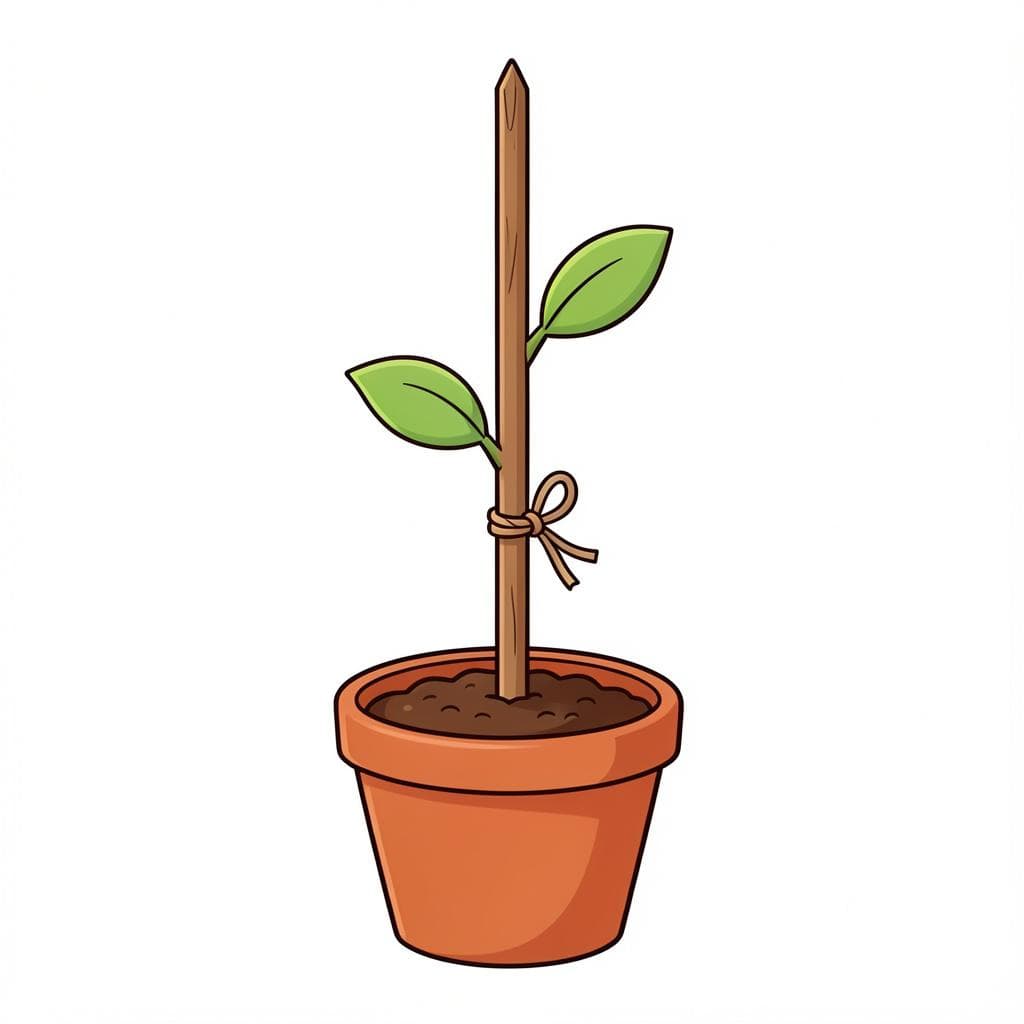
estaca
es-TAH-kahesˈtaka

Examples
Clavamos una estaca en el suelo para sujetar la tienda de campaña.
We hammered a stake into the ground to hold up the tent.
El jardinero puso estacas de madera para que los árboles crecieran rectos.
The gardener put in wooden stakes so the trees would grow straight.
Según las leyendas, se necesita una estaca para derrotar a un vampiro.
According to legends, a stake is needed to defeat a vampire.
Always Feminine
Even if you are using it to support a masculine object, the word 'estaca' is always feminine. Use 'la' and 'una' with it.
Action Verbs
In Spanish, we usually use the verb 'clavar' (to nail/drive) when talking about putting a stake into the ground.
Using 'el' by mistake
Mistake: “El estaca es largo.”
Correction: La estaca es larga. Because the word ends in 'a', it is feminine.
puesta
pwés-taˈpwesta

Examples
Su primera puesta fue de cien euros.
His first bet was one hundred euros.
La gallina hizo su puesta en el nido.
The hen laid her eggs (her 'laying') in the nest.
interés
Examples
Actuó únicamente por su propio interés, sin pensar en los demás.
He acted solely out of self-interest, without thinking of others.
participación
Examples
Ella tiene una participación del diez por ciento en la empresa.
She has a ten percent stake in the company.
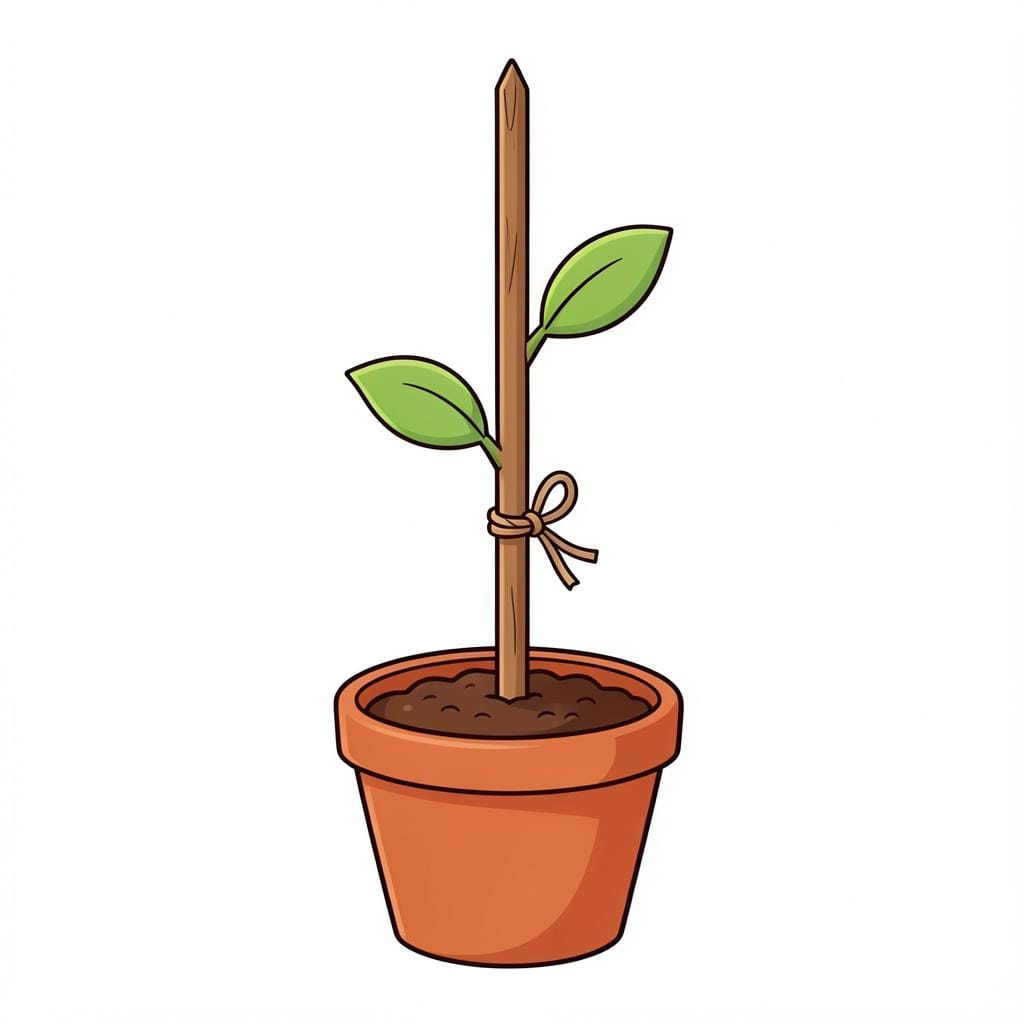
tutor
too-TOREtuˈtoɾ
Examples
He puesto un tutor a los tomates para que crezcan rectos.
I've put a stake on the tomatoes so they grow straight.
Betting vs. Ownership Stake
Related Translations
Learn Spanish with Inklingo
Interactive stories, personalized learning, and more.