estaca
“estaca” means “stake” in Spanish. It has 2 different meanings depending on context:
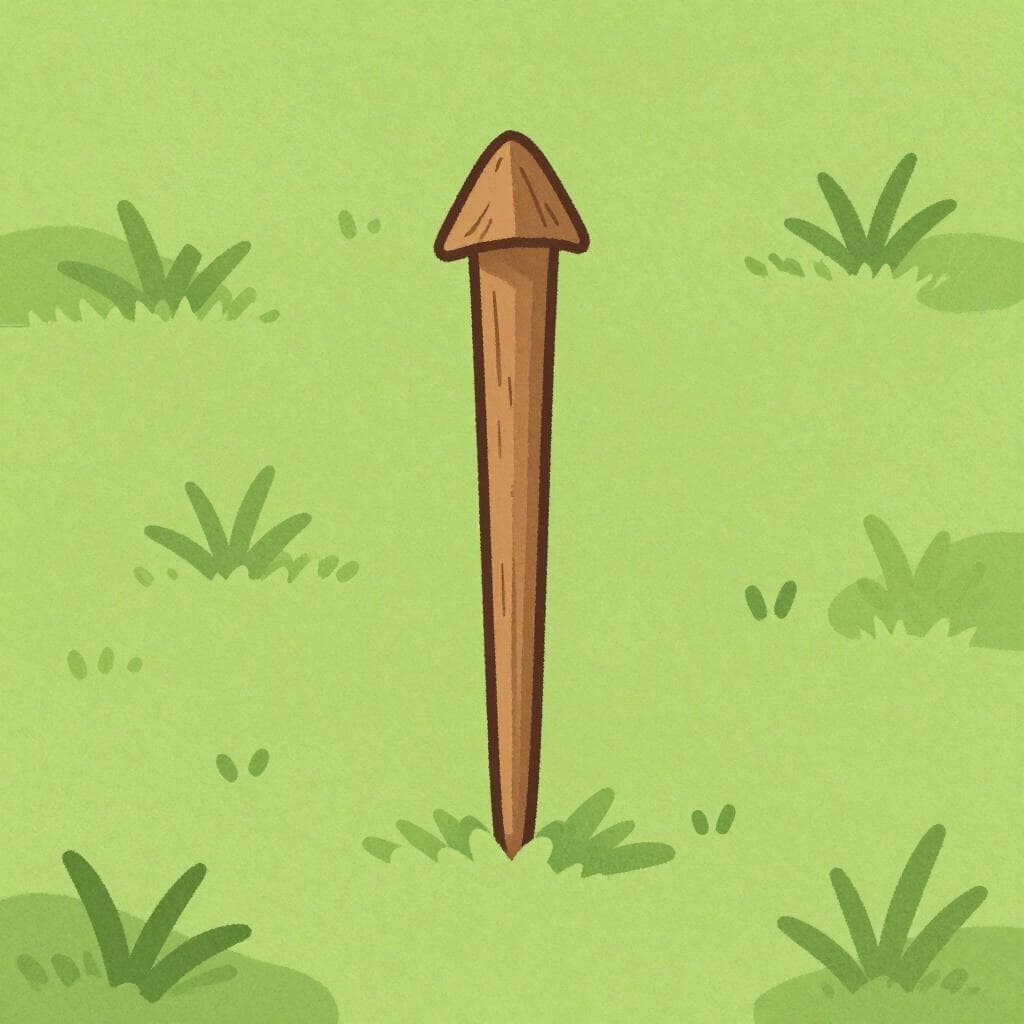
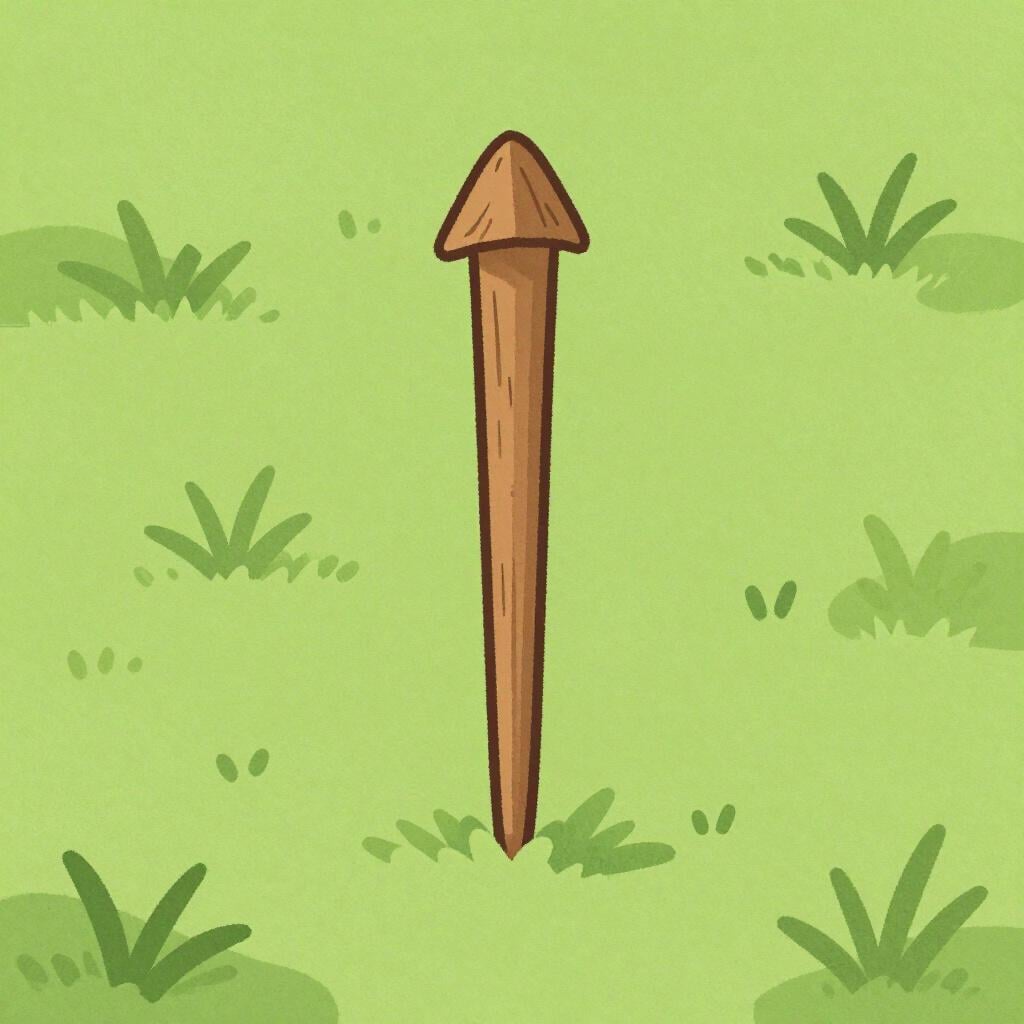
stakeAlso: peg, picket
📝 In Action
Clavamos una estaca en el suelo para sujetar la tienda de campaña.
A2We hammered a stake into the ground to hold up the tent.
El jardinero puso estacas de madera para que los árboles crecieran rectos.
B1The gardener put in wooden stakes so the trees would grow straight.
Según las leyendas, se necesita una estaca para derrotar a un vampiro.
B1According to legends, a stake is needed to defeat a vampire.
Word Connections
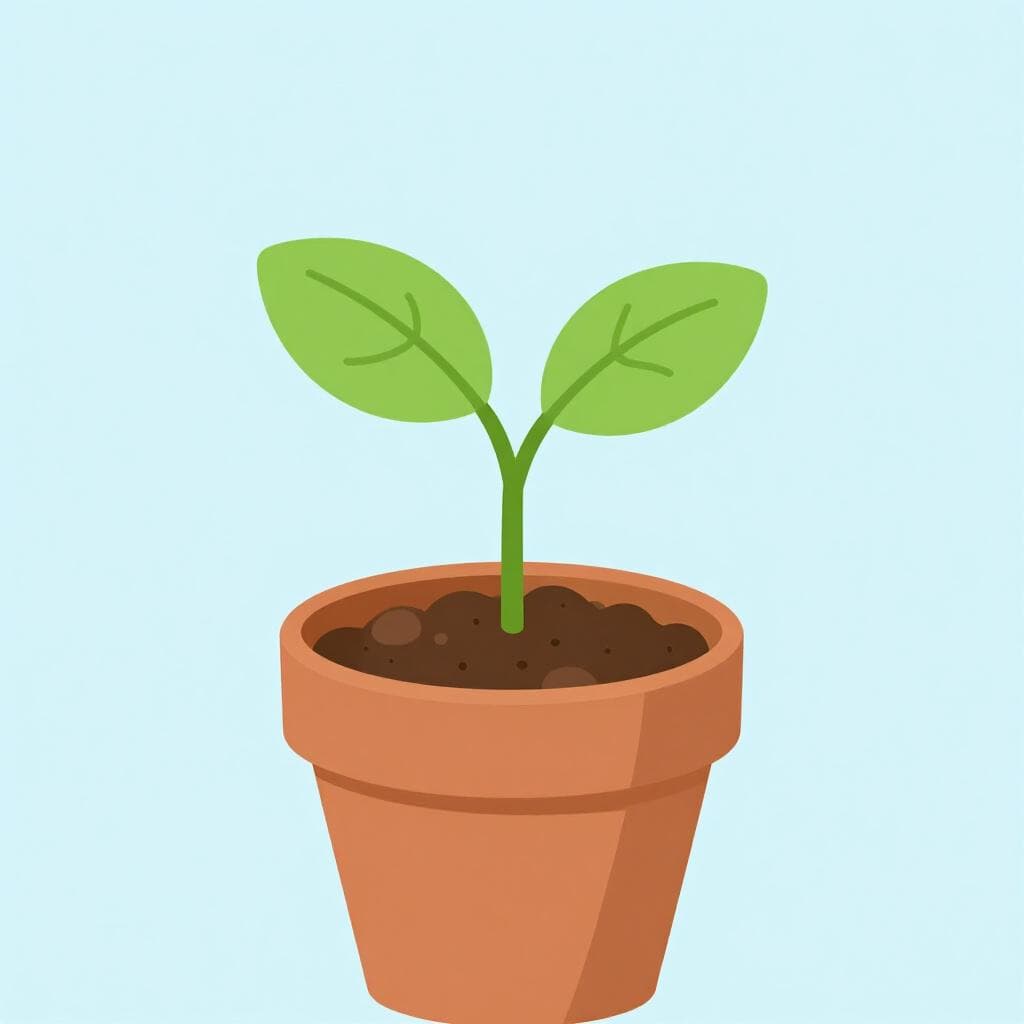
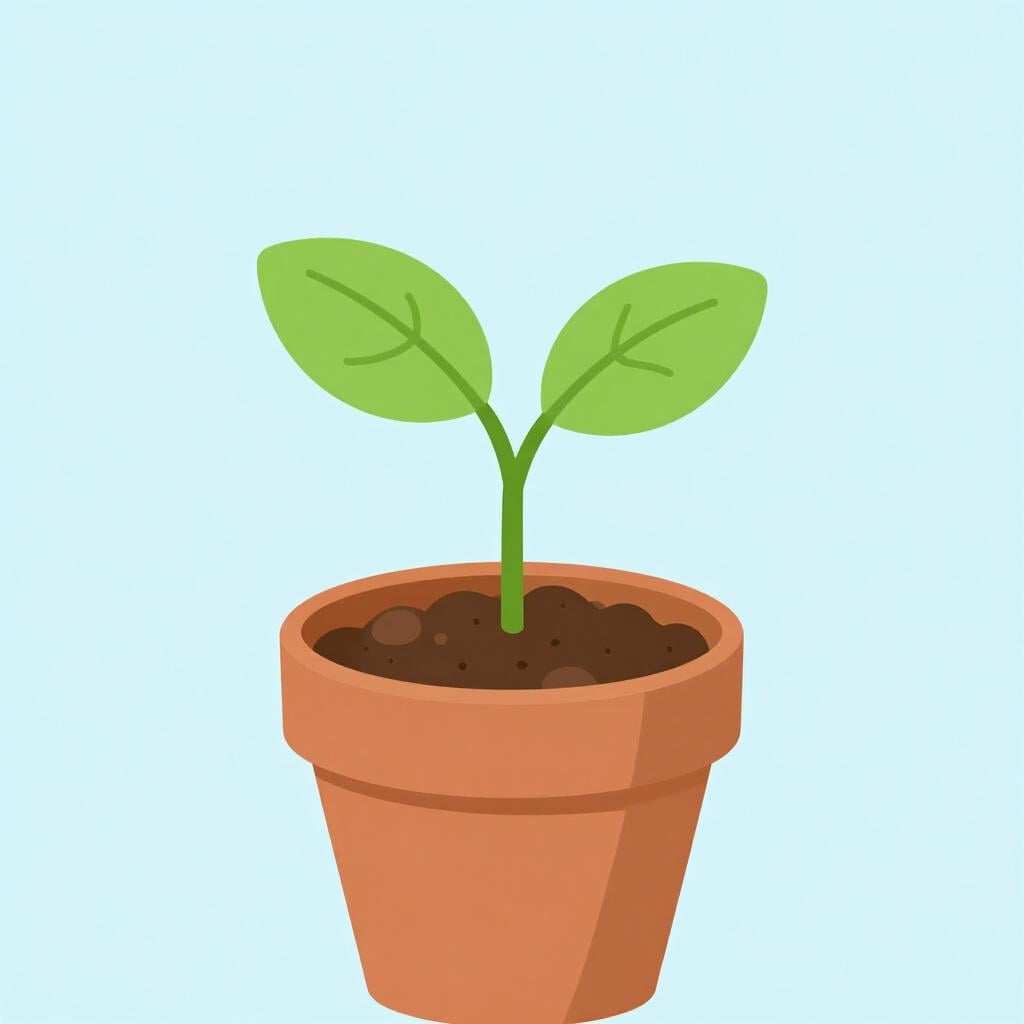
cuttingAlso: slip
📝 In Action
Puedes reproducir este rosal plantando una estaca del tallo principal.
B2You can reproduce this rose bush by planting a cutting from the main stem.
El agricultor preparó las estacas para el injerto de primavera.
C1The farmer prepared the cuttings for the spring graft.
Es importante que la estaca tenga al menos tres nudos.
C1It is important that the cutting has at least three nodes.
Word Connections
✏️ Quick Practice
Quick Quiz: estaca
Question 1 of 3
What is the most common verb used when putting an 'estaca' into the ground?
📚 More Resources
👥 Word Family
🎵 Rhymes
📚 Etymology
From the Gothic word 'stakka', which referred to a pole or post. It shares the same Germanic roots as the English word 'stake'.
First recorded: 13th century
Cognates (Related words)
💡 Master Spanish
Take your Spanish to the next level. Read 200+ illustrated and narrated Spanish stories tailored to your level with the Inklingo app!
Frequently Asked Questions
Is 'estaca' only made of wood?
No, while traditionally wood, an 'estaca' can be made of metal or plastic, especially in construction or camping.
What is the difference between 'poste' and 'estaca'?
A 'poste' (post) is usually larger and more permanent (like a telephone pole), while an 'estaca' is usually smaller and has a pointed end to be driven into the ground.
How do I say 'tent peg' specifically?
While 'estaca' is fine, many Spanish speakers use 'piqueta' for the specific metal pegs used for tents.