palo
“palo” means “stick” in Spanish. It has 3 different meanings depending on context:
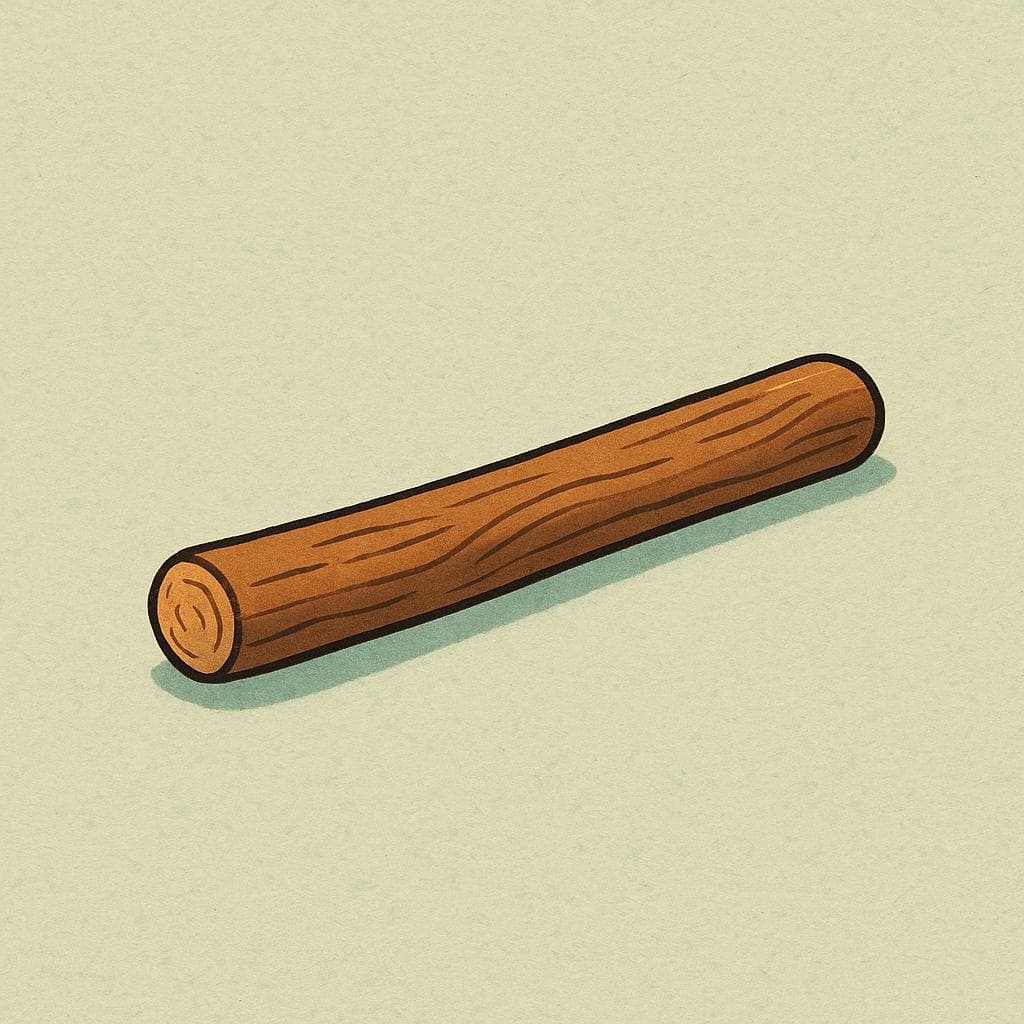

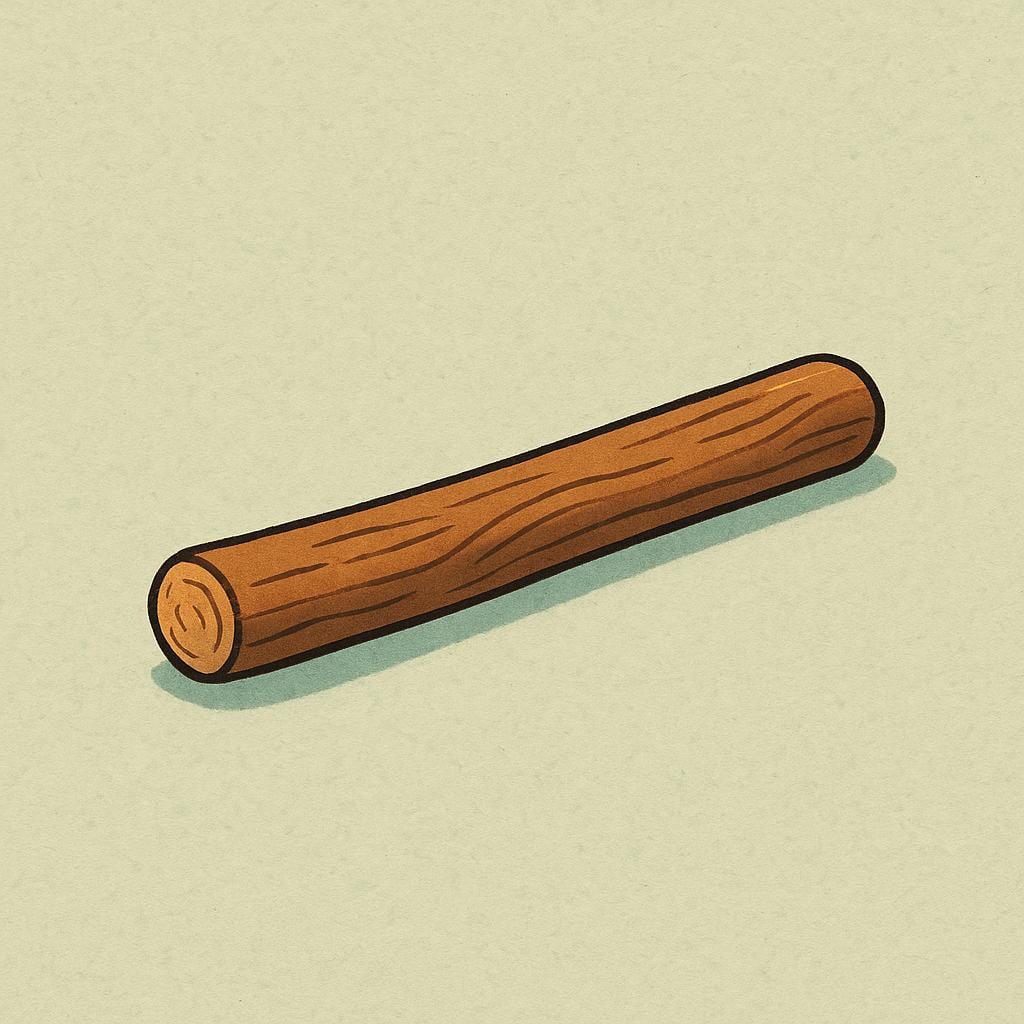
stick, poleAlso: club, mast
📝 In Action
El perro siempre trae un palo grande del parque.
A1The dog always brings a big stick from the park.
Necesitamos un palo largo para alcanzar esa rama.
A2We need a long pole to reach that branch.
Word Connections
suit

📝 In Action
Tengo todas las cartas del mismo palo, ¡voy a ganar!
B1I have all the cards of the same suit, I'm going to win!
Cambia el palo si no tienes el que sigue.
B2Change the suit if you don't have the next one.
Word Connections
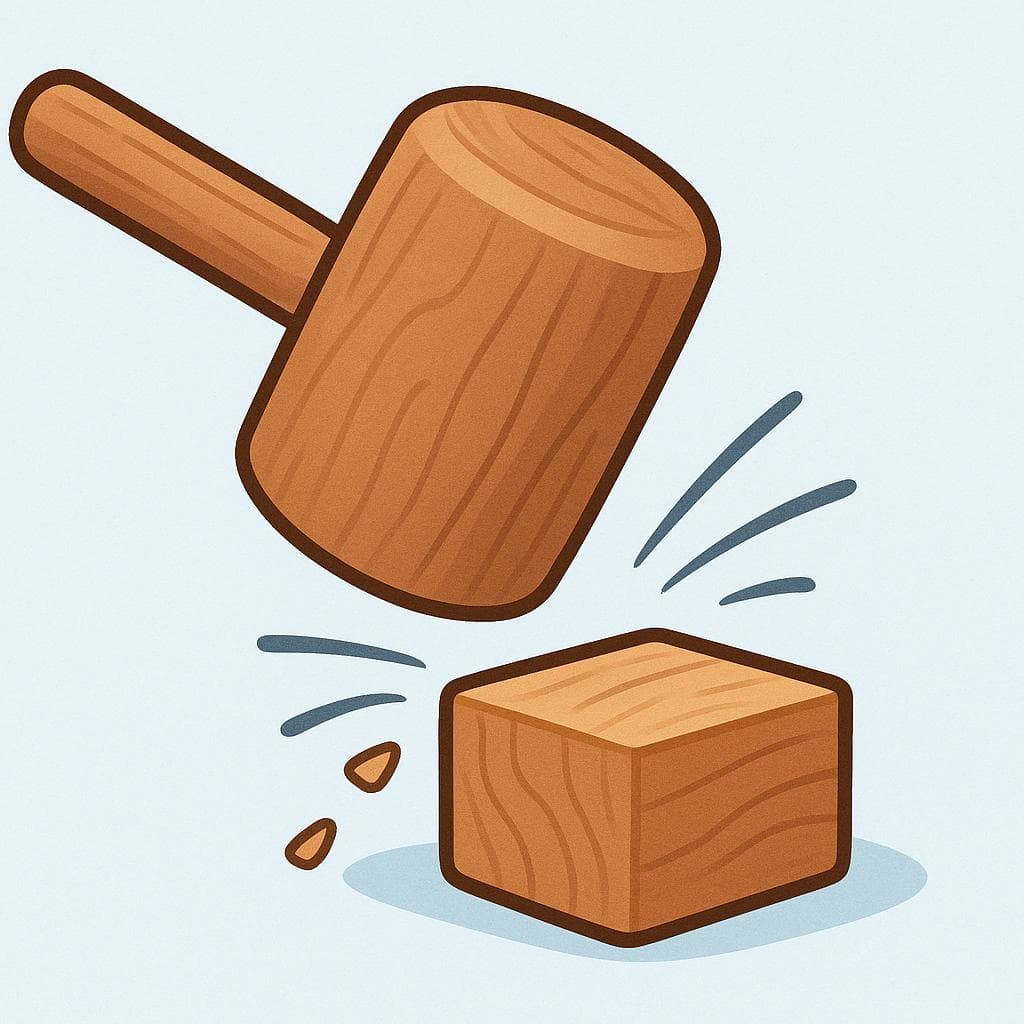
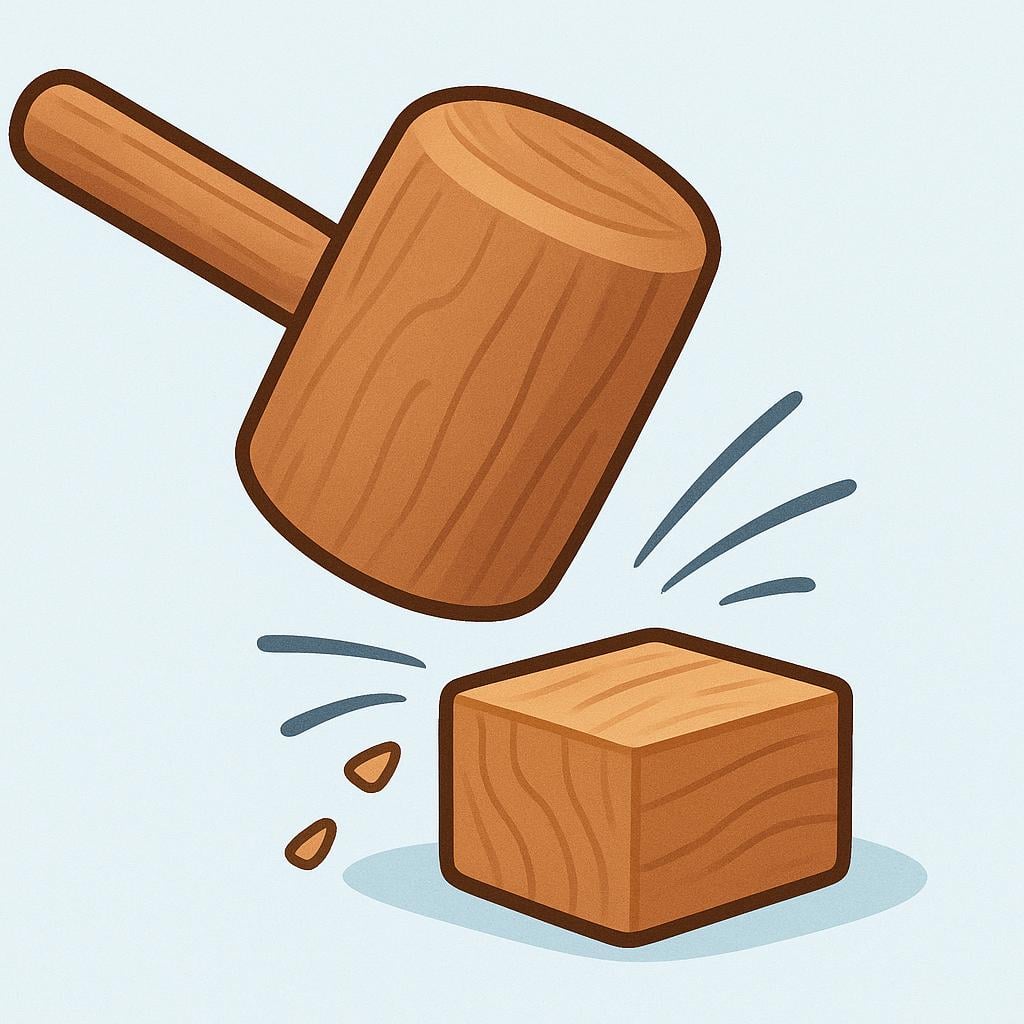
blow, shockAlso: setback
📝 In Action
La noticia de su despido fue un palo muy duro.
B2The news of his firing was a very hard blow/shock.
El ladrón le dio un palo en la cabeza para robarle.
C1The thief hit him on the head to rob him. (Literal physical blow)
Word Connections
✏️ Quick Practice
Quick Quiz: palo
Question 1 of 2
Which meaning of 'palo' is used in the sentence: 'El equipo recibió un palo al perder la final.'
📚 More Resources
👥 Word Family
📚 Etymology
The word comes from the Latin word *pālus*, which meant 'stake' or 'prop.' This origin perfectly explains the meaning of a rigid, long piece of wood.
First recorded: Around the 13th century in Spanish.
Cognates (Related words)
💡 Master Spanish
Take your Spanish to the next level. Read 200+ illustrated and narrated Spanish stories tailored to your level with the Inklingo app!
Frequently Asked Questions
Is 'palo' ever used as a verb?
Not directly. 'Palo' is a noun. However, the verb 'apalear' (to beat/club) and the phrase 'dar un palo' (to hit or rob) are derived from it and are very common.
Does 'palo' have any vulgar or slang uses?
Yes, in several Spanish-speaking countries, 'palo' can be used as slang, often referring to a difficult situation or sometimes a physical assault. Always pay attention to the context and region!