choque
“choque” means “collision” in Spanish. It has 2 different meanings depending on context:
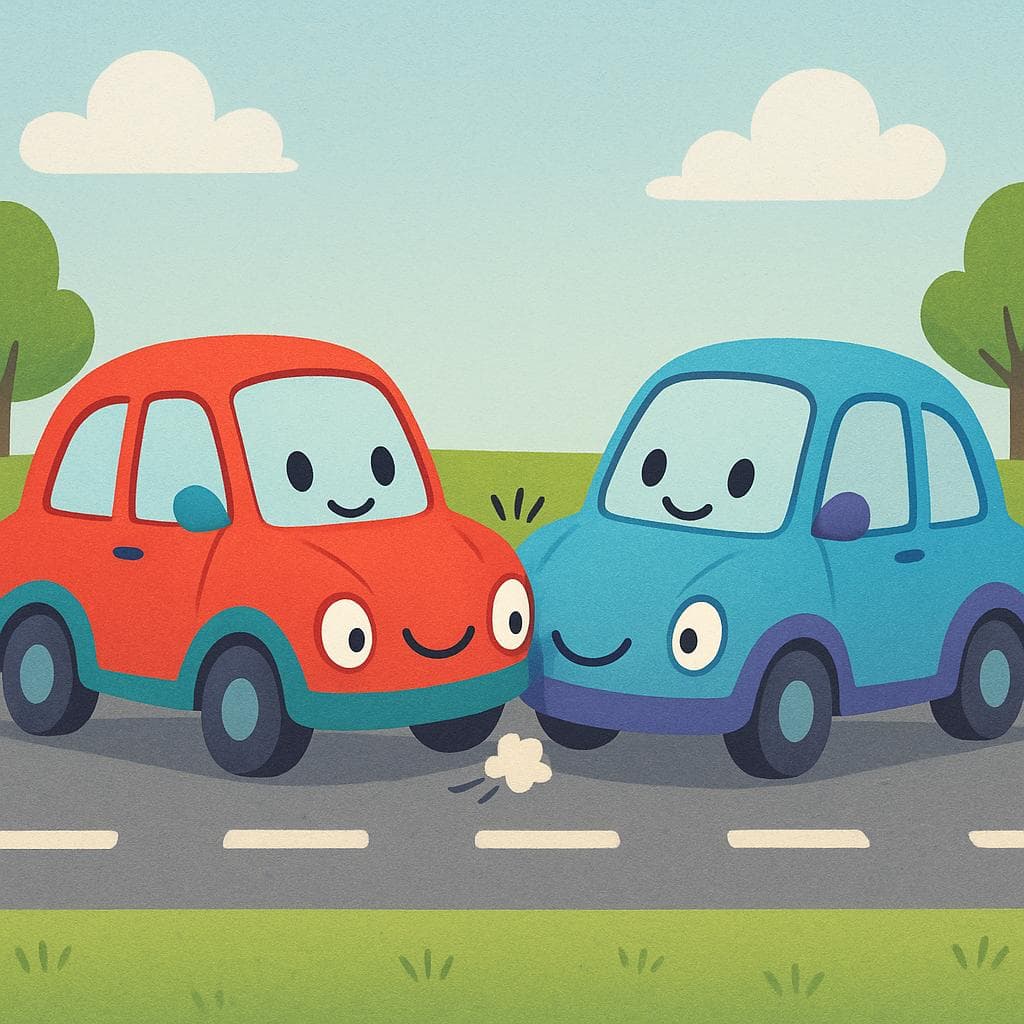
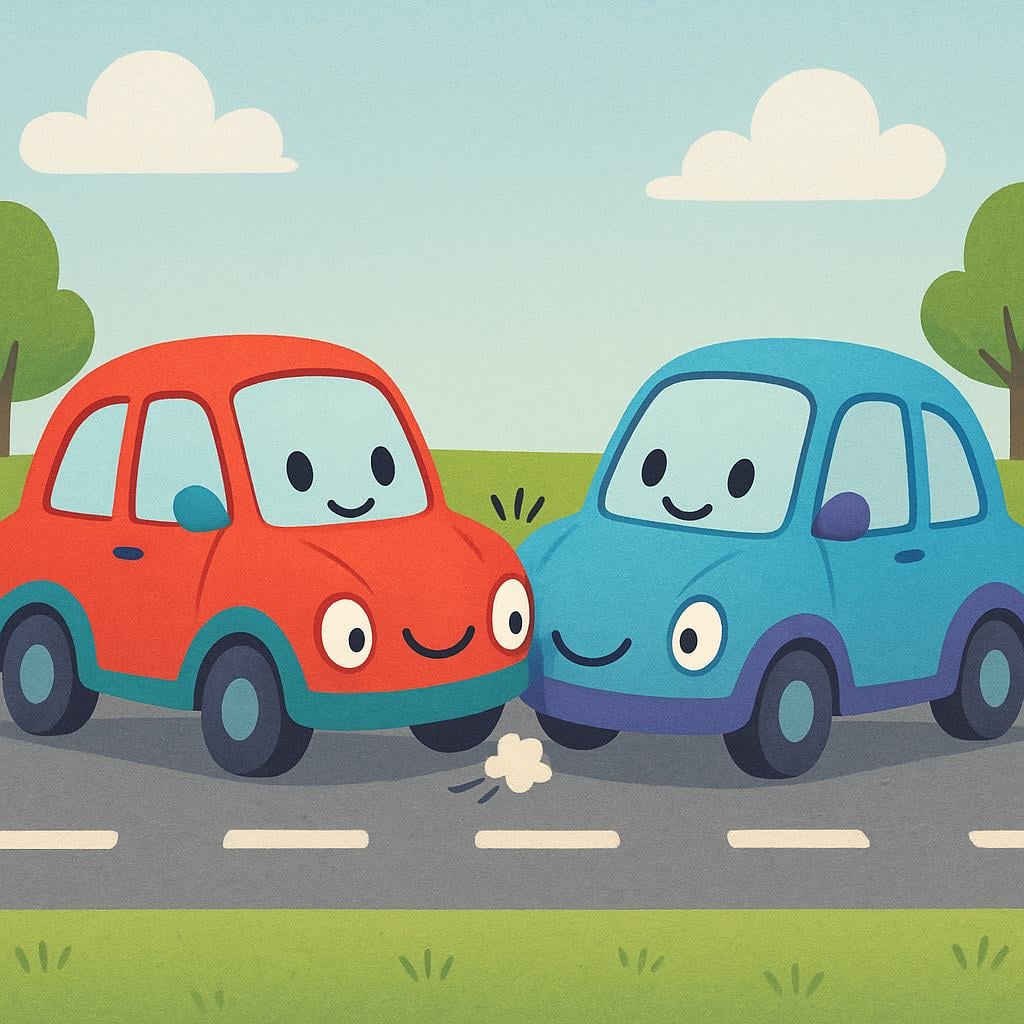
collision, crashAlso: impact
📝 In Action
El choque entre los dos coches fue muy fuerte.
A1The collision between the two cars was very strong.
Llamaron a la policía después del choque.
A2They called the police after the crash.
El choque frontal dejó a los conductores heridos.
B1The head-on collision left the drivers injured.
Word Connections
shock, clashAlso: conflict

📝 In Action
Fue un choque cultural muy fuerte cuando llegó a la capital.
B1It was a very strong culture shock when she arrived in the capital.
El choque de ideologías provocó la ruptura del partido.
B2The clash of ideologies caused the breakup of the party.
El paciente entró en choque después de la operación.
C1The patient went into shock after the operation.
Word Connections
Translate to Spanish
✏️ Quick Practice
Quick Quiz: choque
Question 1 of 1
Which sentence correctly uses 'choque' to mean a conflict, not a physical accident?
📚 More Resources
👥 Word Family
📚 Etymology
The word 'choque' is derived directly from the Spanish verb 'chocar' (to collide or hit). It is believed that 'chocar' itself comes from an old sound-imitation (onomatopoeic) root that described the noise of two things striking each other.
First recorded: 15th century (as the verb form)
Cognates (Related words)
💡 Master Spanish
Take your Spanish to the next level. Read 200+ illustrated and narrated Spanish stories tailored to your level with the Inklingo app!
Frequently Asked Questions
What is the difference between 'choque' and 'accidente'?
'Choque' specifically means the impact or collision itself (the moment two things hit). 'Accidente' is the broader term for the overall unfortunate event, which often includes a 'choque' but can also refer to slips, falls, or other mishaps without a collision.
Can I use 'choque' for an electric shock?
Yes, absolutely! The phrase 'choque eléctrico' is the standard way to say 'electric shock' in Spanish.