trauma
“trauma” means “trauma” in Spanish. It has 2 different meanings depending on context:
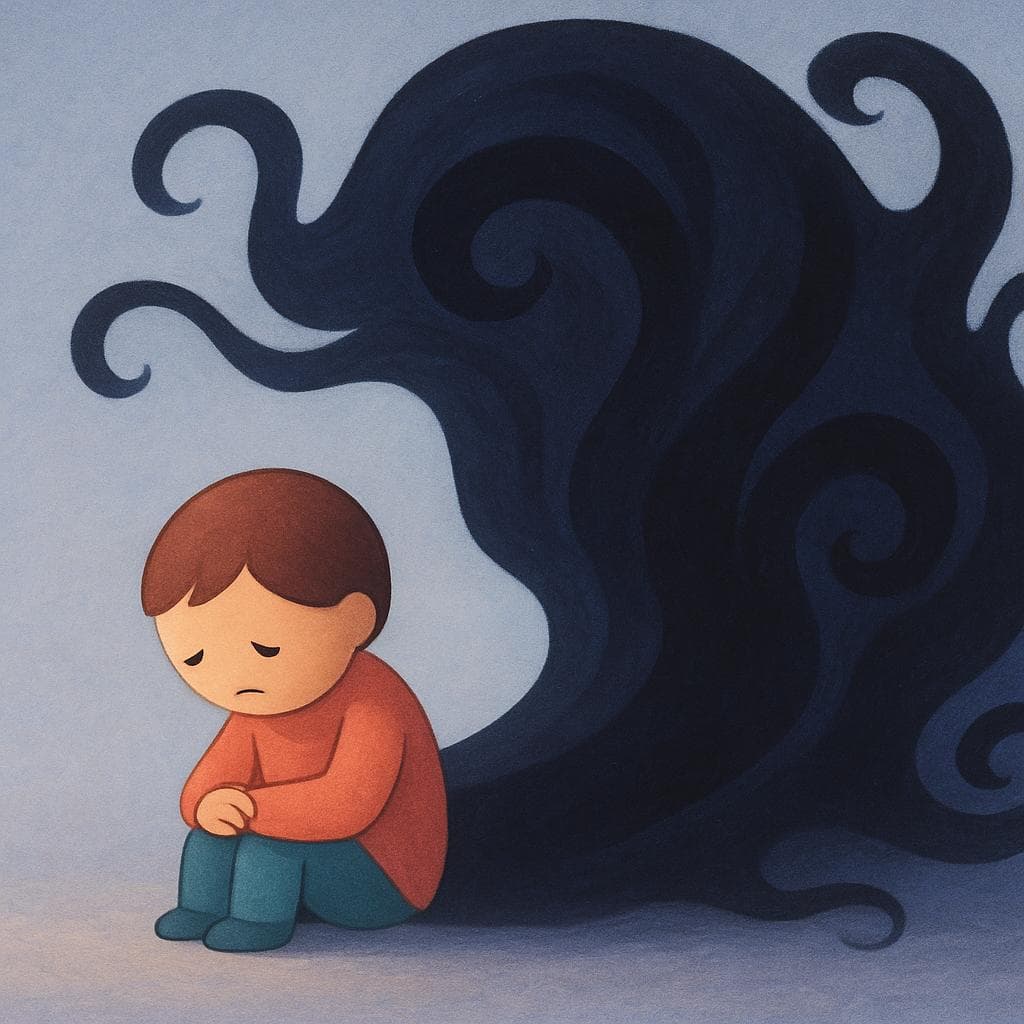
traumaAlso: emotional shock, ordeal

📝 In Action
Superar un trauma infantil puede ser un proceso largo.
B2Overcoming childhood trauma can be a long process.
La pérdida de su mascota le causó un gran trauma emocional.
B1The loss of his pet caused him great emotional trauma.
Necesita ayuda profesional para lidiar con el trauma de la separación.
B2She needs professional help to deal with the trauma of the separation.
Word Connections
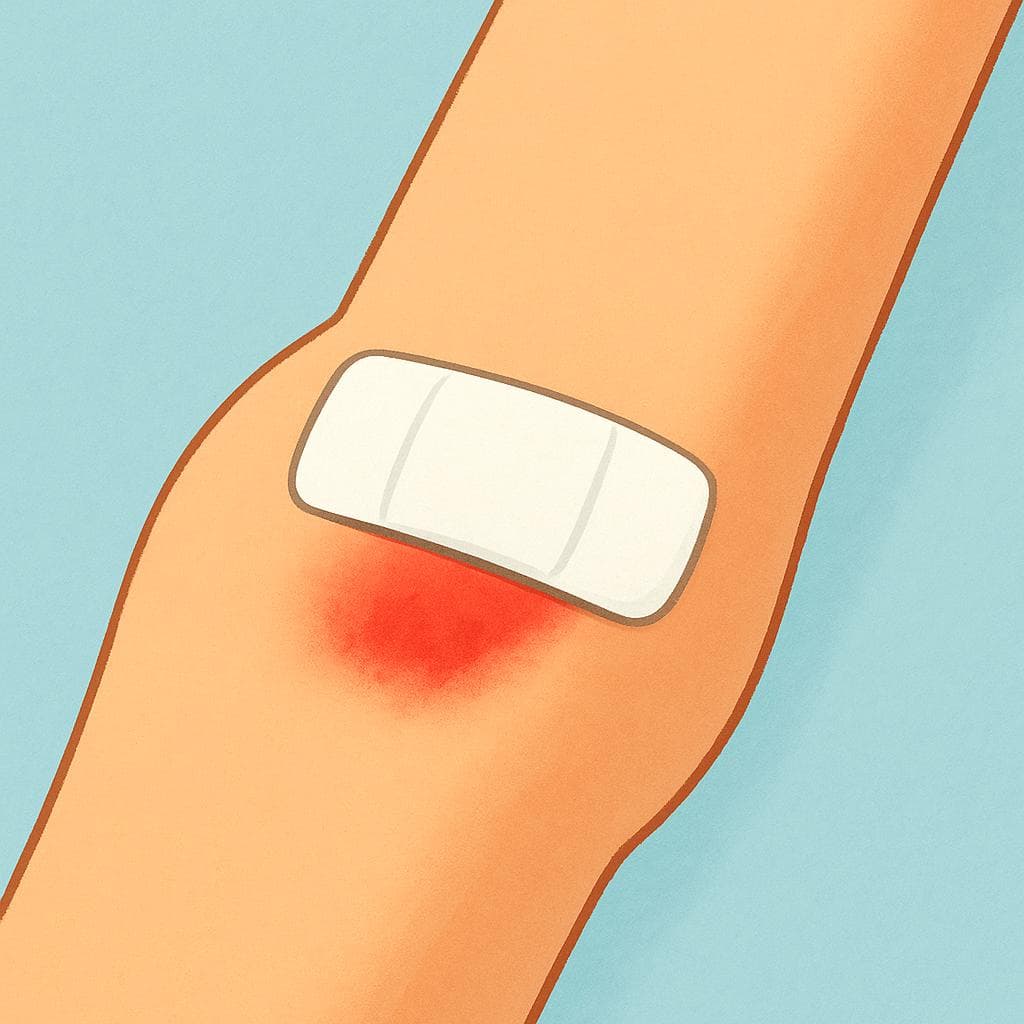
injuryAlso: wound, trauma

📝 In Action
El paciente ingresó con un trauma craneal grave después de la caída.
C1The patient was admitted with severe cranial trauma after the fall.
Los paramédicos evaluaron el trauma en la pierna del ciclista.
B2The paramedics assessed the injury to the cyclist's leg.
Word Connections
Translate to Spanish
Words that translate to "trauma" in Spanish:
✏️ Quick Practice
Quick Quiz: trauma
Question 1 of 2
Which sentence correctly uses the Spanish word 'trauma'?
📚 More Resources
👥 Word Family
📚 Etymology
The word 'trauma' comes from the ancient Greek word *traûma*, which literally meant 'a wound' or 'a punch.' Spanish borrowed it directly, and over time, its meaning expanded to include deep emotional wounds as well as physical ones.
First recorded: 17th century (in Spanish, formalized usage)
Cognates (Related words)
💡 Master Spanish
Take your Spanish to the next level. Read 200+ illustrated and narrated Spanish stories tailored to your level with the Inklingo app!
Frequently Asked Questions
Why is 'trauma' masculine if it ends in -a?
'Trauma' is masculine (el trauma) because it comes from ancient Greek words that were also masculine. Spanish keeps the original gender for many of these words, like 'el tema' (theme) and 'el planeta' (planet). Always use 'el' or 'un' before it.
Can I use 'trauma' for minor injuries?
Generally, no. 'Trauma' implies a serious physical injury or a profound psychological shock. For minor cuts or scrapes, you would use 'herida' or 'rasguño'.