How to Say "injury" in Spanish
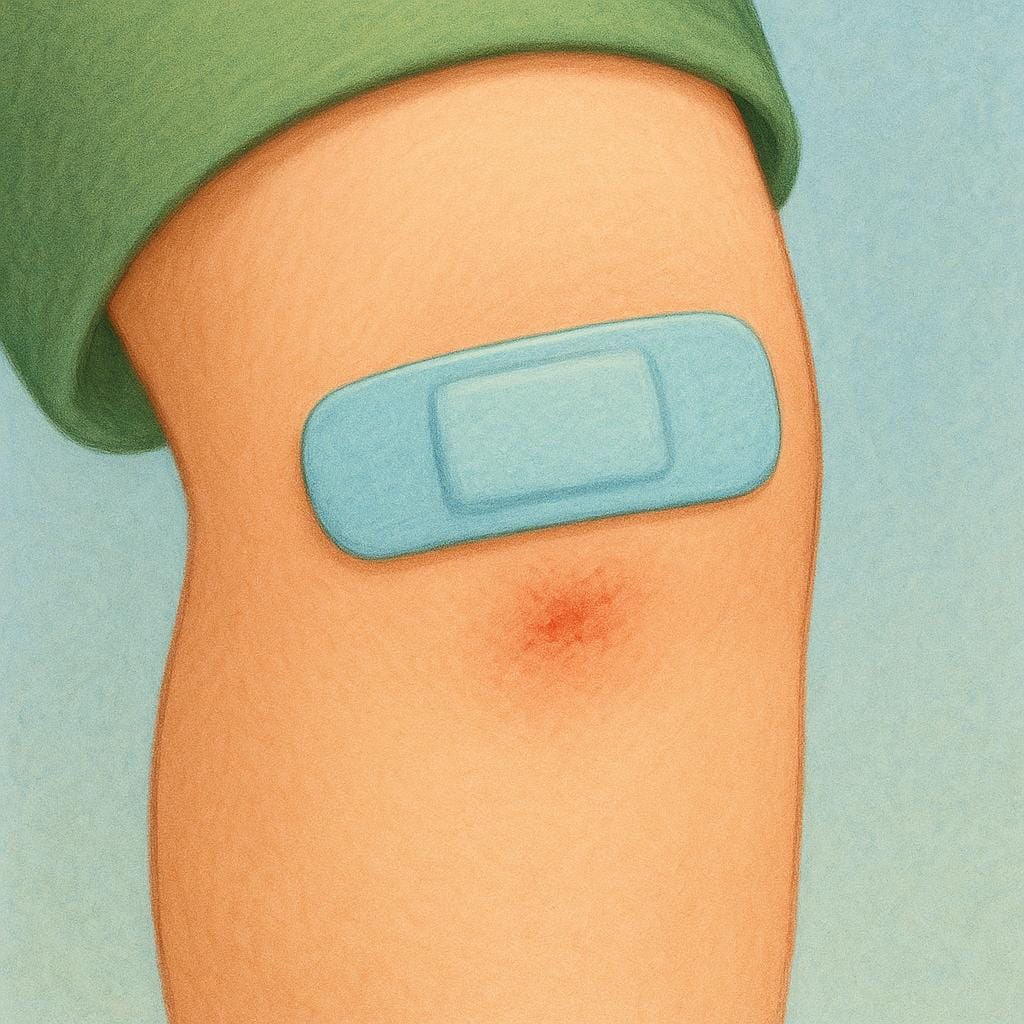
The most common Spanish word for “injury” is “herida” — use 'herida' for a physical wound on the body, like a cut or scrape, that needs to be cleaned or bandaged.
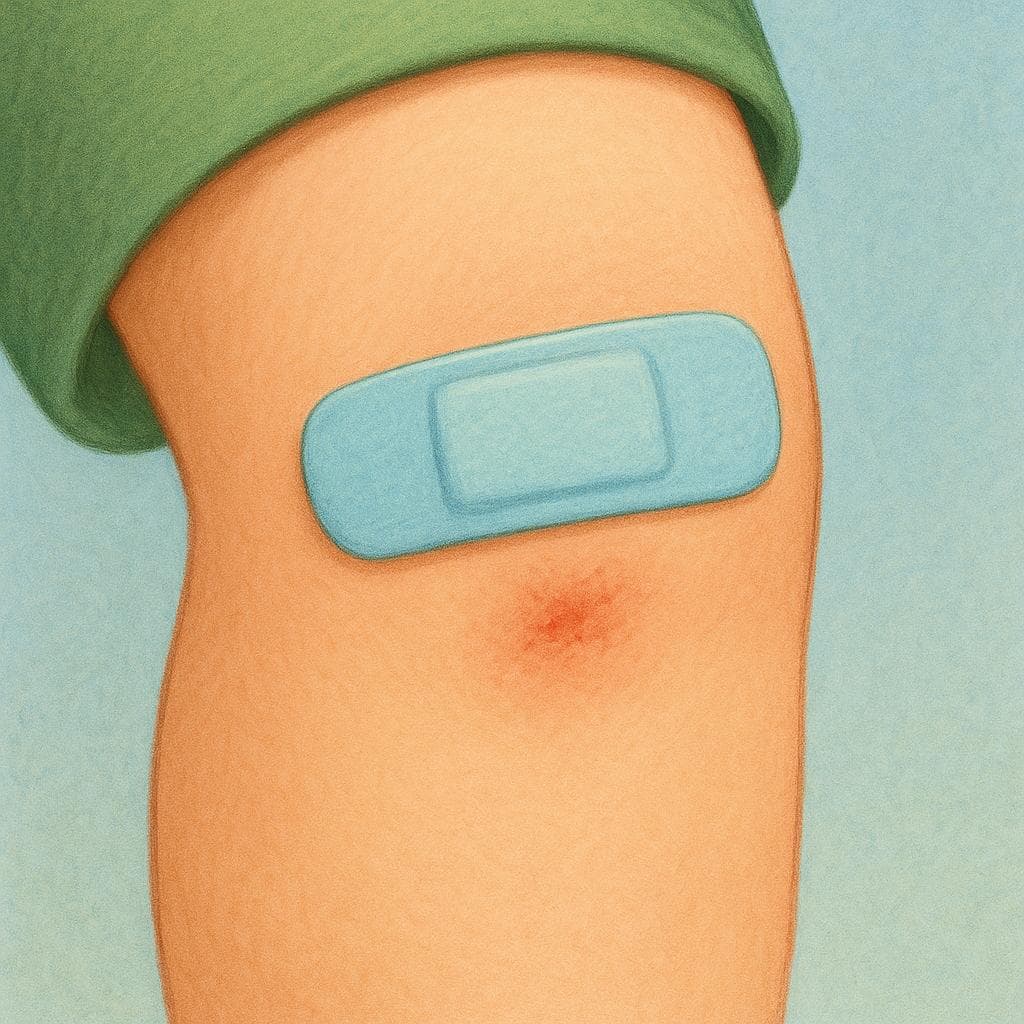
Use 'herida' for a physical wound on the body, like a cut or scrape, that needs to be cleaned or bandaged.
Learn more →Use 'lesión' for a more specific physical impairment or damage to the body, often from sports or accidents, affecting a particular body part.
Learn more →Use 'daño' for general harm or damage, which can be physical to a person but is more commonly used for damage to objects, property, or abstract concepts.
Learn more →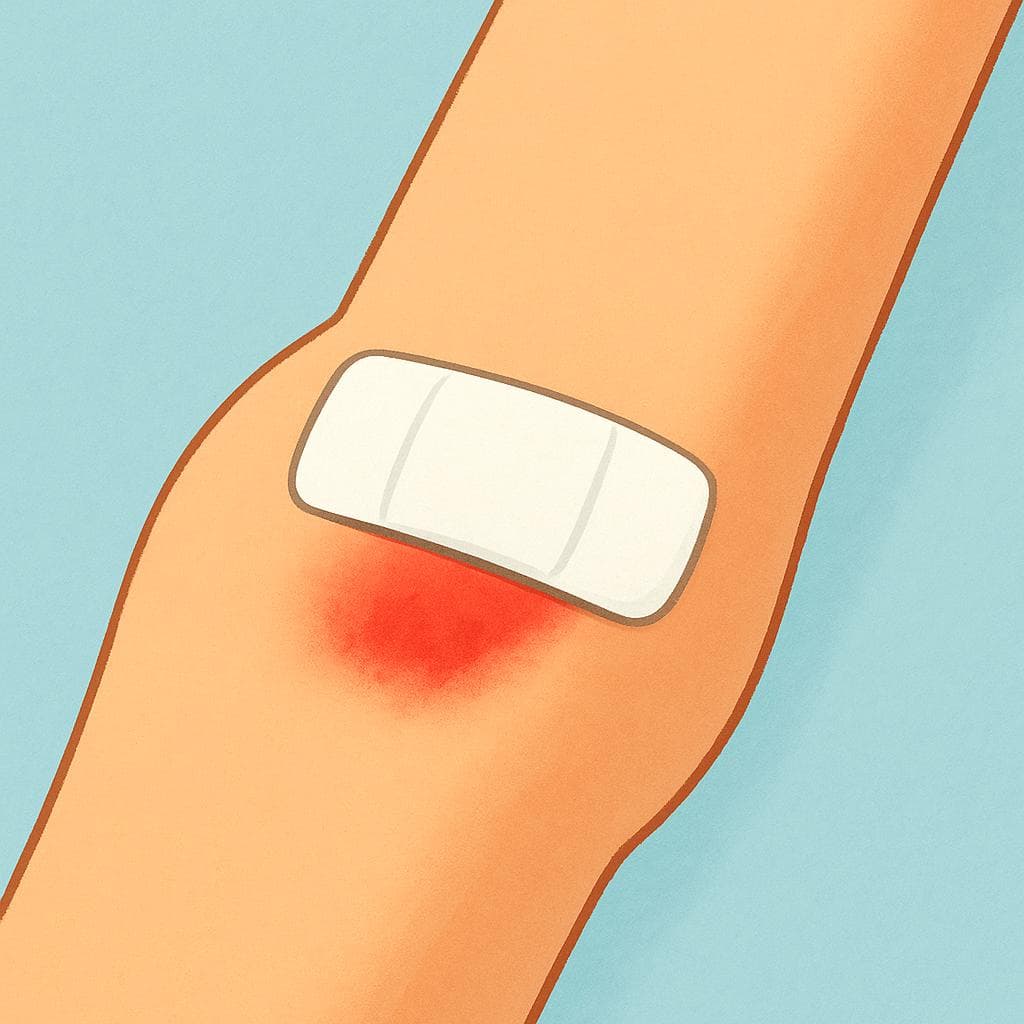
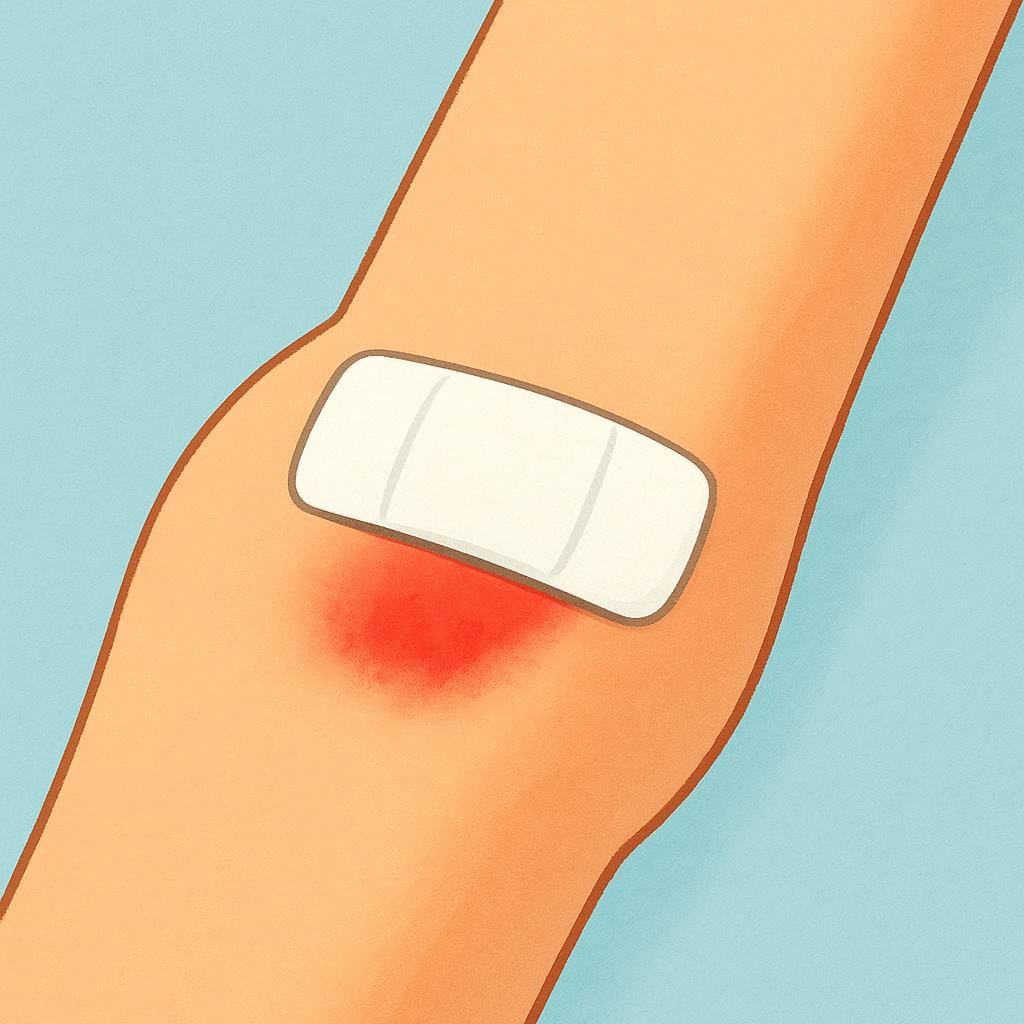
Use 'trauma' specifically for severe physical harm, often resulting from a significant impact or accident, frequently used in medical contexts.
Learn more →eh-REE-daheˈɾiða
Examples
Me hice una herida en la rodilla jugando al fútbol.
I got a wound on my knee playing soccer.
Necesitas limpiar bien la herida para evitar una infección.
You need to clean the wound well to avoid an infection.
Después del accidente, le pusieron puntos en la herida.
After the accident, they put stitches in the injury.
Always Feminine
Even though many words ending in '-a' are feminine, remember that 'herida' always uses feminine articles (la herida, una herida).
Confusing Noun and Adjective
Mistake: “La herida mujer (The wound woman)”
Correction: La mujer herida (The wounded woman). 'Herida' works as an adjective when describing someone, but as a noun when it's the injury itself.
lesión
Examples
El deportista sufrió una lesión muscular durante el entrenamiento.
The athlete suffered a muscle injury during training.
daño
Examples
El terremoto causó graves daños en la ciudad.
The earthquake caused serious damage to the city.
TRAU-mahˈtɾau̯.ma
Examples
El paciente fue trasladado al hospital con un trauma severo en la cabeza.
The patient was transferred to the hospital with severe head trauma.
El paciente ingresó con un trauma craneal grave después de la caída.
The patient was admitted with severe cranial trauma after the fall.
Los paramédicos evaluaron el trauma en la pierna del ciclista.
The paramedics assessed the injury to the cyclist's leg.
Medical Context
In medical settings, 'trauma' often acts as a category of injury. You will hear phrases like 'unidad de trauma' (trauma unit) or 'centro de trauma' (trauma center).
Confusing 'herida' and 'lesión'
Learners often confuse 'herida' and 'lesión'. Remember that 'herida' typically refers to an open wound like a cut or scrape, while 'lesión' is broader and usually implies damage to muscles, bones, or joints, especially in sports or medical contexts.
Related Translations
Learn Spanish with Inklingo
Interactive stories, personalized learning, and more.