How to Say "trauma" in Spanish
The most common Spanish word for “trauma” is “shock” — use 'shock' for a sudden state of psychological distress caused by an event, or for a severe, life-threatening physical condition where bodily functions are failing.

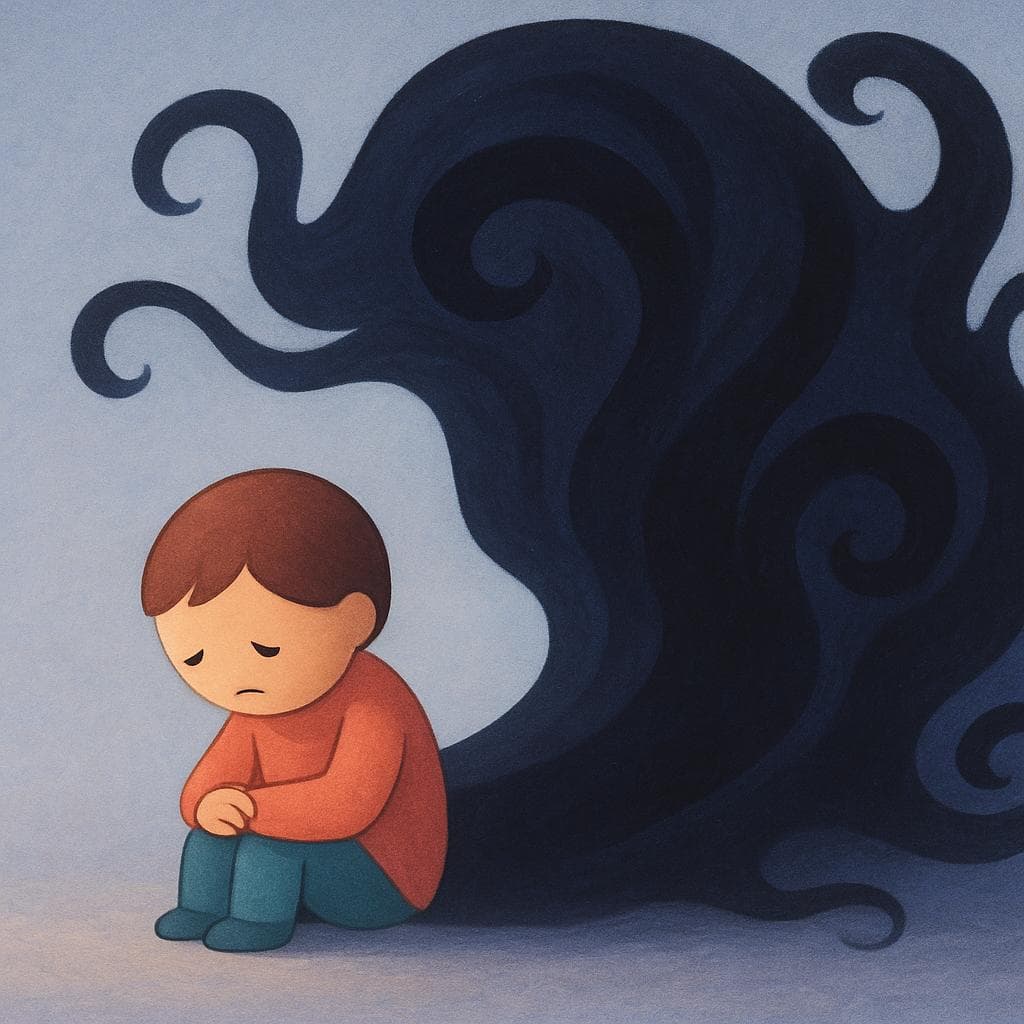
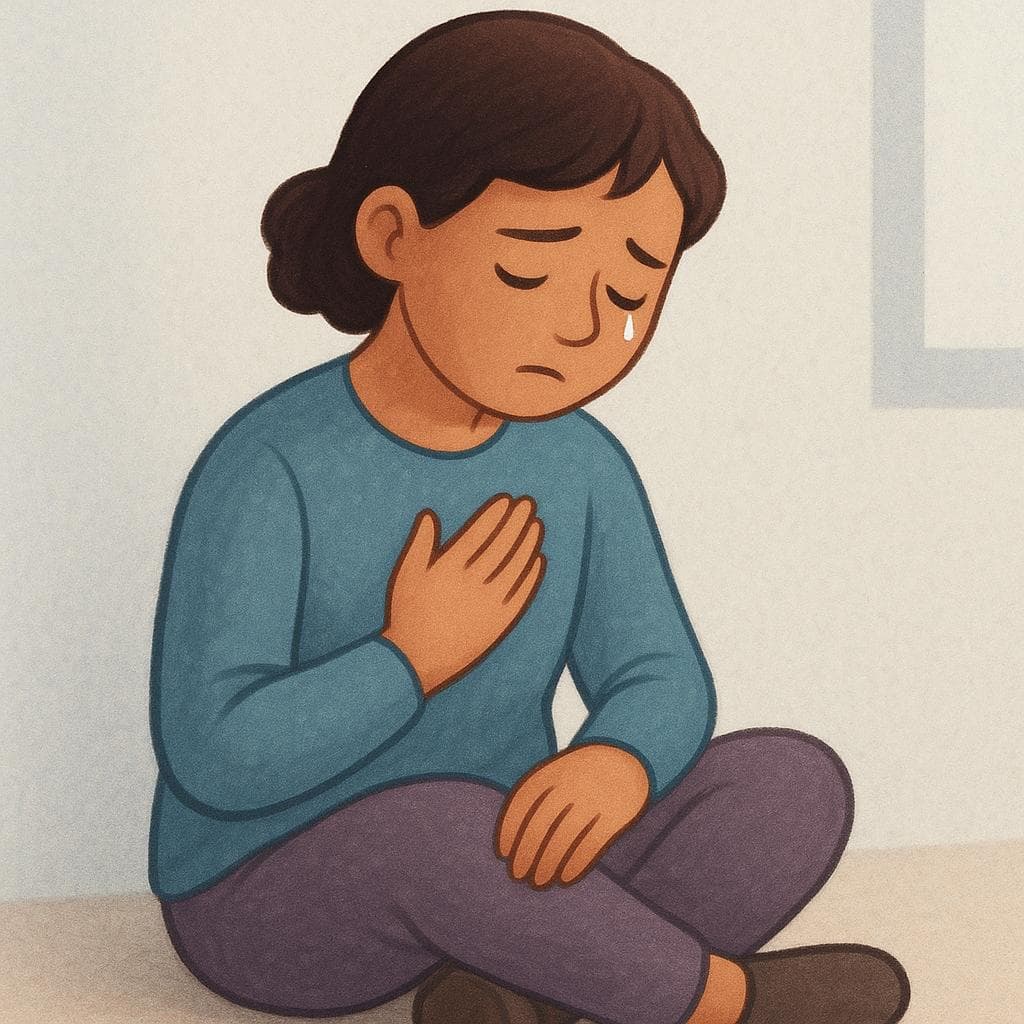

shock
shokˈʃok

Examples
La noticia de su renuncia fue un shock para todos.
The news of his resignation was a shock to everyone.
Estaba en estado de shock después del accidente.
She was in a state of shock after the accident.
El país aún no se recupera del shock económico.
The country still hasn't recovered from the economic shock.
El paciente entró en shock hipovolémico después de la hemorragia.
The patient went into hypovolemic shock after the hemorrhage.
Gender Rule
Even though 'shock' comes from English, it is always treated as a masculine noun in Spanish: 'el shock'.
Context is Key
When used medically, 'shock' refers to a sudden, life-threatening drop in blood flow. This usage is generally more serious and technical than the emotional sense.
Using the wrong article
Mistake: “La shock”
Correction: El shock. Remember, most nouns that end in a consonant and are loanwords tend to be masculine in Spanish.
trauma
TRAU-mahˈtɾau̯.ma
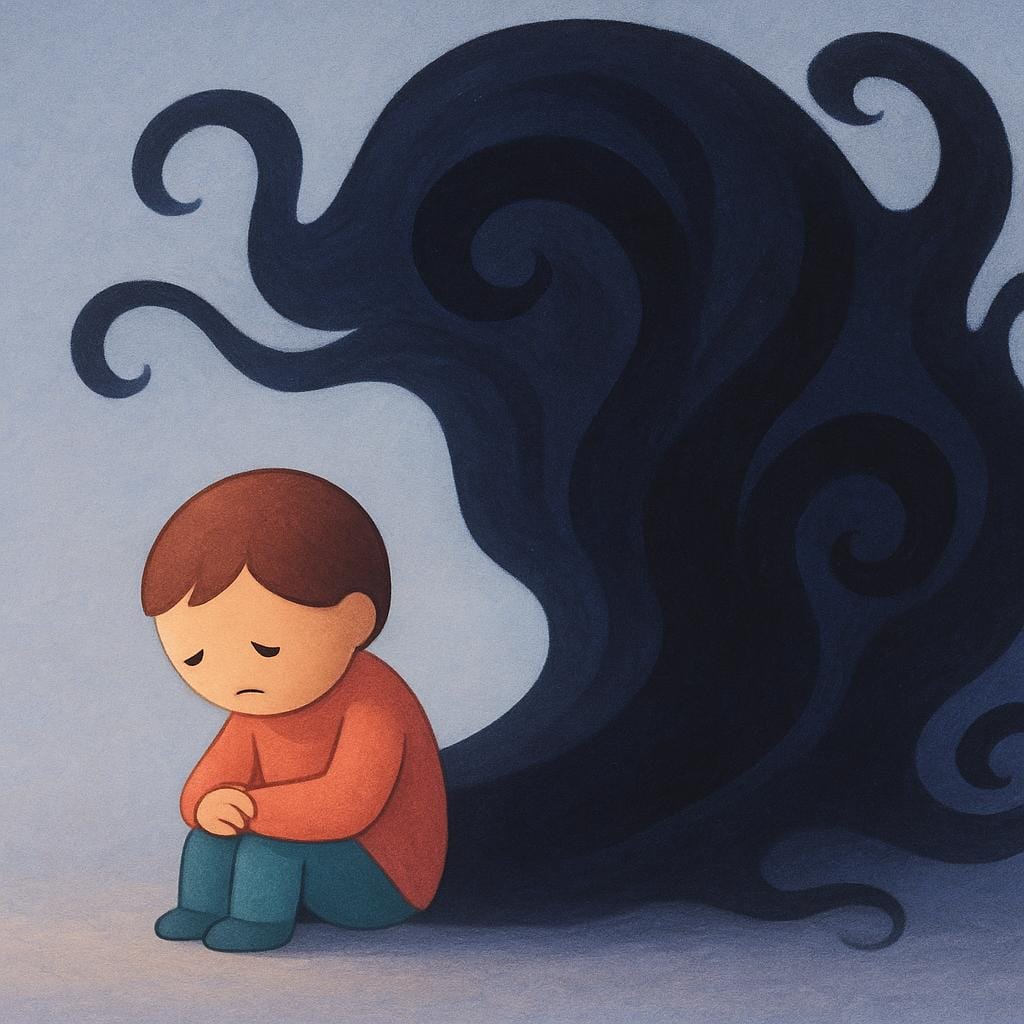
Examples
Superar un trauma infantil puede ser un proceso largo.
Overcoming childhood trauma can be a long process.
La pérdida de su mascota le causó un gran trauma emocional.
The loss of his pet caused him great emotional trauma.
Necesita ayuda profesional para lidiar con el trauma de la separación.
She needs professional help to deal with the trauma of the separation.
El paciente ingresó con un trauma craneal grave después de la caída.
The patient was admitted with severe cranial trauma after the fall.
Masculine Noun Ending in -a
Even though 'trauma' ends in '-a', it is a masculine noun. Always say 'el trauma' or 'un trauma.' This is common for many Spanish words borrowed from Greek, like 'el problema' or 'el tema'.
Medical Context
In medical settings, 'trauma' often acts as a category of injury. You will hear phrases like 'unidad de trauma' (trauma unit) or 'centro de trauma' (trauma center).
Incorrect Gender
Mistake: “La trauma fue muy fuerte.”
Correction: El trauma fue muy fuerte. Remember that 'trauma' is masculine, so use 'el' or 'un' before it.
herida
eh-REE-daheˈɾiða
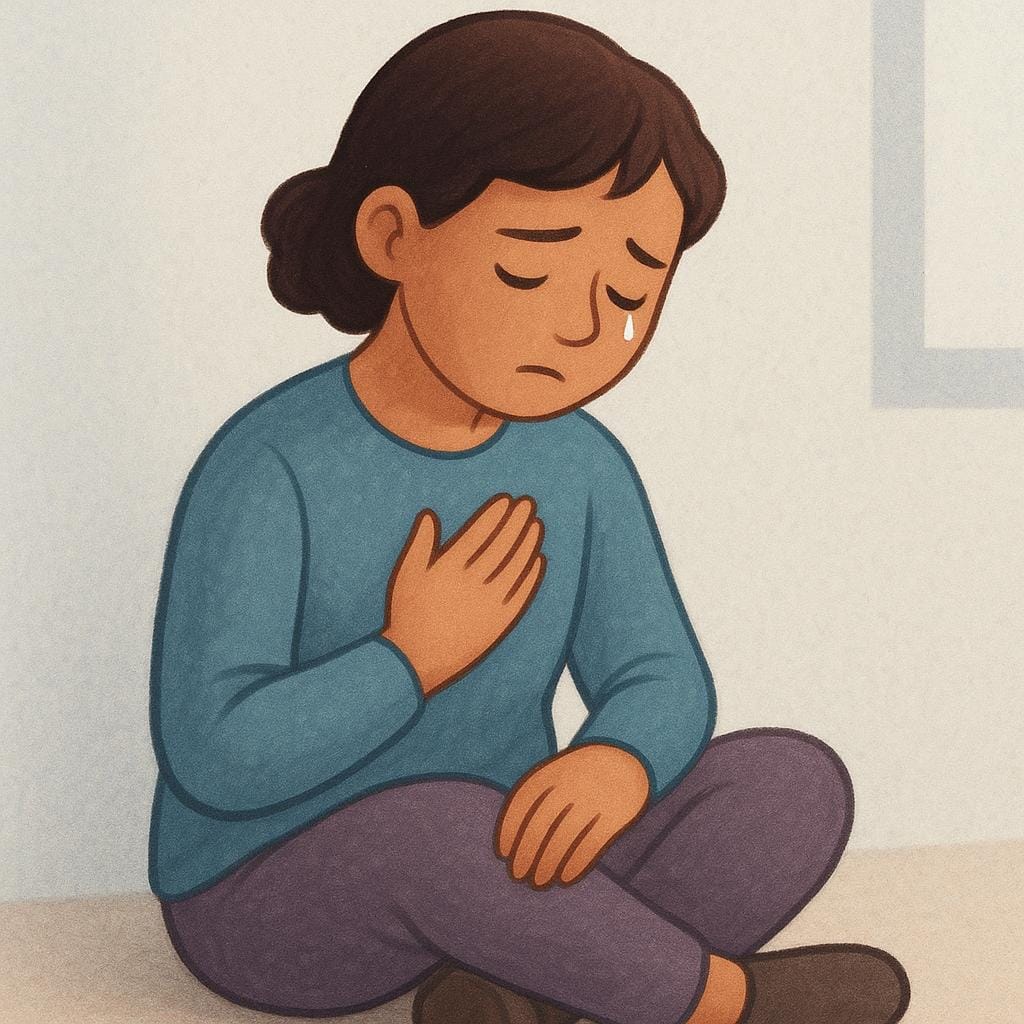
Examples
La traición dejó una herida profunda en su alma.
The betrayal left a deep wound in her soul.
El tiempo puede sanar todas las heridas emocionales.
Time can heal all emotional wounds.
Metaphorical Use
When talking about feelings, 'herida' follows the same grammatical rules as the physical meaning, but refers to emotional damage (like heartbreak or lingering sadness).
lesiones
leh-see-OH-nessle'sjo.nes

Examples
El futbolista sufrió varias lesiones graves durante el partido.
The soccer player suffered several serious injuries during the match.
Las lesiones menores no requirieron hospitalización.
The minor injuries did not require hospitalization.
El informe médico detalla todas las lesiones encontradas.
The medical report details all the injuries found.
Feminine Plural
This word is the plural of 'la lesión' (the injury). Since it is feminine, it always uses 'las' and requires feminine adjectives, like 'las lesiones graves'.
Using 'Lesiones' for Property
Mistake: “Hablo de las lesiones del coche.”
Correction: Hablo de los daños del coche. (Use 'lesiones' only for bodily harm, use 'daños' for damage to objects.)
shock
shokˈʃok
Examples
El paciente entró en shock hipovolémico después de la hemorragia.
The patient went into hypovolemic shock after the hemorrhage.
La noticia de su renuncia fue un shock para todos.
The news of his resignation was a shock to everyone.
Estaba en estado de shock después del accidente.
She was in a state of shock after the accident.
El país aún no se recupera del shock económico.
The country still hasn't recovered from the economic shock.
Gender Rule
Even though 'shock' comes from English, it is always treated as a masculine noun in Spanish: 'el shock'.
Context is Key
When used medically, 'shock' refers to a sudden, life-threatening drop in blood flow. This usage is generally more serious and technical than the emotional sense.
Using the wrong article
Mistake: “La shock”
Correction: El shock. Remember, most nouns that end in a consonant and are loanwords tend to be masculine in Spanish.
trauma
TRAU-mahˈtɾau̯.ma
Examples
El paciente ingresó con un trauma craneal grave después de la caída.
The patient was admitted with severe cranial trauma after the fall.
Superar un trauma infantil puede ser un proceso largo.
Overcoming childhood trauma can be a long process.
La pérdida de su mascota le causó un gran trauma emocional.
The loss of his pet caused him great emotional trauma.
Necesita ayuda profesional para lidiar con el trauma de la separación.
She needs professional help to deal with the trauma of the separation.
Masculine Noun Ending in -a
Even though 'trauma' ends in '-a', it is a masculine noun. Always say 'el trauma' or 'un trauma.' This is common for many Spanish words borrowed from Greek, like 'el problema' or 'el tema'.
Medical Context
In medical settings, 'trauma' often acts as a category of injury. You will hear phrases like 'unidad de trauma' (trauma unit) or 'centro de trauma' (trauma center).
Incorrect Gender
Mistake: “La trauma fue muy fuerte.”
Correction: El trauma fue muy fuerte. Remember that 'trauma' is masculine, so use 'el' or 'un' before it.
Psychological vs. Physical Trauma
Learn Spanish with Inklingo
Interactive stories, personalized learning, and more.