How to Say "impact" in Spanish
The most common Spanish word for “impact” is “impacto” — use 'impacto' for a general effect or influence, especially in business, marketing, or when discussing the result of an action.





impacto
eem-PAHK-tohimˈpakto

Examples
La nueva política tuvo un gran impacto en la moral de los empleados.
The new policy had a big impact on employee morale.
La campaña de marketing tuvo un impacto enorme en las ventas.
The marketing campaign had an enormous impact on sales.
El impacto ambiental del proyecto es nuestra mayor preocupación.
The environmental impact of the project is our biggest concern.
¿Cuál fue el impacto de la crisis económica en la región?
What was the impact of the economic crisis in the region?
Always Masculine
Remember that 'impacto' is always a masculine noun, so you must use 'el' or 'un' before it.
Using 'impacto' as a verb
Mistake: “La noticia me impacto mucho.”
Correction: La noticia me impactó mucho. (Use the correct verb form: 'impactar'.)
influencia
een-floo-EN-see-ahin.fluˈen.sja

Examples
Su mentor tuvo una gran influencia en su carrera.
His mentor had a great influence on his career.
Mi hermana tiene mucha influencia en mis gustos musicales.
My sister has a lot of influence on my musical tastes.
La influencia de las redes sociales es innegable hoy en día.
The influence of social media is undeniable nowadays.
El director ejerció su influencia para cambiar la fecha de la reunión.
The director exerted his influence to change the meeting date.
Always Feminine
Since 'influencia' ends in -a, it is a feminine noun. You must always use 'la' or 'una' before it (e.g., la influencia, mucha influencia).
Prepositions with Influence
Mistake: “La influencia *en* mis amigos (using 'en' when talking about the effect on people)”
Correction: La influencia *sobre* mis amigos (or *en* works, but *sobre* is often preferred when describing influence directed at something/someone).
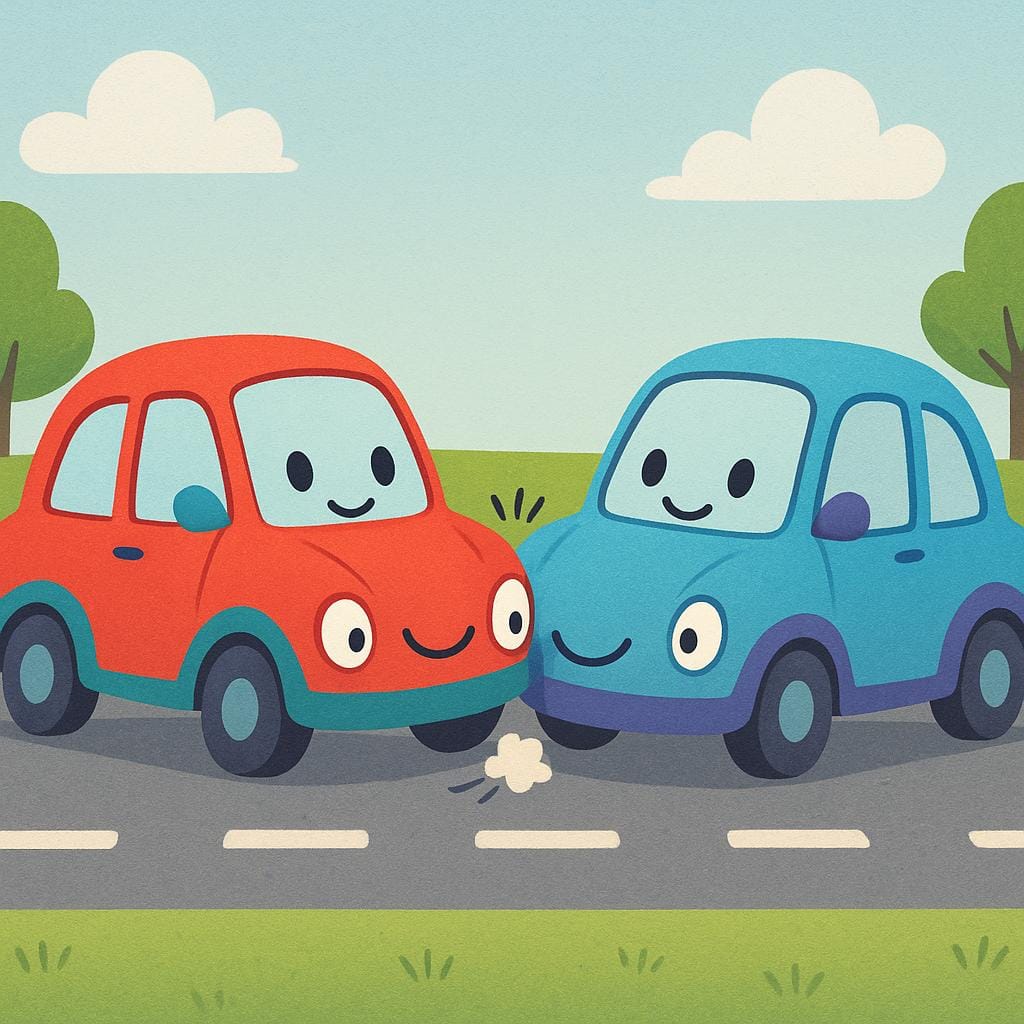
choque
CHOH-kehˈtʃo.ke
Examples
El conductor sobrevivió al choque gracias a los airbags.
The driver survived the crash thanks to the airbags.
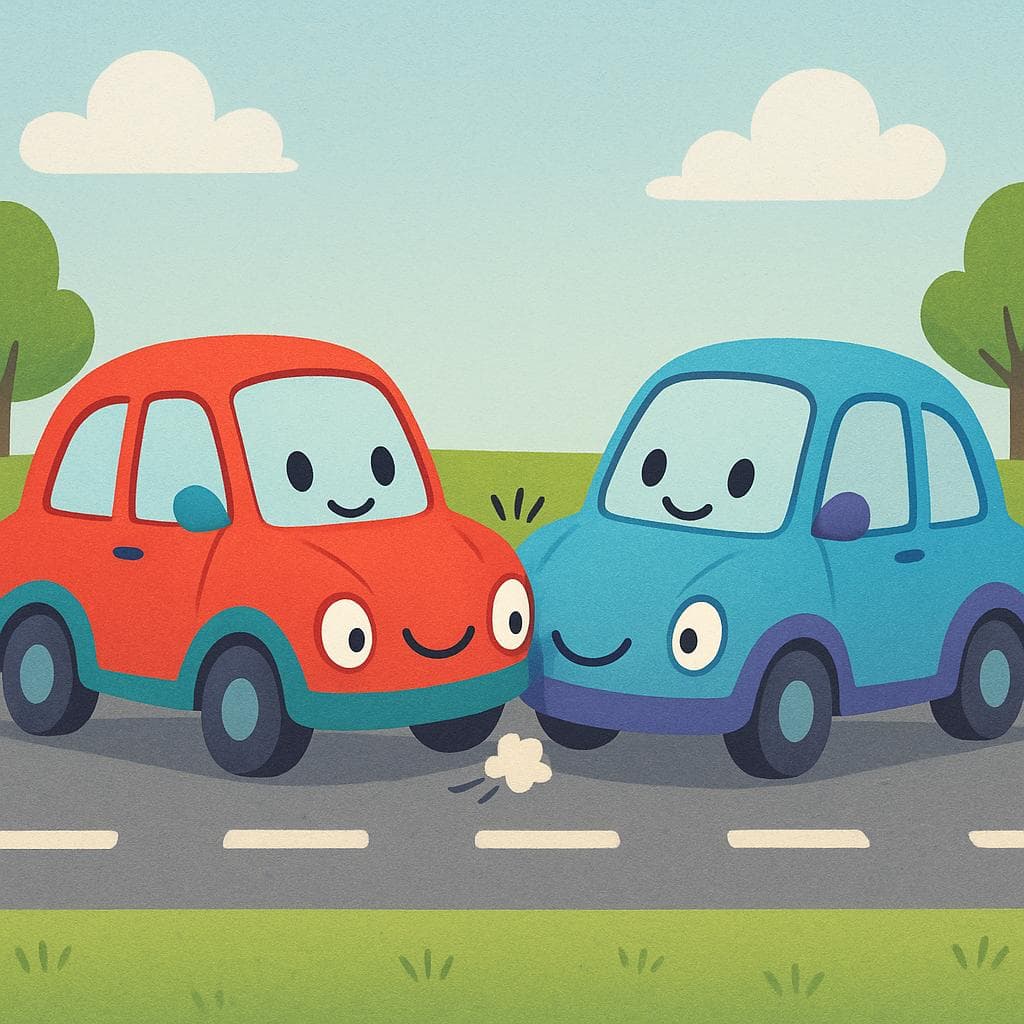
El choque entre los dos coches fue muy fuerte.
The collision between the two cars was very strong.
Llamaron a la policía después del choque.
They called the police after the crash.
El choque frontal dejó a los conductores heridos.
The head-on collision left the drivers injured.
Masculine Noun
Remember that 'choque' is always a masculine word, so you must use 'el' or 'un' before it.
Confusing 'choque' and 'chocar'
Mistake: “Using 'yo choque' when you mean 'yo choqué' (I crashed).”
Correction: 'Choque' is the noun (the crash itself). Use the verb 'chocar' (to crash) for actions.
alcance
ahl-KAHN-sehalˈkance
Examples
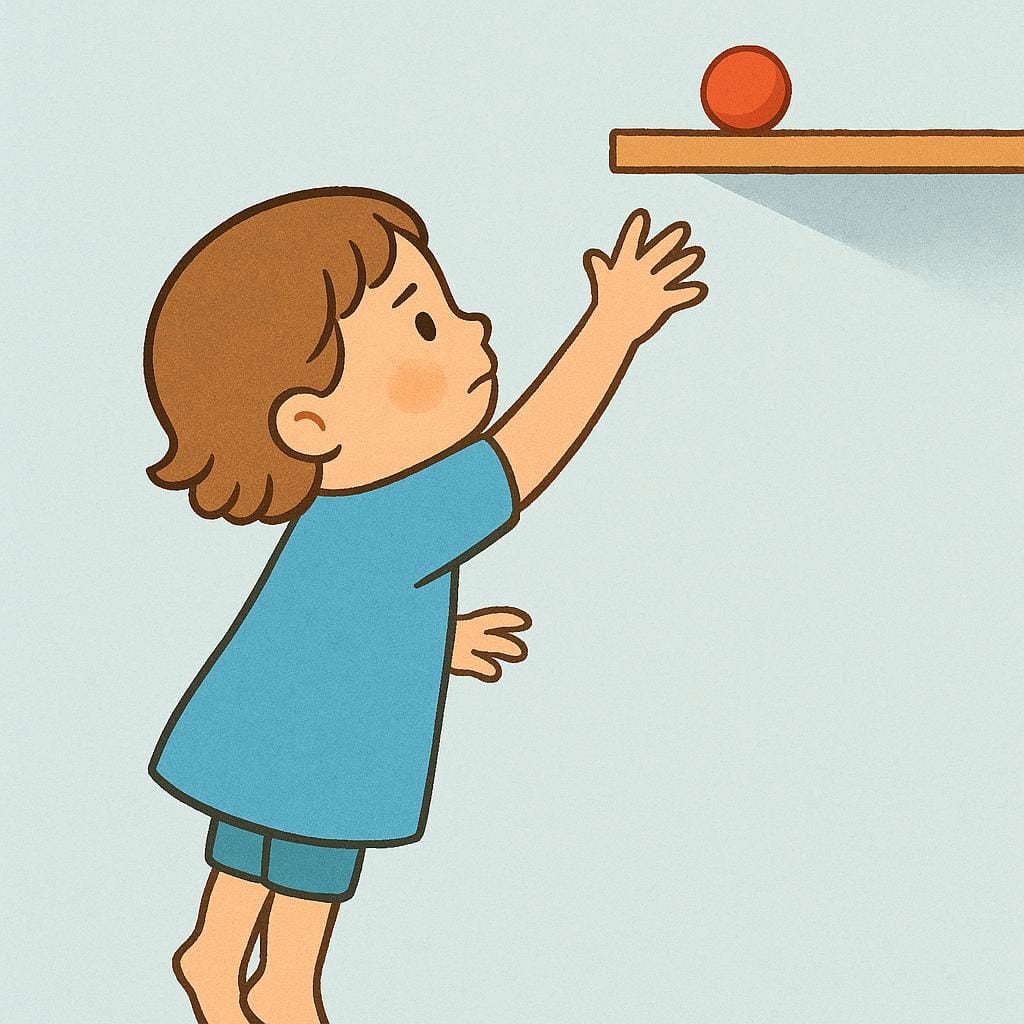
Este problema está fuera de nuestro alcance.
This problem is out of our reach.
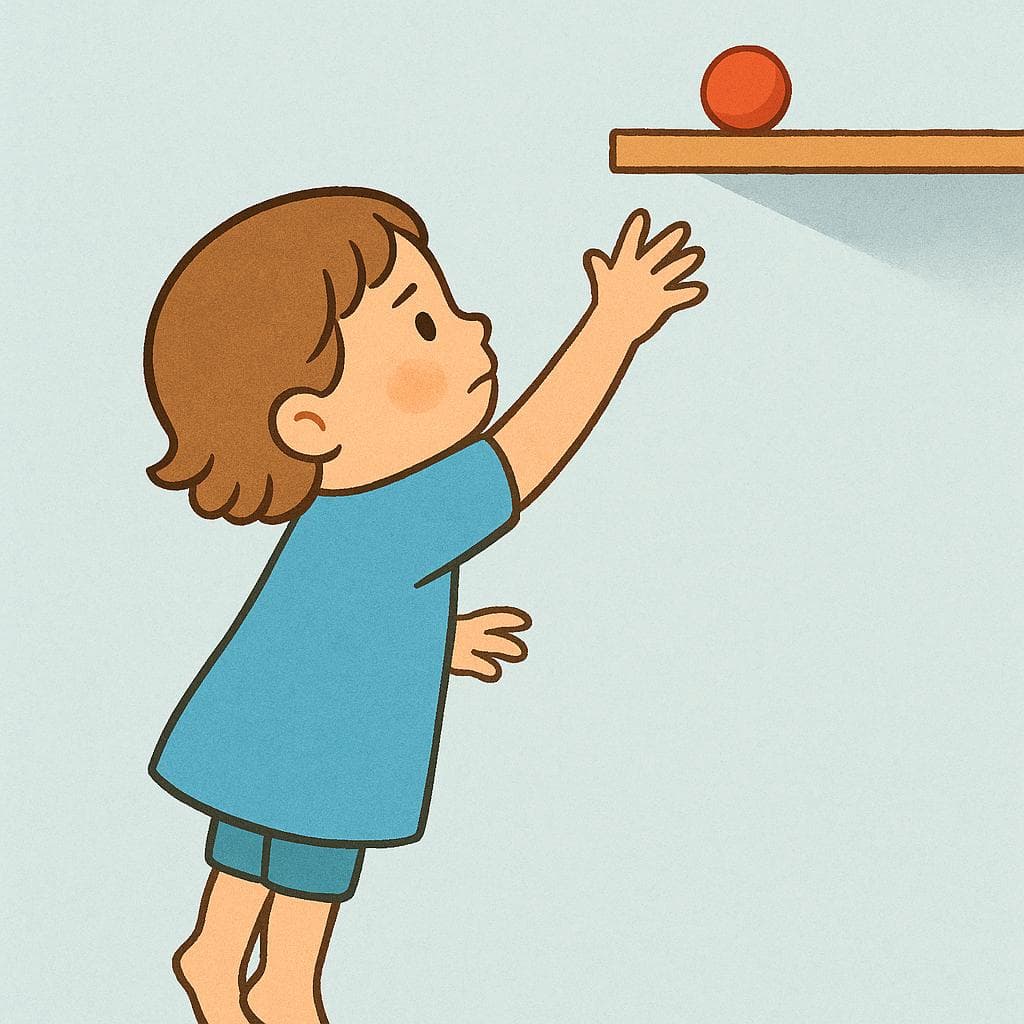
El libro está en el estante de arriba, fuera de mi alcance.
The book is on the top shelf, out of my reach.
La decisión del gobierno tiene un gran alcance nacional.
The government's decision has a great national scope/impact.
La señal de Wi-Fi tiene un alcance muy limitado en esta zona.
The Wi-Fi signal has a very limited range in this area.
Using Prepositions with Alcance
You almost always use 'al alcance de' (within reach of) or 'fuera de alcance' (out of reach).
Confusing Alcance (Noun) and Alcanzar (Verb)
Mistake: “Using 'el alcanzar' when you mean 'the reach' (el alcance).”
Correction: Remember 'alcance' is the thing (the distance/scope), and 'alcanzar' is the action (to reach).
colisión
Examples
La policía investiga la colisión de dos aviones.
The police are investigating the collision of two planes.
huella
WEY-yahˈweʝa

Examples
La deforestación deja una huella negativa en el ecosistema.
Deforestation leaves a negative impact on the ecosystem.
La civilización antigua dejó una huella imborrable en la historia.
The ancient civilization left an indelible trace on history.
Es importante reducir nuestra huella ecológica.
It is important to reduce our ecological footprint.
El profesor dejó una huella positiva en todos sus estudiantes.
The professor left a positive impression on all his students.
Using 'Dejar'
To express leaving a mark or making an impact, you almost always use the verb 'dejar' (to leave): 'dejar una huella'.
Confusing 'Huella' and 'Pie'
Mistake: “Using 'pie' (foot) when you mean the mark left by the foot.”
Correction: Use 'huella' for the *mark* or *track*. 'Pie' is the actual body part.
repercusión
re-per-koo-SYOHNreperkuˈsjon

Examples
Las protestas tuvieron importantes repercusiones políticas.
The protests had significant political repercussions.
Sus palabras tuvieron una gran repercusión en la prensa.
His words had a great impact on the press.
La huelga tendrá repercusiones económicas importantes.
The strike will have important economic consequences.
El descubrimiento no tuvo la repercusión que se esperaba.
The discovery didn't have the resonance that was expected.
Gender Pattern
Most Spanish words ending in '-ción' are feminine. Always use 'la' or 'una' with this word.
The Disappearing Accent
When you make this word plural ('repercusiones'), the accent mark over the 'o' disappears because the natural stress moves.
Gender Error
Mistake: “el repercusión”
Correction: la repercusión. Even though it sounds like it could be masculine, '-ción' words are almost always feminine.
Keeping the Accent in Plural
Mistake: “repercusiónes”
Correction: repercusiones. You only need the accent mark when the stress is on the last syllable. In the plural, the stress moves to the second-to-last syllable.
shock
shokˈʃok
Examples
La repentina muerte del actor fue un shock para el mundo del cine.
The actor's sudden death was a shock to the film world.
La noticia de su renuncia fue un shock para todos.
The news of his resignation was a shock to everyone.
Estaba en estado de shock después del accidente.
She was in a state of shock after the accident.
El país aún no se recupera del shock económico.
The country still hasn't recovered from the economic shock.
Gender Rule
Even though 'shock' comes from English, it is always treated as a masculine noun in Spanish: 'el shock'.
Using the wrong article
Mistake: “La shock”
Correction: El shock. Remember, most nouns that end in a consonant and are loanwords tend to be masculine in Spanish.
incidencia
in-see-den-syahinθiˈdenθja

Examples
La incidencia de la enfermedad ha aumentado este año.
The incidence of the disease has increased this year.
La nueva ley tendrá una gran incidencia en la economía.
The new law will have a big impact on the economy.
Su opinión tuvo poca incidencia en la decisión final.
His opinion had little influence on the final decision.
resonancia
reh-so-NAN-syahresoˈnanθja
Examples
El discurso del líder tuvo gran resonancia internacional.
The leader's speech had great international resonance.
Sus palabras tuvieron una gran resonancia en la prensa internacional.
His words had a great impact in the international press.
La noticia tuvo poca resonancia entre los ciudadanos.
The news had little significance among the citizens.
General Effect vs. Physical Collision
Related Translations
Learn Spanish with Inklingo
Interactive stories, personalized learning, and more.