How to Say "conflict" in Spanish
The most common Spanish word for “conflict” is “conflicto” — use 'conflicto' for a general disagreement or opposition, applicable in most everyday situations and formal contexts without specific connotations of physical clash or deep-seated dispute.
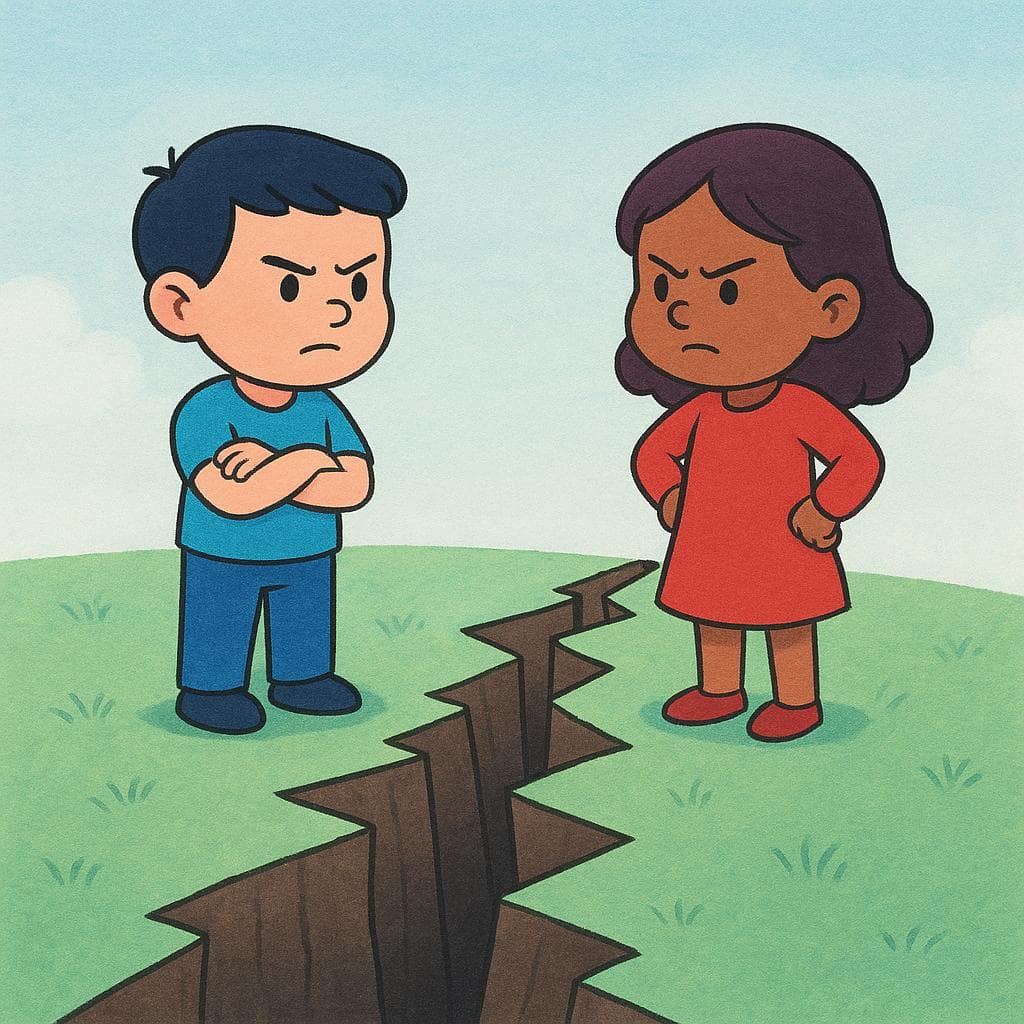



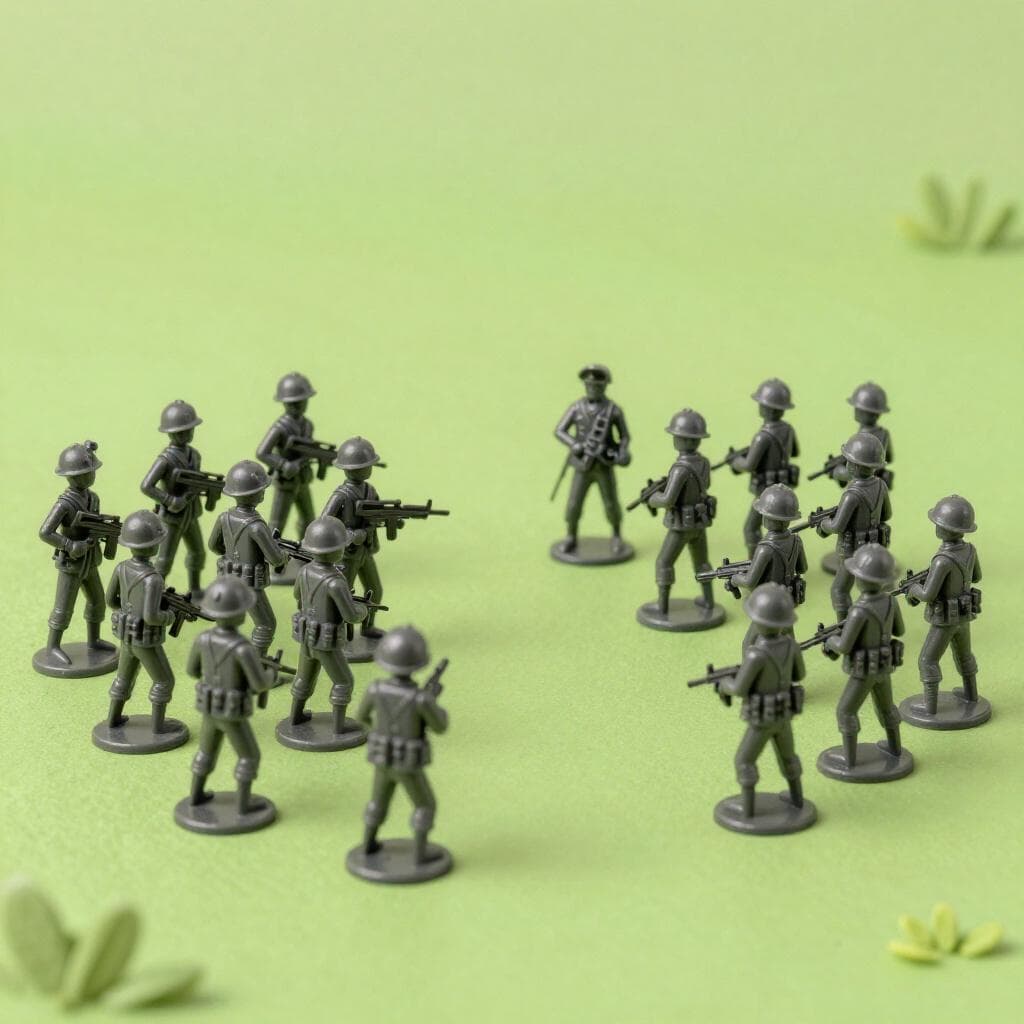
conflicto
kohn-FLEEK-tohkonˈflikto
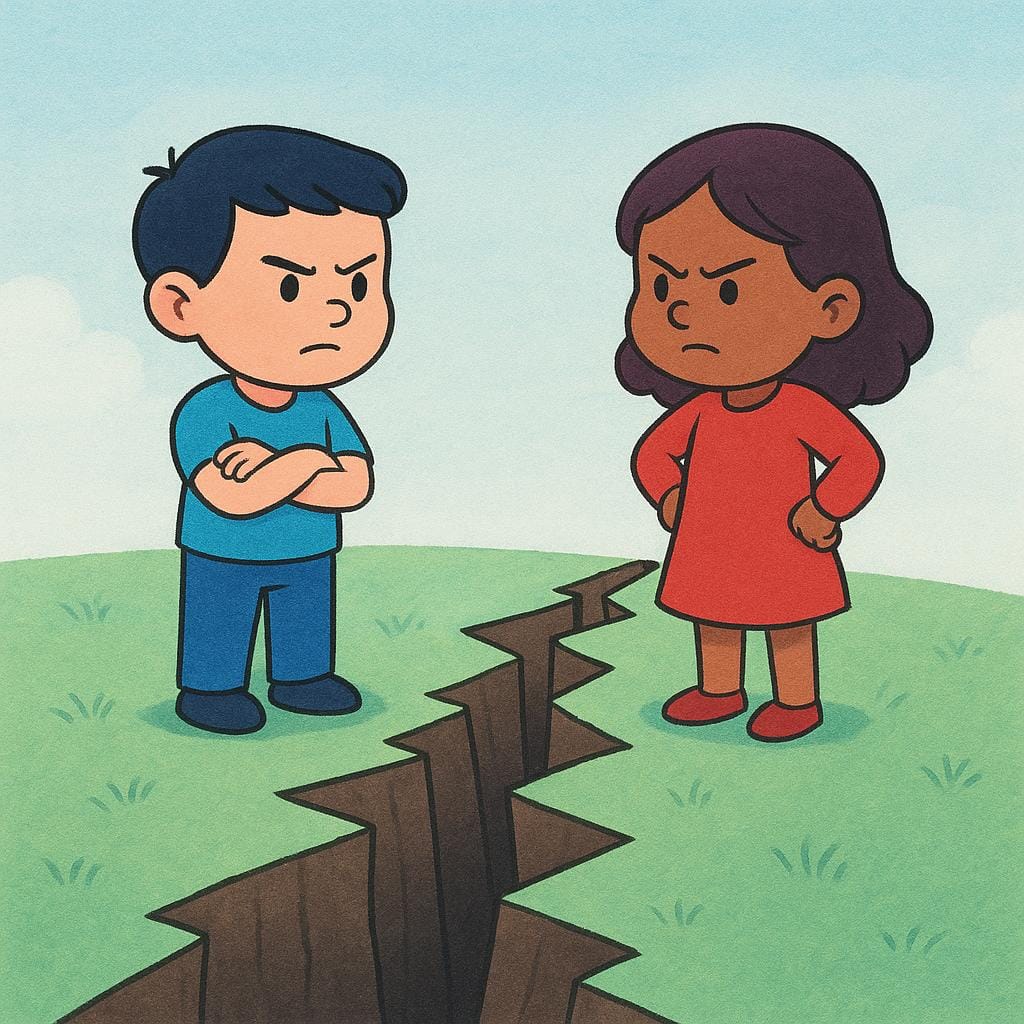
Examples
El conflicto duró varias semanas antes de que llegaran a un acuerdo.
The conflict lasted several weeks before they reached an agreement.
Hay un conflicto laboral entre la empresa y sus empleados.
There is a labor dispute between the company and its employees.
El país evitó un conflicto armado gracias a la diplomacia.
The country avoided an armed conflict thanks to diplomacy.
Gender Reminder
Remember that 'conflicto' is always a masculine noun, so you must use 'el conflicto' or 'un conflicto'.
Mixing up 'conflicto' and 'problema'
Mistake: “Using 'conflicto' when referring to a small, everyday glitch (like a computer problem).”
Correction: Use 'problema' for minor issues. 'Conflicto' usually implies strong opposition, confrontation, or a serious crisis.
choque
CHOH-kehˈtʃo.ke
Examples
Fue un choque cultural muy fuerte cuando llegó a la capital.
It was a very strong culture shock when she arrived in the capital.
El choque de ideologías provocó la ruptura del partido.
The clash of ideologies caused the breakup of the party.
El paciente entró en choque después de la operación.
The patient went into shock after the operation.
Figurative Use
When used figuratively, 'choque' still means a strong, sudden, negative impact, like a 'clash' of personalities or a 'shock' to your system.
disputa
dee-spoo-tahdisˈputa

Examples
Hay una disputa territorial entre los dos países.
There is a territorial dispute between the two countries.
La disputa por la herencia duró varios años.
The dispute over the inheritance lasted several years.
La autoría del libro está en disputa.
The authorship of the book is in dispute.
Gender Identification
This word is feminine, so you should always use feminine markers like 'la' or 'una' (e.g., la disputa).
Cognate Alert
This word is a 'cognate,' meaning it looks and sounds almost exactly like its English counterpart 'dispute,' making it very easy to remember!
Using it for physical fights
Mistake: “Usaron una disputa en el bar.”
Correction: Tuvieron una pelea en el bar.
guerra
GEHR-rah'gera

Examples
Es una guerra constante contra la desinformación.
It's a constant struggle against misinformation.
Los dos hermanos tienen una guerra de voluntades.
The two brothers are having a war of wills.
El gobierno inició una guerra contra la pobreza.
The government started a war on poverty.
colisión
Examples
Existe una colisión de intereses entre los dos socios.
There is a conflict of interest between the two partners.
contienda
con-tee-EN-dahkonˈtjenda

Examples
La contienda electoral terminó con un resultado muy ajustado.
The election contest ended with a very close result.
Muchos soldados perdieron la vida en aquella sangrienta contienda.
Many soldiers lost their lives in that bloody conflict.
Es importante mantener el respeto durante la contienda deportiva.
It is important to maintain respect during the sports competition.
Always Feminine
Even though it doesn't refer to a female person, this word is always feminine. You must use feminine adjectives with it: 'la contienda larga' (the long struggle).
Plural Form
To talk about more than one conflict, simply add an 's': 'las contiendas'.
Don't use for small arguments
Mistake: “Tuve una contienda con mi hermano por el control remoto.”
Correction: Tuve una pelea/discusión con mi hermano por el control remoto. (Use 'contienda' for bigger, more formal things like wars or elections, not small household arguments).
hostilidad
oh-stee-lee-DAHDosti.liˈðað

Examples
Las dos naciones acordaron el cese de las hostilidades.
The two nations agreed to the cessation of hostilities.
El ejército inició las hostilidades al amanecer.
The army began hostilities at dawn.
Las hostilidades se reanudaron tras el fracaso del tratado de paz.
Hostilities resumed after the failure of the peace treaty.
Plural for War
While the singular 'hostilidad' usually refers to a feeling, the plural 'hostilidades' is almost always used in a military context to mean 'fighting' or 'warfare'.
Using Singular for War
Mistake: “El fin de la hostilidad entre ejércitos.”
Correction: El fin de las hostilidades entre ejércitos. Use the plural when referring to actual combat or military actions.
General vs. Specific Conflict
Related Translations
Learn Spanish with Inklingo
Interactive stories, personalized learning, and more.