How to Say "collision" in Spanish
The most common Spanish word for “collision” is “choque” — use 'choque' for a general physical impact or accident, especially when referring to vehicles colliding. It's a very common and versatile term.
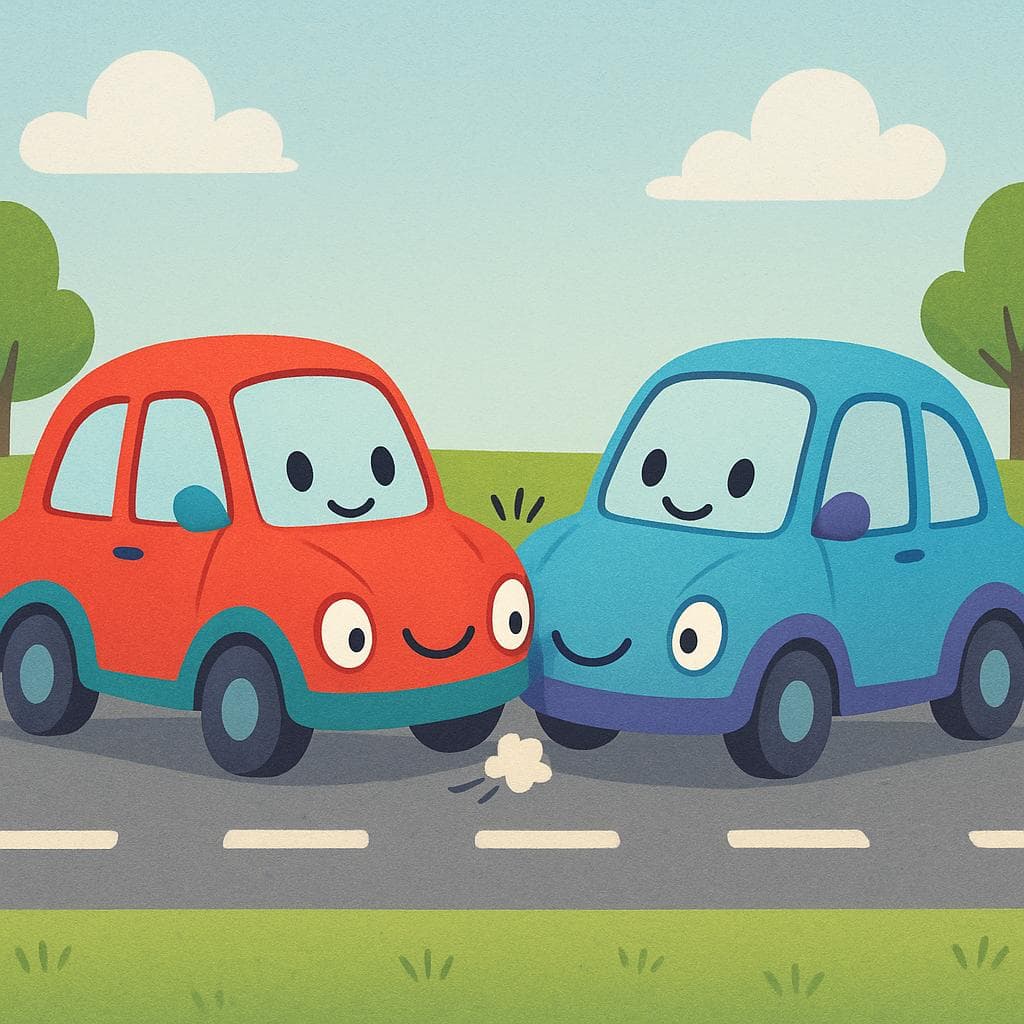
choque
CHOH-kehˈtʃo.ke
Examples
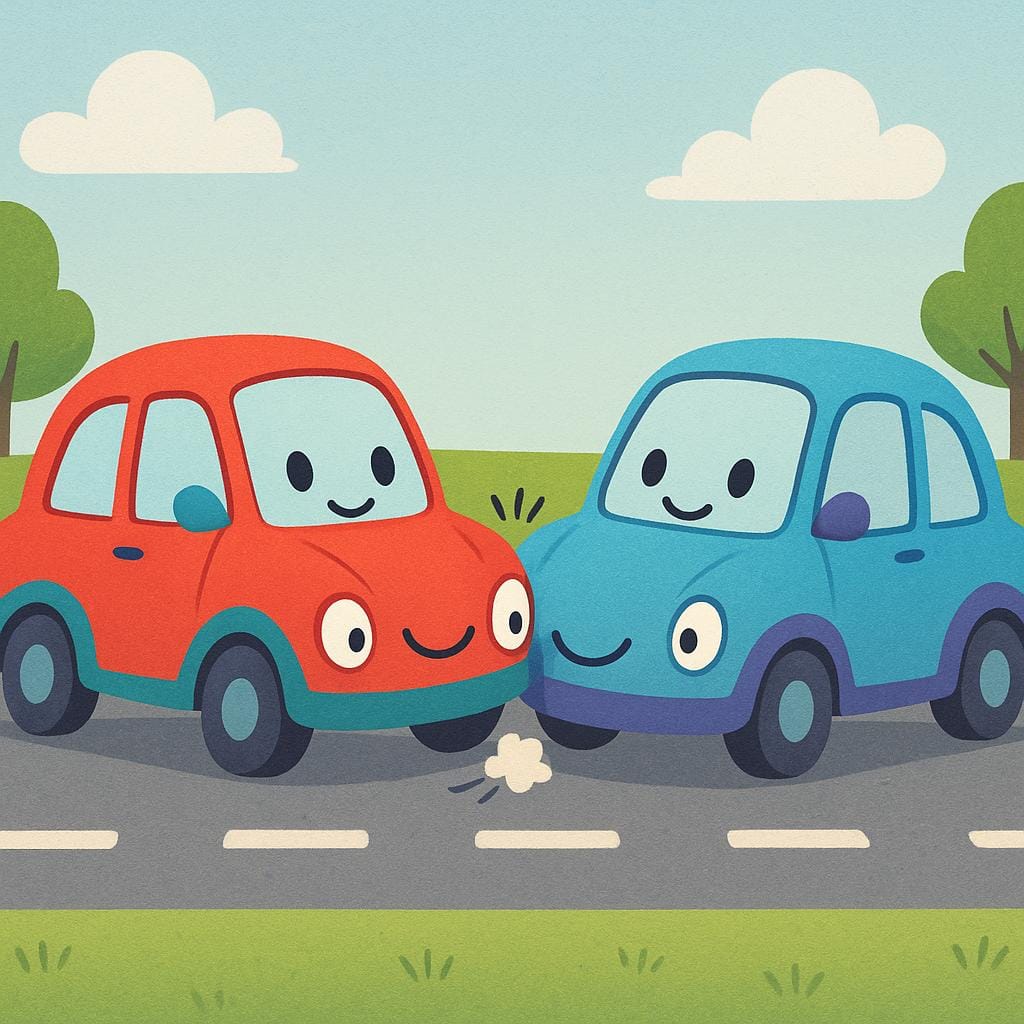
El choque entre los dos coches fue muy fuerte.
The collision between the two cars was very strong.
Llamaron a la policía después del choque.
They called the police after the crash.
El choque frontal dejó a los conductores heridos.
The head-on collision left the drivers injured.
Masculine Noun
Remember that 'choque' is always a masculine word, so you must use 'el' or 'un' before it.
Confusing 'choque' and 'chocar'
Mistake: “Using 'yo choque' when you mean 'yo choqué' (I crashed).”
Correction: 'Choque' is the noun (the crash itself). Use the verb 'chocar' (to crash) for actions.
impacto
eem-PAHK-tohimˈpakto
Examples
El conductor sobrevivió al impacto frontal, pero el coche quedó destrozado.
The driver survived the frontal impact, but the car was destroyed.
Los científicos analizaron el impacto de la roca contra la superficie.
The scientists analyzed the impact of the rock against the surface.
colisión
Examples
Hubo una colisión entre dos coches en la esquina.
There was a collision between two cars on the corner.
Choque vs. Colisión
Learn Spanish with Inklingo
Interactive stories, personalized learning, and more.