How to Say "crash" in Spanish
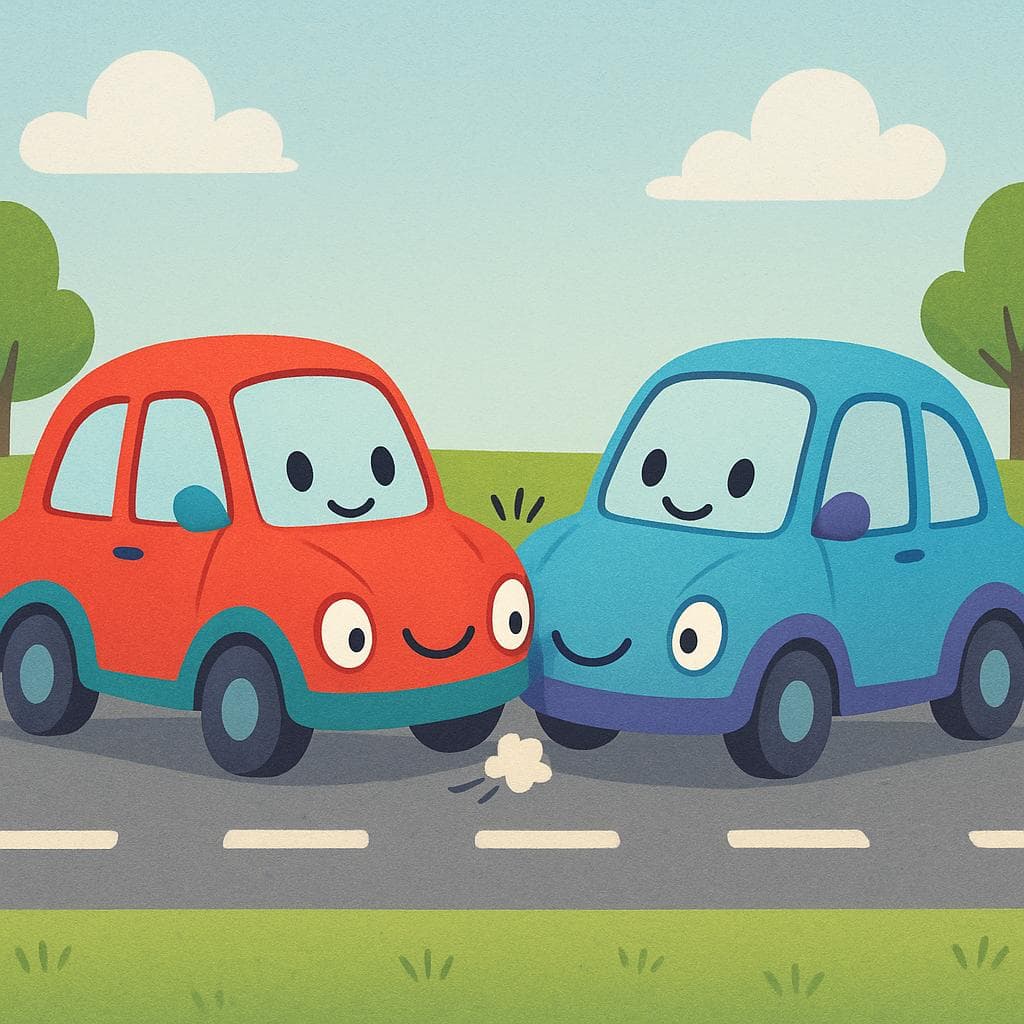
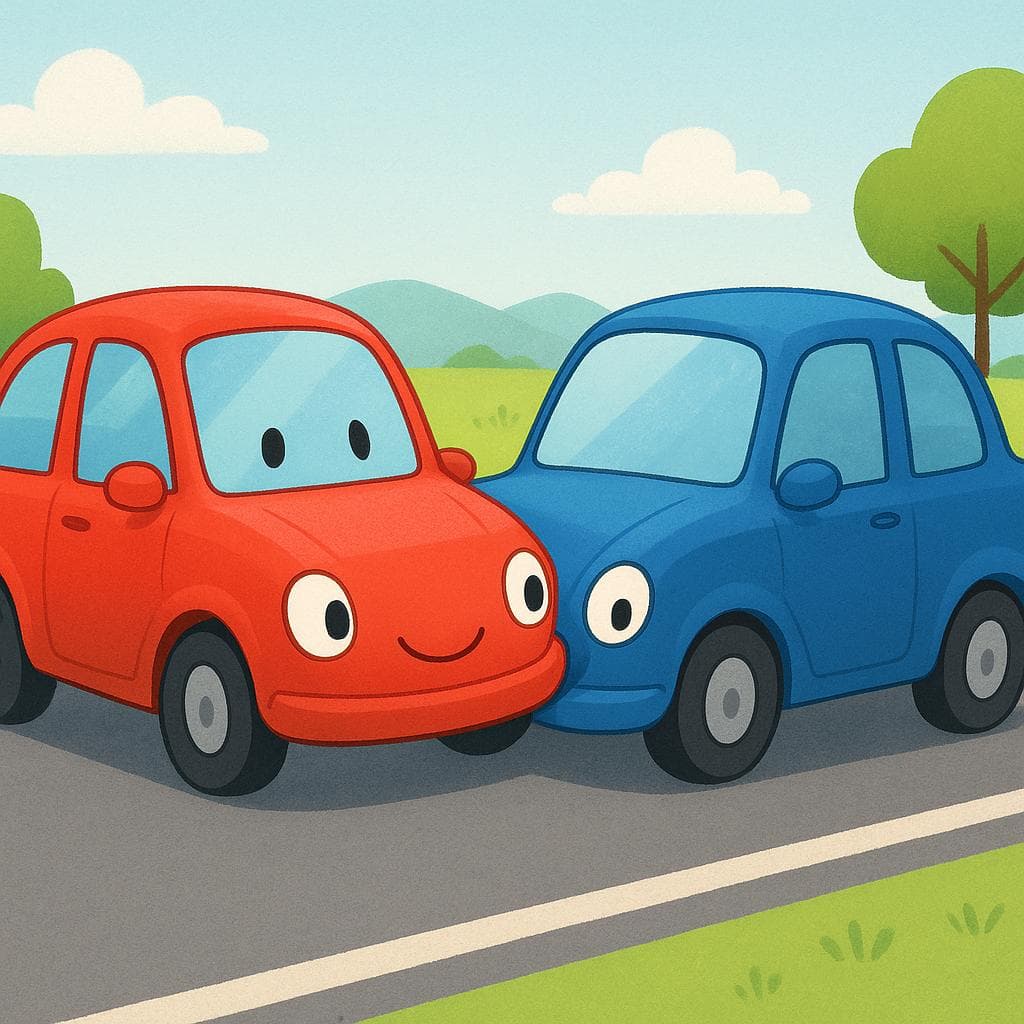
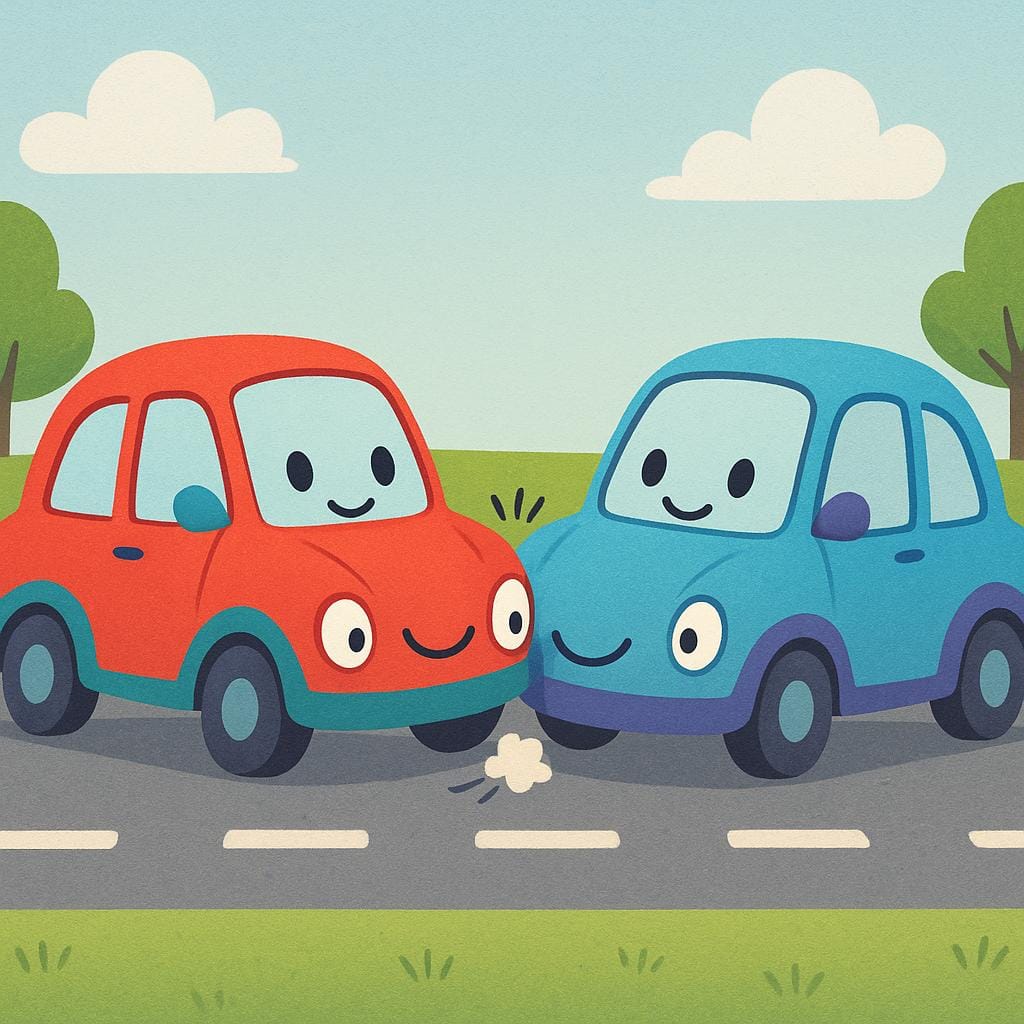
The most common Spanish word for “crash” is “choque” — use 'choque' for a traffic accident involving vehicles colliding.
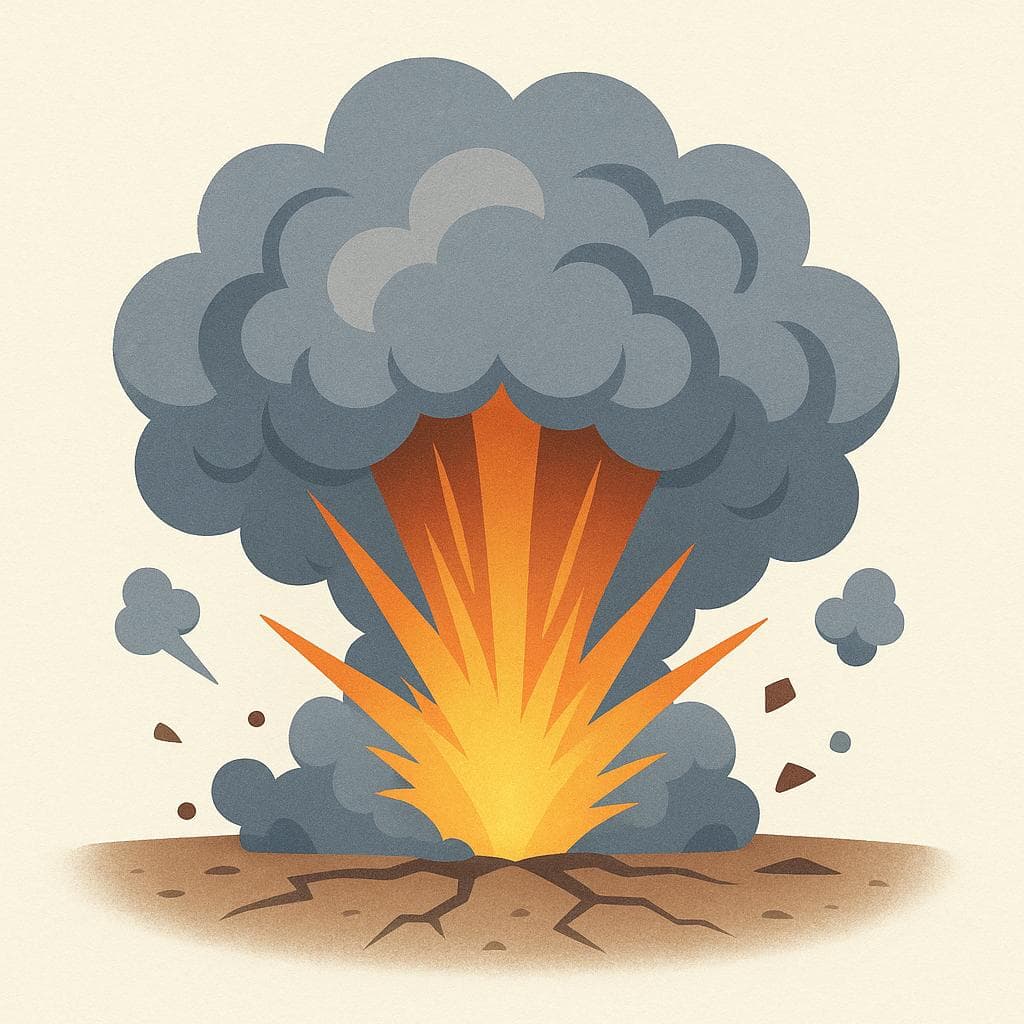
choque
CHOH-kehˈtʃo.ke
Examples
El choque entre los dos coches fue muy fuerte.
The collision between the two cars was very strong.
Llamaron a la policía después del choque.
They called the police after the crash.
El choque frontal dejó a los conductores heridos.
The head-on collision left the drivers injured.
Masculine Noun
Remember that 'choque' is always a masculine word, so you must use 'el' or 'un' before it.
Confusing 'choque' and 'chocar'
Mistake: “Using 'yo choque' when you mean 'yo choqué' (I crashed).”
Correction: 'Choque' is the noun (the crash itself). Use the verb 'chocar' (to crash) for actions.
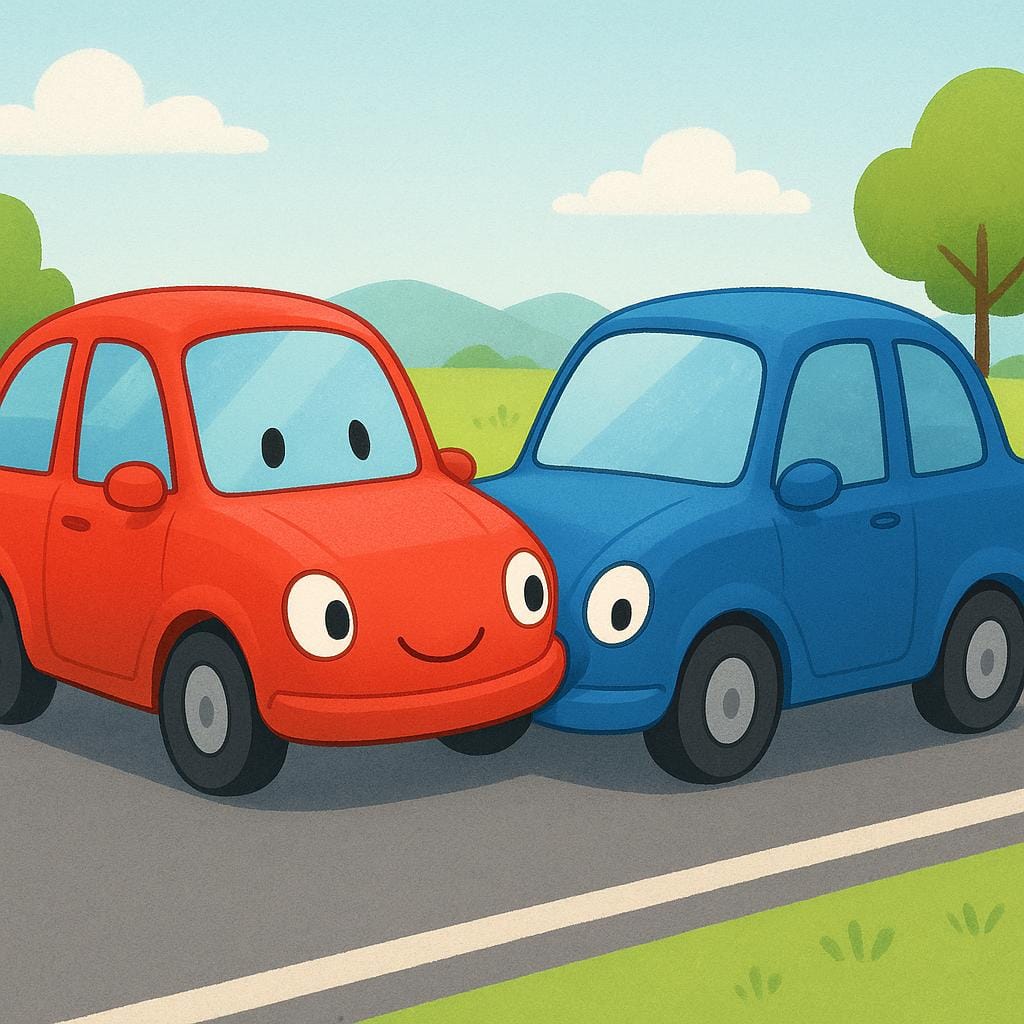
accidente
ak-see-DEN-tayak.siˈðen.te
Examples
Tuve un pequeño accidente en la cocina y me quemé la mano.
I had a little accident in the kitchen and burned my hand.
El tráfico está terrible por un accidente en la autopista.
The traffic is terrible because of an accident on the highway.
Fue un accidente, no lo hizo a propósito.
It was an accident, he didn't do it on purpose.
It's a Masculine Word
Even though 'accidente' ends in '-e', it's a masculine word. Always say 'el accidente' or 'un accidente'.
'Tener' vs. 'Sufrir'
Mistake: “You can say 'tener un accidente' (to have an accident), which is very common. But for more serious events, you might hear 'sufrir un accidente'.”
Correction: 'Sufrir un accidente' adds a sense of seriousness, like saying 'to suffer an accident'. Example: 'Sufrió un grave accidente.' (He suffered a serious accident.)
colisión
Examples
Hubo una colisión entre dos coches en la esquina.
There was a collision between two cars on the corner.
hostia
OSS-tyahˈostja
Examples
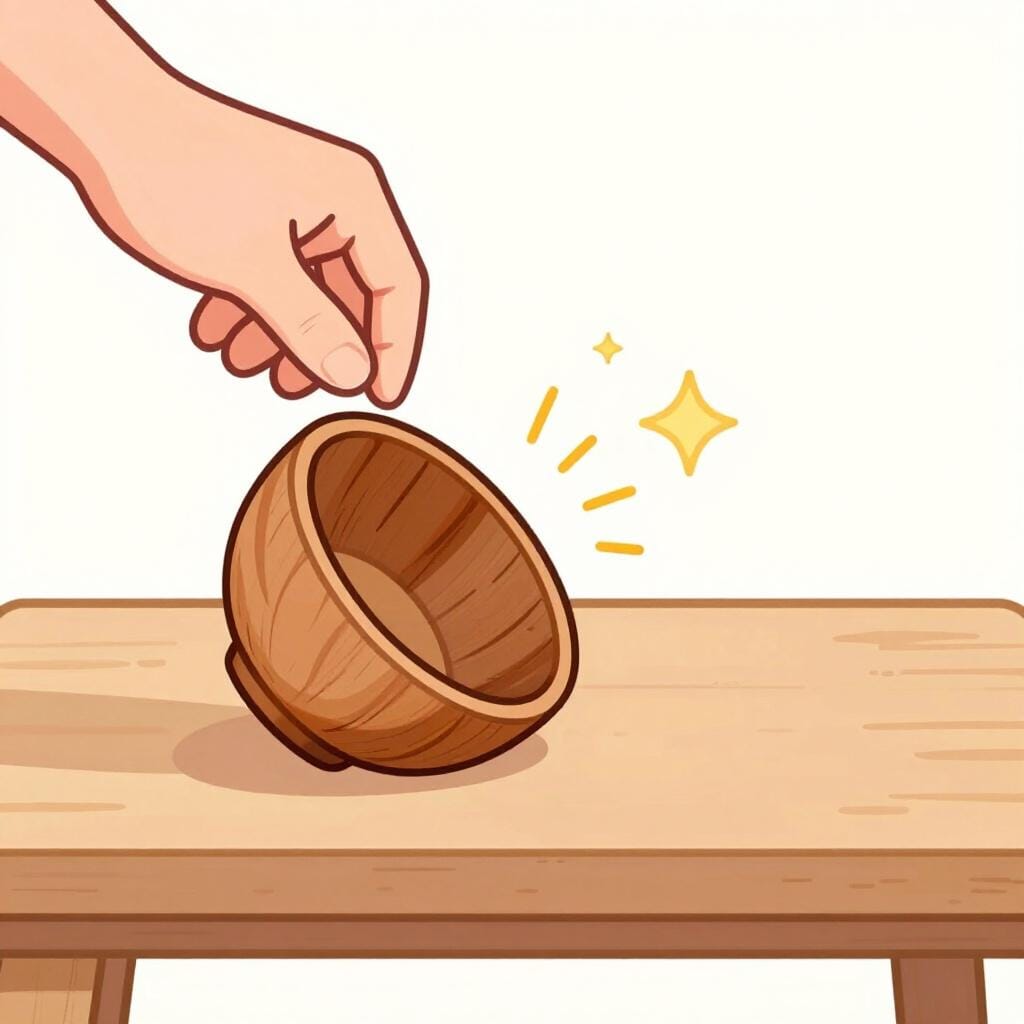
Se dio una hostia tremenda con la bici.
He had a massive crash on his bike.
Si no te callas, te vas a llevar una hostia.
If you don't shut up, you're going to get a smack.
Le dio una hostia a la mesa por la frustración.
He gave the table a hard smack out of frustration.
Using 'darse' for accidents
When you accidentally hit yourself or crash into something, use the reflexive form 'darse una hostia' to show the action happened to you.
Always Feminine
Even though it is used as slang for a hit, it never changes its gender. It is always 'la hostia' or 'una hostia'.
Confusing with 'golpe' in formal settings
Mistake: “Using 'hostia' in a job interview to describe a car accident.”
Correction: Use 'golpe' or 'accidente' instead. 'Hostia' is very informal and can be seen as rude in professional environments.
colapso
ko-LAP-sokoˈlapso
Examples
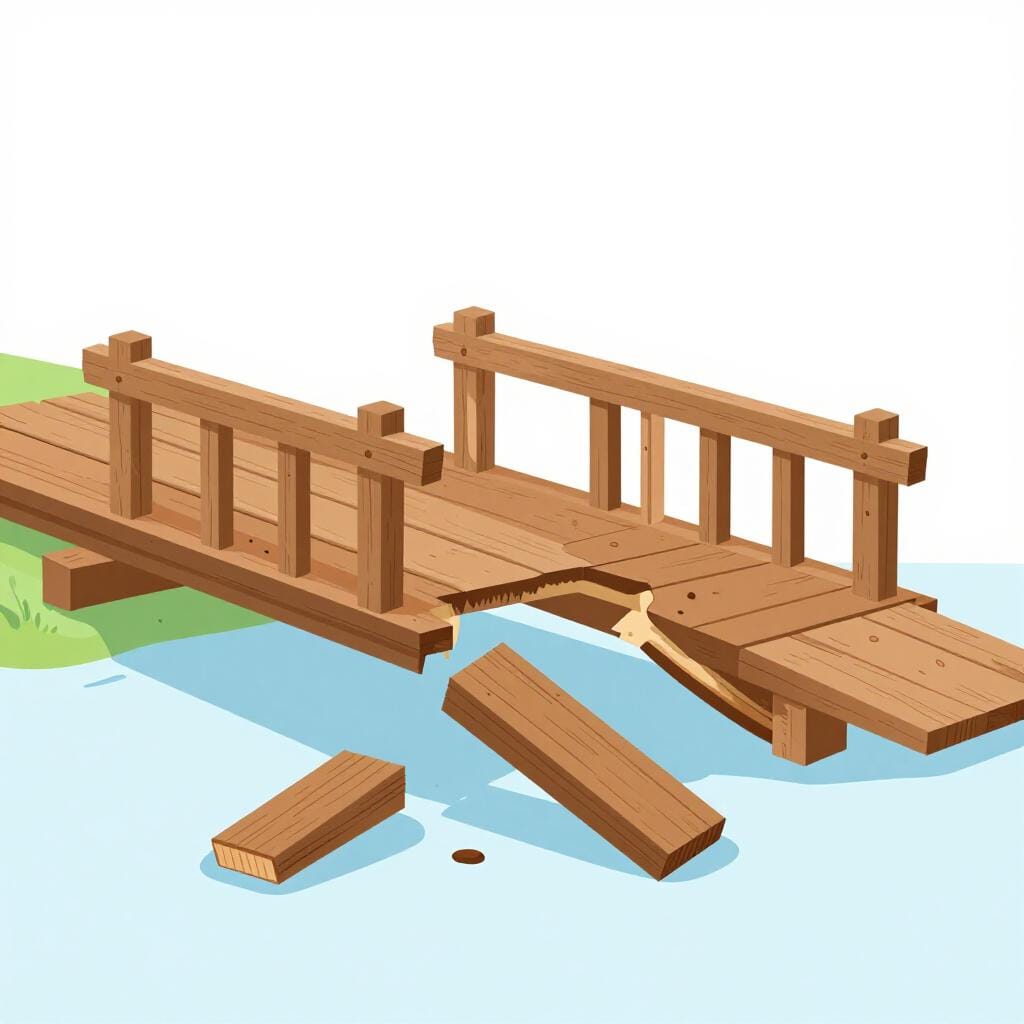
Hubo un colapso total del tráfico en el centro.
There was a total traffic jam in the center.
El sistema de salud está al borde del colapso.
The healthcare system is on the verge of collapse.
La burbuja inmobiliaria provocó un colapso económico.
The housing bubble caused an economic crash.
Always Masculine
This word is always masculine. You should always use 'el' or 'un' with it, regardless of what is collapsing.
Don't confuse with the verb
Mistake: “El tráfico colapso.”
Correction: El tráfico colapsó (verb) or Hubo un colapso (noun).
boom
/boom/ (like the English word)bum
Examples
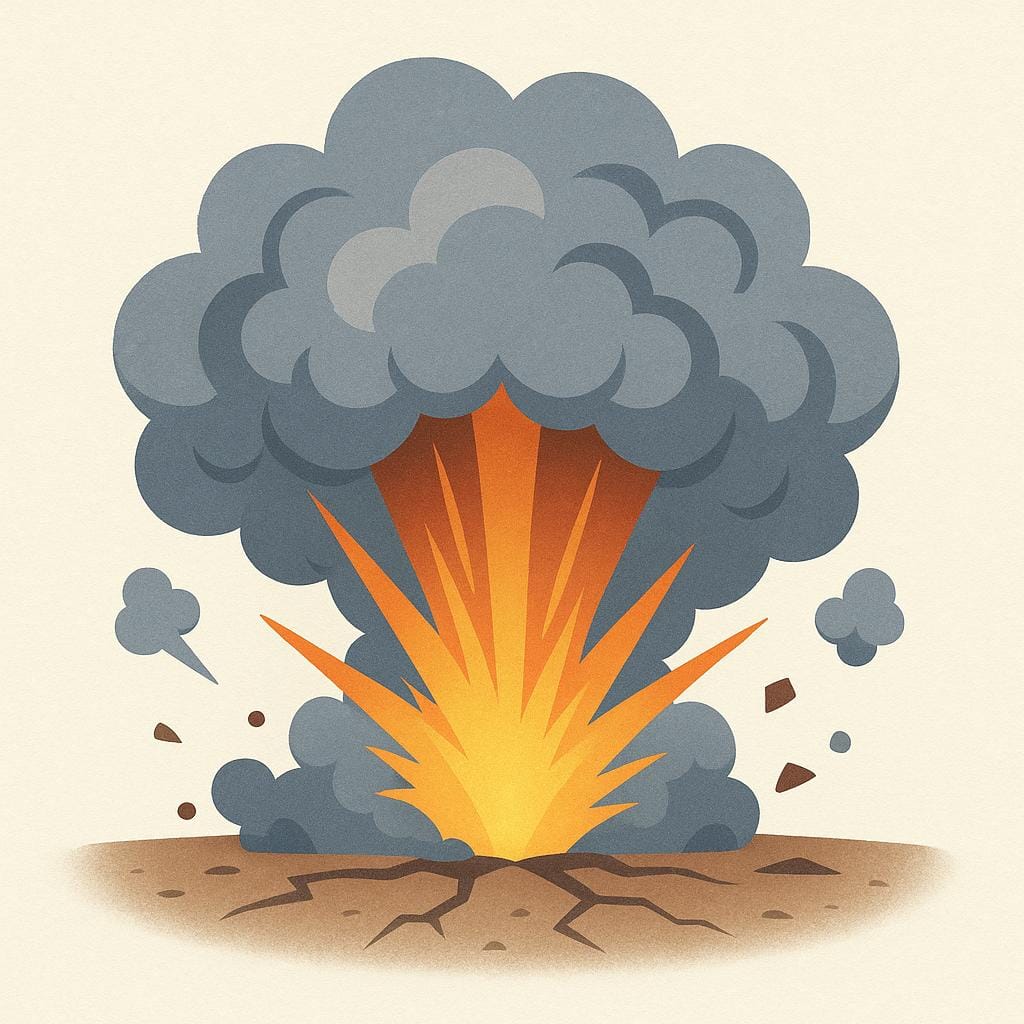
Oímos un gran boom que venía de la calle.
We heard a big boom coming from the street.
El cohete hizo boom y desapareció en el cielo.
The rocket went boom and disappeared into the sky.
Sound Words
In Spanish, words that imitate sounds (onomatopoeia) often function like nouns, or they are paired with verbs like 'hacer' (to make) to describe the action.
Accidente vs. Choque
Learn Spanish with Inklingo
Interactive stories, personalized learning, and more.