How to Say "accident" in Spanish
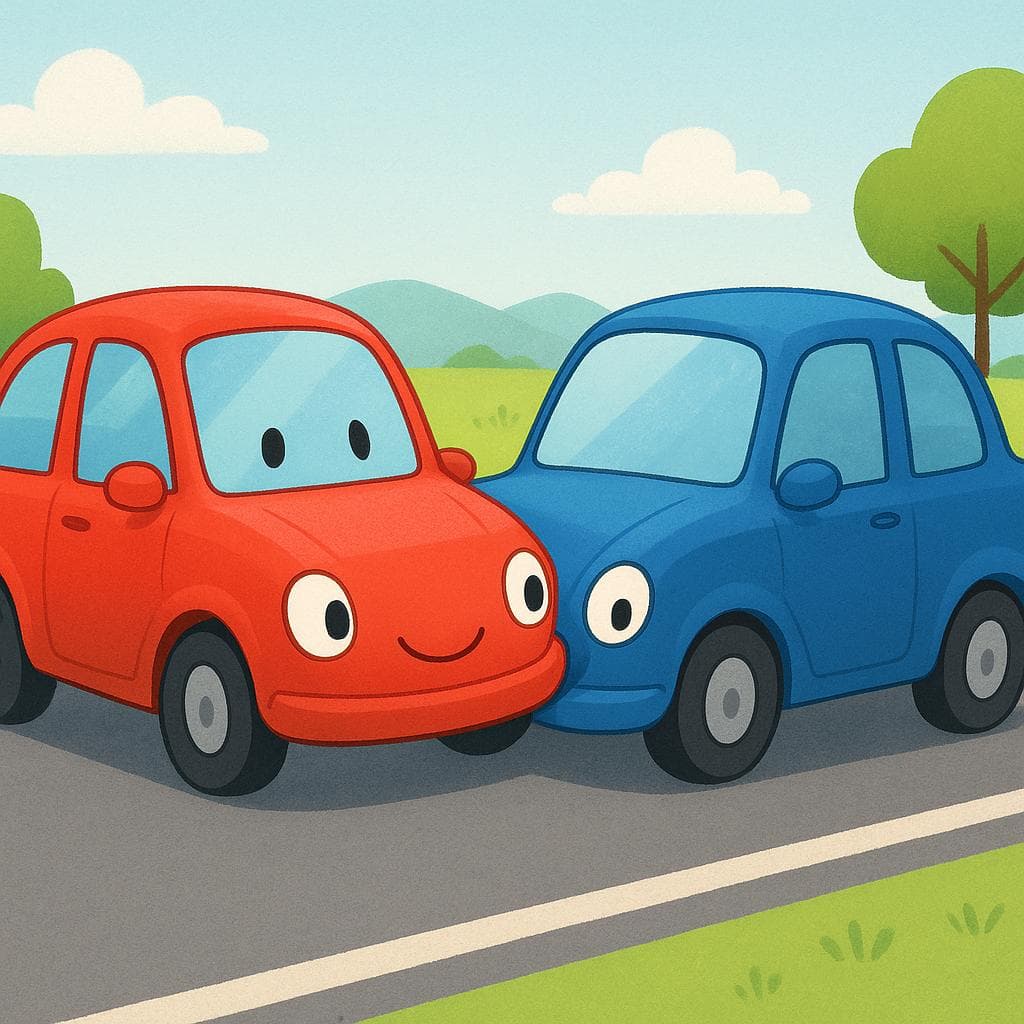
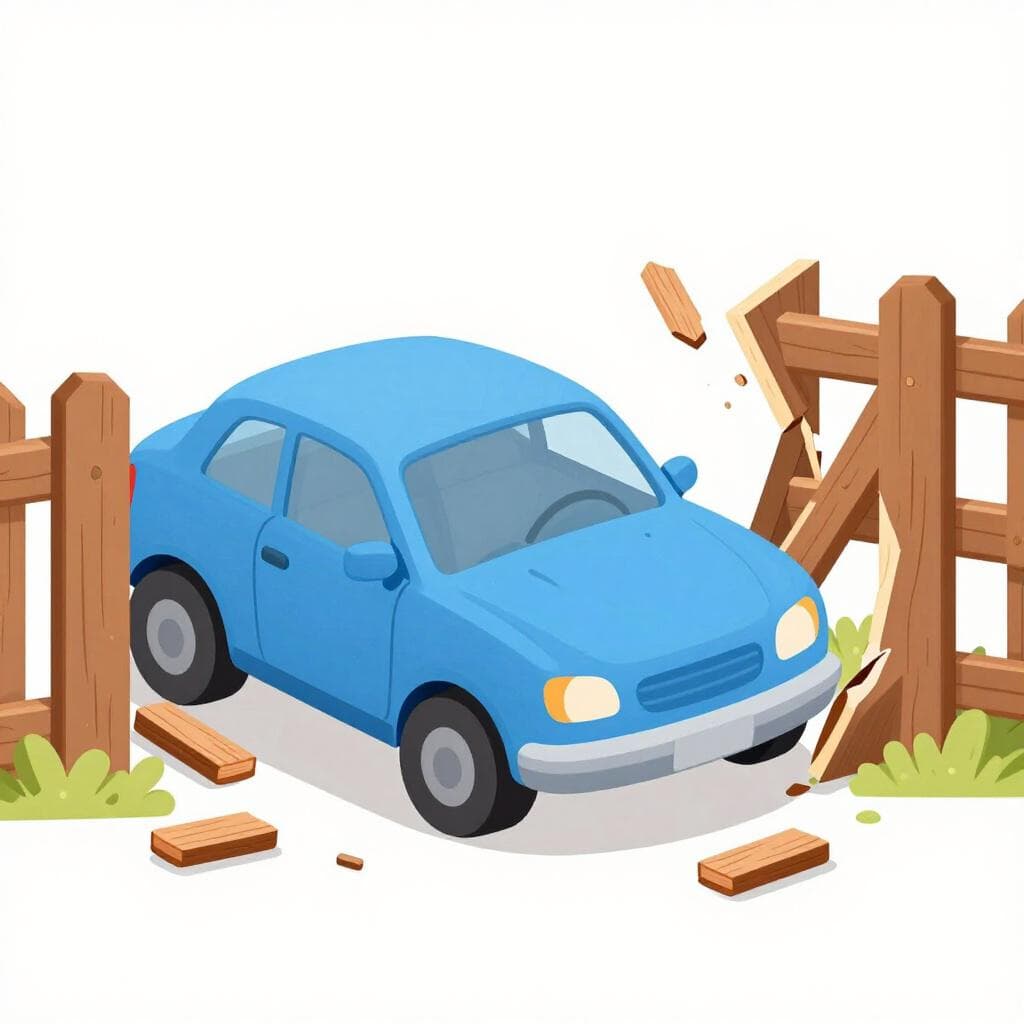
The most common Spanish word for “accident” is “accidente” — use 'accidente' for physical mishaps, collisions, or unfortunate events that cause harm or damage.


accidente
ak-see-DEN-tayak.siˈðen.te
Examples
Tuve un pequeño accidente en la cocina y me quemé la mano.
I had a little accident in the kitchen and burned my hand.
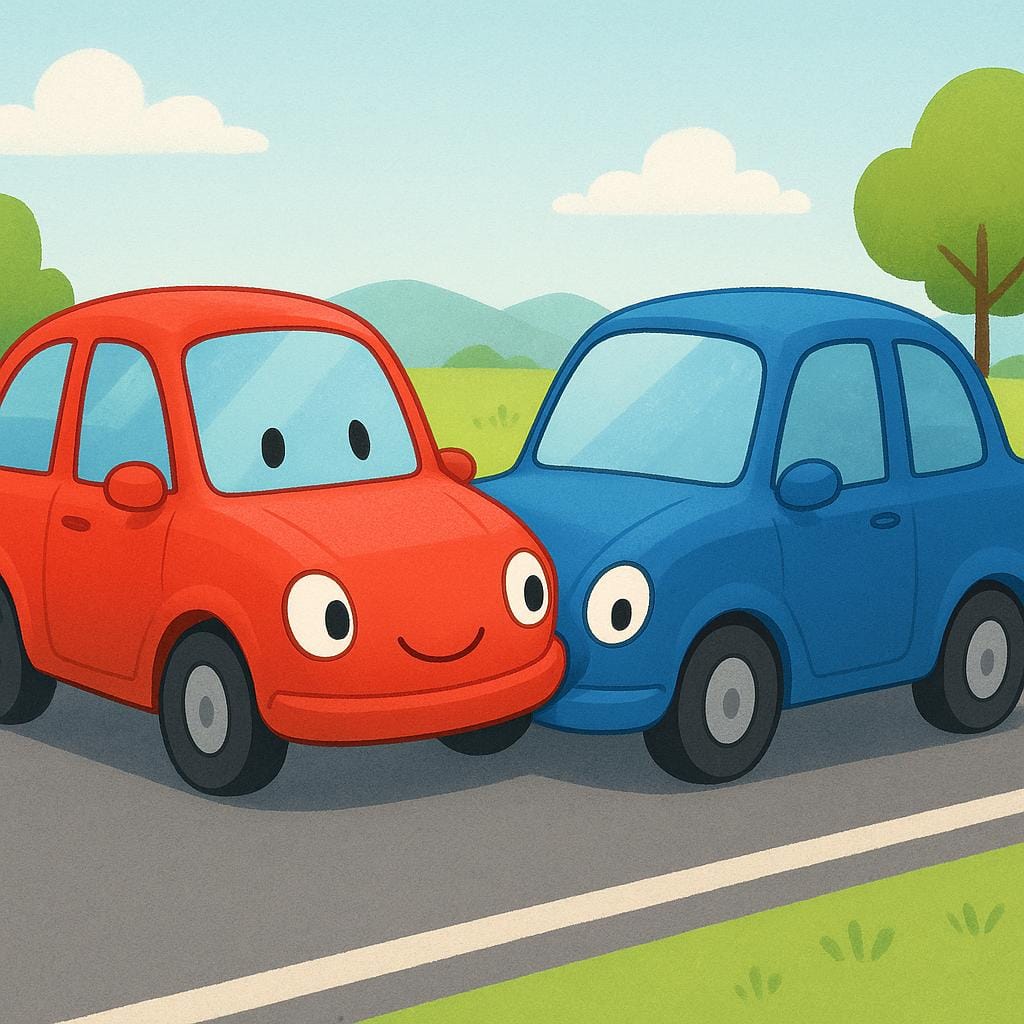
El tráfico está terrible por un accidente en la autopista.
The traffic is terrible because of an accident on the highway.
Fue un accidente, no lo hizo a propósito.
It was an accident, he didn't do it on purpose.
It's a Masculine Word
Even though 'accidente' ends in '-e', it's a masculine word. Always say 'el accidente' or 'un accidente'.
'Tener' vs. 'Sufrir'
Mistake: “You can say 'tener un accidente' (to have an accident), which is very common. But for more serious events, you might hear 'sufrir un accidente'.”
Correction: 'Sufrir un accidente' adds a sense of seriousness, like saying 'to suffer an accident'. Example: 'Sufrió un grave accidente.' (He suffered a serious accident.)
casualidad
kah-soo-ah-lee-DADHkaswaliˈðað

Examples
¡Qué casualidad! Estaba pensando en ti.
What a coincidence! I was just thinking about you.
Encontré las llaves perdidas por pura casualidad.
I found the lost keys purely by chance.
Si ves a mi hermano, ¿podrías decirle que me llame? Solo si es casualidad.
If you see my brother, could you tell him to call me? Only if it’s by chance.
The 'By Chance' Expression
To say that something happened 'by chance' or 'accidentally,' always use the fixed expression 'por casualidad.' This is a key phrase to memorize.
Casualidad vs. Accidente
Mistake: “Using 'casualidad' to mean a car crash or a physical injury.”
Correction: Use 'accidente' for crashes or physical mishaps. 'Casualidad' refers only to an unpredicted event or coincidence: 'Tuvimos un accidente de coche' (We had a car accident).
acaso
ah-CAH-sohaˈkaso

Examples
Todo fue obra del acaso, no de la planeación.
Everything was the work of chance, not planning.
Si lo consigues, será por acaso.
If you get it, it will be by chance.
Fixed Phrase
The most common way to use 'acaso' as a noun is in the prepositional phrase 'por acaso', meaning 'by chance' or 'accidentally'. (Note: This is often replaced by 'por casualidad').
siniestro
see-nee-ESS-trohsiˈnjestɾo
Examples
El seguro no cubrirá el siniestro si el conductor estaba bebido.
The insurance won't cover the accident if the driver was drunk.
Tras el incendio, el edificio fue declarado siniestro total.
After the fire, the building was declared a total loss.
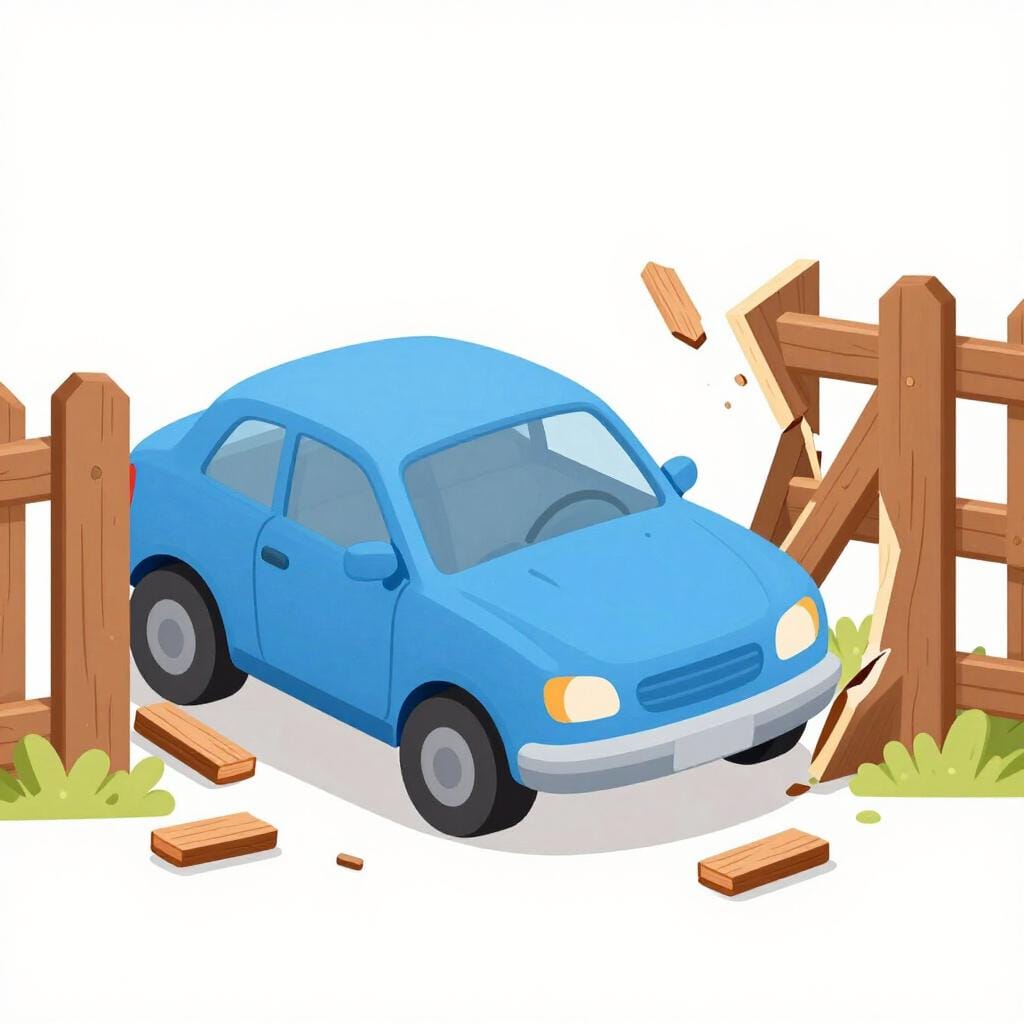
Hubo varios siniestros en la carretera debido a la lluvia.
There were several accidents on the road due to the rain.
Always Masculine
When used as a noun meaning 'accident,' it is always masculine: 'el siniestro'.
Formal vs. Informal
Mistake: “Saying 'tuve un siniestro' to a friend.”
Correction: While correct, it sounds very 'insurance-speak.' Say 'tuve un accidente' in casual conversation.
Accidente vs. Casualidad
Learn Spanish with Inklingo
Interactive stories, personalized learning, and more.