How to Say "fluke" in Spanish
The most common Spanish word for “fluke” is “casualidad” — use this word when 'fluke' refers to a surprising coincidence or a stroke of good luck, often implying a happy accident.

casualidad
kah-soo-ah-lee-DADHkaswaliˈðað
Examples
¡Qué casualidad! Estaba pensando en ti.
What a coincidence! I was just thinking about you.
Encontré las llaves perdidas por pura casualidad.
I found the lost keys purely by chance.
Si ves a mi hermano, ¿podrías decirle que me llame? Solo si es casualidad.
If you see my brother, could you tell him to call me? Only if it’s by chance.
The 'By Chance' Expression
To say that something happened 'by chance' or 'accidentally,' always use the fixed expression 'por casualidad.' This is a key phrase to memorize.
Casualidad vs. Accidente
Mistake: “Using 'casualidad' to mean a car crash or a physical injury.”
Correction: Use 'accidente' for crashes or physical mishaps. 'Casualidad' refers only to an unpredicted event or coincidence: 'Tuvimos un accidente de coche' (We had a car accident).
accidente
ak-see-DEN-tayak.siˈðen.te

Examples
Nuestro encuentro no fue planeado, fue un simple accidente del destino.
Our meeting wasn't planned, it was a simple accident of fate.
En la filosofía, se distingue entre la esencia y el accidente.
In philosophy, a distinction is made between essence and accident (a non-essential property).
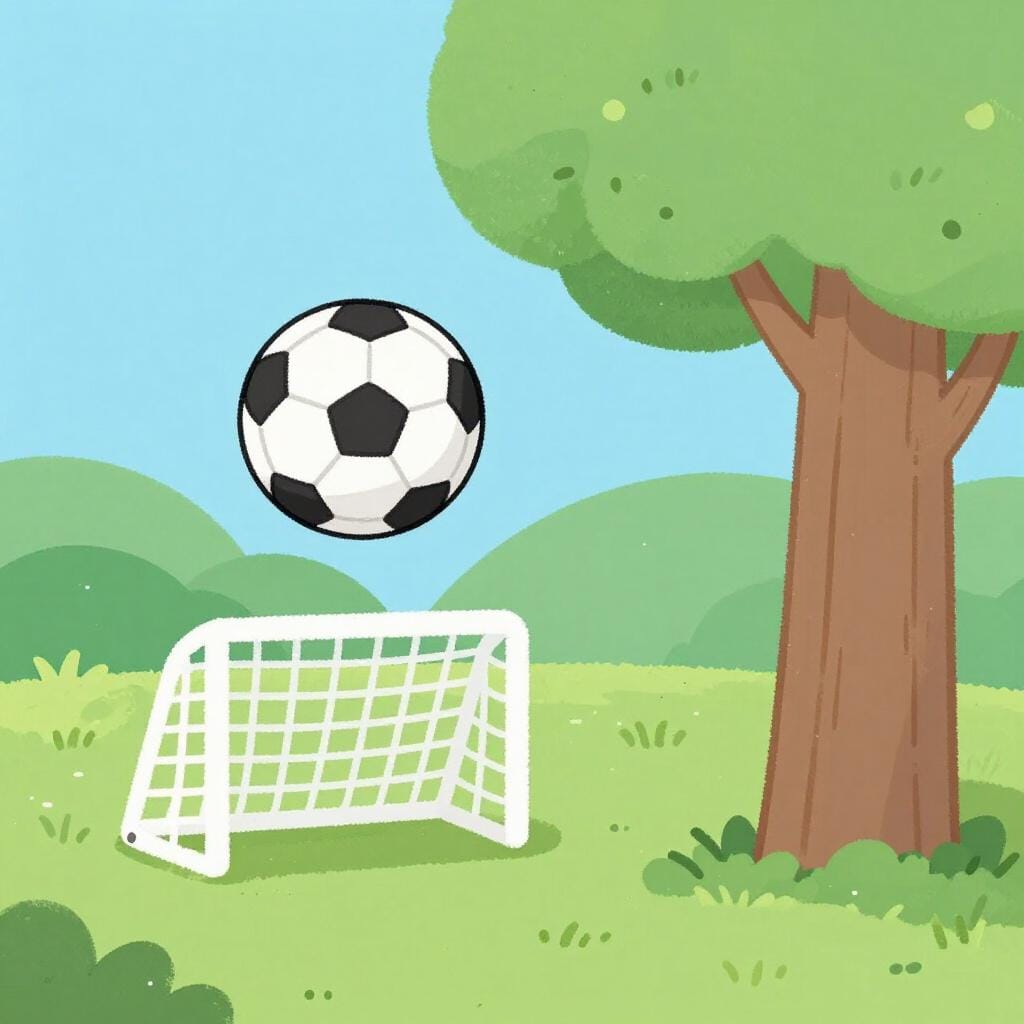
rebote
re-BOH-tehreˈβote
Examples
Conseguí este trabajo de rebote.
I got this job by chance/indirectly.
Me enteré de la noticia de rebote.
I found out about the news through the grapevine/indirectly.
Debes tener cuidado con el efecto rebote de esa dieta.
You should be careful with the rebound effect of that diet.
The preposition 'de'
To say 'indirectly' or 'by chance,' you almost always use the phrase 'de rebote'.
Literal translation
Mistake: “Saying 'por rebote'.”
Correction: Say 'de rebote' when you mean something happened as a side-effect or by chance.
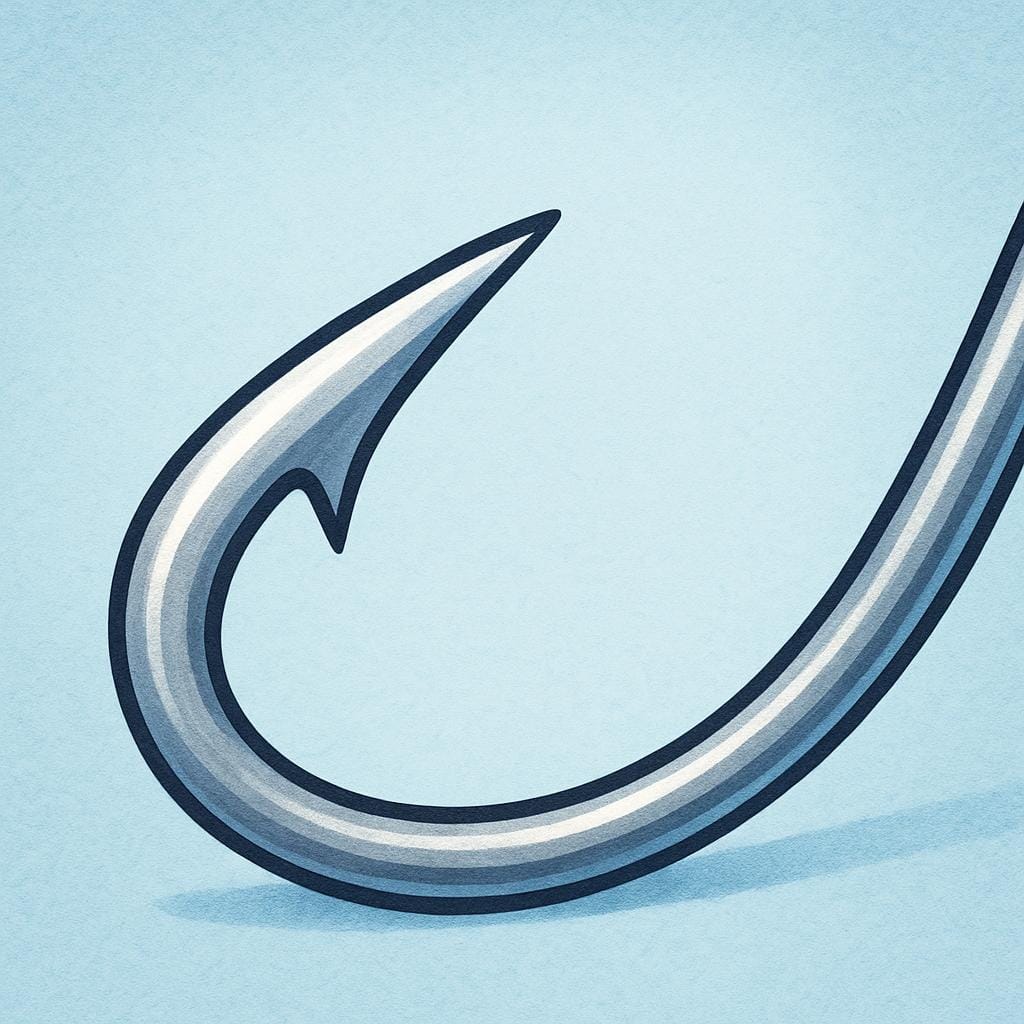
barba
BAR-bahˈbaɾβa
Examples
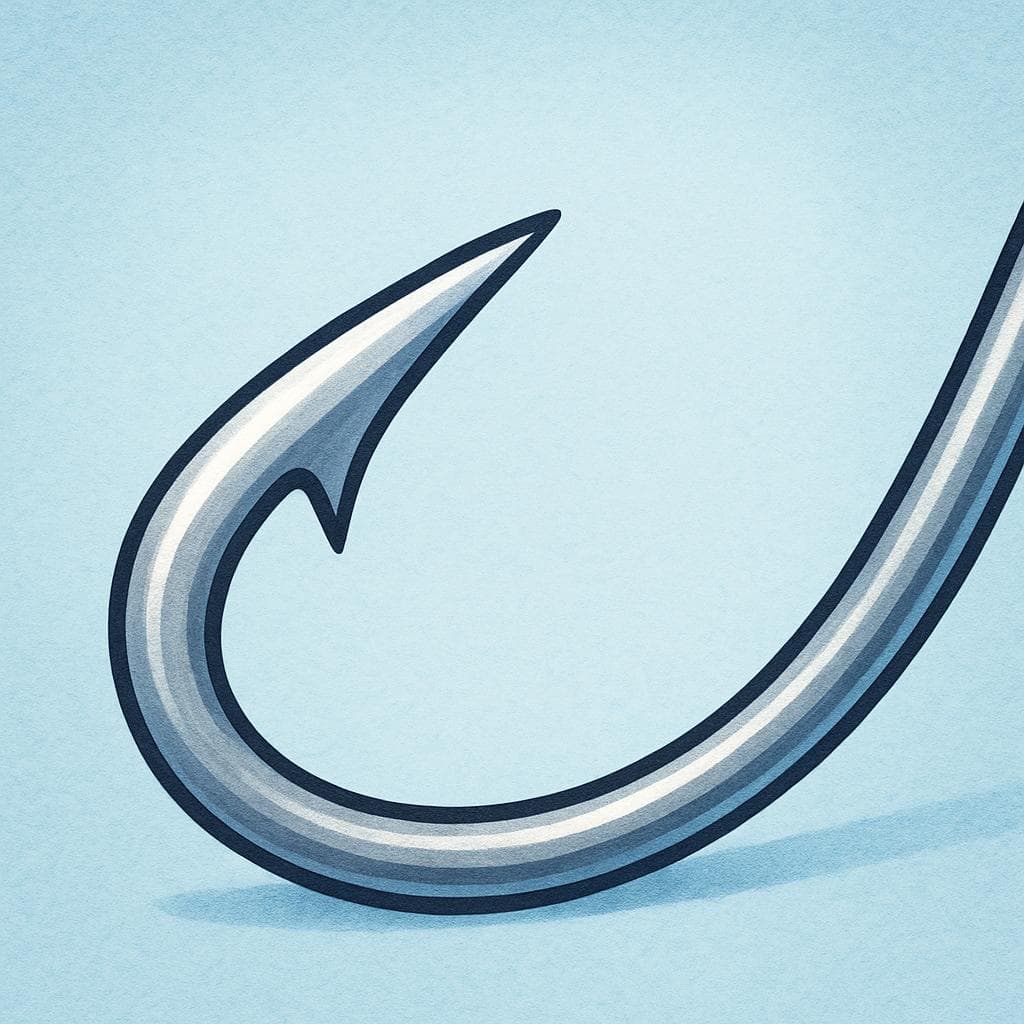
La barba del anzuelo evita que el pez se escape fácilmente.
The barb of the hook prevents the fish from easily escaping.
Asegúrate de que la barba de la flecha esté afilada antes de cazar.
Make sure the barb of the arrow is sharp before hunting.
Specialized Context
This definition is usually only heard when talking about fishing gear, arrows, or specialized tools. If you are talking about people, 'barba' almost always means 'beard'.
Luck vs. Physical Object
Related Translations
Learn Spanish with Inklingo
Interactive stories, personalized learning, and more.