rebote
“rebote” means “bounce” in Spanish. It has 3 different meanings depending on context:

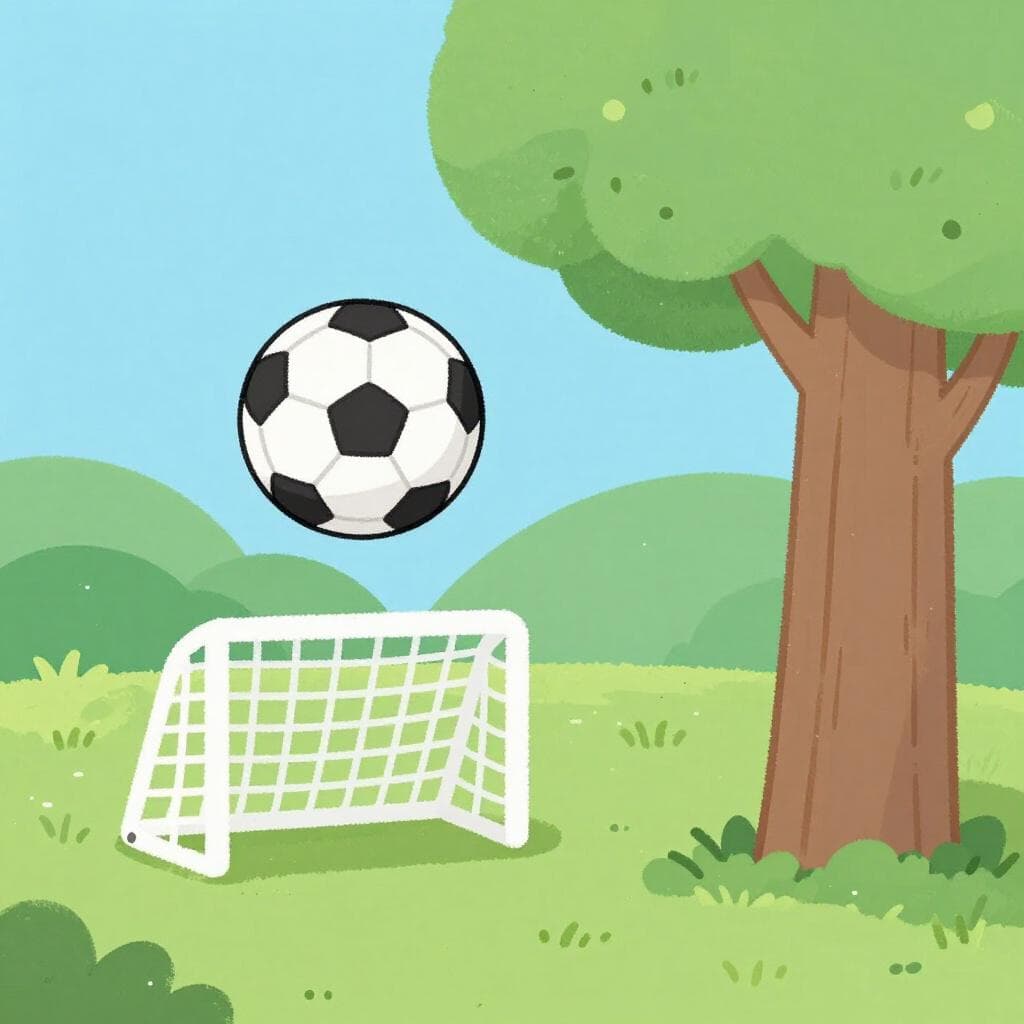
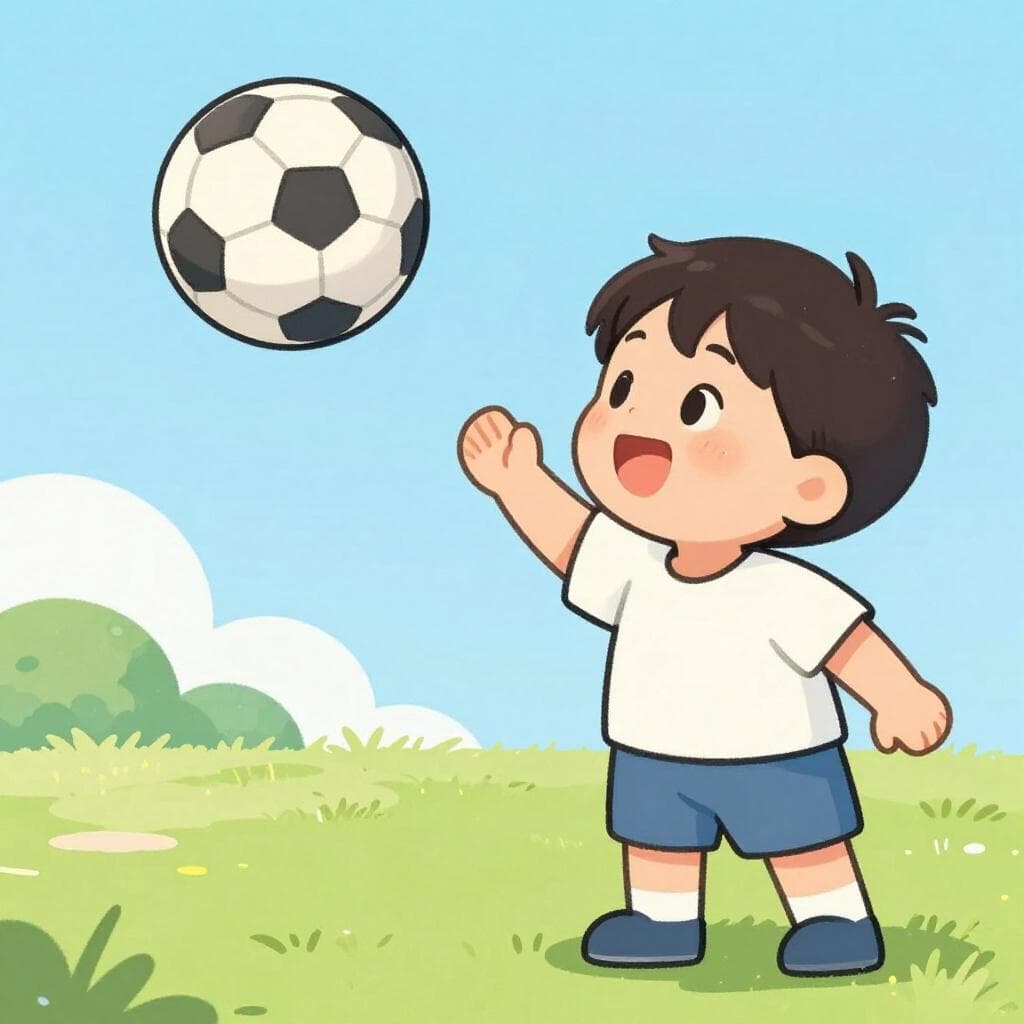
bounce, rebound
Also: echo
📝 In Action
La pelota dio un rebote alto.
A1The ball had a high bounce.
El jugador atrapó el rebote bajo el aro.
A2The player caught the rebound under the hoop.
El rebote del sonido en la cueva era impresionante.
B1The echo of the sound in the cave was impressive.
by chance, fluke
Also: rebound effect
📝 In Action
Conseguí este trabajo de rebote.
B1I got this job by chance/indirectly.
Me enteré de la noticia de rebote.
B1I found out about the news through the grapevine/indirectly.
Debes tener cuidado con el efecto rebote de esa dieta.
B2You should be careful with the rebound effect of that diet.
that I/he/she bounce
📝 In Action
Espero que la pelota no rebote hacia la ventana.
B2I hope the ball doesn't bounce toward the window.
Dudo que ese correo rebote.
B2I doubt that email will bounce (be returned).
Subjunctive
Imperfect Subjunctive
Present Subjunctive
Indicative
Preterite
Imperfect
Present
Translate to Spanish
✏️ Quick Practice
Quick Quiz: rebote
Question 1 of 3
Which phrase describes getting a job through a friend of a friend by accident?
📚 More Resources
👥 Word Family▼
📚 Etymology▼
From the prefix 're-' (again/back) and the verb 'botar' (to jump or launch). 'Botar' comes from a Germanic word meaning 'to hit'.
First recorded: 15th century
Cognates (Related words)
💡 Master Spanish
Take your Spanish to the next level. Read 200+ illustrated and narrated Spanish stories tailored to your level with the Inklingo app!
Frequently Asked Questions
Does 'rebote' only refer to balls?
No, it can refer to sound, light, or even people entering a room or getting a job indirectly.
What's the difference between 'bote' and 'rebote'?
'Bote' is a simple bounce; 'rebote' usually implies it hit a surface and changed direction or came back to you.
Can I use 'rebote' to say I'm angry?
In some regions like Spain, the related adjective 'rebotado' means someone is grumpy or annoyed, but 'rebote' usually refers to the action.