How to Say "bounce" in Spanish
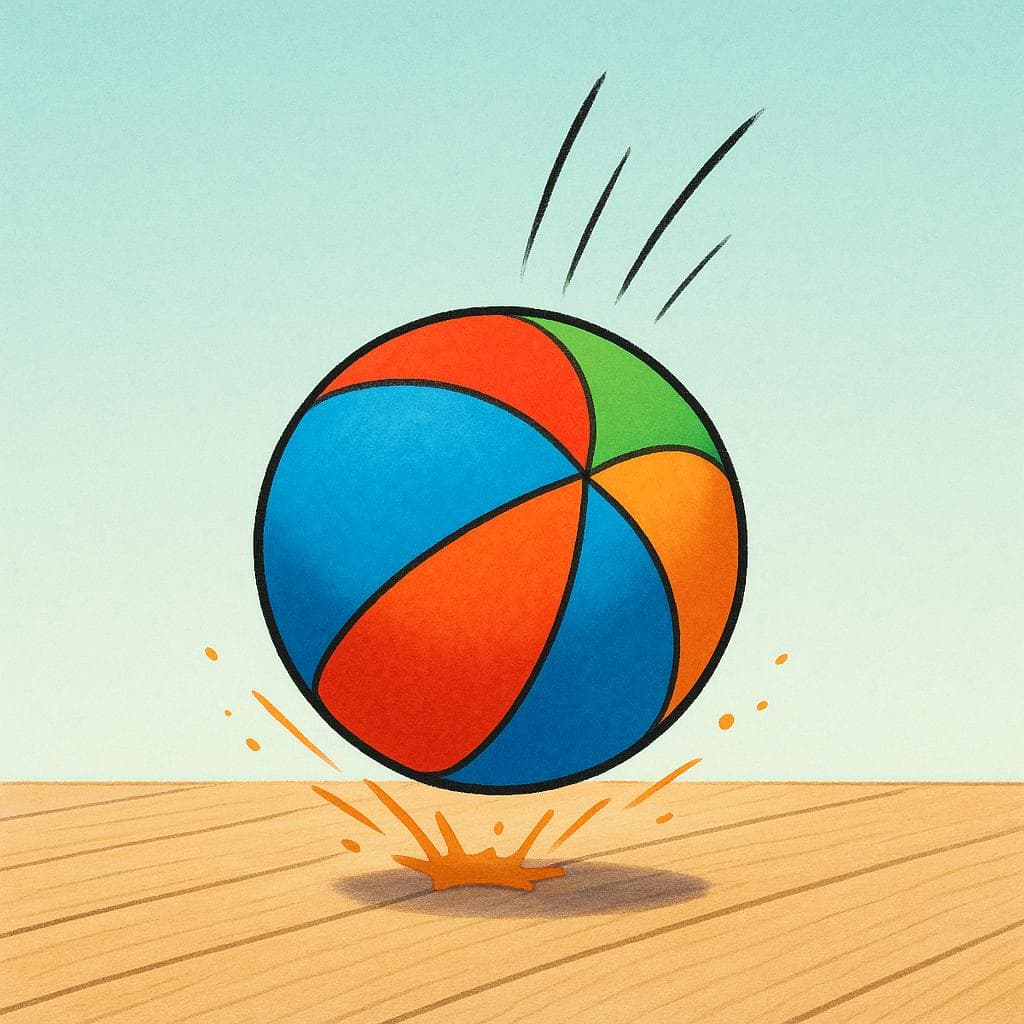
The most common Spanish word for “bounce” is “rebote” — use 'rebote' when describing the physical action of an object hitting a surface and bouncing back, particularly in sports or when an object unexpectedly rebounds.

rebote
re-BOH-tehreˈβote
Examples
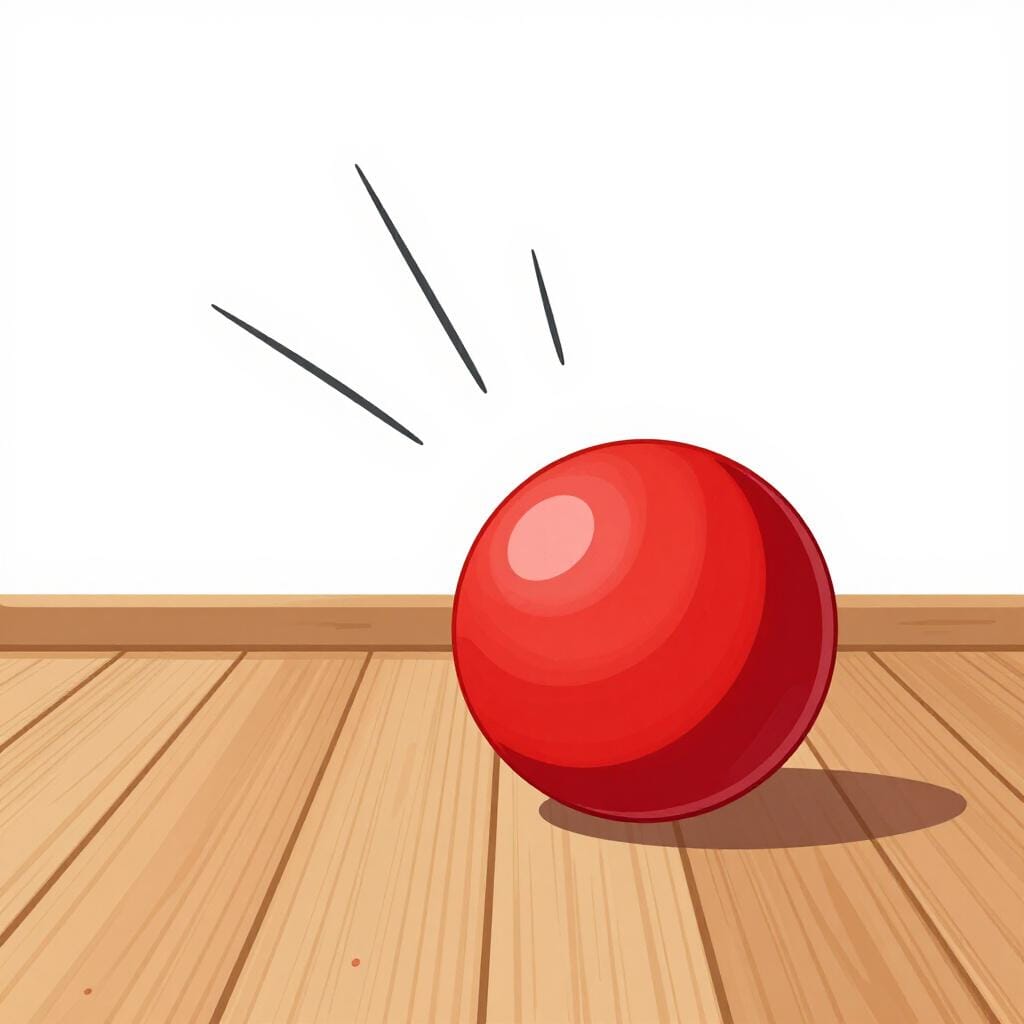
La pelota dio un rebote alto.
The ball had a high bounce.
El jugador atrapó el rebote bajo el aro.
The player caught the rebound under the hoop.
El rebote del sonido en la cueva era impresionante.
The echo of the sound in the cave was impressive.
Always Masculine
Even though 'pelota' (ball) is feminine, the bounce itself is 'el rebote'. Never say 'la rebote'.
Rebound in relationships
Mistake: “Using 'rebote' to mean a rebound relationship exactly like English.”
Correction: While 'relación de rebote' is understood, Spanish speakers often say 'un clavo saca otro clavo' (one nail pulls out another).
bote
BOH-tayˈbo.te
Examples
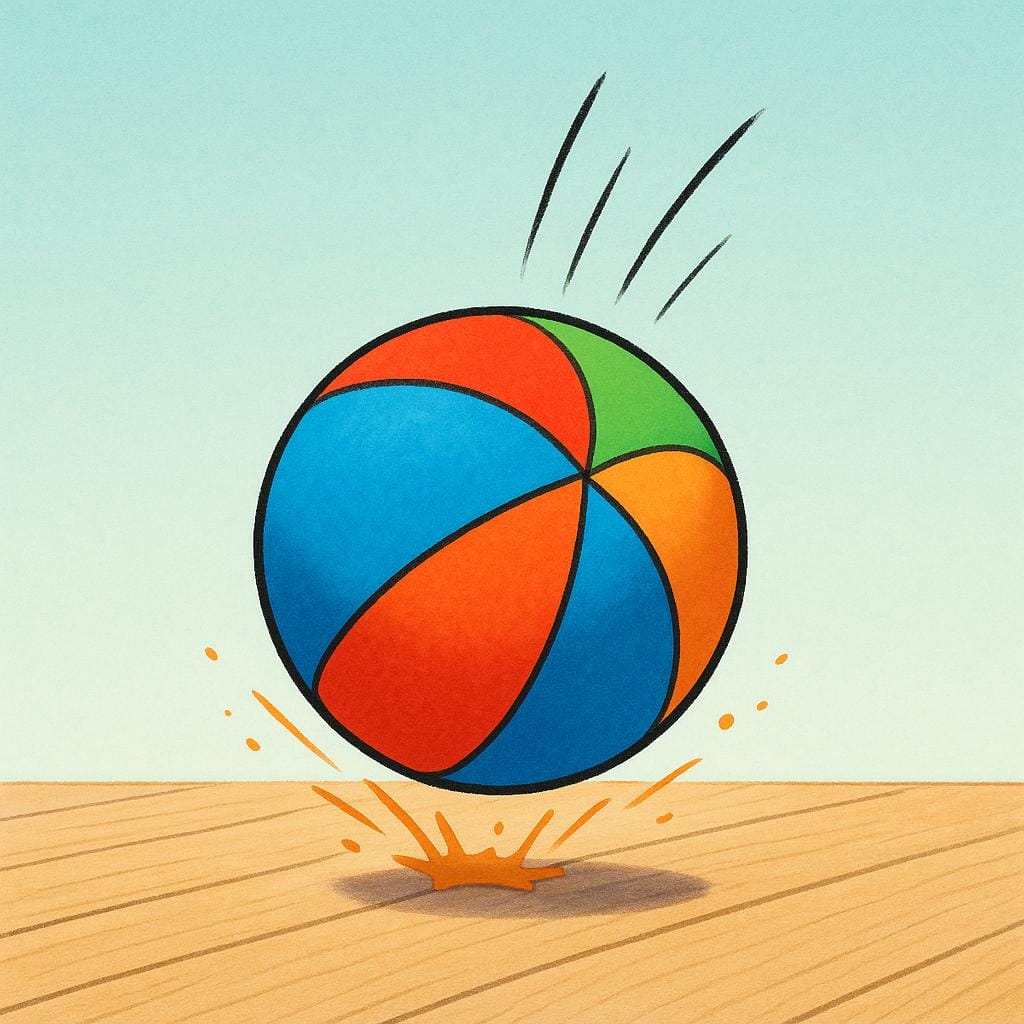
El balón dio un bote muy alto y salió de la cancha.
The ball took a very high bounce and went off the court.
No puedes dejar que el bote de la pelota muera.
You can't let the bounce of the ball die.
Related Verb
This meaning comes directly from the verb 'botar', which means 'to bounce' or 'to throw away'.
Rebote vs. Bote
Related Translations
Learn Spanish with Inklingo
Interactive stories, personalized learning, and more.