How to Say "container" in Spanish
The most common Spanish word for “container” is “recipiente” — use 'recipiente' for any general-purpose hollow object designed to hold something, like food, liquids, or other items.


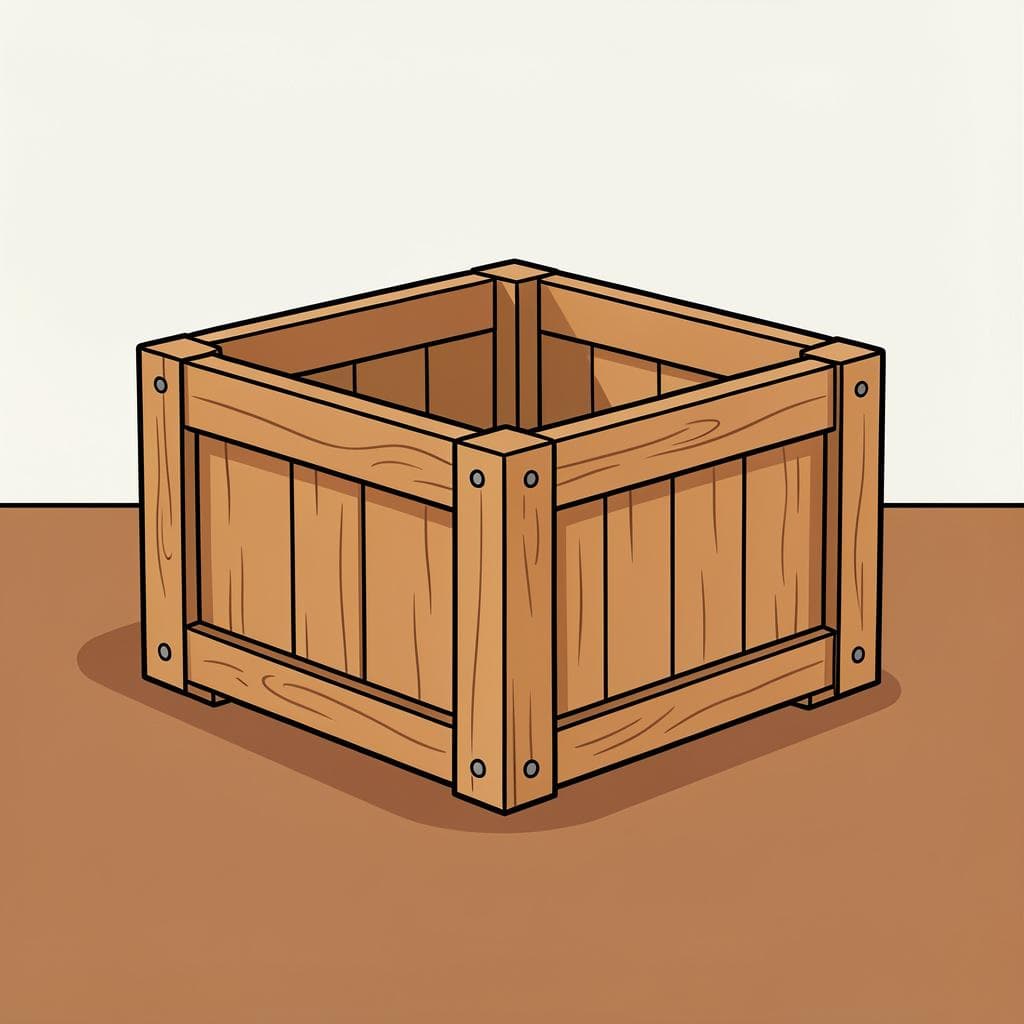
recipiente
re-see-pyen-teresiˈpjente

Examples
Guarda las sobras en un recipiente de plástico.
Store the leftovers in a plastic container.
Necesitamos un recipiente resistente al calor para esta mezcla.
We need a heat-resistant vessel for this mixture.
El artista usó un antiguo recipiente de barro para su obra.
The artist used an old clay vessel for his work.
Gender and Endings
Even though this word ends in '-e', it is masculine. Always use 'el' or 'un' with it: 'el recipiente'.
Describing Material
To say what the container is made of, use 'de' followed by the material: 'un recipiente de madera' (a wooden container).
Recipiente vs. Recibo
Mistake: “Usar 'recipiente' para hablar de un tiquet de compra.”
Correction: Use 'recibo' for a receipt and 'recipiente' for a container. They sound similar to English speakers but are totally different!
bote
BOH-tayˈbo.te

Examples
Necesito un bote de miel para hacer el postre.
I need a jar of honey to make the dessert.
Tira ese bote de plástico a la basura.
Throw that plastic container in the trash.
Masculine Noun
Remember that 'bote' is always masculine, so use 'el bote' or 'un bote'.
galón
Examples
Compré un galón de leche en el supermercado.
I bought a gallon of milk at the supermarket.
continente
kon-tee-NEN-tehkontiˈnente
Examples
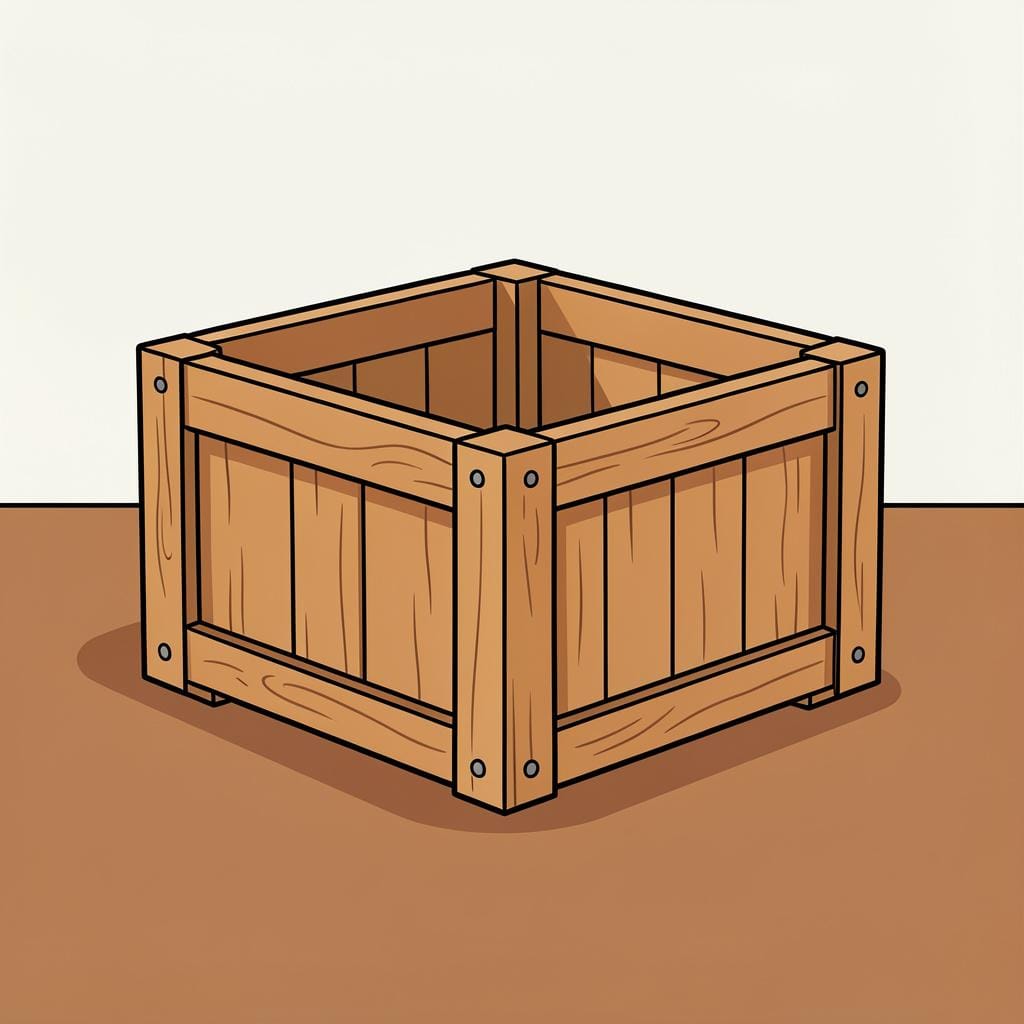
El seguro de hogar cubre el continente y el contenido.
The home insurance covers the structure (building) and the contents.
El continente de la botella es de vidrio reciclado.
The container of the bottle is made of recycled glass.
Technical Usage
In insurance, 'continente' is the 'box' (the house itself) and 'contenido' is what's inside the box.
General vs. Specific Containers
Learn Spanish with Inklingo
Interactive stories, personalized learning, and more.