How to Say "exterior" in Spanish
The most common Spanish word for “exterior” is “exteriores” — use 'exteriores' when describing something that is on the outside or external, like the walls or surfaces of a building.

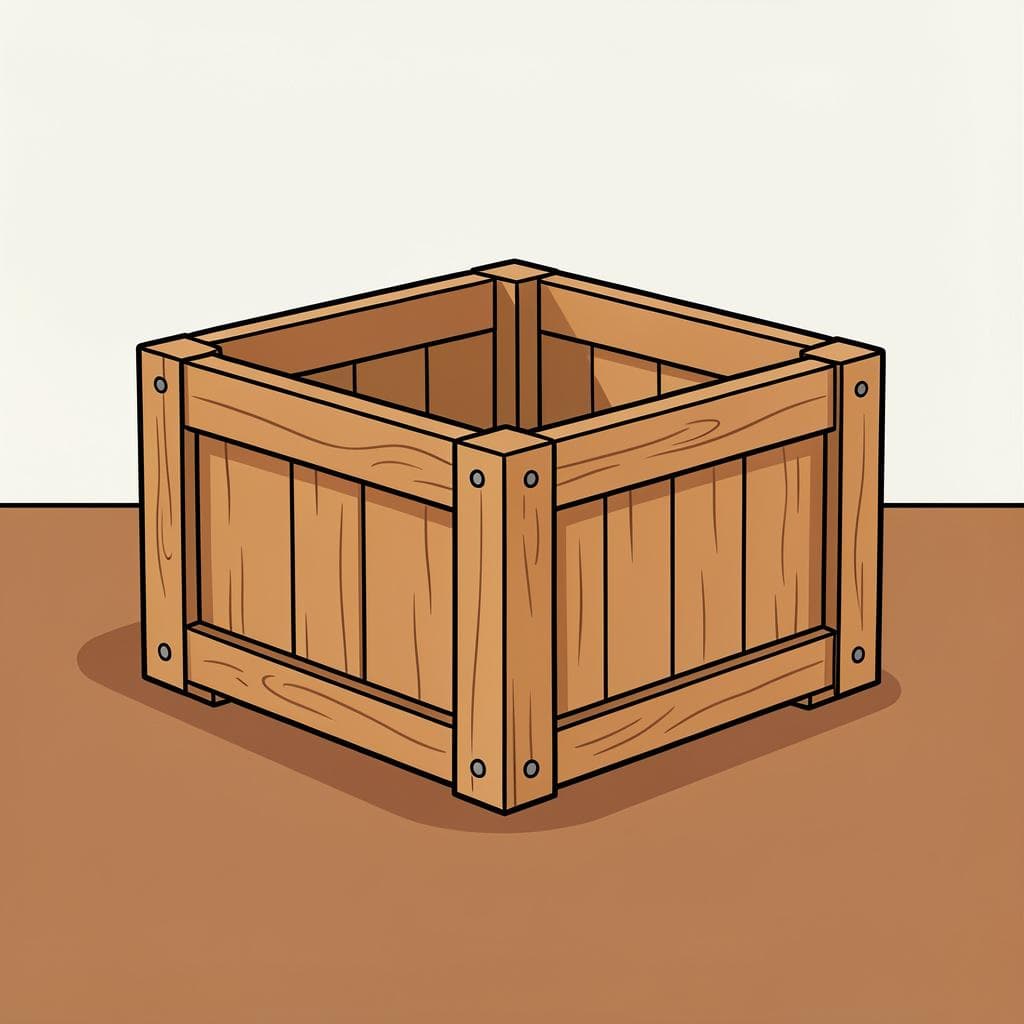
exteriores
eks-teh-ryoh-rehseksteˈɾjoɾes

Examples
Las paredes exteriores de la casa son de piedra.
The outer walls of the house are made of stone.
Prefiero las actividades exteriores cuando hace buen tiempo.
I prefer outdoor activities when the weather is good.
One size fits all
Even though many Spanish words change their endings for boys (masculine) and girls (feminine), this word stays the same for both! You only need to worry about making it plural.
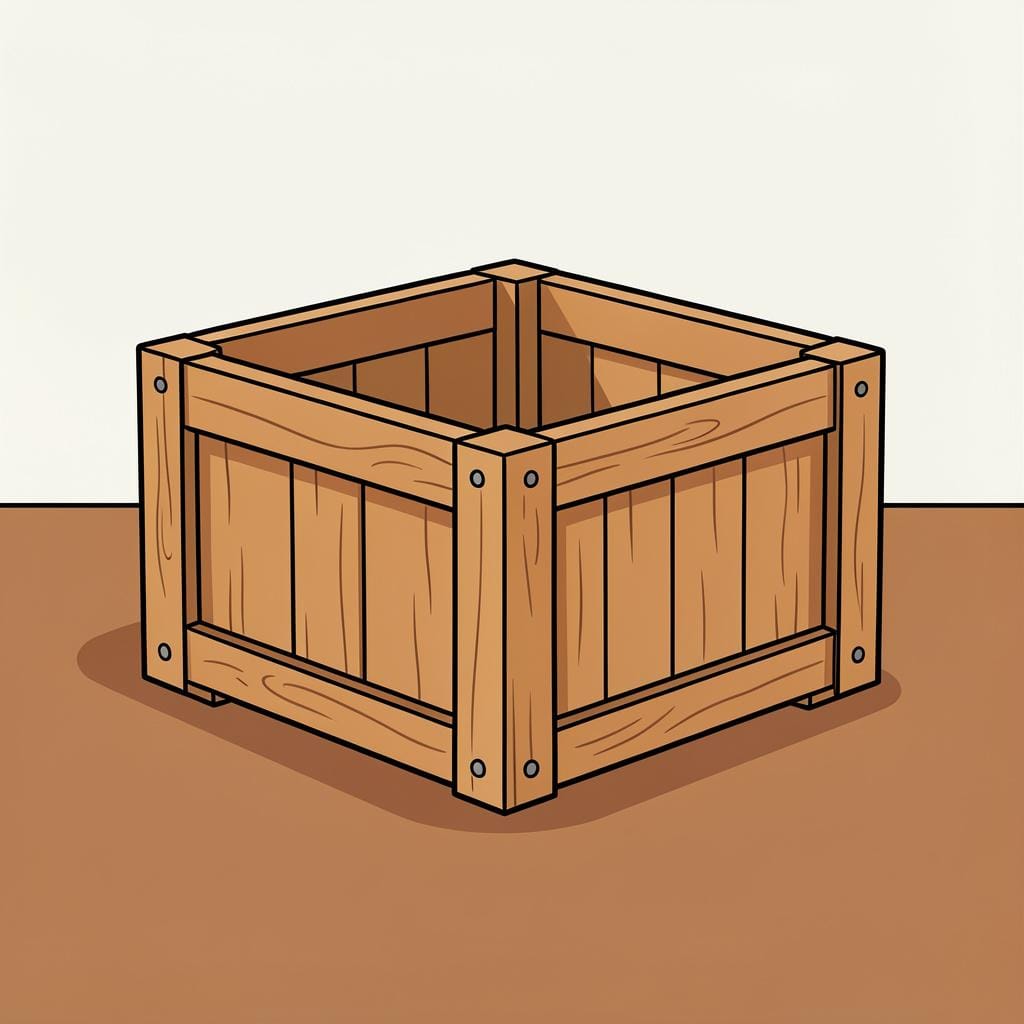
continente
kon-tee-NEN-tehkontiˈnente
Examples
El seguro de hogar cubre el continente y el contenido.
The home insurance covers the structure (building) and the contents.
El continente de la botella es de vidrio reciclado.
The container of the bottle is made of recycled glass.
Technical Usage
In insurance, 'continente' is the 'box' (the house itself) and 'contenido' is what's inside the box.
Adjective vs. Noun Confusion
Related Translations
Learn Spanish with Inklingo
Interactive stories, personalized learning, and more.