siniestro
“siniestro” means “sinister” in Spanish. It has 2 different meanings depending on context:

sinister
Also: creepy, spooky
📝 In Action
La casa abandonada tiene un aspecto muy siniestro.
A2The abandoned house looks very sinister.
Ese hombre tiene una mirada siniestra.
B1That man has a creepy look in his eyes.
Había un silencio siniestro en el bosque.
B2There was a spooky silence in the forest.
accident
Also: loss, casualty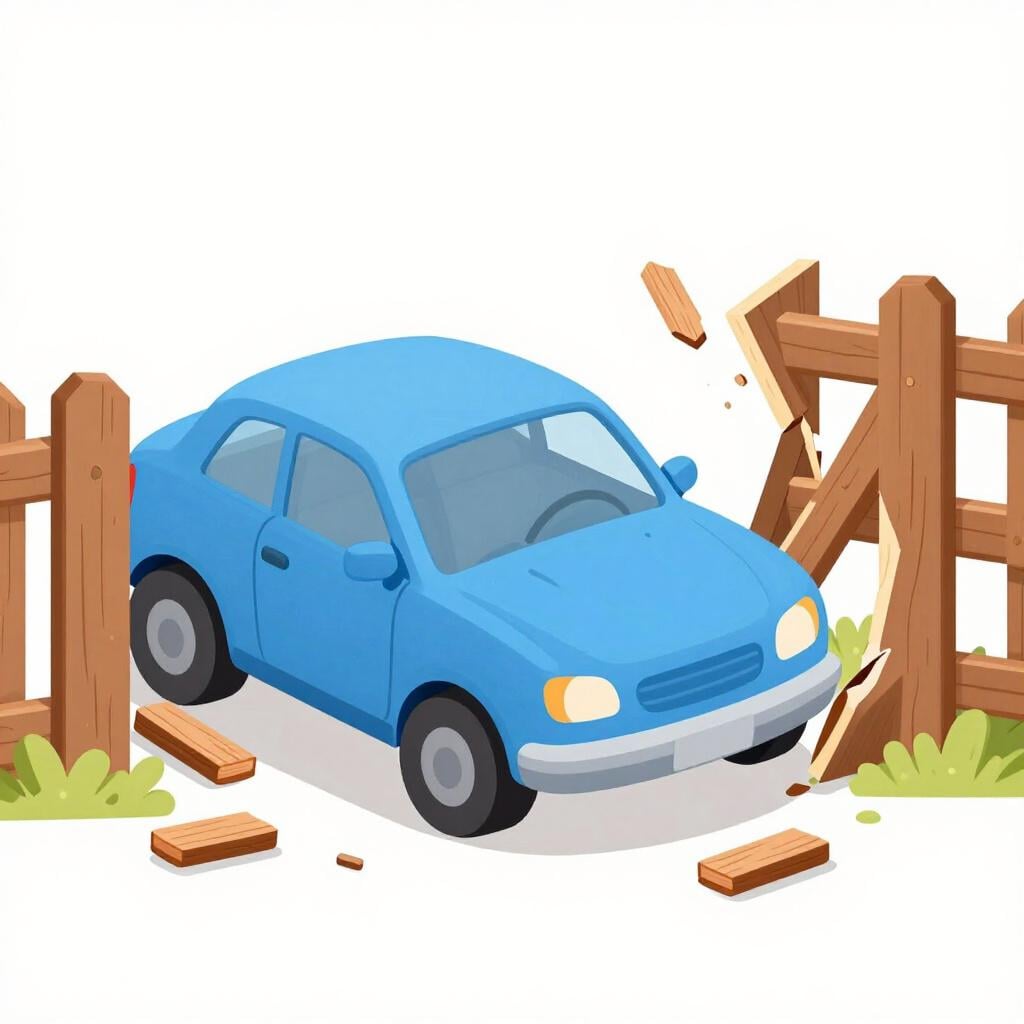
📝 In Action
El seguro no cubrirá el siniestro si el conductor estaba bebido.
B2The insurance won't cover the accident if the driver was drunk.
Tras el incendio, el edificio fue declarado siniestro total.
C1After the fire, the building was declared a total loss.
Hubo varios siniestros en la carretera debido a la lluvia.
B1There were several accidents on the road due to the rain.
Translate to Spanish
✏️ Quick Practice
Quick Quiz: siniestro
Question 1 of 3
Which of these is the most common meaning of 'siniestro' in an insurance document?
📚 More Resources
👥 Word Family▼
📚 Etymology▼
From Latin 'sinister,' which simply meant 'left' or 'on the left side.' Because the left side was considered unlucky or a bad omen in ancient traditions, the word evolved to mean 'evil' or 'scary.'
First recorded: 13th century
Cognates (Related words)
💡 Master Spanish
Take your Spanish to the next level. Read 200+ illustrated and narrated Spanish stories tailored to your level with the Inklingo app!
Frequently Asked Questions
Does 'siniestro' still mean 'left'?
Not usually. While it comes from the Latin word for 'left,' today it almost always means 'creepy' or 'accident.' Use 'izquierdo' for the direction.
Is it the same as the English word 'sinister'?
Mostly! When describing a vibe or a plan, it's identical. However, Spanish adds the extra meaning of 'insurance accident,' which English doesn't have.
Is it a very common word?
As an adjective (creepy), it's moderately common. As a noun (accident), you'll see it every time you look at an insurance policy or read the news.