tenebroso
“tenebroso” means “gloomy” in Spanish. It has 2 different meanings depending on context:
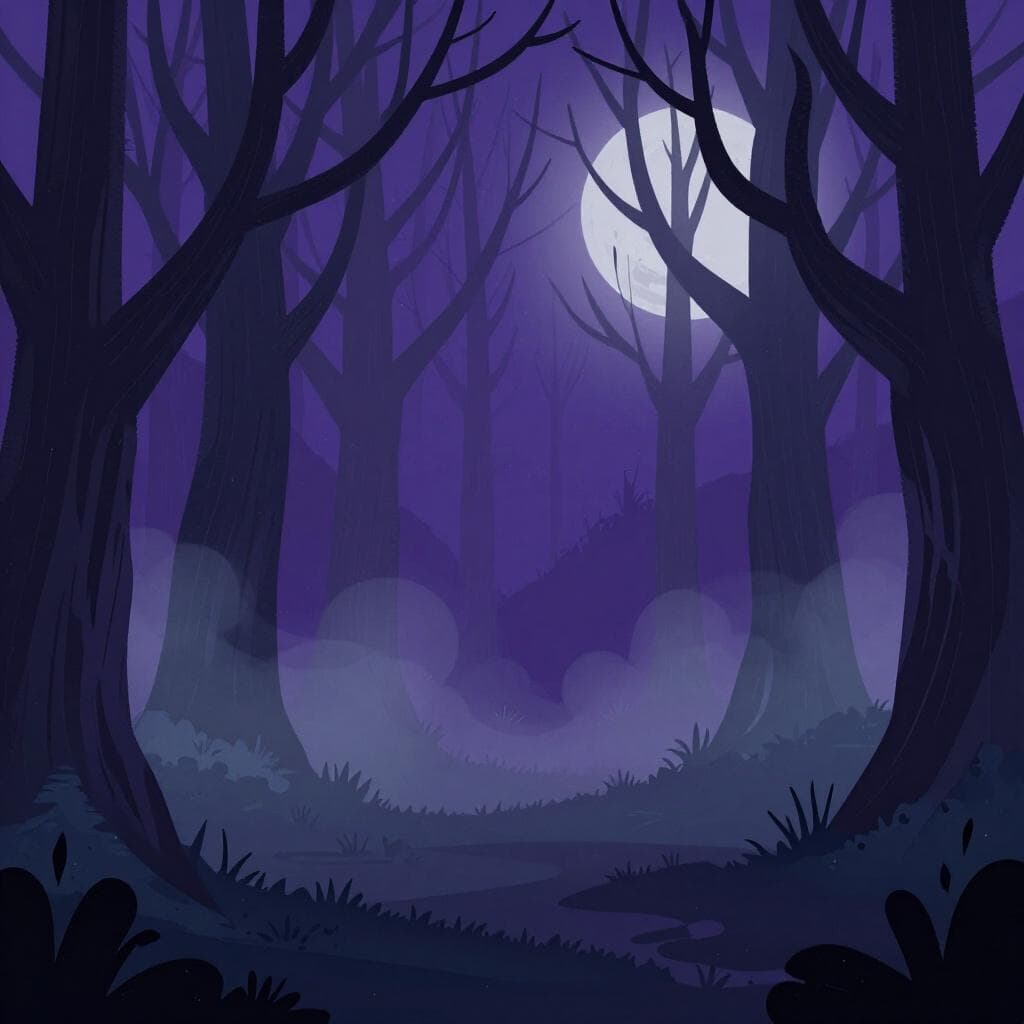

gloomy
Also: shadowy, spooky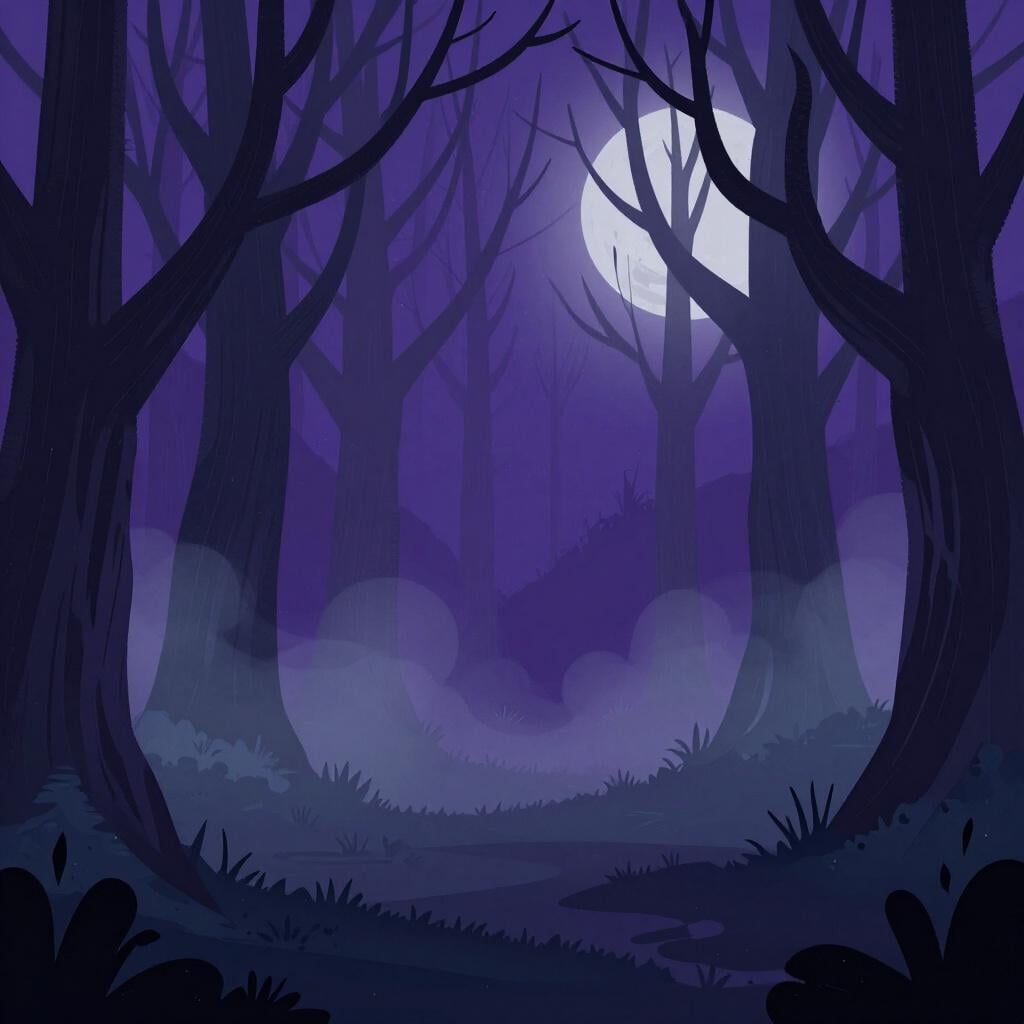
📝 In Action
El sótano de la casa vieja es muy tenebroso.
A2The basement of the old house is very gloomy.
Caminaban por un sendero tenebroso en mitad de la noche.
B1They were walking along a spooky path in the middle of the night.
La película empieza en un castillo tenebroso y solitario.
B2The movie begins in a gloomy and lonely castle.
sinister
Also: shady, murky
📝 In Action
El detective descubrió un secreto tenebroso en la familia.
B1The detective discovered a sinister secret in the family.
No confío en ese hombre; tiene una mirada tenebrosa.
B2I don't trust that man; he has a sinister look.
Hay aspectos tenebrosos en la historia de esa empresa.
C1There are murky aspects in that company's history.
Translate to Spanish
✏️ Quick Practice
Quick Quiz: tenebroso
Question 1 of 3
Which of these describes a 'tenebroso' place?
📚 More Resources
👥 Word Family▼
🎵 Rhymes▼
📚 Etymology▼
From the Latin word 'tenebrosus', which means 'full of darkness'. It comes from 'tenebrae', the Latin word for shadows or dark clouds.
First recorded: 13th century
Cognates (Related words)
💡 Master Spanish
Take your Spanish to the next level. Read 200+ illustrated and narrated Spanish stories tailored to your level with the Inklingo app!
Frequently Asked Questions
Is 'tenebroso' more common than 'oscuro'?
No. 'Oscuro' is much more common for everyday darkness. 'Tenebroso' is a stronger, more dramatic word used for scary or sinister situations.
Can I use 'tenebroso' to describe a person's clothes?
Not usually. If someone wears black, you'd say 'viste de negro'. If you call their clothes 'tenebrosas', it sounds like they are wearing something creepy or gothic.
Is 'tenebroso' a 'bad' word?
It has a negative connotation because it involves fear or secrets, but it's not a swear word or offensive.