How to Say "shadowy" in Spanish
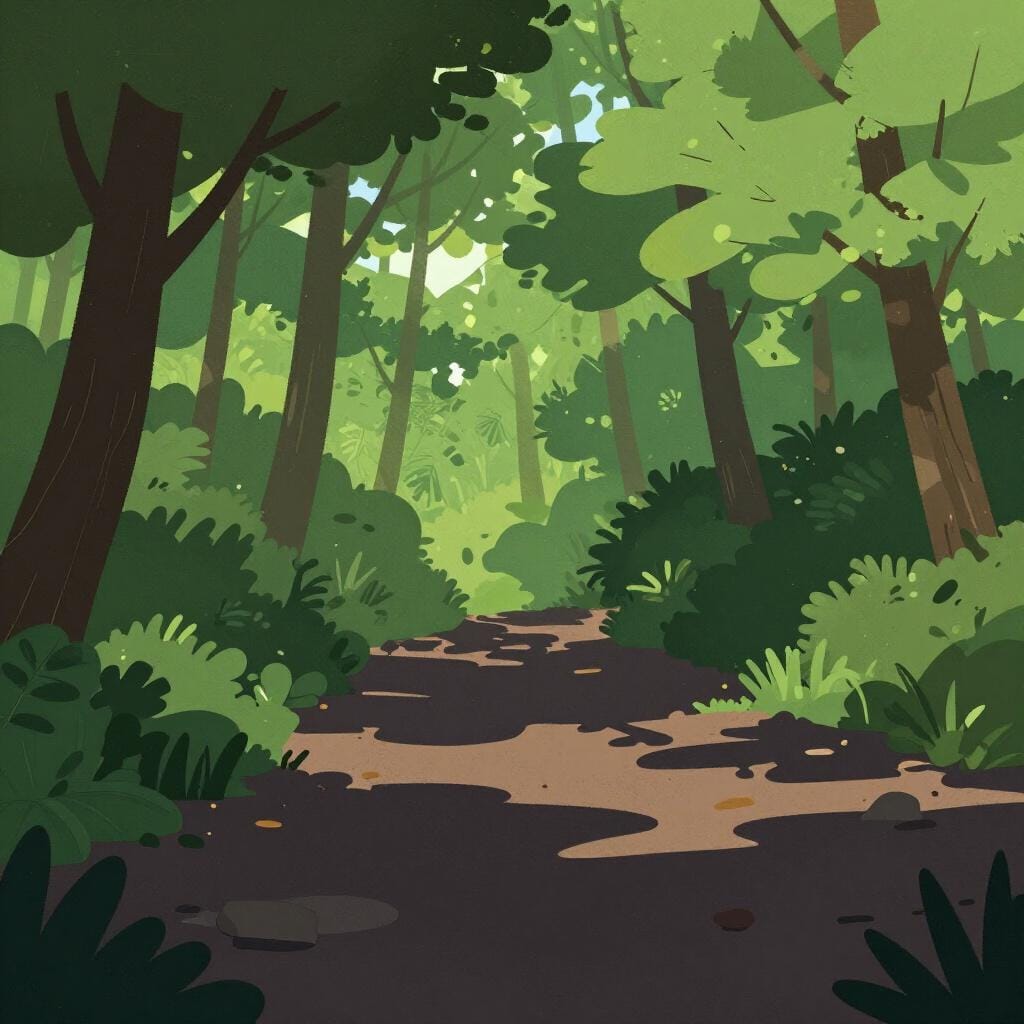
The most common Spanish word for “shadowy” is “sombrío” — use 'sombrío' when describing a place that is literally filled with shadows, making it dark and often cool, like a path in a forest or an area under dense trees.

sombrío
som-BREE-ohsomˈbɾi.o
Examples
Caminamos por un sendero sombrío en el bosque.
We walked along a shady path in the forest.
La habitación era sombría y solo tenía una pequeña ventana.
The room was gloomy and only had one small window.
Prefiero los jardines sombríos durante el verano.
I prefer shady gardens during the summer.
Matching with Nouns
This word must change to match what it describes. Use 'sombrío' for masculine things (like el bosque) and 'sombría' for feminine things (like la calle).
Plural Forms
If you are describing more than one thing, add an 's' to the end: 'sombríos' or 'sombrías'.
Confusing with Sombra
Mistake: “Hay mucho sombrío aquí.”
Correction: Hay mucha sombra aquí. (Use 'sombra' for the noun 'shade' and 'sombrío' to describe a place as 'shady').
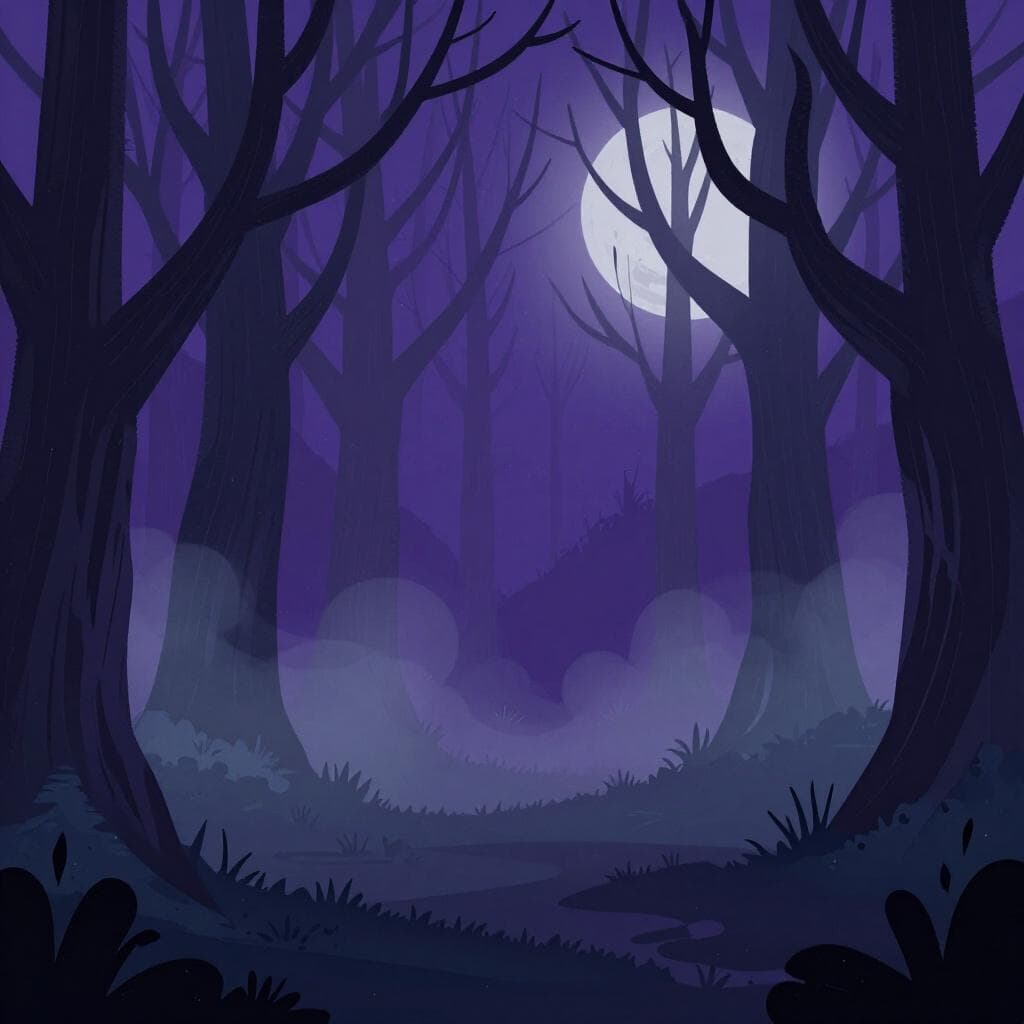
tenebroso
te-ne-BRO-soteneˈβɾoso

Examples
El sótano de la casa vieja es muy tenebroso.
The basement of the old house is very gloomy.
Caminaban por un sendero tenebroso en mitad de la noche.
They were walking along a spooky path in the middle of the night.
La película empieza en un castillo tenebroso y solitario.
The movie begins in a gloomy and lonely castle.
Matching the Noun
Remember to change the ending to 'tenebrosa' if you are describing a feminine word, like 'una cueva' (a cave).
Placement for Emphasis
Usually, you put this word after the noun. If you put it before (un tenebroso bosque), it sounds more poetic or like a fairy tale.
Tenebroso vs. Oscuro
Mistake: “Using 'tenebroso' just for a room with the lights off.”
Correction: Use 'oscuro' for simple lack of light. Use 'tenebroso' only when that darkness feels scary or creepy.
Shadowy vs. Gloomy
Learn Spanish with Inklingo
Interactive stories, personalized learning, and more.