How to Say "spooky" in Spanish
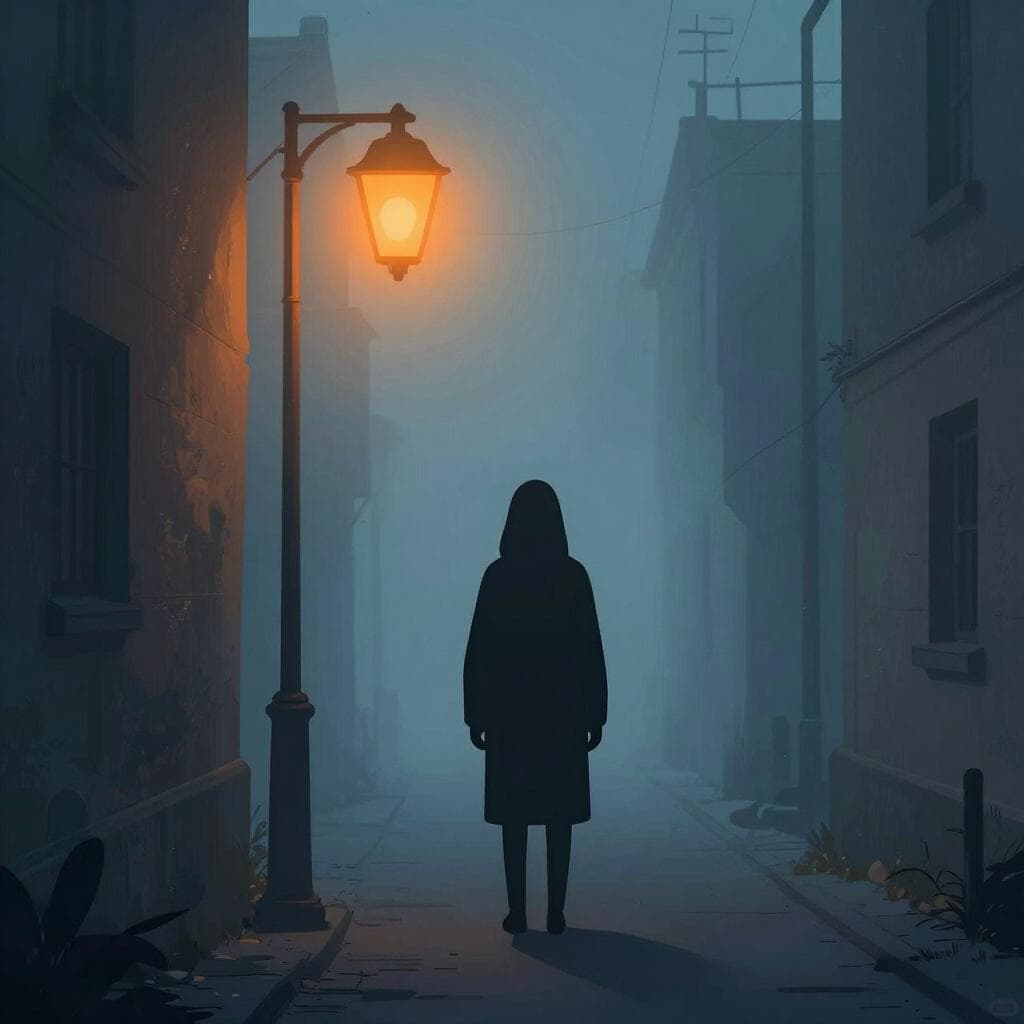
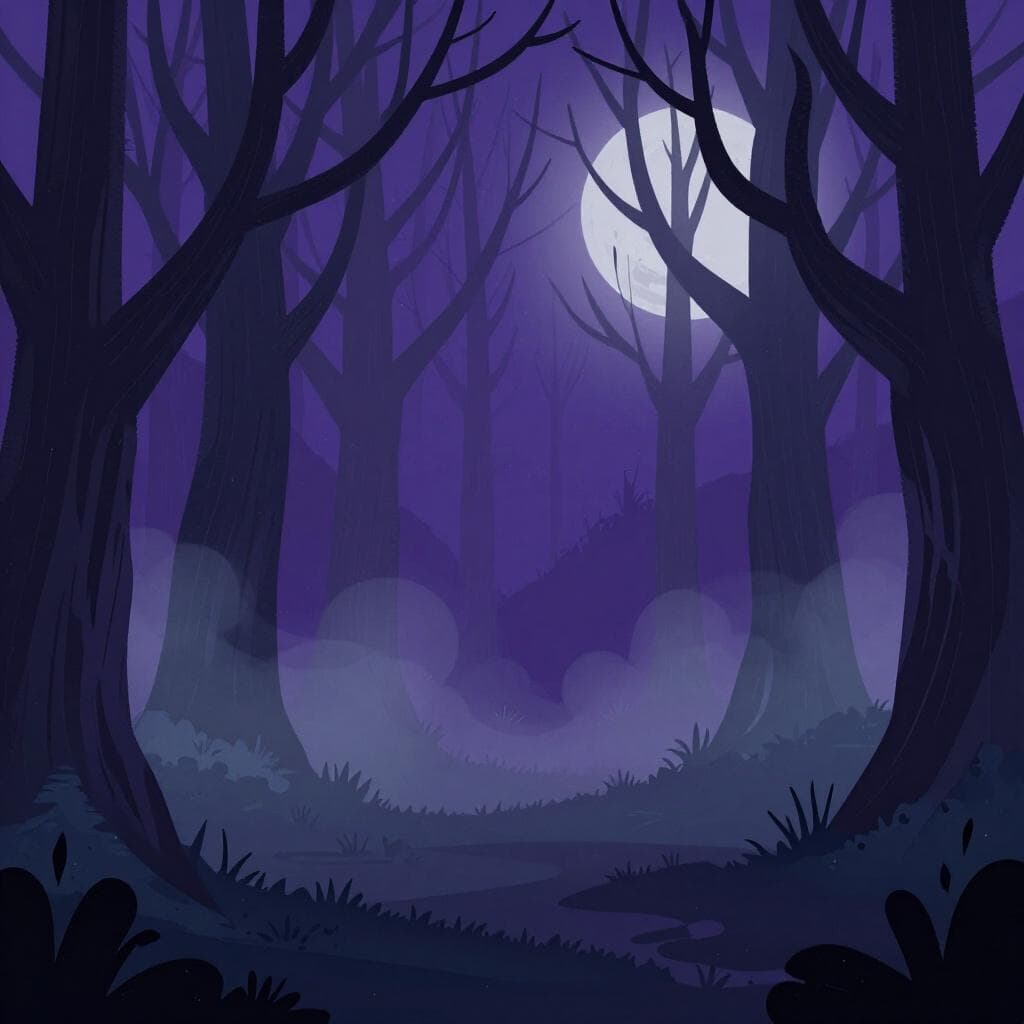
The most common Spanish word for “spooky” is “siniestro” — use 'siniestro' when describing something that looks or feels menacing, often associated with a scary atmosphere, an abandoned place, or a general sense of foreboding.

siniestro
see-nee-ESS-trohsiˈnjestɾo
Examples
La casa abandonada tiene un aspecto muy siniestro.
The abandoned house looks very sinister.
Ese hombre tiene una mirada siniestra.
That man has a creepy look in his eyes.
Había un silencio siniestro en el bosque.
There was a spooky silence in the forest.
Matching the Ending
Since this is a word that describes things, the ending must match. Use 'siniestro' for masculine things and 'siniestra' for feminine things.
Placement for Drama
While it usually goes after the word it describes, putting it before (e.g., 'el siniestro plan') makes the sentence sound more poetic or like a thriller movie.
Siniestro vs. Malvado
Mistake: “Using 'siniestro' for a person who does bad things.”
Correction: Use 'malvado' (evil) for someone's character. 'Siniestro' is better for how someone or something LOOKS or feels (creepy).
escalofriante
es-kah-loh-free-AHN-teheskaloˈfɾjante

Examples
Vimos una película escalofriante anoche.
We saw a chilling movie last night.
El bosque tiene un silencio escalofriante en invierno.
The forest has a hair-raising silence in winter.
Los datos sobre el cambio climático son realmente escalofriantes.
The data regarding climate change are truly shocking.
One Form for Everyone
Because this word ends in '-e', it doesn't change for gender. You use 'escalofriante' for both masculine and feminine words (e.g., 'un libro escalofriante' and 'una historia escalofriante').
Placement for Emphasis
While it usually goes after the noun, putting it before the noun (e.g., 'una escalofriante noticia') adds a poetic or dramatic flair often found in journalism.
Describing People vs. Things
Mistake: “Using 'Estoy escalofriante' to mean 'I am scared'.”
Correction: Say 'Estoy asustado' or 'Tengo escalofríos'. 'Escalofriante' describes the thing that causes the fear, not the person feeling it.
tenebroso
te-ne-BRO-soteneˈβɾoso

Examples
El sótano de la casa vieja es muy tenebroso.
The basement of the old house is very gloomy.
Caminaban por un sendero tenebroso en mitad de la noche.
They were walking along a spooky path in the middle of the night.
La película empieza en un castillo tenebroso y solitario.
The movie begins in a gloomy and lonely castle.
Matching the Noun
Remember to change the ending to 'tenebrosa' if you are describing a feminine word, like 'una cueva' (a cave).
Placement for Emphasis
Usually, you put this word after the noun. If you put it before (un tenebroso bosque), it sounds more poetic or like a fairy tale.
Tenebroso vs. Oscuro
Mistake: “Using 'tenebroso' just for a room with the lights off.”
Correction: Use 'oscuro' for simple lack of light. Use 'tenebroso' only when that darkness feels scary or creepy.
Distinguishing between sinister and chilling
Learn Spanish with Inklingo
Interactive stories, personalized learning, and more.