How to Say "loss" in Spanish
The most common Spanish word for “loss” is “pérdida” — use 'pérdida' for general financial or military loss, like a company's quarterly deficit or the loss of soldiers in battle.



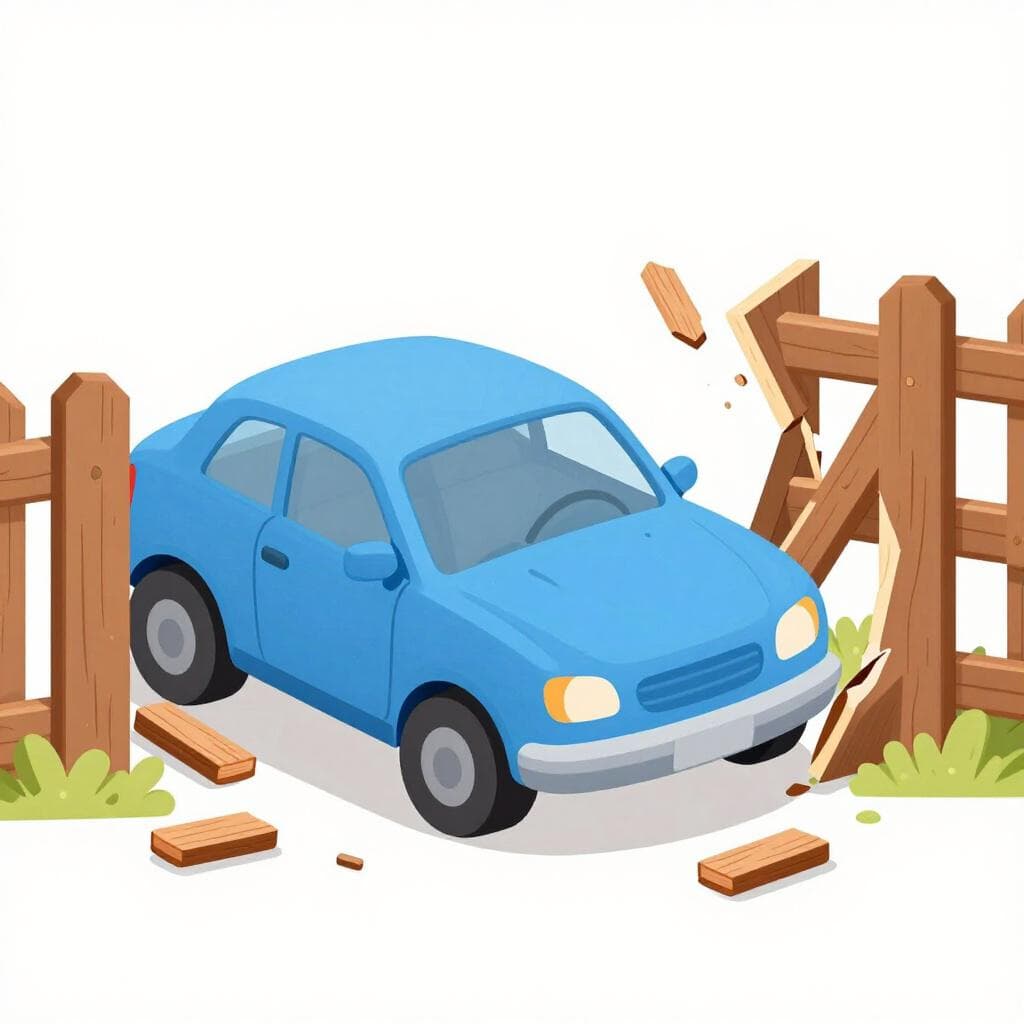
pérdida
per-DEE-dahpeɾˈðiða

Examples
La compañía reportó una gran pérdida este trimestre.
The company reported a great loss this quarter.
Una sola pérdida de tiempo puede arruinar el proyecto.
A single loss (waste) of time can ruin the project.
La pérdida de vidas fue lamentable en aquel desastre.
The loss of life was regrettable in that disaster.
Using the Article
When used as a noun, 'pérdida' (with an accent) often uses the definite article 'la' (la pérdida) and usually refers to an abstract concept of loss or a measurable amount lost.
daño
Examples
La tormenta causó mucho daño a los cultivos.
The storm caused a lot of damage to the crops.
derrota
deh-RROH-tahdeˈro.ta

Examples
La derrota en la final fue muy dolorosa para los aficionados.
The defeat in the final was very painful for the fans.
El general aceptó la derrota con dignidad.
The general accepted the loss with dignity.
Después de la derrota, el equipo tuvo que reorganizarse.
After the defeat, the team had to reorganize.
Gender Check
Remember that 'derrota' is always feminine, so you must use 'la derrota' or 'una derrota'.
perjuicio
per-HWEE-syohperˈxwi.sjo

Examples
El tabaco causa un gran perjuicio a los pulmones.
Tobacco causes great harm to the lungs.
La huelga de transporte supuso un perjuicio económico para la ciudad.
The transport strike resulted in an economic loss for the city.
El juez ordenó el pago por daños y perjuicios.
The judge ordered the payment of damages and losses.
It's a Thing, Not an Action
Perjuicio is a noun (a thing). If you want to describe the action of harming someone, you should use the related verb 'perjudicar'.
Using 'En perjuicio de'
This phrase is used to show who is being hurt by an action. Think of it as 'at the expense of' or 'to the disadvantage of'.
The 'Prejuicio' Trap
Mistake: “Using 'perjuicio' when you mean 'prejudice' or 'bias'.”
Correction: Use 'perjuicio' for harm/damage. Use 'prejuicio' for a preconceived opinion or social bias.
siniestro
see-nee-ESS-trohsiˈnjestɾo
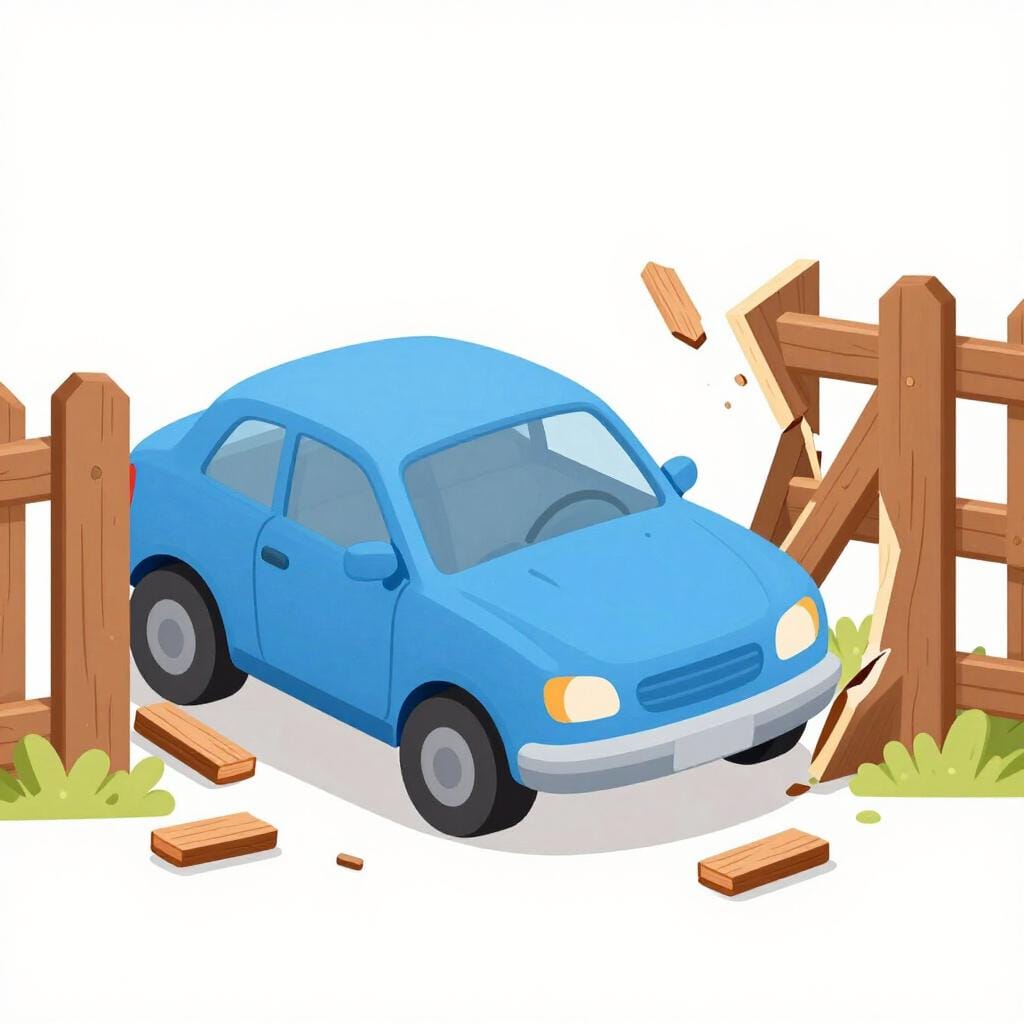
Examples
El seguro no cubrirá el siniestro si el conductor estaba bebido.
The insurance won't cover the accident if the driver was drunk.
Tras el incendio, el edificio fue declarado siniestro total.
After the fire, the building was declared a total loss.
Hubo varios siniestros en la carretera debido a la lluvia.
There were several accidents on the road due to the rain.
Always Masculine
When used as a noun meaning 'accident,' it is always masculine: 'el siniestro'.
Formal vs. Informal
Mistake: “Saying 'tuve un siniestro' to a friend.”
Correction: While correct, it sounds very 'insurance-speak.' Say 'tuve un accidente' in casual conversation.
Pérdida vs. Daño
Learn Spanish with Inklingo
Interactive stories, personalized learning, and more.