How to Say "gloomy" in Spanish
The most common Spanish word for “gloomy” is “oscuro” — use 'oscuro' when referring to a place or atmosphere that is literally dark and lacks light, similar to the English 'dark'.




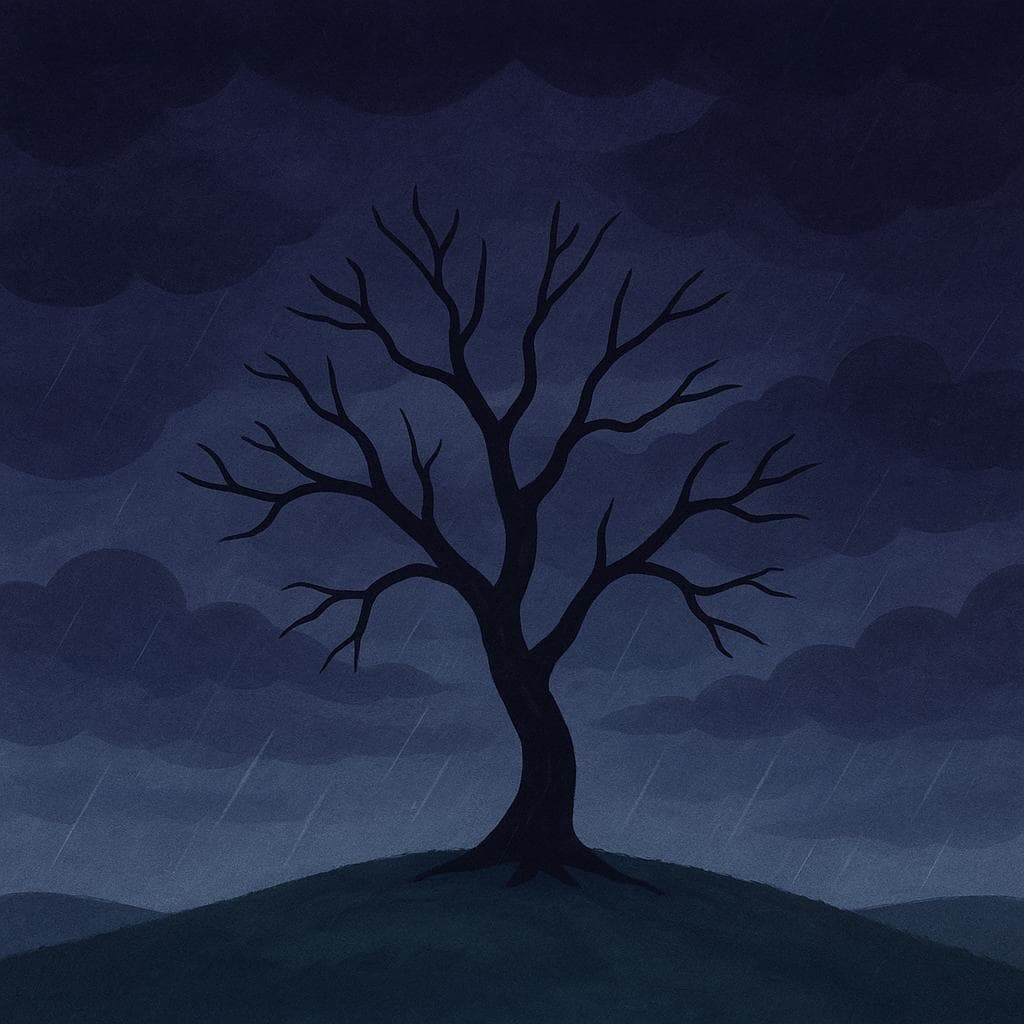
oscuro
oh-SKOO-rohosˈkuɾo

Examples
Estaba muy oscuro en el sótano y no encontré las llaves.
It was very dark in the basement and I couldn't find the keys.
Prefiero las películas con un tono oscuro y misterioso.
I prefer movies with a dark and mysterious tone.
No salgas después de que oscurezca.
Don't go out after it gets dark (after it darkens).
Agreement
As an adjective, 'oscuro' must always match the thing it describes. Use 'oscura' for feminine things (la noche oscura), 'oscuros' for masculine plural things, and 'oscuras' for feminine plural things.
Forgetting Agreement
Mistake: “La noche es oscuro.”
Correction: La noche es oscura. (The night is feminine, so the adjective must end in 'a'.)
triste
TREES-tehˈtɾiste
Examples
Es una historia muy triste.
It's a very sad story.
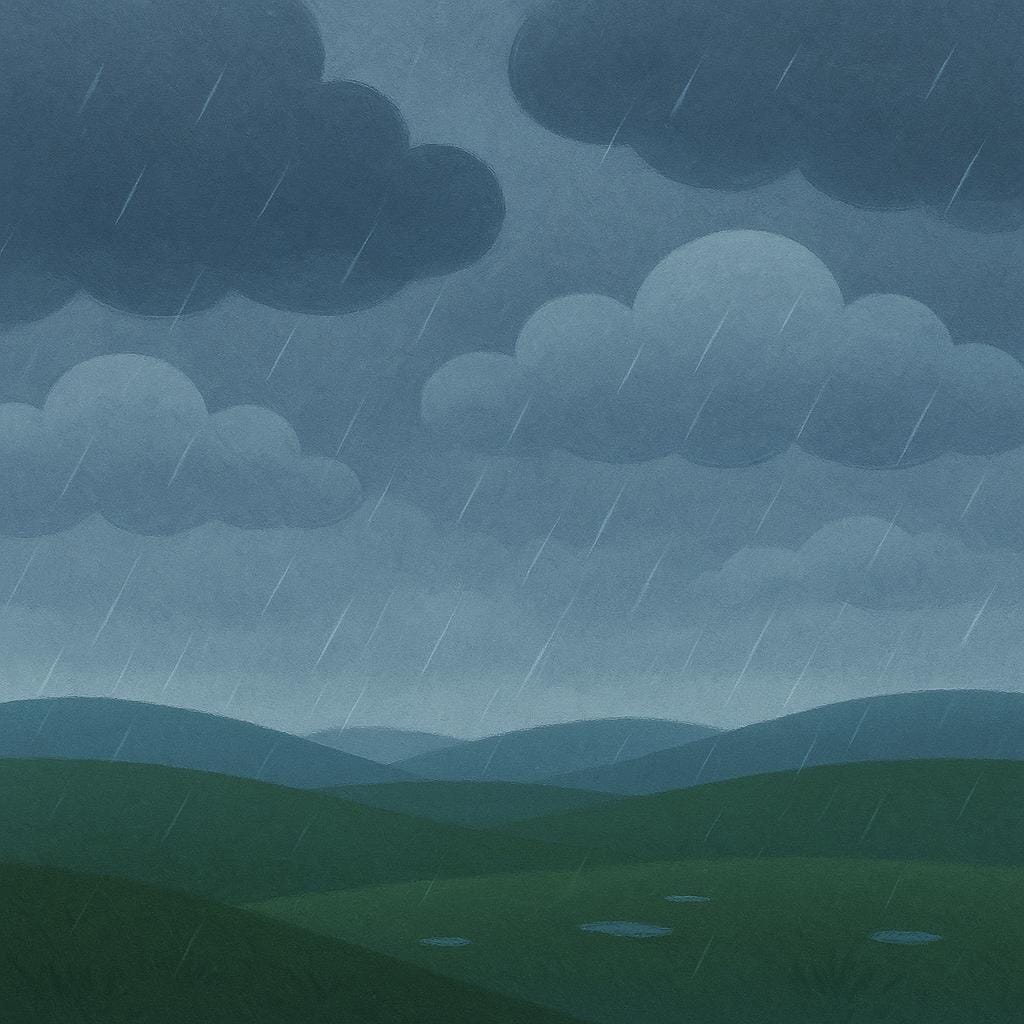
No me gustan los días tristes y grises.
I don't like sad, gray days.
Fue un triste final para un gran equipo.
It was a sad ending for a great team.
Using 'Ser' for Characteristics
To describe the basic quality of a thing or situation, use the verb 'ser'. For example, 'La película es triste' means the movie is inherently a sad one.
Same Form for Masculine and Feminine
'Triste' doesn't change for masculine or feminine things. You say 'un libro triste' (a sad book) and 'una película triste' (a sad movie). It always ends in '-e'.
apagado
ah-pah-GAH-doha.paˈɣa.ðo

Examples
Ella llevaba un vestido de colores muy apagados.
She was wearing a dress with very dull colors.
Después de la noticia, su voz se sintió apagada y triste.
After the news, his voice felt subdued and sad.
Figurative Meaning
Think of this meaning as having the 'light' or 'fire' (energy or brightness) turned off. This applies to anything lacking vibrancy, like a quiet personality or a muted color.
melancólico
Examples
Hoy me siento un poco melancólico por la lluvia.
I feel a bit melancholy today because of the rain.
deprimente
deh-pree-MEHN-tehdepɾiˈmente
Examples
Es deprimente ver la ciudad tan vacía.
It is depressing to see the city so empty.
La película tuvo un final muy deprimente.
The movie had a very depressing ending.
No quiero vivir en un lugar tan deprimente.
I don't want to live in such a gloomy place.
One size fits all
This word doesn't change based on gender. Whether you are describing a 'libro' (masculine) or a 'película' (feminine), you always use 'deprimente'.
The 'Depressing' vs. 'Depressed' Trap
Mistake: “Using 'deprimente' to say you are feeling sad.”
Correction: Use 'deprimido' for people's feelings and 'deprimente' for the thing that causes the feeling. Say 'Estoy deprimido' (I am depressed), but 'La noticia es deprimente' (The news is depressing).
sombrío
som-BREE-ohsomˈbɾi.o

Examples
Caminamos por un sendero sombrío en el bosque.
We walked along a shady path in the forest.
La habitación era sombría y solo tenía una pequeña ventana.
The room was gloomy and only had one small window.
Prefiero los jardines sombríos durante el verano.
I prefer shady gardens during the summer.
Matching with Nouns
This word must change to match what it describes. Use 'sombrío' for masculine things (like el bosque) and 'sombría' for feminine things (like la calle).
Plural Forms
If you are describing more than one thing, add an 's' to the end: 'sombríos' or 'sombrías'.
Confusing with Sombra
Mistake: “Hay mucho sombrío aquí.”
Correction: Hay mucha sombra aquí. (Use 'sombra' for the noun 'shade' and 'sombrío' to describe a place as 'shady').
tenebroso
te-ne-BRO-soteneˈβɾoso

Examples
El sótano de la casa vieja es muy tenebroso.
The basement of the old house is very gloomy.
Caminaban por un sendero tenebroso en mitad de la noche.
They were walking along a spooky path in the middle of the night.
La película empieza en un castillo tenebroso y solitario.
The movie begins in a gloomy and lonely castle.
Matching the Noun
Remember to change the ending to 'tenebrosa' if you are describing a feminine word, like 'una cueva' (a cave).
Placement for Emphasis
Usually, you put this word after the noun. If you put it before (un tenebroso bosque), it sounds more poetic or like a fairy tale.
Tenebroso vs. Oscuro
Mistake: “Using 'tenebroso' just for a room with the lights off.”
Correction: Use 'oscuro' for simple lack of light. Use 'tenebroso' only when that darkness feels scary or creepy.
gris
greesɡɾis
Examples
Últimamente, su vida se ha vuelto muy gris.
Lately, his life has become very dull/monotonous.
Tras la derrota, el ambiente en el vestuario era gris.
After the defeat, the atmosphere in the locker room was gloomy.
fúnebre
FOO-neh-brehˈfunebɾe

Examples
Había un silencio fúnebre en la oficina después de la noticia.
There was a gloomy (grave) silence in the office after the news.
El viejo caserón tenía un aspecto fúnebre bajo la lluvia.
The old mansion had a dismal look under the rain.
Figurative Use
When used figuratively, it describes a feeling so sad or quiet that it reminds one of a funeral.
negra
NEH-grahˈneɡra
Examples
Tuvo una suerte negra en los negocios.
She had terrible/unfortunate luck in business.
Esa fue una época negra para la familia, llena de problemas.
That was a dark era for the family, full of problems.
Figurative Meaning
When used figuratively, 'negra' extends the idea of 'black' (absence of light) to mean 'absence of hope' or 'difficulty' in phrases like 'mala suerte' (bad luck).
pesimista
peh-see-MEES-tahpesiˈmista

Examples
No seas tan pesimista, todo saldrá bien.
Don't be so pessimistic, everything will turn out fine.
Los expertos tienen una visión pesimista de la economía.
The experts have a pessimistic view of the economy.
Me parece un pronóstico un poco pesimista.
That seems like a slightly gloomy forecast to me.
One Ending for Everyone
Even though many Spanish words change 'o' to 'a' for gender, words ending in -ista stay exactly the same for both men and women.
Ser vs. Estar with Pesimista
Use 'ser' if being pessimistic is part of someone's personality. Use 'estar' if they are just feeling negative right now about a specific situation.
The 'Pesimisto' Trap
Mistake: “Juan es pesimisto.”
Correction: Juan es pesimista. Even though Juan is a man, the word always ends in 'a'.
Literal vs. Figurative Gloom
Related Translations
Learn Spanish with Inklingo
Interactive stories, personalized learning, and more.