gris
“gris” means “gray” in Spanish. It has 3 different meanings depending on context:


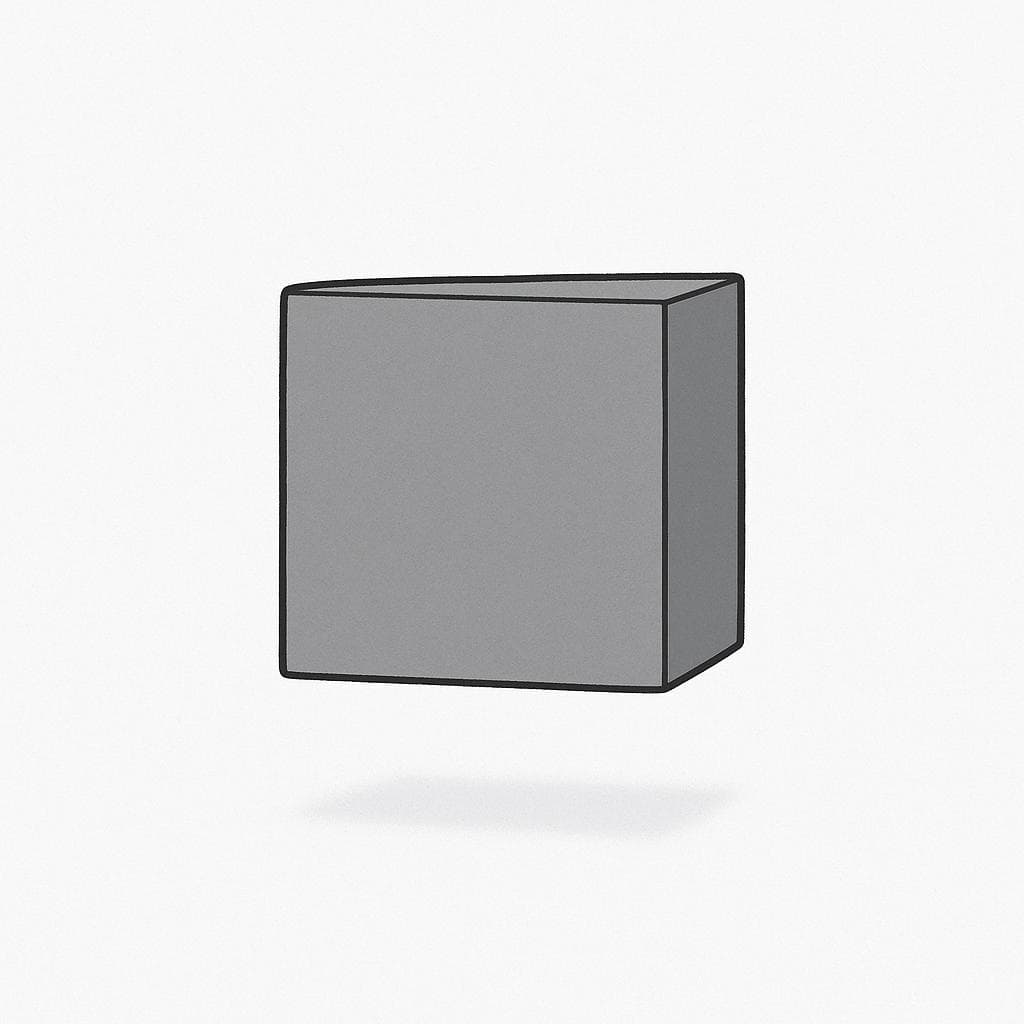
gray, grey

📝 In Action
Mi coche nuevo es de color gris oscuro.
A1My new car is dark gray.
En un día nublado, el cielo se ve gris.
A1On a cloudy day, the sky looks gray.
gloomy, dull
Also: sad, colorless
📝 In Action
Últimamente, su vida se ha vuelto muy gris.
B2Lately, his life has become very dull/monotonous.
Tras la derrota, el ambiente en el vestuario era gris.
C1After the defeat, the atmosphere in the locker room was gloomy.
gray

📝 In Action
El gris combina muy bien con el azul.
A1Gray combines very well with blue.
Pintaron la sala en un gris muy elegante.
A2They painted the living room in a very elegant gray.
Vocabulary Collections
Translate to Spanish
✏️ Quick Practice
Quick Quiz: gris
Question 1 of 2
Which sentence correctly uses 'gris' to describe more than one feminine noun?
📚 More Resources
👥 Word Family▼
🎵 Rhymes▼
📚 Etymology▼
Comes from the Old French word *gris*, which itself originated from Germanic languages (like Old High German *grīs*), meaning 'gray' or 'old'.
First recorded: Medieval Spanish period (around the 13th century)
Cognates (Related words)
💡 Master Spanish
Take your Spanish to the next level. Read 200+ illustrated and narrated Spanish stories tailored to your level with the Inklingo app!
Frequently Asked Questions
How do I say 'light gray' or 'dark gray'?
You simply add 'claro' (light) or 'oscuro' (dark) after the word: 'gris claro' or 'gris oscuro'. Remember that 'claro' and 'oscuro' must agree in number with the noun they describe, but 'gris' stays 'gris'!
Can 'gris' describe a person?
Yes, but usually in a figurative sense (Definition 2). Saying someone is 'gris' means they are dull, boring, or lacking personality, not usually referring to their literal skin or hair color.