Colors in Spanish
Colors are everywhere, and knowing them in Spanish will make your descriptions much more vivid! This list covers a wide range of hues, from basic shades to more specific tones. Unlike English, Spanish color adjectives must agree in gender and number with the noun they describe, so get ready to learn some endings!
Quick Reference
| Spanish | English | Example | Level |
|---|---|---|---|
amarillo | yellow | Compré una flor amarilla para mi madre. | A1 |
azul | blue | El mar Caribe es de un color azul turquesa impresionante. | A1 |
blanco | white | Mi camisa favorita es blanca. | A1 |
canario | canary | El canario canta muy bien por las mañanas. | A1 |
castaño | brown | Mi hermano tiene el pelo castaño y los ojos verdes. | A1 |
celeste | light blue | Mi color favorito es el azul celeste. | A1 |
color | color | ¿Cuál es tu color favorito? | A1 |
dorado | golden | El sol de la mañana tiene un tono dorado precioso. | A1 |
gris | gray | Mi coche nuevo es de color gris oscuro. | A1 |
lila | lilac | Mi hermana tiene una falda lila muy bonita. | A1 |
marrón | brown | Mi perro tiene el pelo marrón y blanco. | A1 |
morado | purple | Mi color favorito es el morado. | A1 |
A1 — Beginner (22 words)

yellow
“Compré una flor amarilla para mi madre.”

blue
“El mar Caribe es de un color azul turquesa impresionante.”
white
“Mi camisa favorita es blanca.”
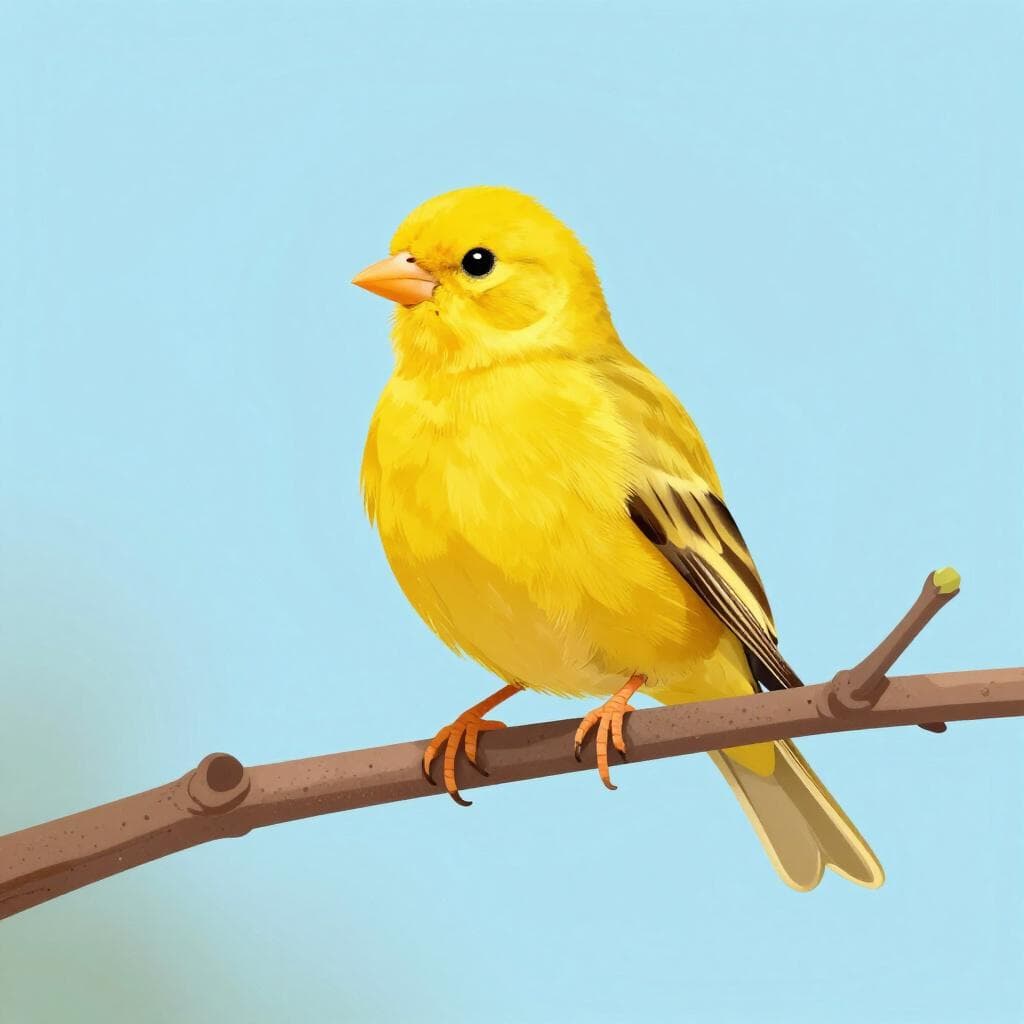
canary
“El canario canta muy bien por las mañanas.”

brown
“Mi hermano tiene el pelo castaño y los ojos verdes.”

light blue
“Mi color favorito es el azul celeste.”

color
“¿Cuál es tu color favorito?”

golden
“El sol de la mañana tiene un tono dorado precioso.”
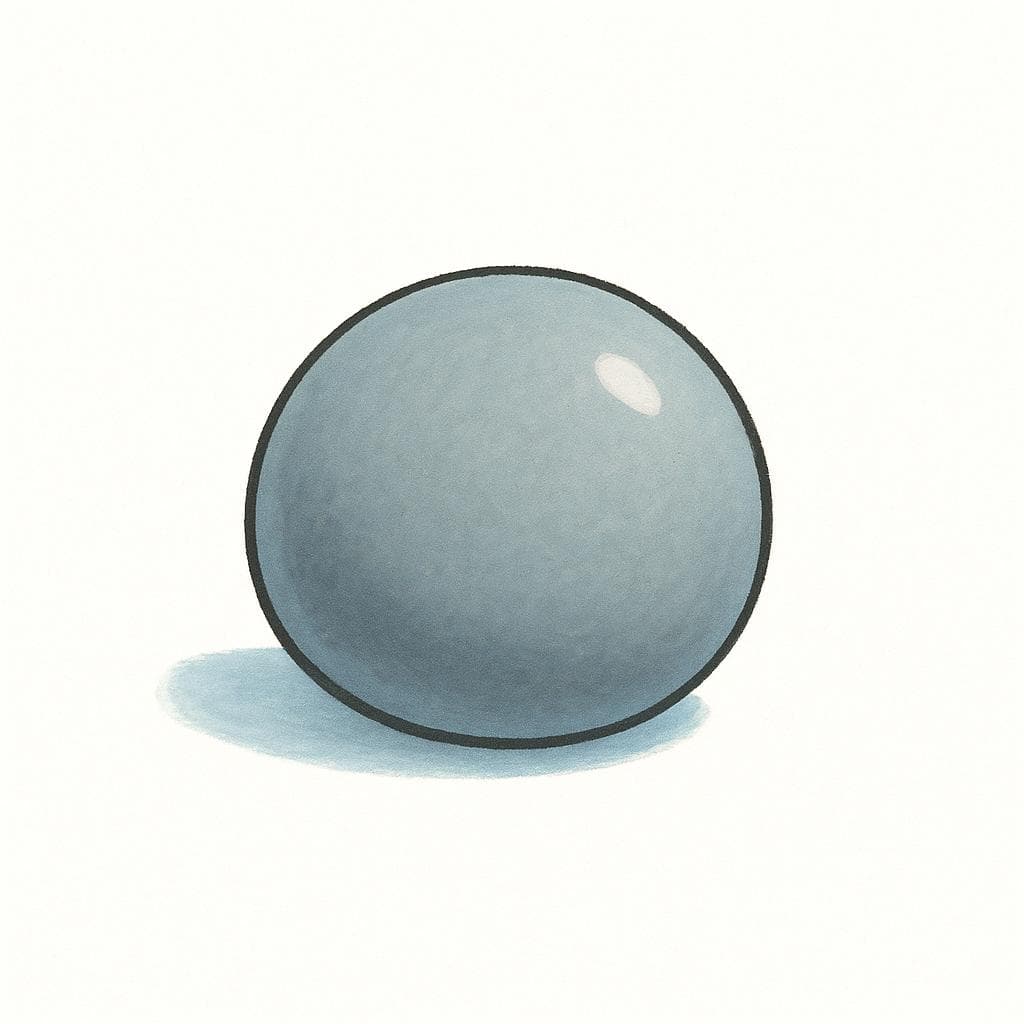
gray
“Mi coche nuevo es de color gris oscuro.”
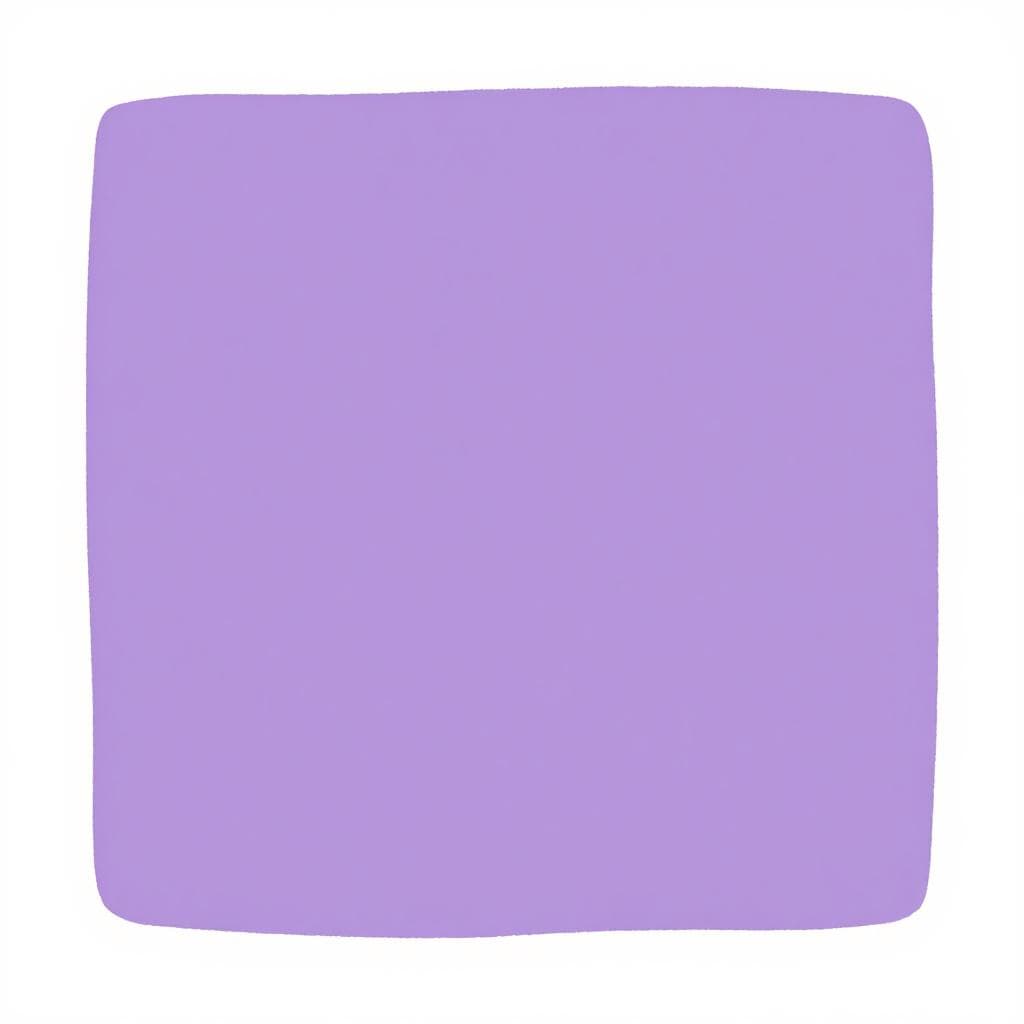
lilac
“Mi hermana tiene una falda lila muy bonita.”

brown
“Mi perro tiene el pelo marrón y blanco.”

purple
“Mi color favorito es el morado.”
mustard
“Pásame la mostaza para mi perro caliente, por favor.”
orange
“Quiero una naranja dulce para el postre.”
black
“Mi gato es completamente negro.”

red
“Compré una bufanda roja para el invierno.”

rose
“Me regaló una rosa roja por mi cumpleaños.”
pink
“Tengo una camisa rosada muy bonita.”

green
“La hierba es verde.”

green
“Compramos sillas verdes para el jardín.”

violet
“Mi color favorito es el violeta.”
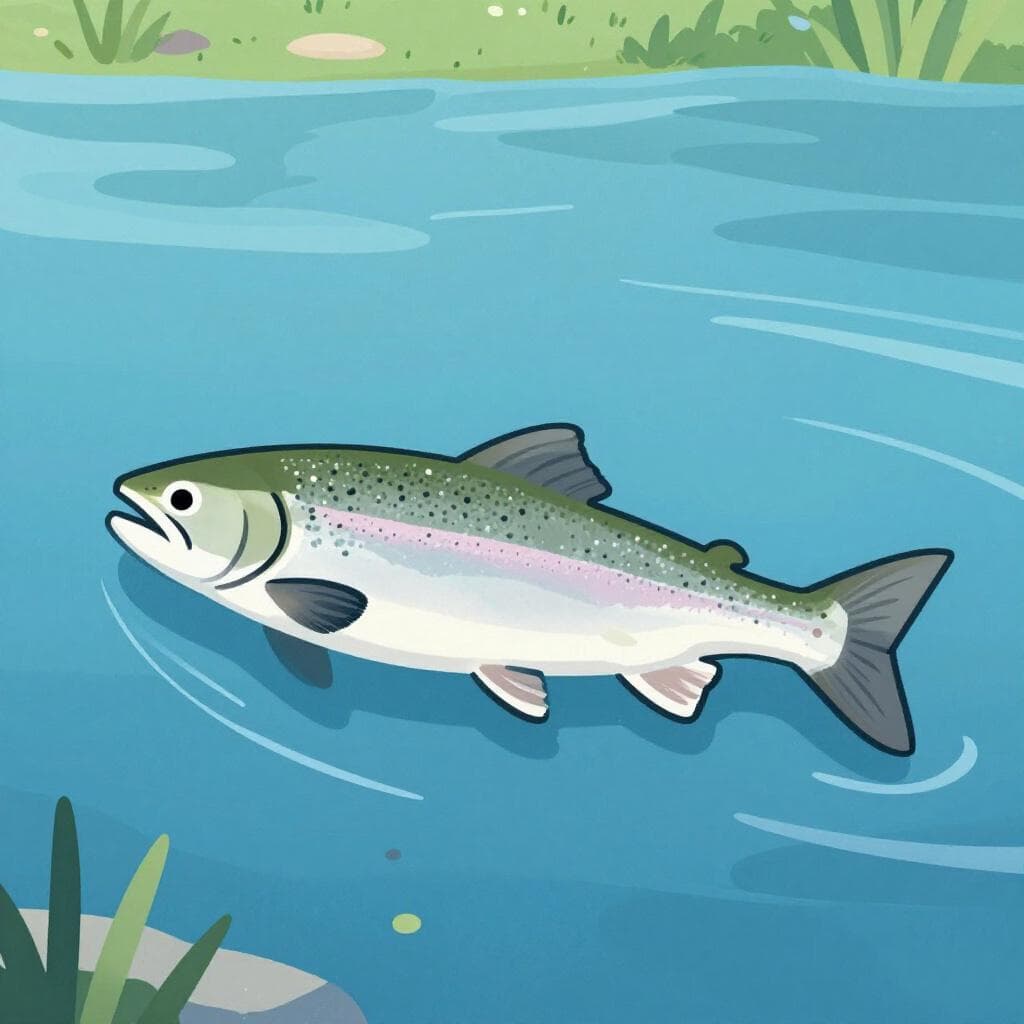
salmon
“El salmón nada río arriba para poner sus huevos.”
A2 — Elementary (3 words)

red
“Me gusta ese coche colorado.”

coral
“Vimos muchos peces de colores en el arrecife de coral.”

silver
“Mi hermana se compró un coche plateado.”
B1 — Intermediate (1 words)
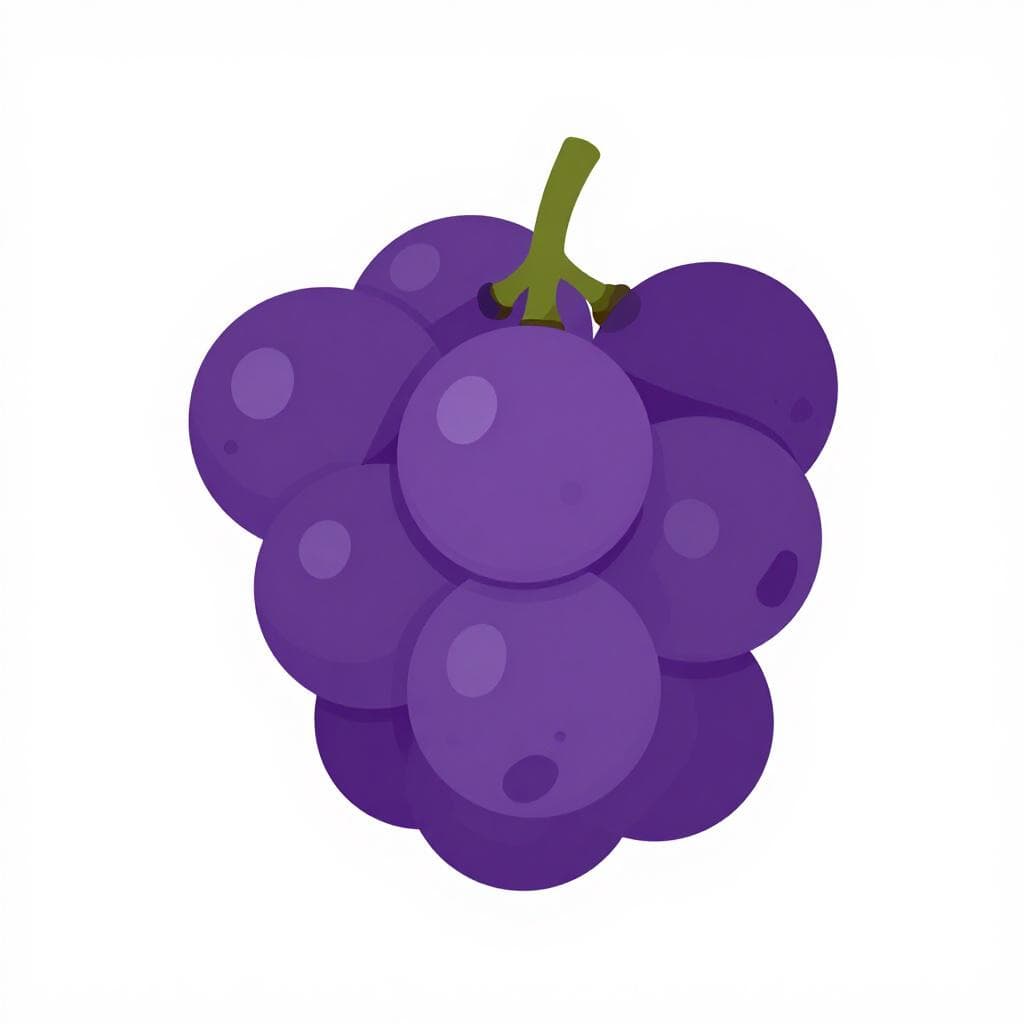
purple
“Ella lleva una bufanda púrpura muy bonita.”
Grammar Tips
Gender and Number Agreement
Spanish color adjectives must match the noun they modify. For example, 'la casa blanca' (the white house) uses '-a' for feminine, while 'el coche blanco' (the white car) uses '-o' for masculine. Plurals also require changes: 'las casas blancas' (the white houses).
Invariable Colors
Some colors, often derived from nouns like fruits or flowers, don't change form. 'Naranja' (orange) and 'violeta' (violet) are common examples. So, 'la camisa naranja' (the orange shirt) and 'los coches naranja' (the orange cars) both use the same form.
Word Order Matters
In Spanish, color adjectives typically come *after* the noun they describe. So, instead of 'the red apple,' you'd say 'la manzana roja.' This is a key difference from English where adjectives usually precede the noun.
Common Mistakes
Incorrect Adjective Placement
Mistake: “Yo tengo un rojo coche.”
Correction: Yo tengo un coche rojo. In Spanish, color adjectives usually follow the noun they describe.
Forgetting Agreement
Mistake: “Las flores blanco son bonitas.”
Correction: Las flores blancas son bonitas. The adjective 'blanco' must agree in gender and number with the feminine plural noun 'flores'.
Treating Invariable Colors as Variable
Mistake: “La mesa naranjas es grande.”
Correction: La mesa naranja es grande. Colors derived from nouns, like 'naranja' (orange), are often invariable and do not change for gender or number.
Cultural Notes
Symbolism of Colors
While colors have universal associations, some meanings can vary. For instance, white is often linked to purity and weddings in many Spanish-speaking cultures, similar to Western traditions, but red can sometimes symbolize danger or passion depending on the context.
Regional Color Names
You might encounter slight variations in color names or shades across different Spanish-speaking countries. While 'azul' is universally blue, specific shades like 'celeste' (sky blue) are common but might have regional synonyms.