Appearance & Physical Description in Spanish
Describing people's looks is a fundamental part of everyday conversation. This vocabulary set covers everything from general appearance and attractiveness to specific features like hair and skin. Mastering these words will help you paint a clearer picture when talking about people, whether you're describing a new acquaintance or discussing a character in a story.
Quick Reference
| Spanish | English | Example | Level |
|---|---|---|---|
ancianos | elderly people | Los ancianos de la comunidad merecen nuestro respeto. | A1 |
apariencia | appearance | Su apariencia física es muy atlética. | A2 |
arruga | wrinkle | Mi abuela tiene arrugas muy bonitas alrededor de los ojos. | A2 |
aspecto | appearance | Tiene buen aspecto después de sus vacaciones. | A2 |
atractivo | attractive | El nuevo actor es muy atractivo y talentoso. | A1 |
belleza | beauty | La belleza natural de la costa es impresionante. | A1 |
bello | beautiful | El paisaje de la montaña es realmente bello en otoño. | A1 |
bigote | mustache | Mi abuelo tiene un bigote muy grande y gris. | A1 |
bonito | pretty | Tu jardín es muy bonito. | A1 |
cabello | hair | Mi hermana tiene el cabello muy rizado. | A1 |
corte | cut | Me hice un corte en el dedo con un papel. | B1 |
delgado | thin | Mi hermano es muy alto y delgado. | A1 |
A1 — Beginner (31 words)
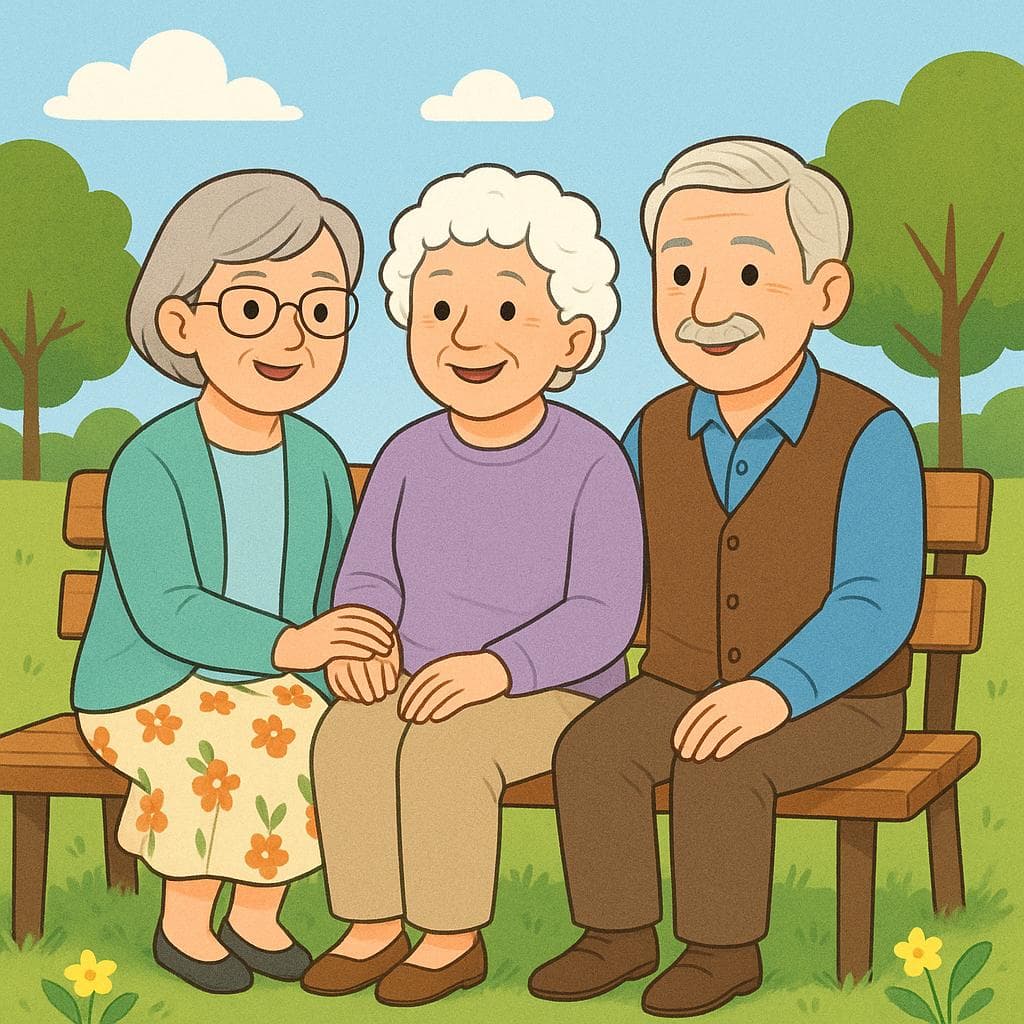
elderly people
“Los ancianos de la comunidad merecen nuestro respeto.”

attractive
“El nuevo actor es muy atractivo y talentoso.”
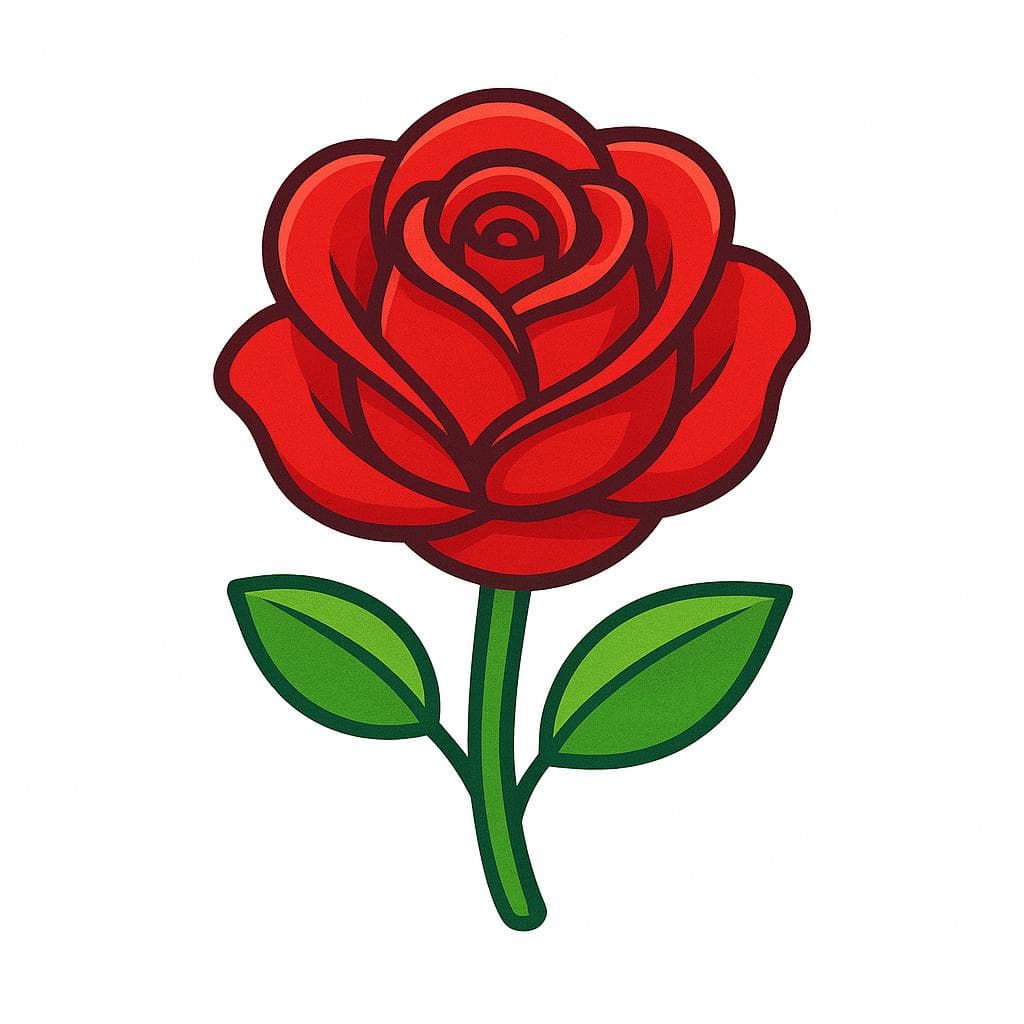
beauty
“La belleza natural de la costa es impresionante.”
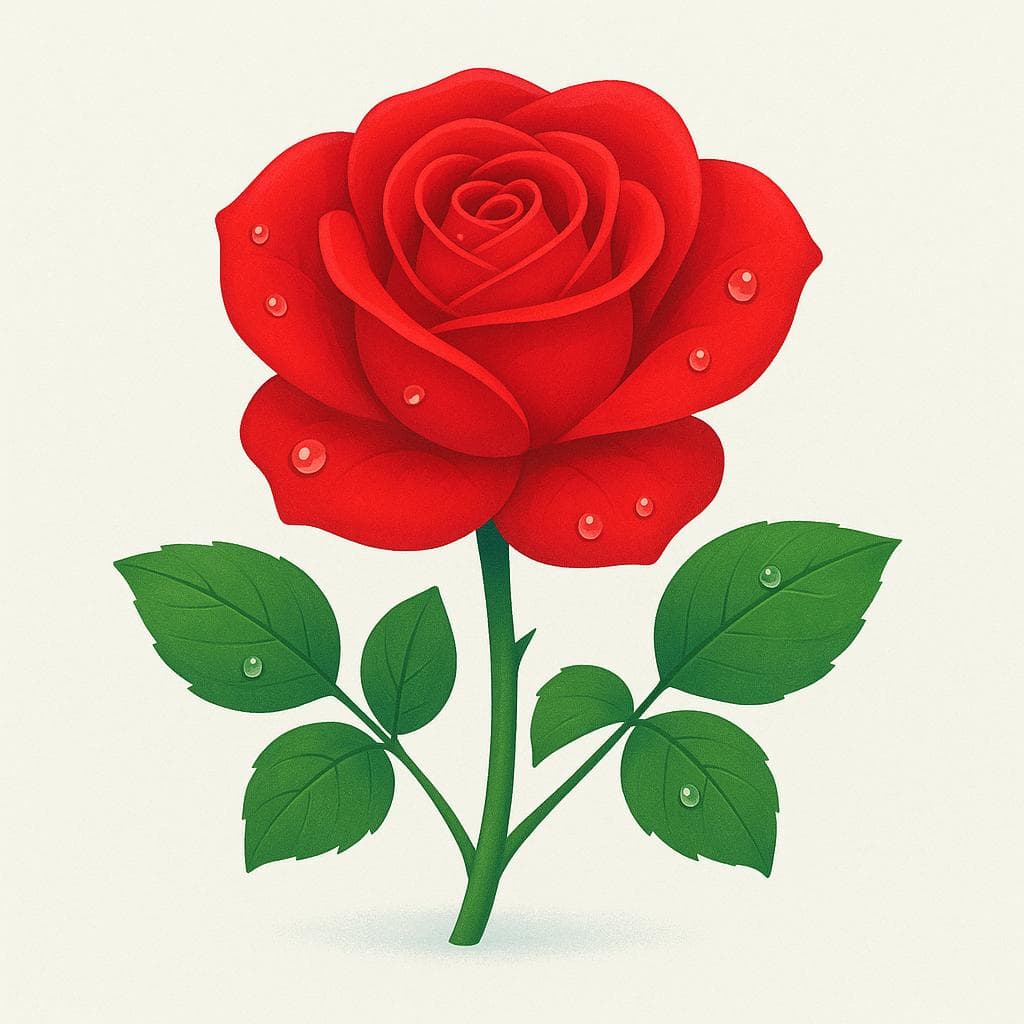
beautiful
“El paisaje de la montaña es realmente bello en otoño.”

mustache
“Mi abuelo tiene un bigote muy grande y gris.”
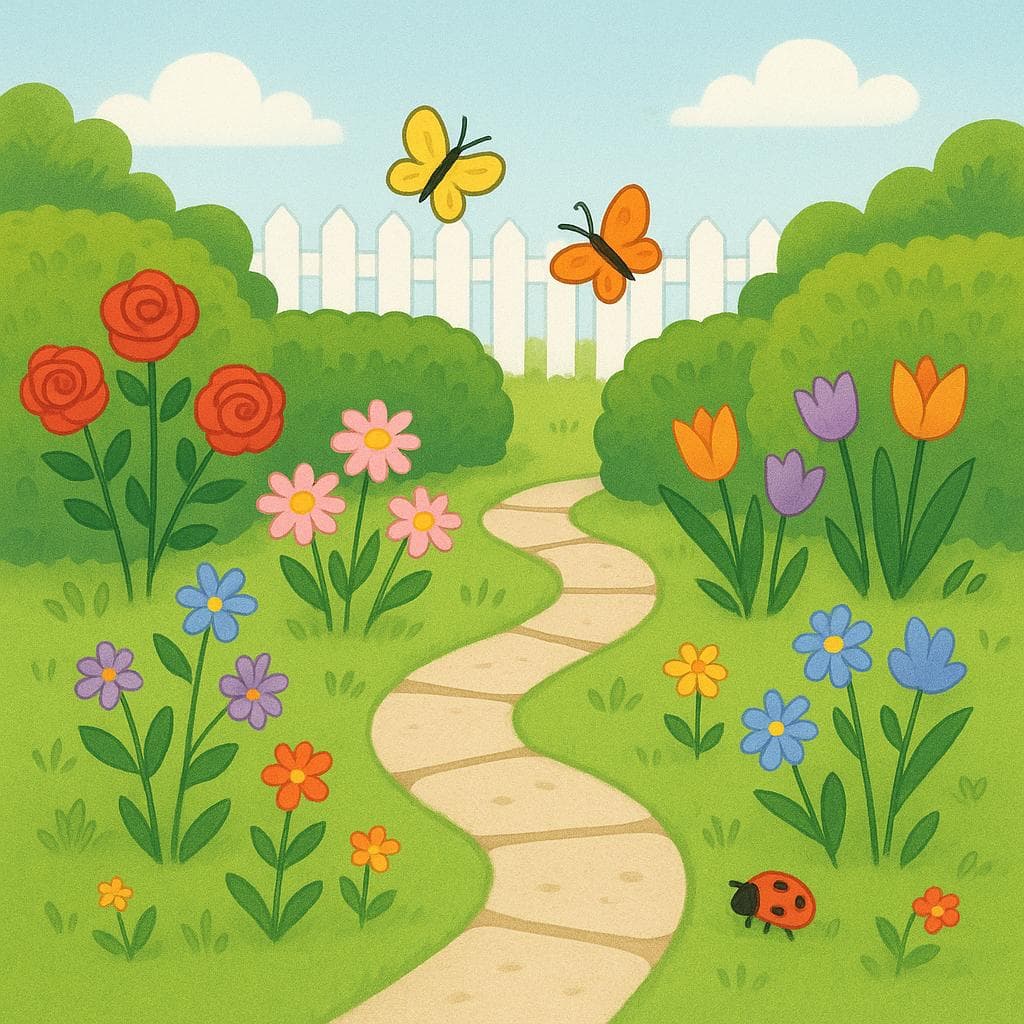
pretty
“Tu jardín es muy bonito.”
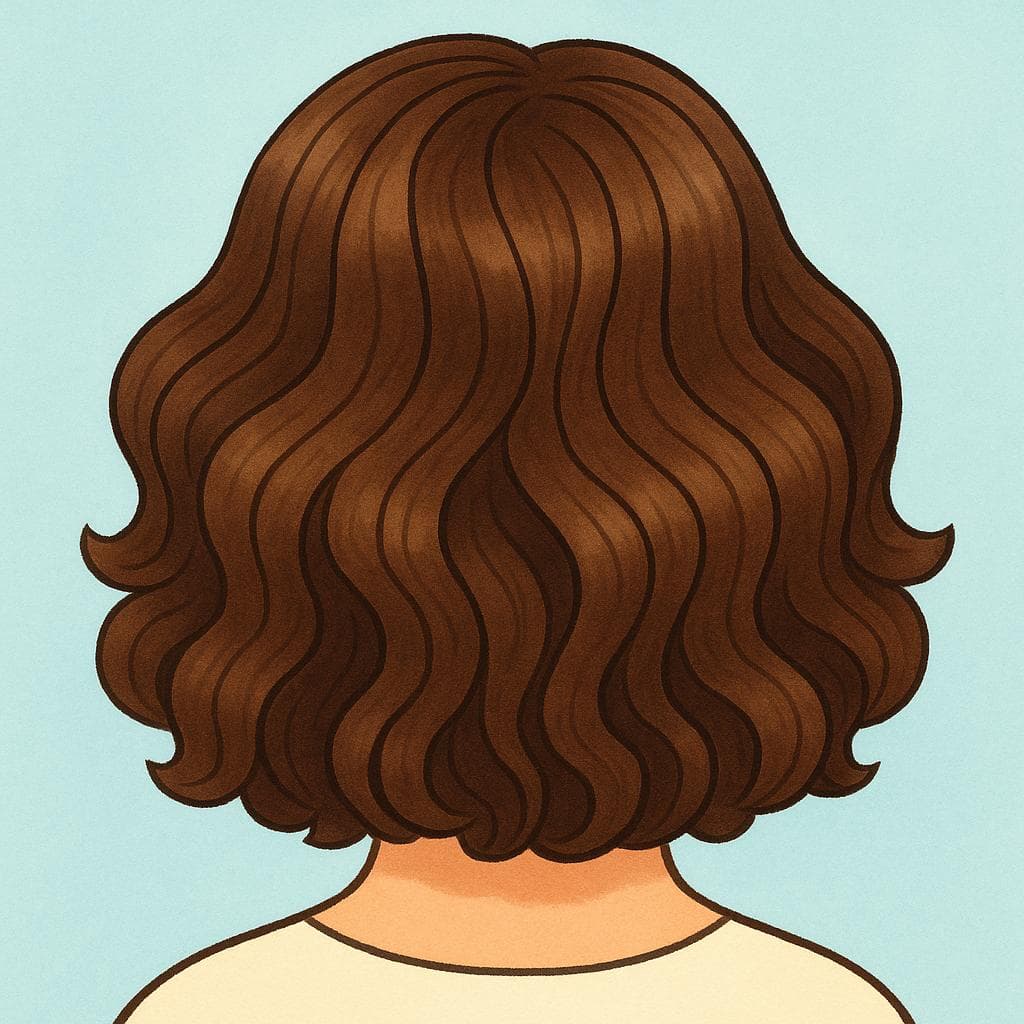
hair
“Mi hermana tiene el cabello muy rizado.”
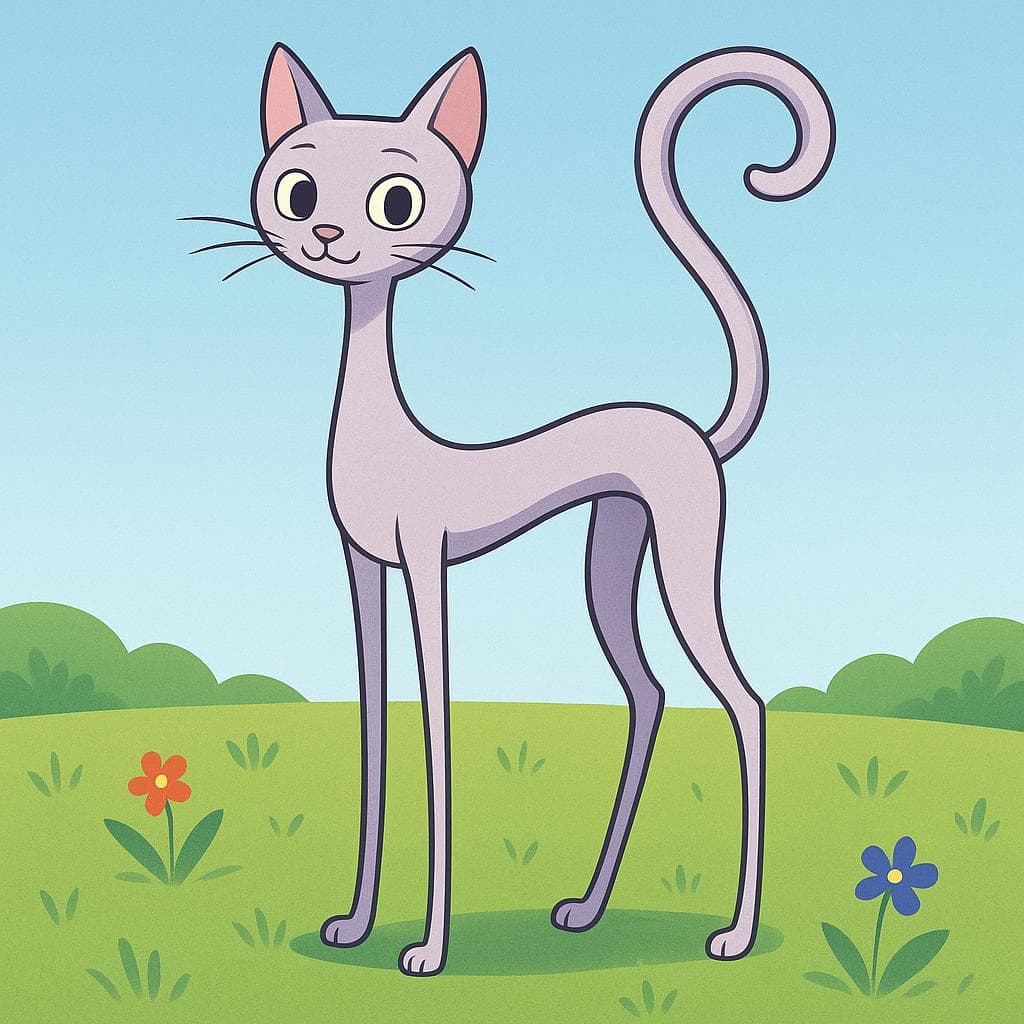
thin
“Mi hermano es muy alto y delgado.”

elegant
“Ella lleva un vestido muy elegante para la fiesta.”
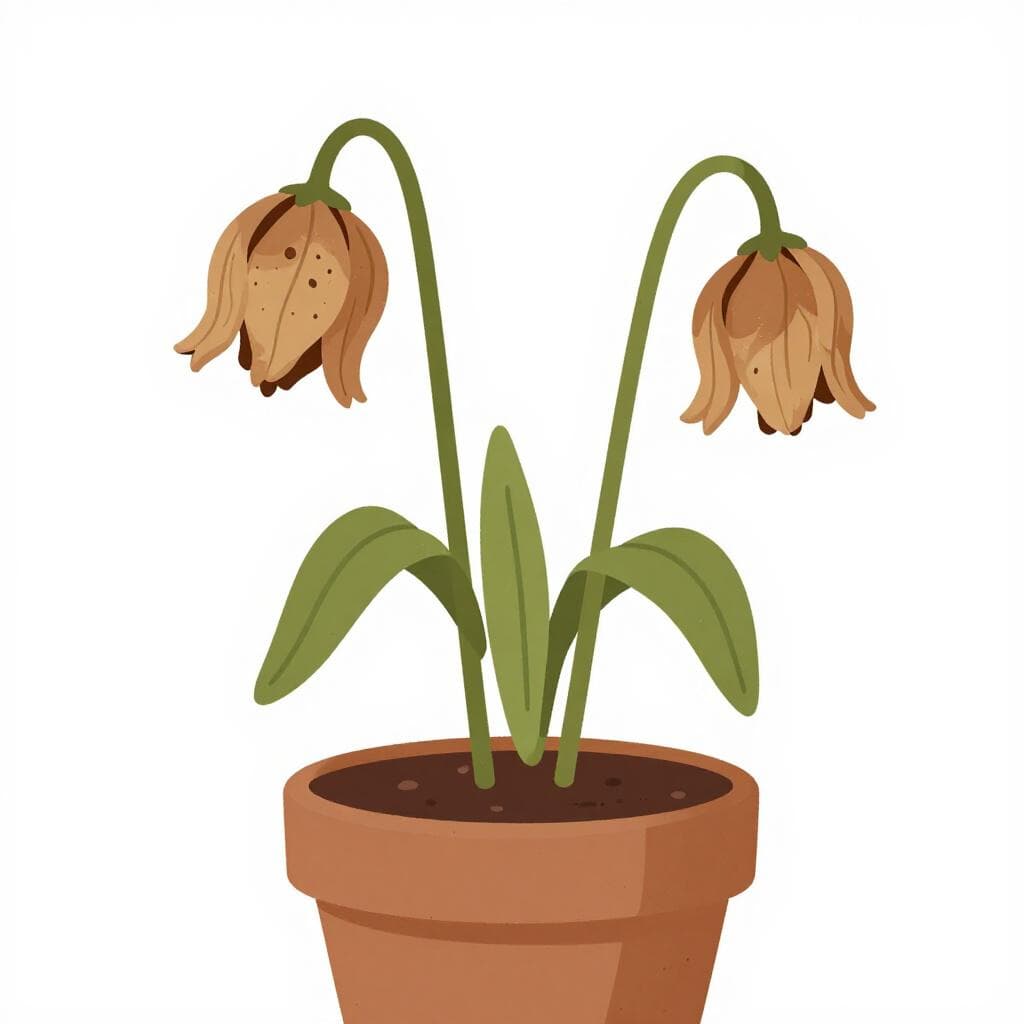
ugly
“Esas sillas son muy feas.”

ugly
“Ese perro es muy feo, pero tiene un corazón de oro.”
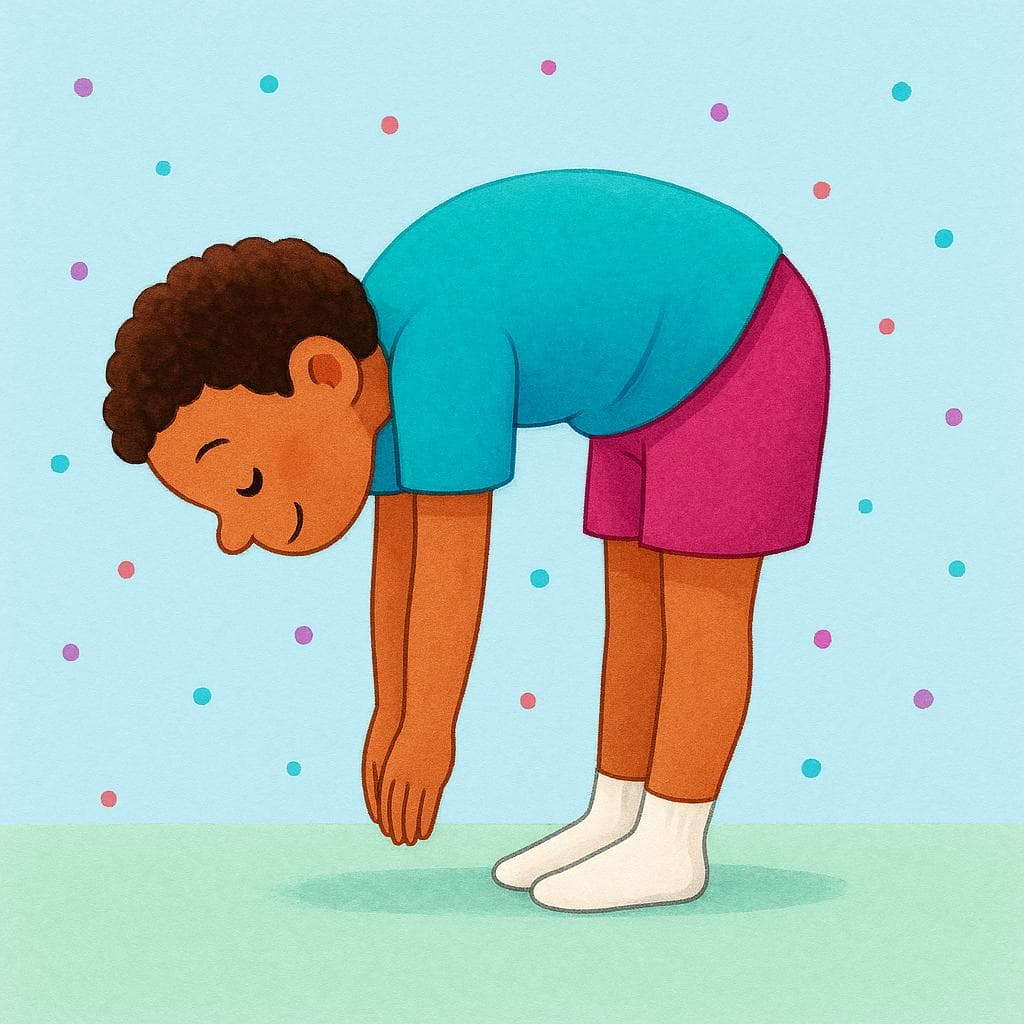
physical
“El ejercicio físico es importante para la salud.”
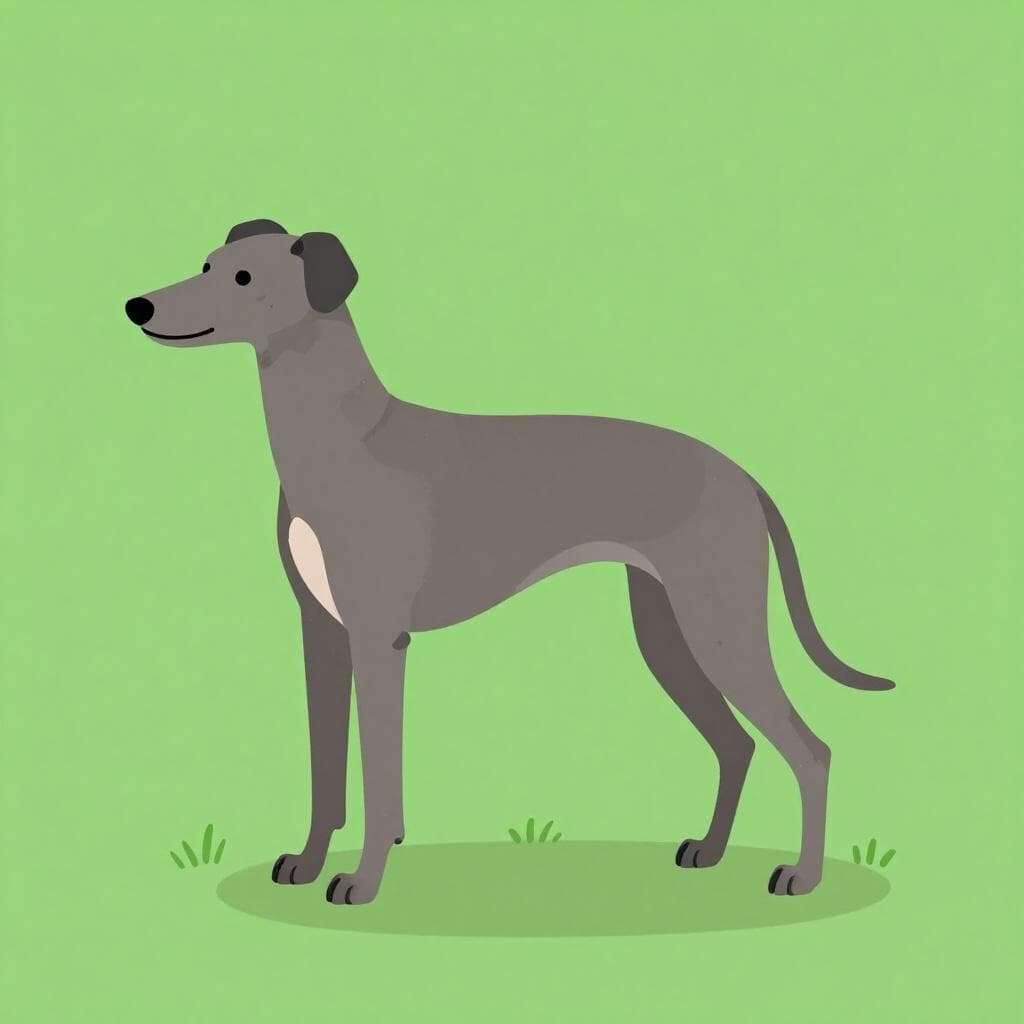
thin
“Mi hermano es muy flaco porque hace mucho deporte.”

chubby
“Mira ese gatito tan gordito.”

fat
“El perro de mi vecino está muy gordo.”

handsome
“El actor principal de la película es muy guapo.”

beautiful
“El paisaje desde la montaña es hermoso.”

young
“Mi hermano es más joven que yo.”

pretty
“¡Qué vestido tan lindo!”
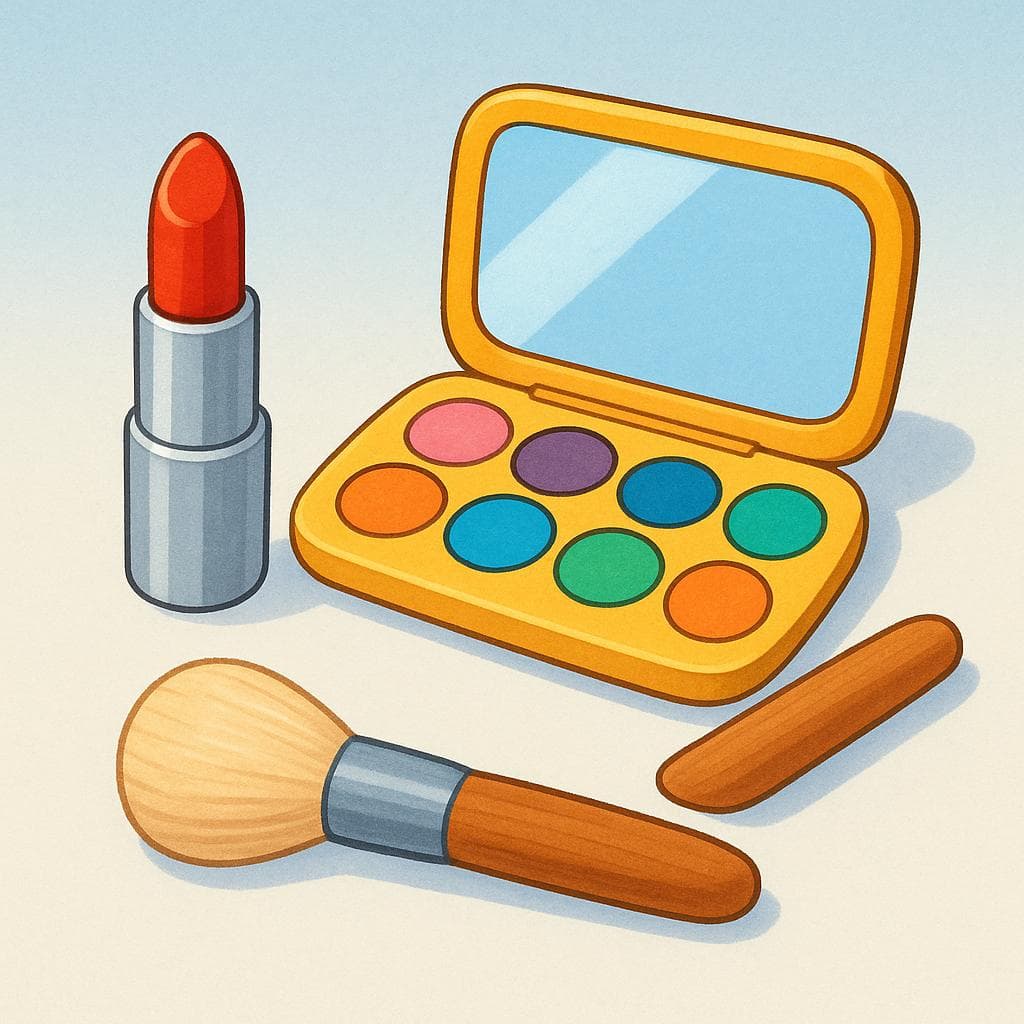
makeup
“Ella olvidó su estuche de maquillaje en casa.”

dark-haired
“Mi hermano es moreno y tiene los ojos verdes.”
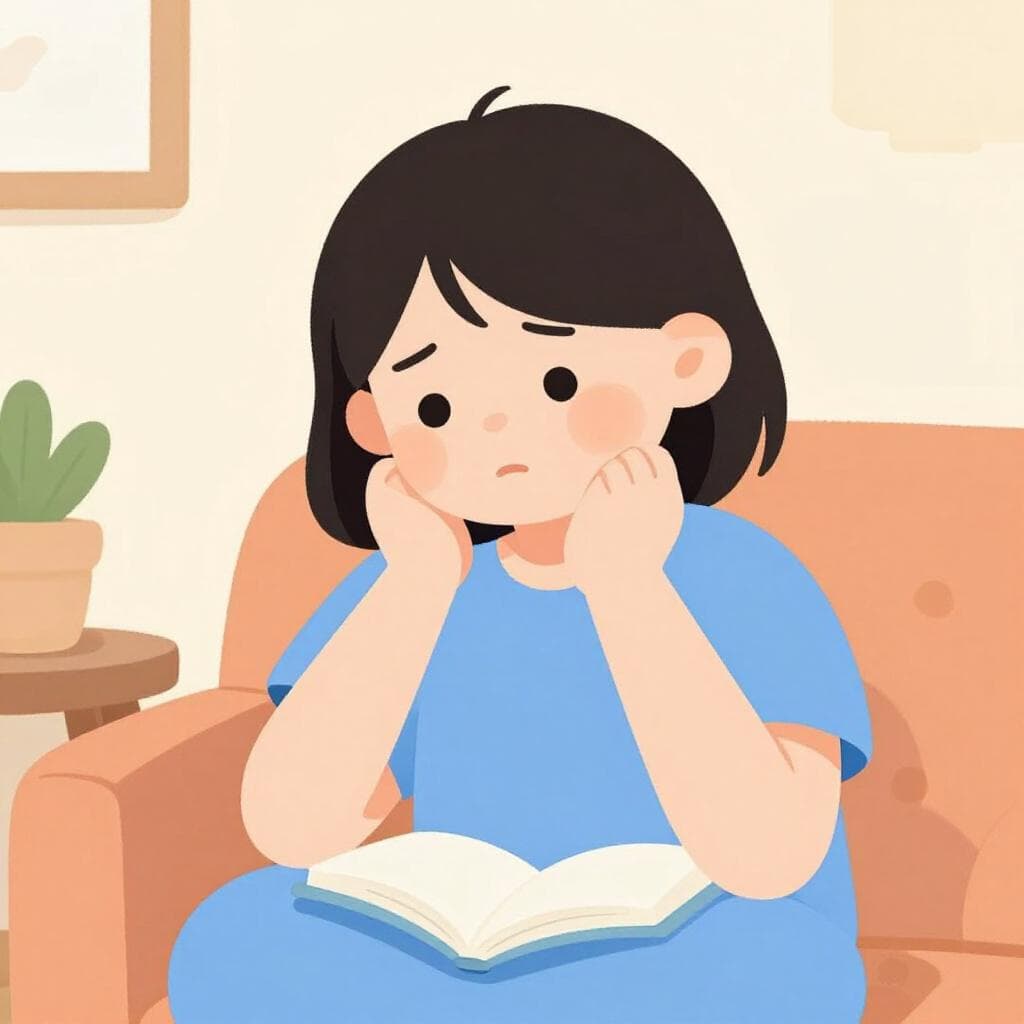
pale
“Estás muy pálido, ¿te sientes bien?”
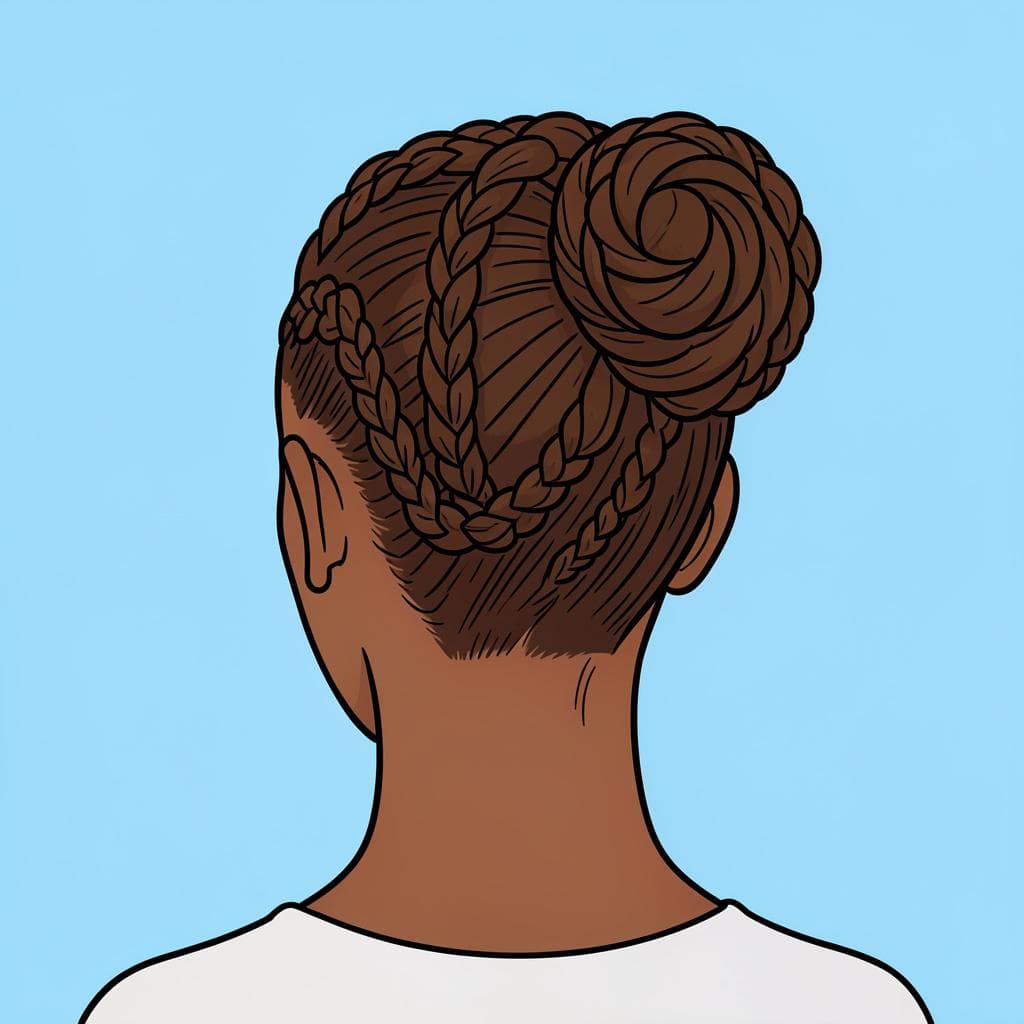
hairstyle
“Me gusta mucho tu peinado nuevo.”
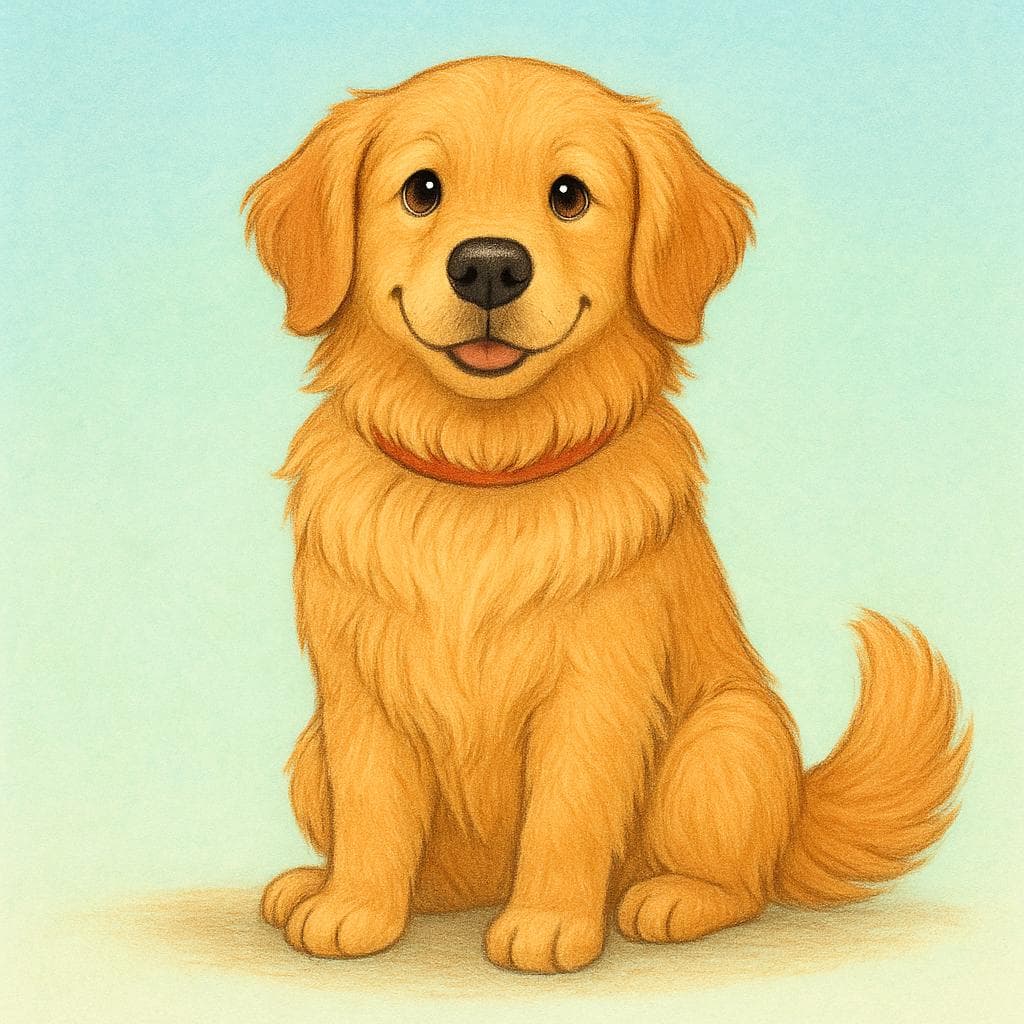
hair
“Mi hermana tiene el pelo largo y rubio.”

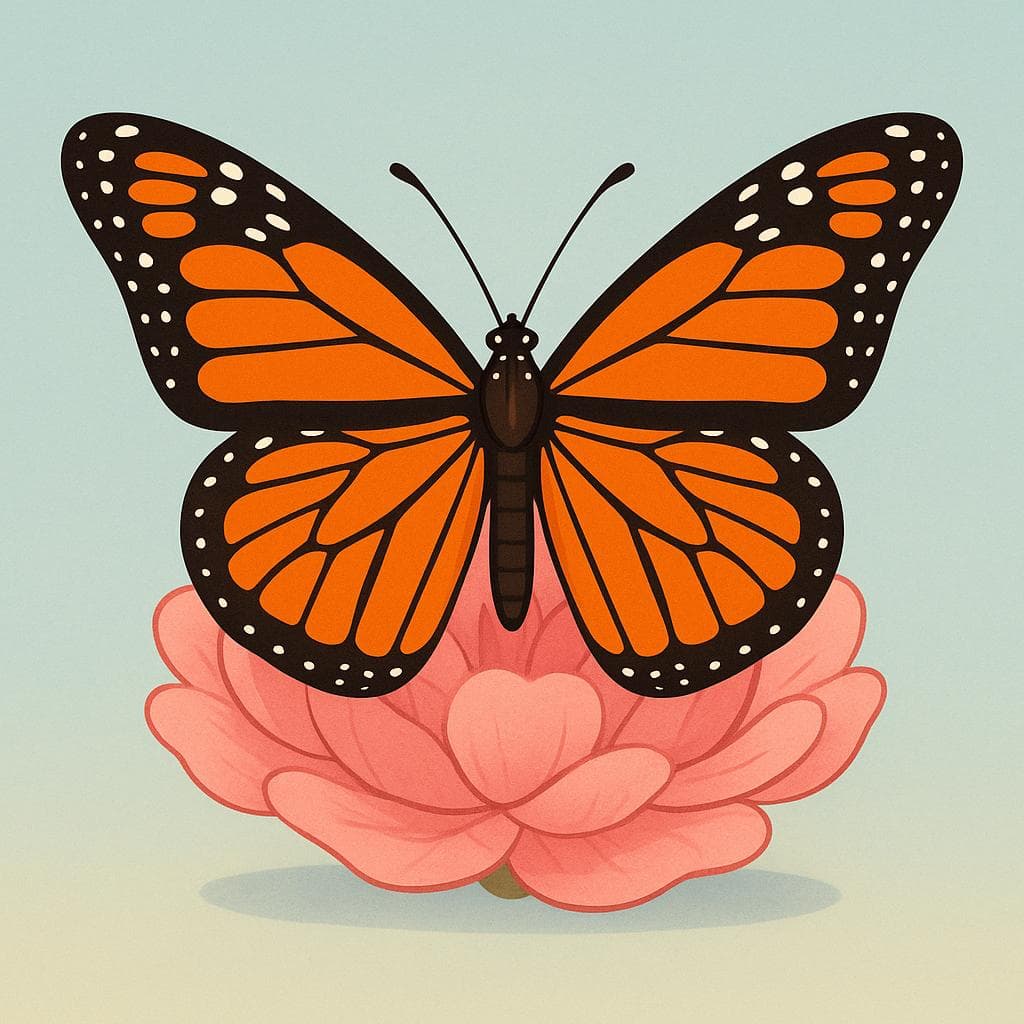
hairy
“Mi perro es muy peludo y suave.”
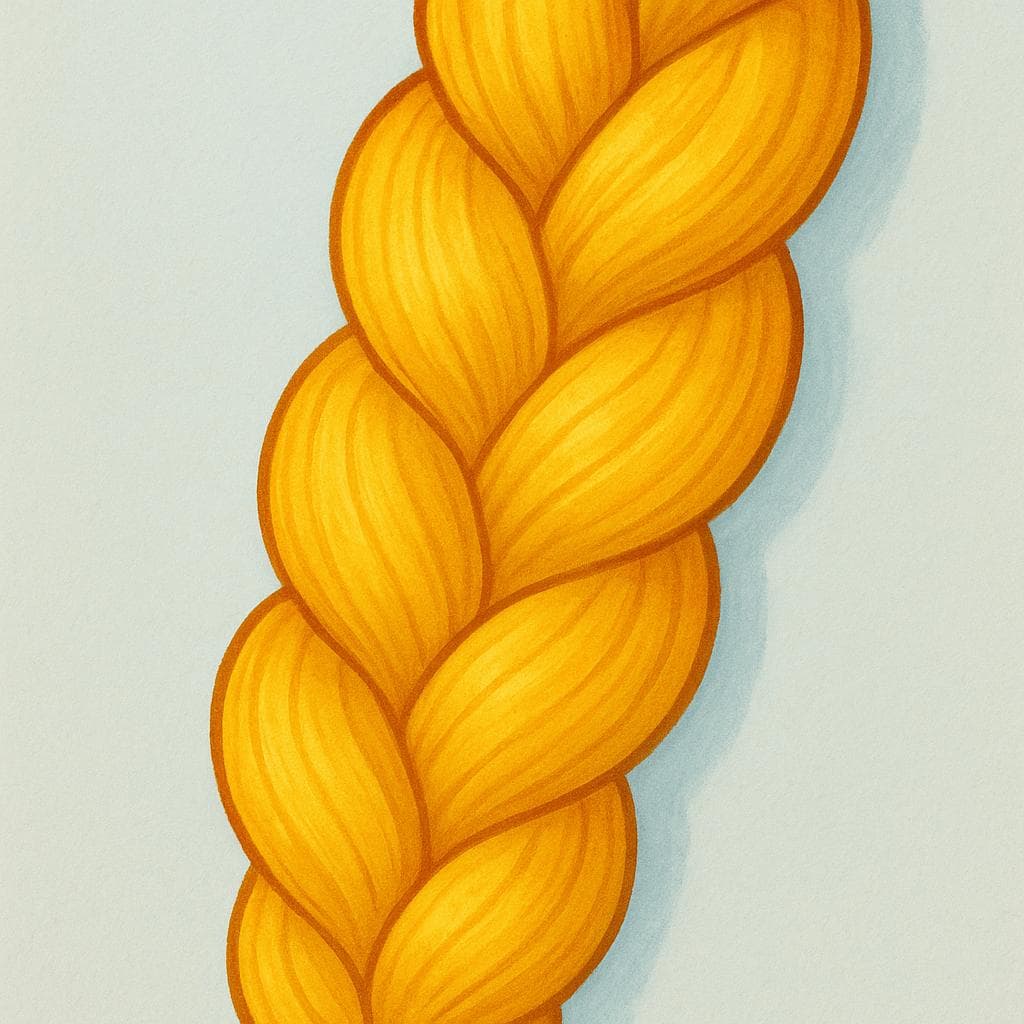
beautiful
“¡Qué vestido más precioso llevas hoy!”
blond
“Mi hermana es pelirroja, pero mi hermano es rubio.”
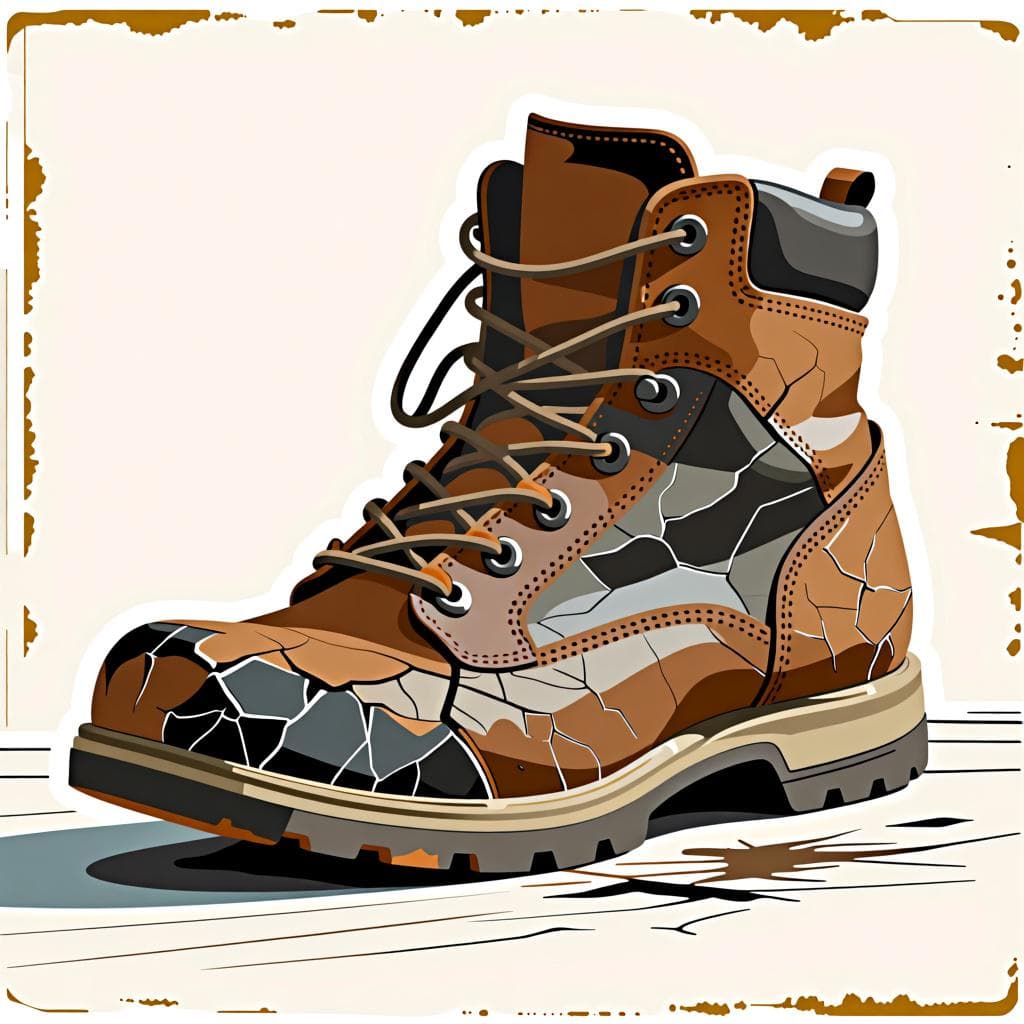
old
“Mi coche es muy viejo, pero todavía funciona.”

extremely beautiful
“El amanecer en la costa es bellísimo.”

lipstick
“Me gusta mucho ese color de labial.”

red-haired
“Mi hermano menor es pelirrojo.”
A2 — Elementary (8 words)
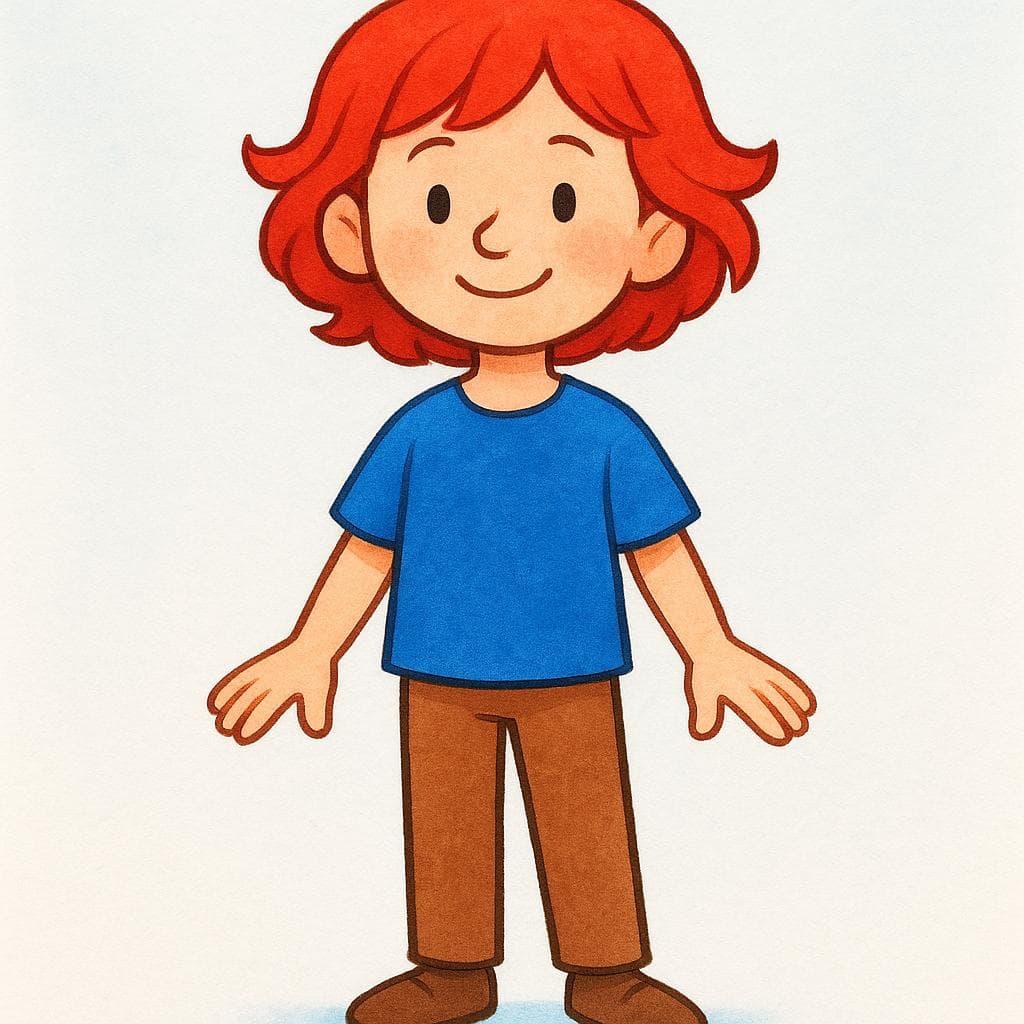
appearance
“Su apariencia física es muy atlética.”

wrinkle
“Mi abuela tiene arrugas muy bonitas alrededor de los ojos.”

appearance
“Tiene buen aspecto después de sus vacaciones.”
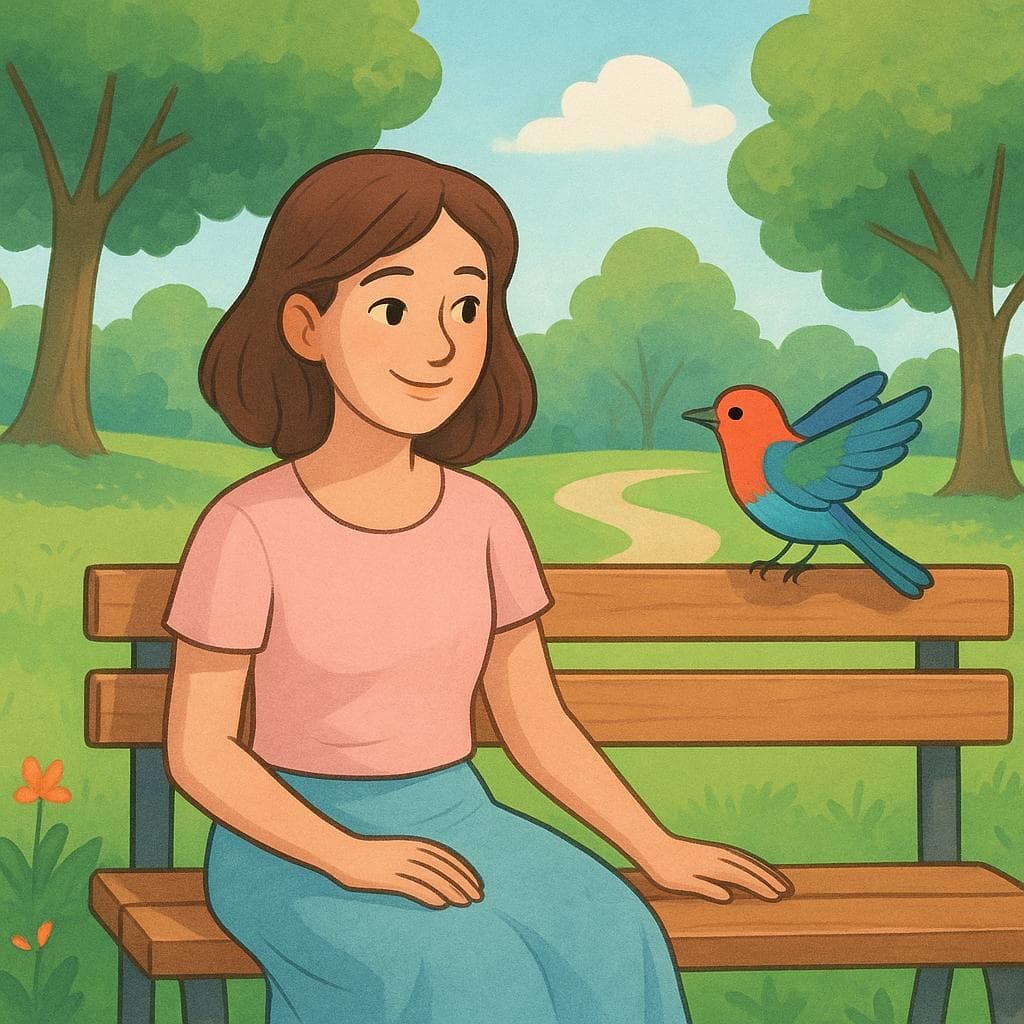
charming
“Mi nueva vecina es muy encantadora y siempre me saluda.”
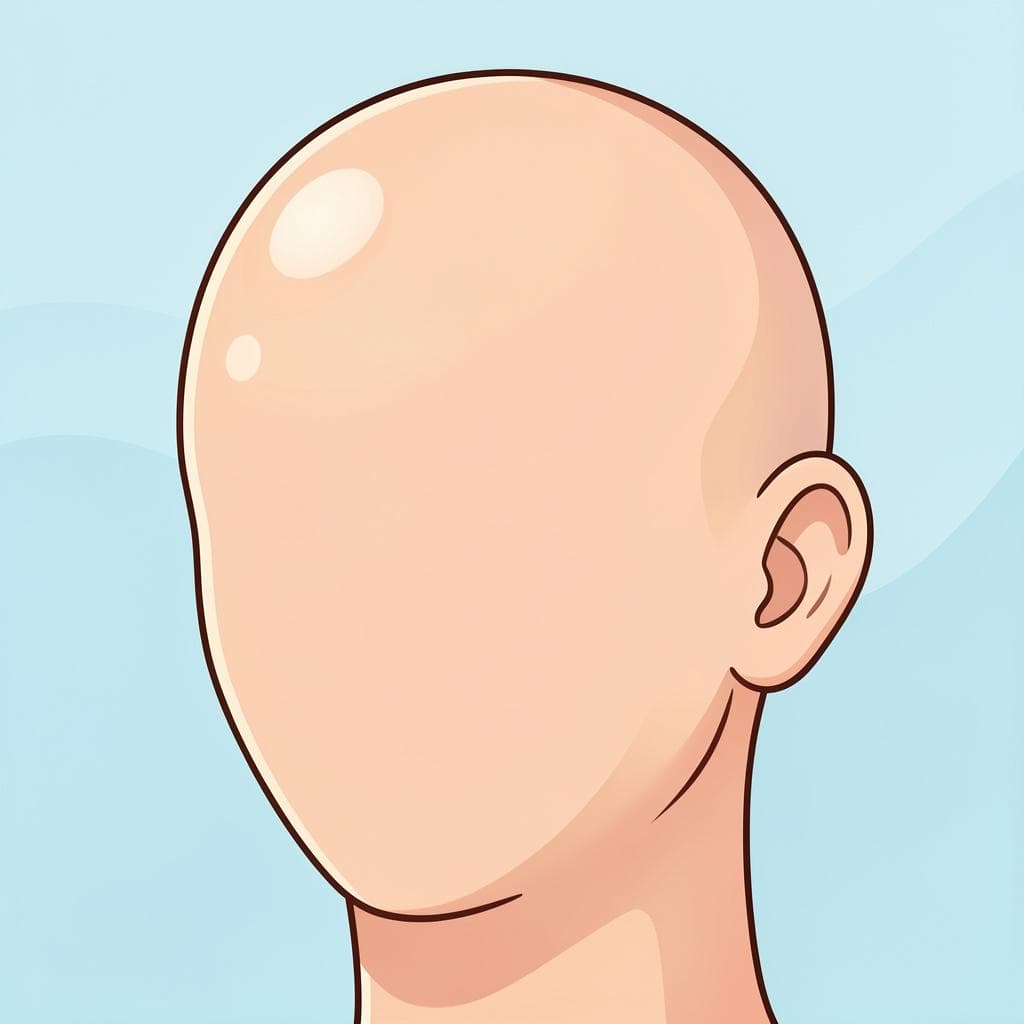
bald
“Mi tío es calvo y siempre lleva gorra.”

height
“Mi hermano tiene una estatura media.”
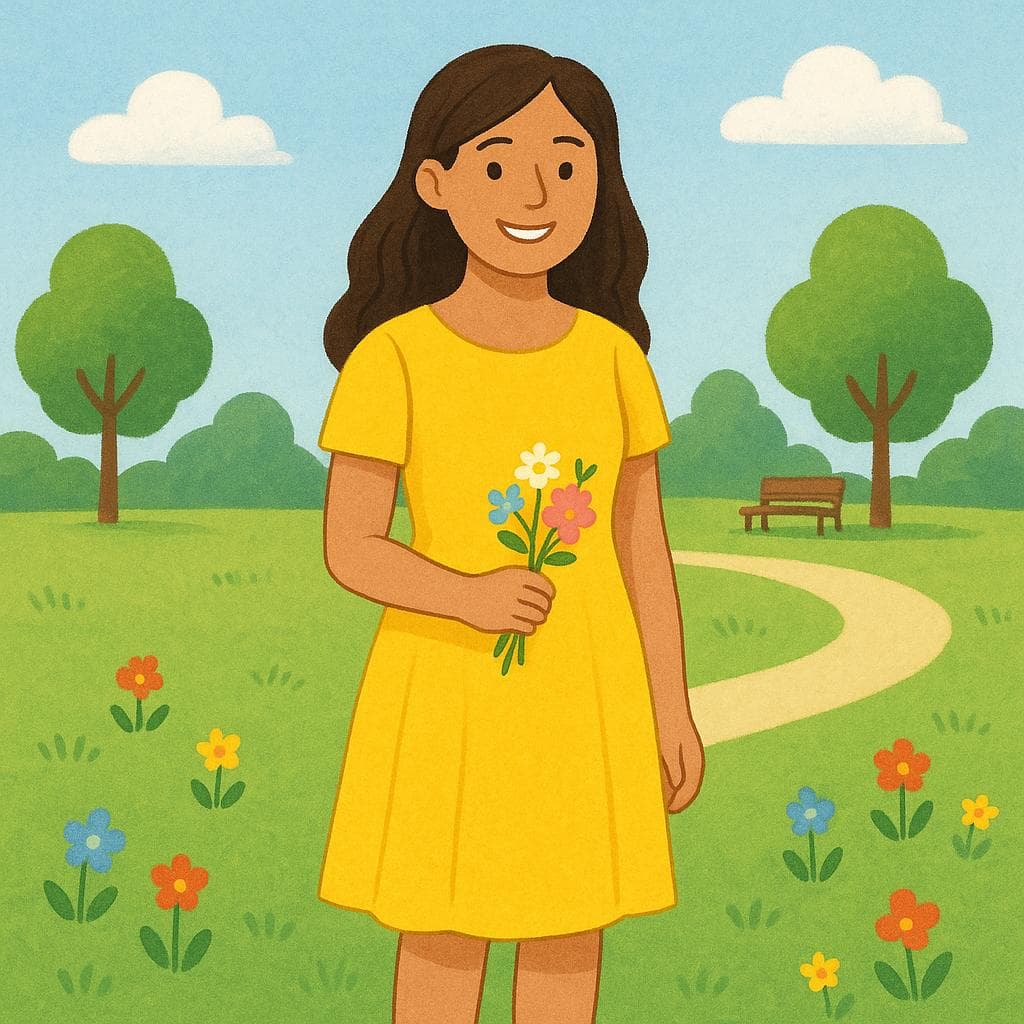
young woman
“La jovencita de la tienda es muy amable.”

silhouette
“Vi una silueta oscura en la ventana.”
B1 — Intermediate (10 words)
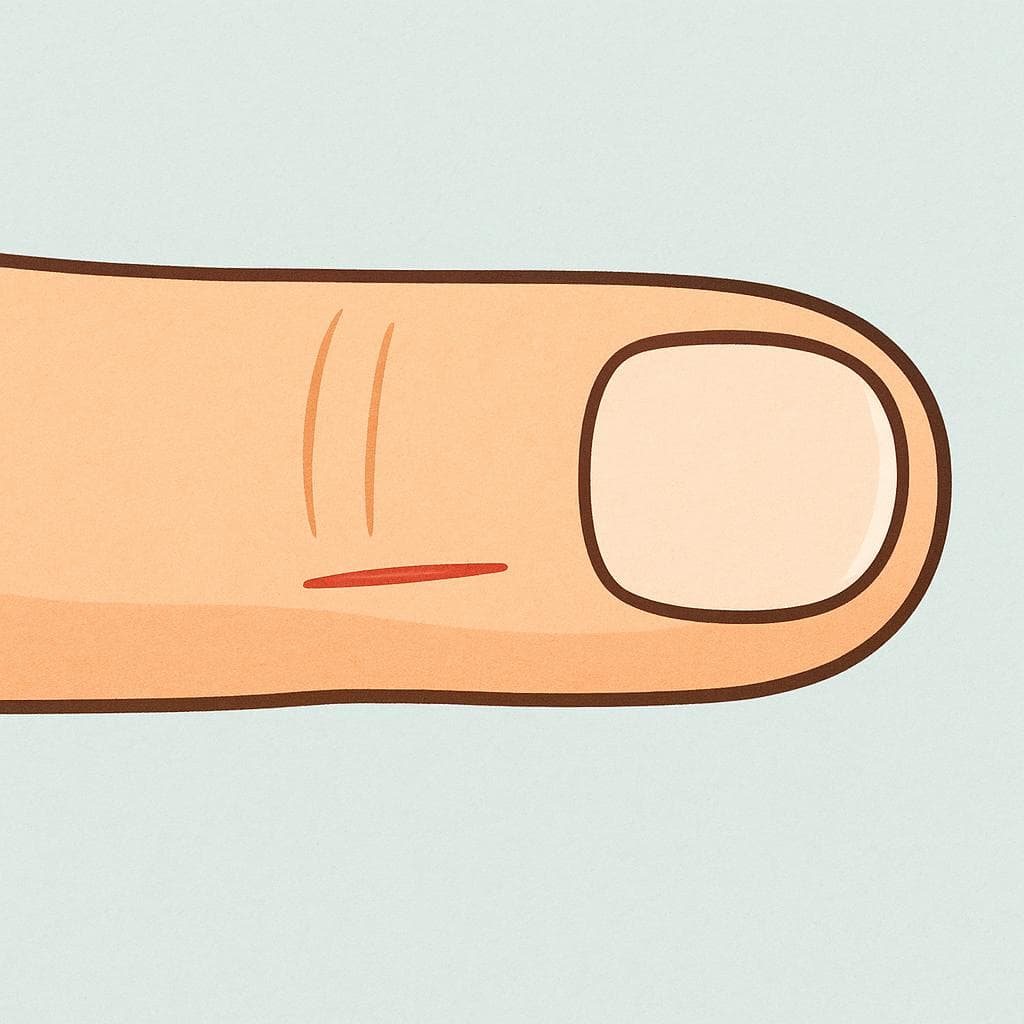
cut
“Me hice un corte en el dedo con un papel.”

look
“La estética de esta cafetería es muy moderna y minimalista.”
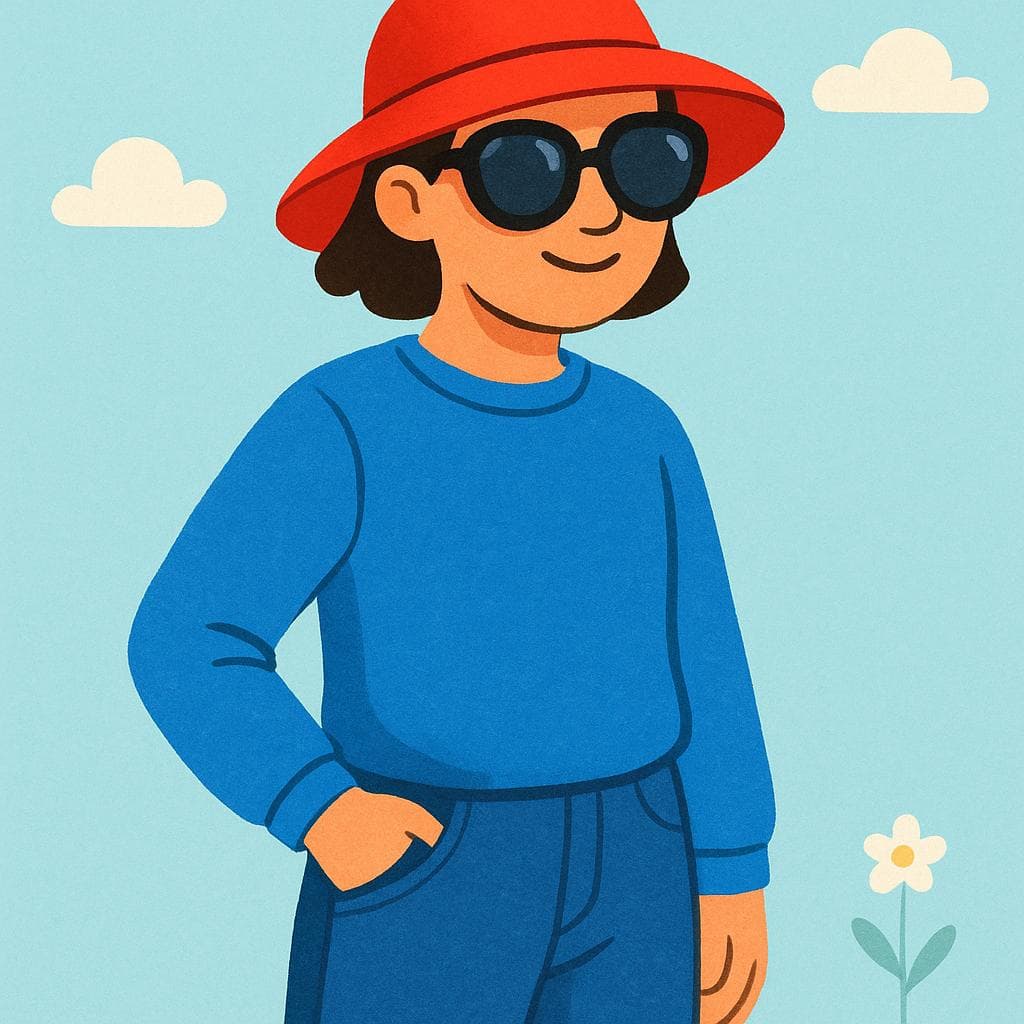
look
“Esa comida tiene muy buena pinta. ¡Quiero probarla!”
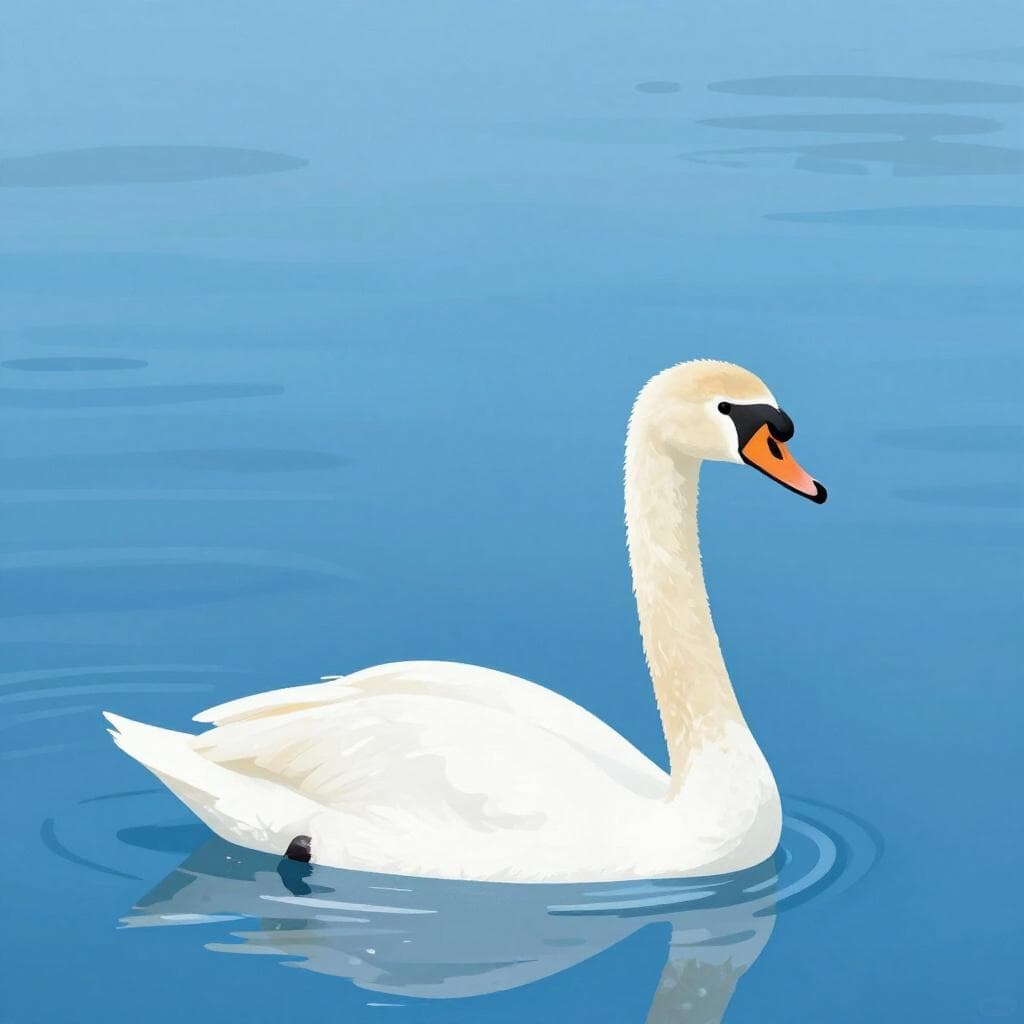
elegance
“Ella camina con una elegancia natural.”

dwarf
“Blancanieves vivió con siete enanos.”
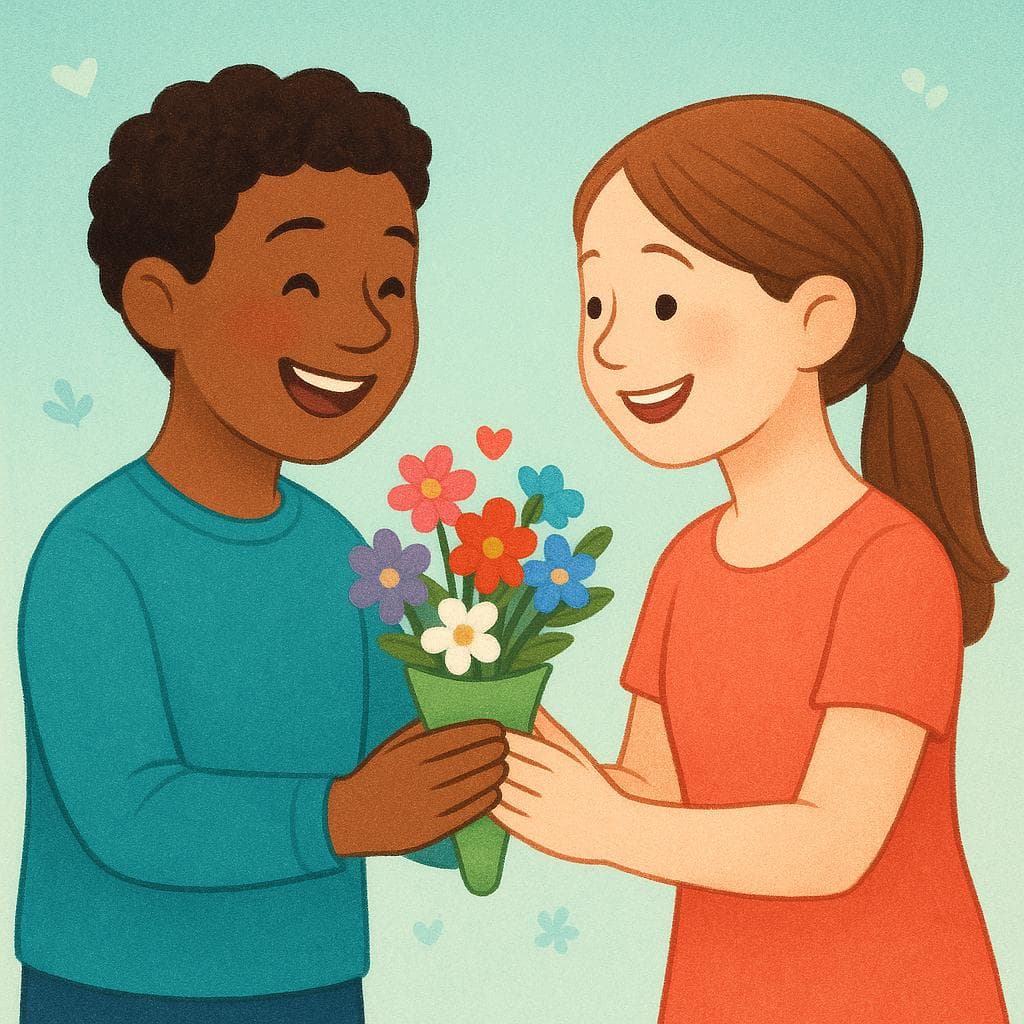
charming
“Mi abuela es una mujer encantadora, siempre tiene historias divertidas.”

radiant
“La novia estaba radiante el día de su boda.”

sexy
“Ella llevaba un vestido rojo muy sexy.”

handsome
“El protagonista de la película es un hombre muy apuesto.”
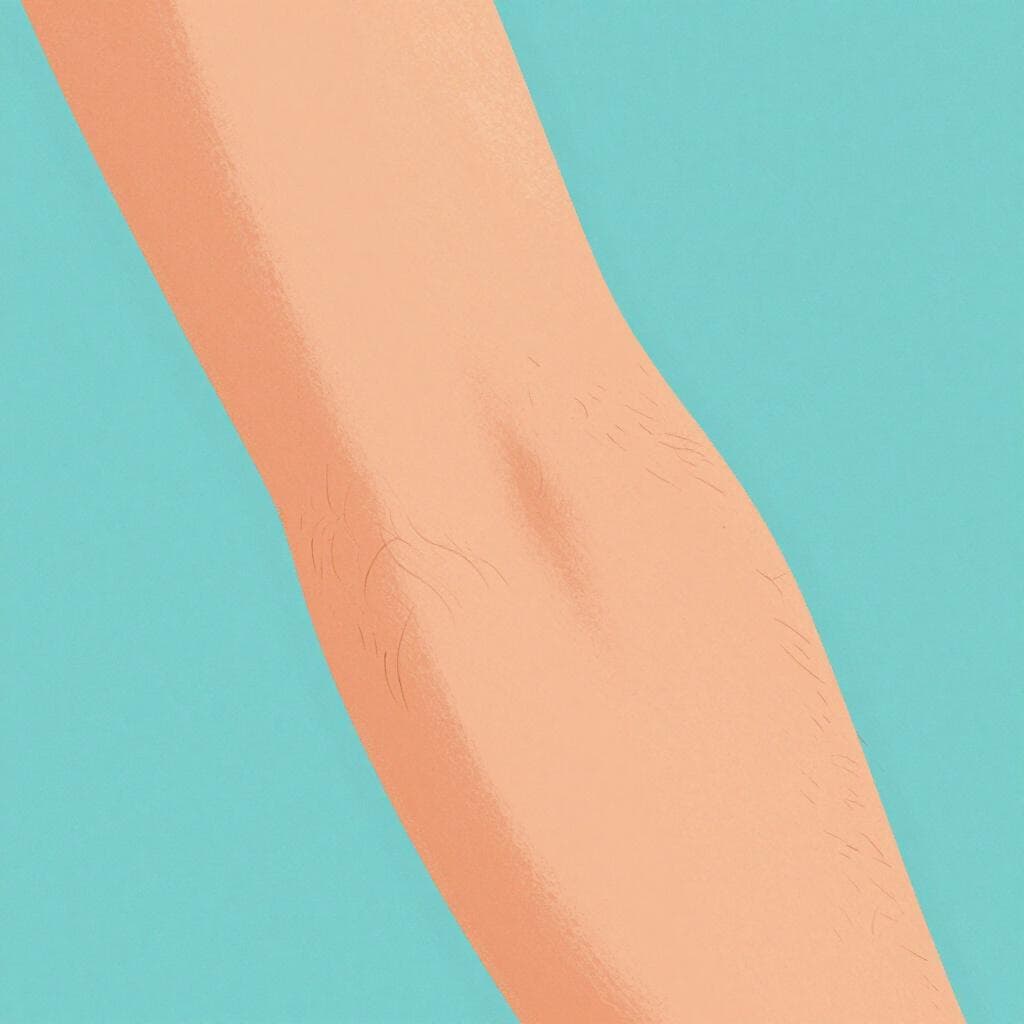
body hair
“El vello de sus brazos es muy rubio y casi no se ve.”
Grammar Tips
Adjectives Agree in Gender and Number
Most adjectives describing appearance change to match the noun they modify. For example, 'alto' (tall) becomes 'alta' for a female and 'altos'/'altas' for plurals. Remember this rule applies to words like 'guapo/guapa' (handsome/pretty) and 'delgado/delgada' (thin).
Describing Hair and Eyes
When talking about hair and eye color, Spanish often uses the verb 'tener' (to have) followed by the color. For example, 'Ella tiene el pelo rubio' (She has blonde hair) and 'Él tiene los ojos azules' (He has blue eyes).
Common Descriptors
Words like 'feo' (ugly), 'bonito' (pretty), and 'guapo' (handsome/good-looking) are very common. Pay attention to how 'guapo' can be used for both men and women, though 'bonita' or 'hermosa' are more frequently used for women.
Common Mistakes
Adjective Placement
Mistake: “Él es un guapo hombre.”
Correction: Él es un hombre guapo. Adjectives like 'guapo' describing a physical characteristic typically follow the noun in Spanish.
Gender Agreement Error
Mistake: “Ella es muy alto.”
Correction: Ella es muy alta. The adjective 'alto' must agree in gender with the subject 'ella' (she), so it becomes 'alta'.
Using 'Ser' vs 'Estar'
Mistake: “Él está delgado.”
Correction: Él es delgado. While 'estar' can describe a temporary state, 'ser' is used for inherent or permanent physical characteristics like being thin or overweight.
Cultural Notes
Variety in Beauty Standards
Latin America, in particular, has a rich diversity of features due to its history. While 'blanco' (white) skin was historically prized, there's a growing appreciation for diverse skin tones and features across the Spanish-speaking world.
Directness in Description
Spanish speakers might be more direct in describing appearance than in some English-speaking cultures, using words like 'gordo' (fat) or 'flaco' (skinny) without necessarily intending offense, though context is always key.