canario
“canario” means “canary” in Spanish. It has 3 different meanings depending on context:
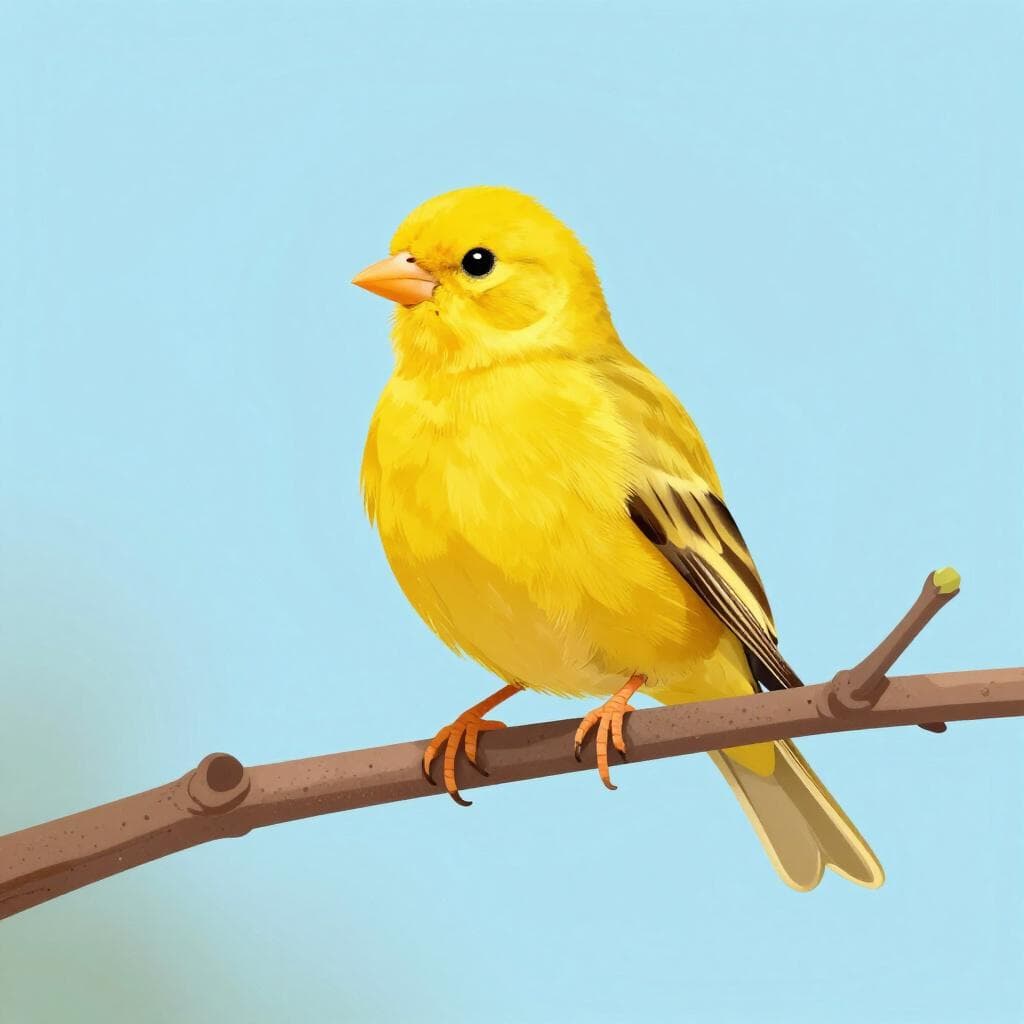


canary
Also: songbird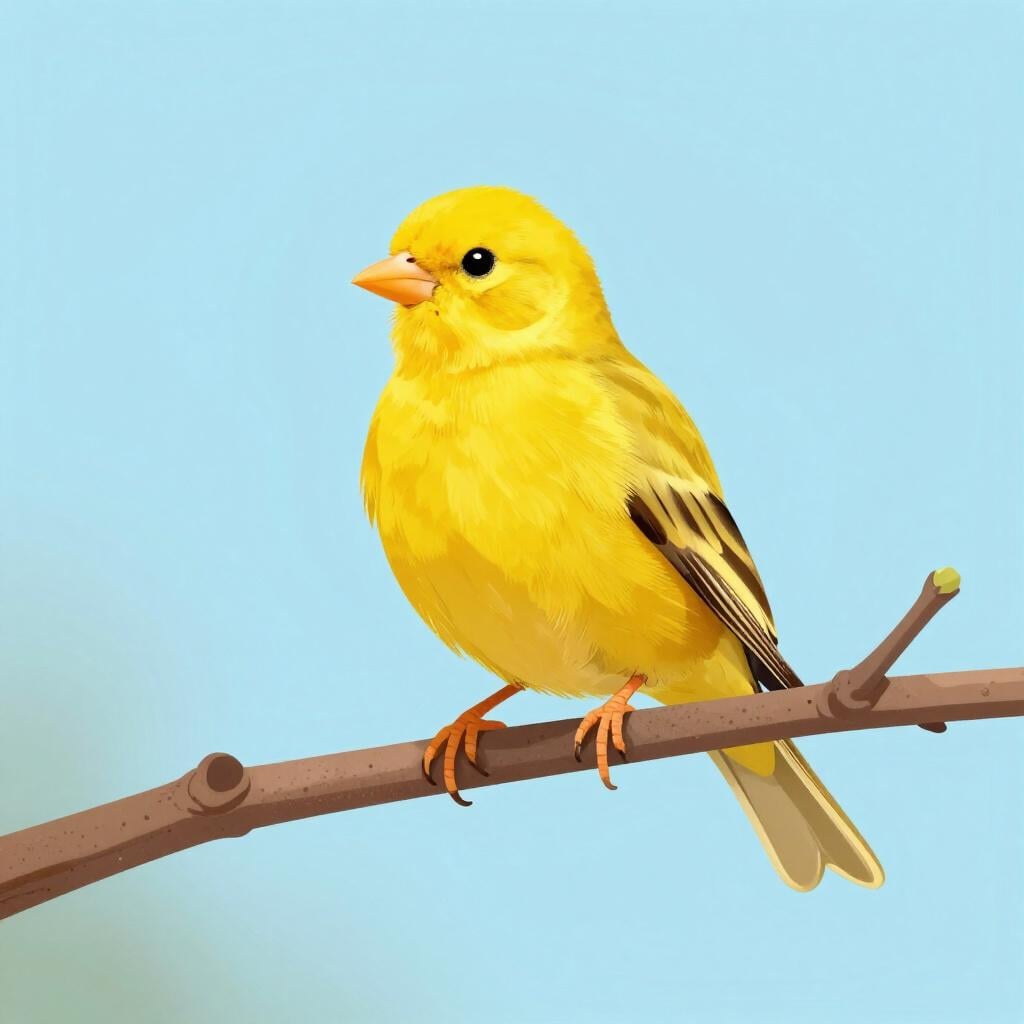
📝 In Action
El canario canta muy bien por las mañanas.
A1The canary sings very well in the mornings.
Necesito comprar comida para mi canario.
A1I need to buy food for my canary.
Los mineros usaban canarios para detectar gases peligrosos.
B1Miners used canaries to detect dangerous gases.
Canarian

📝 In Action
Mi mejor amigo es canario, nació en Tenerife.
A2My best friend is Canarian; he was born in Tenerife.
Me encanta el plátano canario.
A2I love the Canarian banana.
La lucha canaria es un deporte tradicional muy famoso.
B2Canarian wrestling is a very famous traditional sport.
canary yellow

📝 In Action
Pintó su cuarto de un color canario muy brillante.
B1She painted her room a very bright canary yellow.
Ese vestido canario resalta mucho con tu piel.
B2That canary-yellow dress really stands out against your skin.
El equipo lleva una camiseta de color canario.
A2The team wears a canary-yellow jersey.
Vocabulary Collections
Translate to Spanish
✏️ Quick Practice
Quick Quiz: canario
Question 1 of 3
If you meet someone from Tenerife, how would you describe them?
📚 More Resources
👥 Word Family▼
🎵 Rhymes▼
📚 Etymology▼
From the Latin 'Canariae Insulae' (Islands of Dogs). Early explorers found large dogs there, not birds. The birds were later named after the islands where they were found.
First recorded: 15th century
Cognates (Related words)
💡 Master Spanish
Take your Spanish to the next level. Read 200+ illustrated and narrated Spanish stories tailored to your level with the Inklingo app!
Frequently Asked Questions
Is 'canario' always masculine?
No. When referring to a woman from the islands or a female bird, it changes to 'canaria'.
Do I capitalize 'canario' when talking about a person?
No, in Spanish, nationalities and regional origins are written in lowercase.
Can 'canario' be a verb?
No, 'canario' is only used as a noun or an adjective.